





English Brown Bookcase
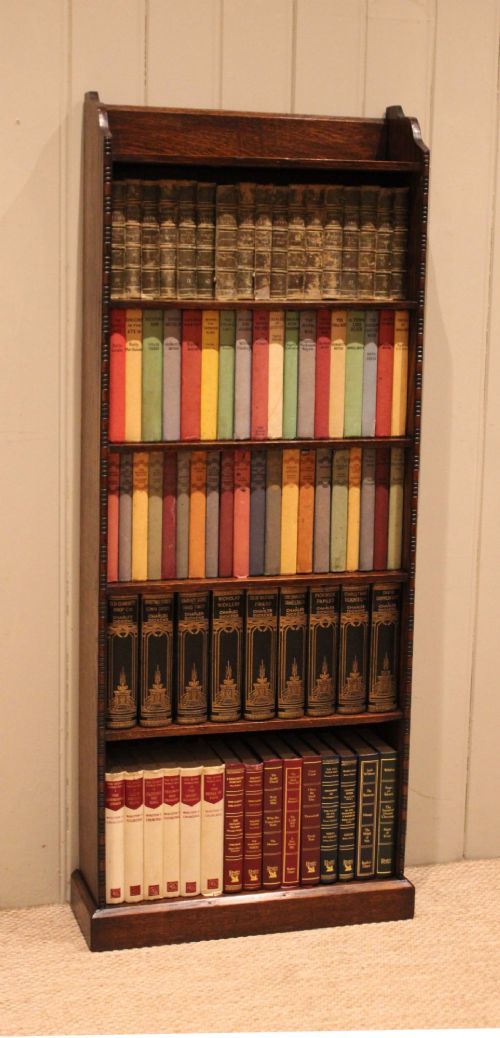
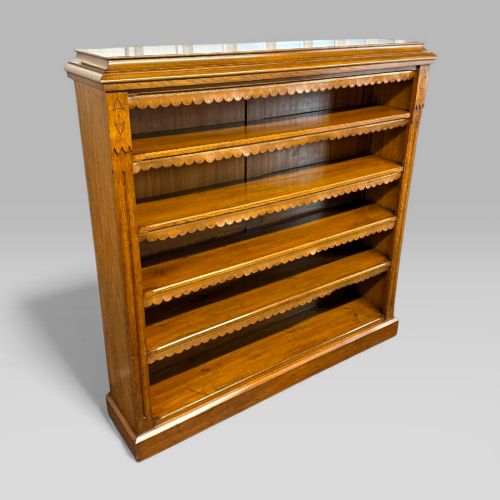
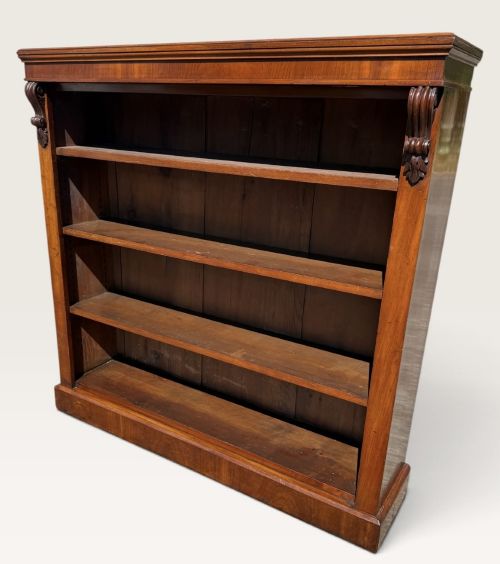
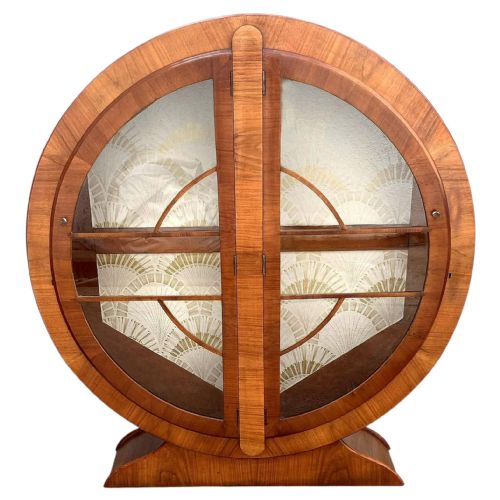
An English brown bookcase brings warm timber tones and practical shelving to a room, ranging from compact open walnut tiers to tall mahogany library pieces.
English Brown Bookcase
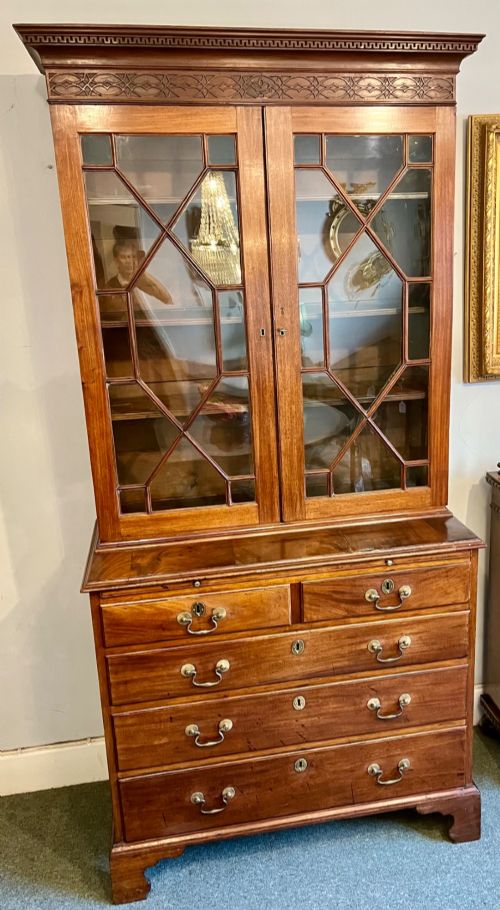
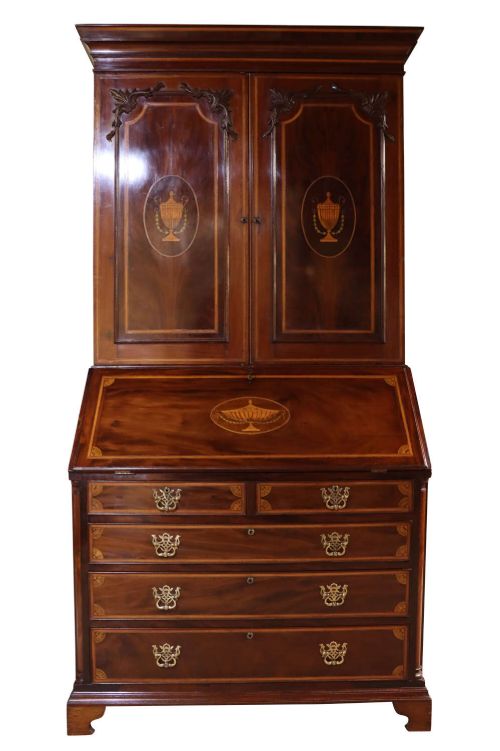
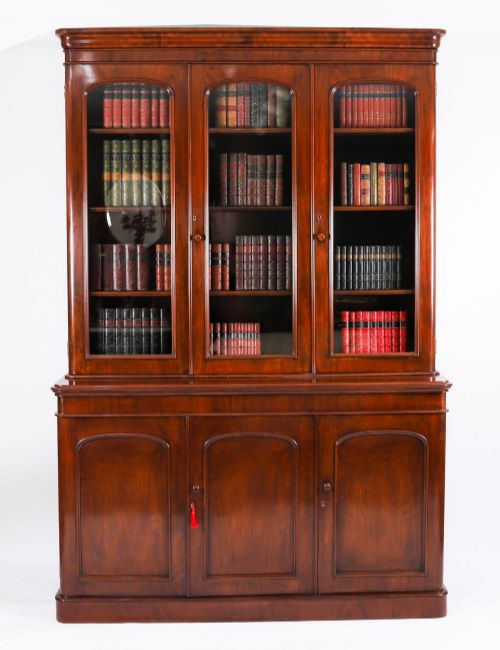
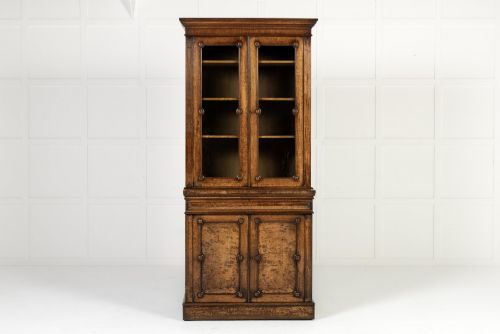
The most frequent examples on this page are 19th century mahogany and walnut open bookcases, alongside bureau variations that combine a writing desk with enclosed shelving. Buyers encounter forms ranging from dwarf bookcases to large library cupboards.
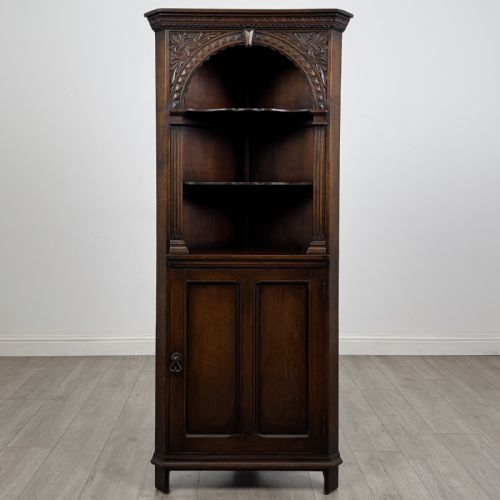
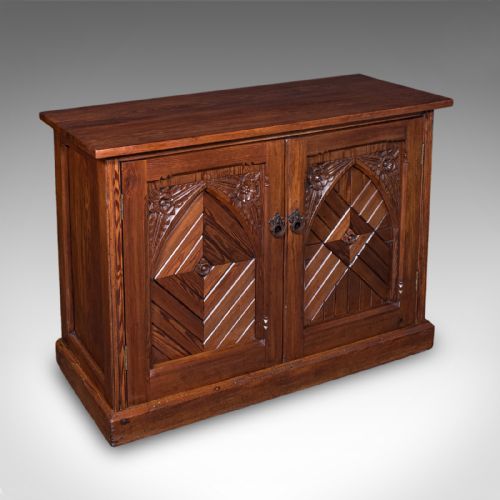
Makers and workshops of the 18th, 19th, and early 20th centuries constructed these items for domestic studies, libraries, and drawing rooms. Regional variations include oak storage cupboards and kitchen dressers from the English West Country.
How they were made
Cabinet makers utilised solid and veneered timbers, selecting flame mahogany, figured walnut, pollard oak, and rosewood for their rich grain patterns. Inlays of boxwood, brass fittings, and tunbridgeware decoration added surface contrast.
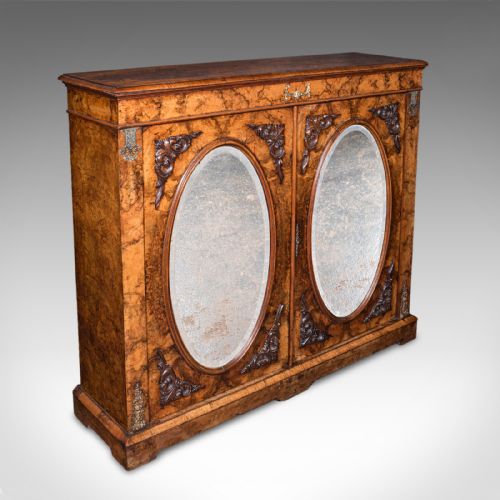
Glazed doors incorporated glass panels set within timber frames, sometimes with leaded joints or mirror fronts. Structural support relied on brass hinges, brass handles, and carved or turned wooden feet.
English Brown Bookcase Retail Price Guide 2026
Typical asking prices for english brown bookcase among the pieces listed under this phrase on Sellingantiques today, from the lower quarter to the upper quarter. They describe what is for sale here now, not the wider market.
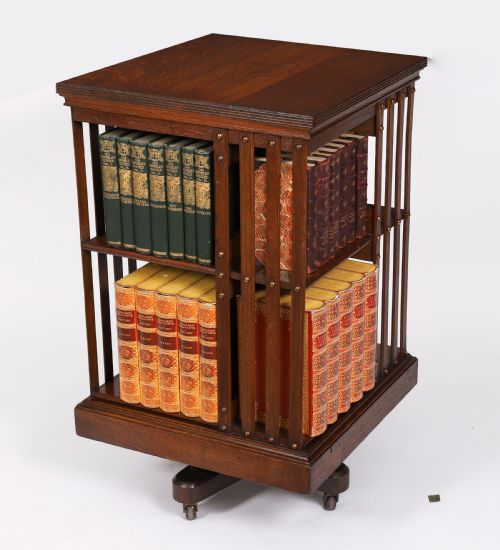
Revolving bookcases offer a miniature architectural spin on reading, keeping an entire shelf of volumes turning smoothly at a touch.
What varies in quality
The selection of timber veneer determines the visual depth of the piece, with matched flame mahogany or figured walnut sitting at the upper end of the range. Finer examples display meticulous grain continuity across doors and drawers.
The refinement of internal joinery, dovetail construction in drawers, and the delicacy of carved details such as bracket feet or dental mouldings separate standard utilitarian cupboards from library pieces.
Edwards & Roberts·Druce & Co
The English Brown Bookcase Glossary
- Bureau bookcase
- A combination of a slant-front desk with a bookcase top, enclosing small drawers and pigeonholes behind the fall front. This dual-purpose form became popular in Georgian and Victorian homes.
- Open bookcase
- A shelving unit without doors, designed for easy access to volumes. These appear in dwarf heights or as tall library tiers.
- Secretaire bookcase
- A tall cabinet featuring a fitted writing drawer that pulls out and drops down, situated beneath upper shelving. It offers a workspace without needing a separate slope-front desk.
- Breakfront
- A piece of furniture whose central section projects forward from the flanking wings. This architectural layout creates depth in large library cabinets.
- Tunbridgeware
- Small decorative woodwork utilising thousands of tiny coloured wood blocks to form geometric or pictorial mosaics. It appears as banding and inlay on Victorian and Edwardian surfaces.
English Brown Bookcase: Frequently Asked Questions
How do I date a mahogany bookcase?
Dating relies on timber selection, structural joinery, and stylistic details such as bracket feet, glazing bars, and pediment designs. Georgian pieces tend to show simpler geometric lines, whereas Victorian examples often incorporate heavier moulded cornices and flame veneers.
Secondary woods inside drawers also help determine age, as oak and deal were used in different periods. Comparing the hardware style and backboards provides further chronological clues.
Are open bookcases sturdy enough for heavy books?
Solid hardwood shelves made from oak, mahogany, or walnut provide strong support for heavy volumes. Many antique open bookcases feature fixed or adjustable timber shelving designed for substantial book collections.
Checking the thickness of the timber and the strength of the shelf supports ensures the structure holds heavy loads without bowing over time.
Where should I place a walnut display cabinet?
Placing a walnut display cabinet away from direct sunlight and radiators preserves the rich grain and prevents the timber veneer from drying out. A stable interior climate protects both the wood and any glass or mirrored elements.
Positioning the cabinet against an interior wall in a study, drawing room, or lounge also shields the piece from sudden temperature fluctuations.