



English Bronze Lights
English bronze lights bring weight and warm metallic lustre into a room, offering enduring illumination shaped by centuries of changing design.
English Bronze Lights
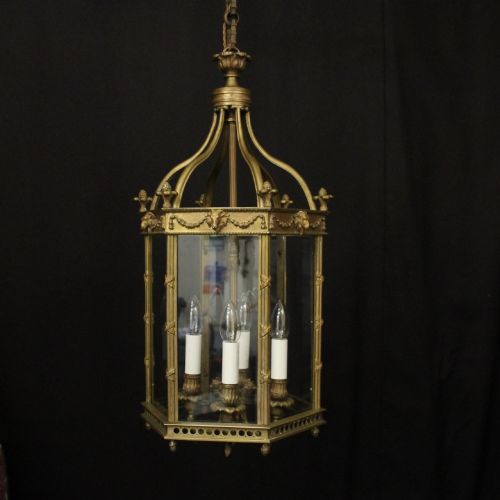
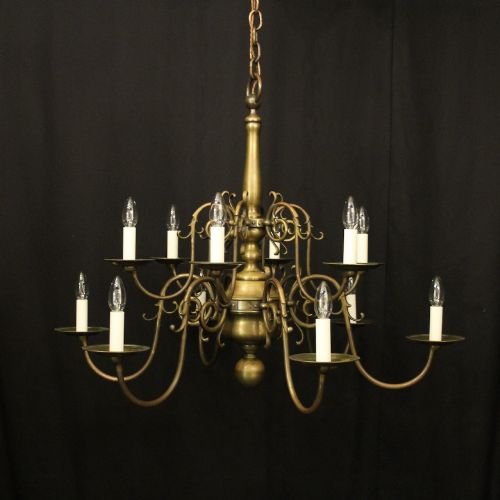
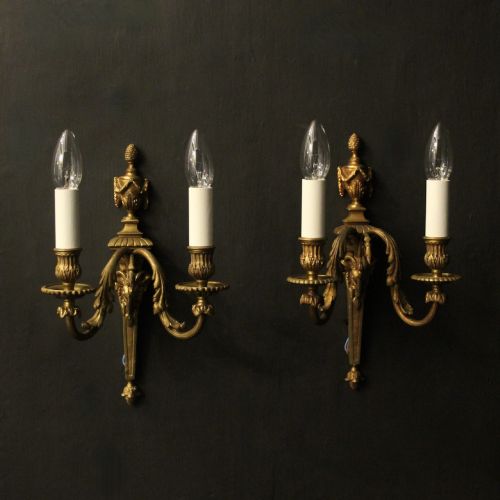
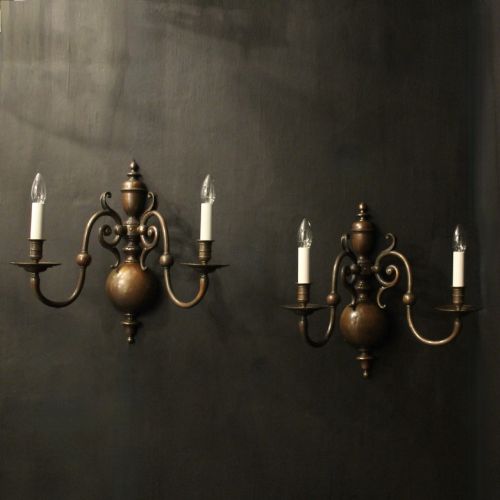
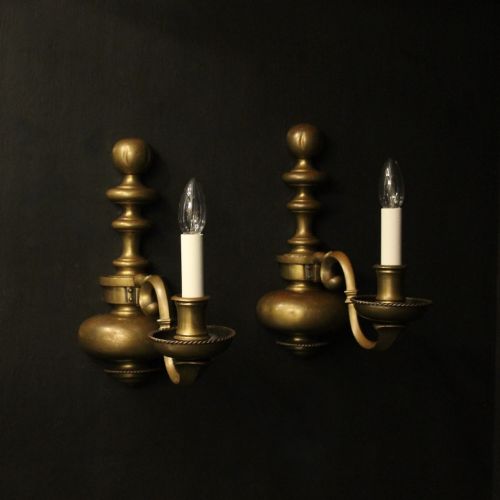
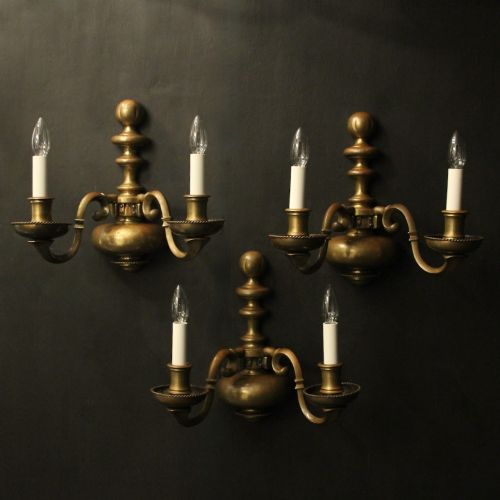
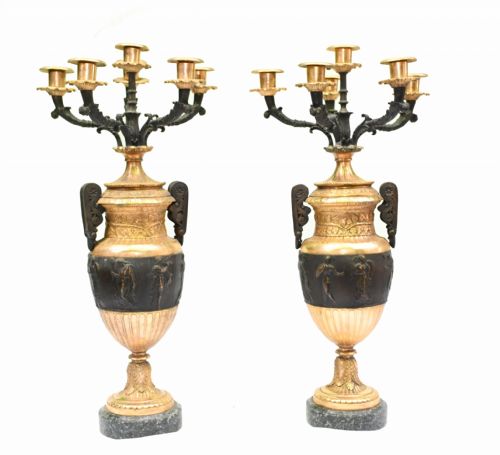
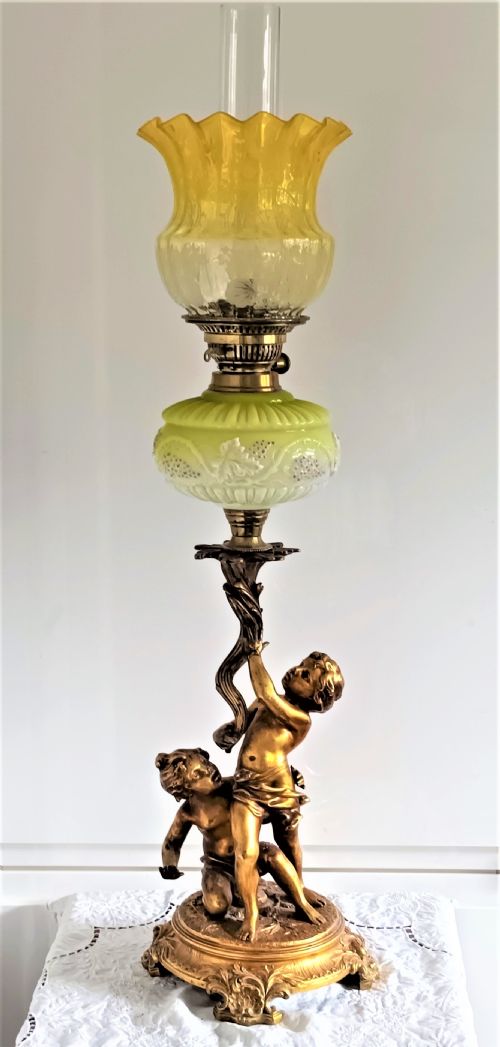
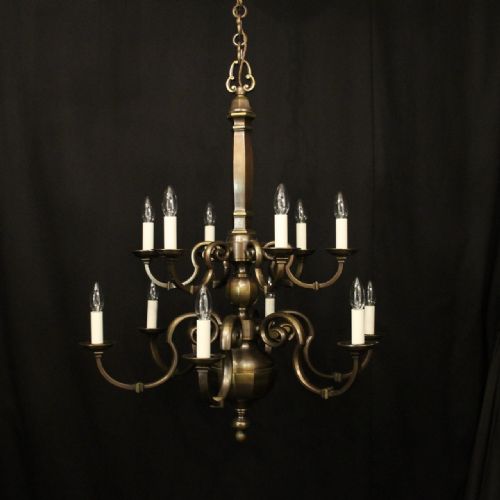
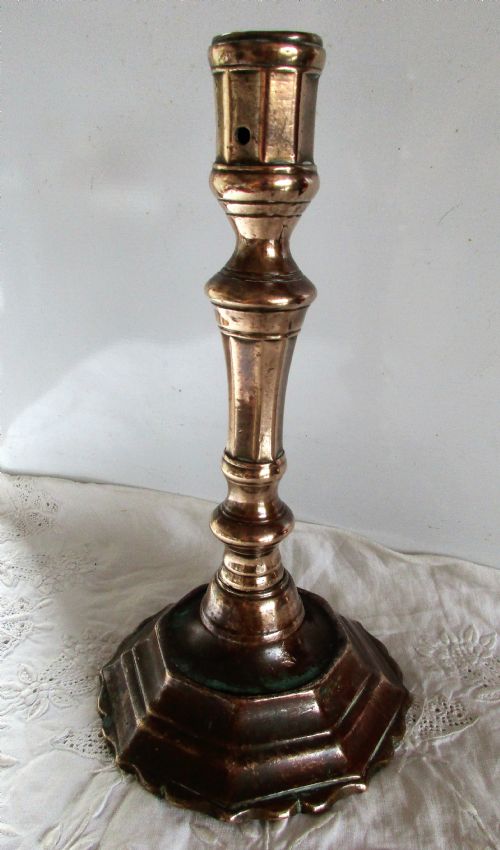
When searching for english bronze lights, a buyer explores a diverse group of fittings designed to illuminate interiors through hanging, mounting, or standing. These objects range from multi-arm chandeliers and wall sconces to sturdy candlesticks and converted oil lamps.
The pieces appearing on this page span several distinct periods, including the Regency era, Victorian period, and early twentieth century. Wall lights and grand multi-light chandeliers emerge as the most frequent forms among the selection.
Stylistic influences vary significantly across the inventory, drawing on Neoclassical, Rococo Revival, and Regency traditions. Many items incorporate complementary materials such as brass, glass, and crystal alongside the core metallic structure.
Assessing quality
The distinction between standard items and exceptional examples lies in the crispness of the metal casting and the depth of the chased surface details. Finer pieces display intricate ornamentation where figural elements or foliage appear sharp and well-defined.
The richness of the finish, whether through burnished gilding or aged patination, contributes heavily to the overall presence of the fixture. Heavier gauge metal and integrated components demonstrate superior craftsmanship compared to lighter, more assembly-line productions.
English Bronze Lights Retail Price Guide 2026
Typical asking prices for english bronze lights among the pieces listed under this phrase on Sellingantiques today, from the lower quarter to the upper quarter. They describe what is for sale here now, not the wider market.
Materials represented across the inventory include patinated bronze, gilt bronze, ormolu, brass, crystal, and clear glass.
Thomas Hope
The English Bronze Lights Glossary
- Ormolu
- Finely ground high-carat gold applied to a bronze base using a mercury amalgamation process. This technique creates a durable, bright golden finish seen on many Regency and nineteenth-century fixtures.
- Patinated bronze
- Metal that has been chemically treated or allowed to age naturally to produce a dark, subdued surface tone. It provides a quiet contrast to brighter gilt highlights.
- Candelabra
- A branched lighting fixture designed to hold multiple candles rather than electrical bulbs. These pieces often feature removable branches or central figural columns.
- Lustre
- A hanging glass pendant or drop suspended from a lighting fixture to refract candle or lamp light. They are commonly associated with Regency and Victorian chandeliers and sconces.
- Sconce
- A wall-mounted lighting bracket designed to project illumination into a room. These fixtures range from simple single-arm designs to elaborate multi-light appliques.
English Bronze Lights: Frequently Asked Questions
Can these old lights be wired for electricity?
Many antique chandeliers, lanterns, and wall fixtures are successfully adapted for modern electrical use. This process usually involves running discreet internal wiring through the existing hollow channels of the bronze arms.
It is advisable to have a qualified electrician handle the conversion to ensure the vintage metalwork safely accommodates modern fittings and local safety regulations.
What is the difference between bronze and brass?
Bronze is an alloy primarily composed of copper combined with tin, resulting in a heavier, darker, and more durable material. It takes patination and gilding exceptionally well, making it the preferred choice for high-status decorative objects.
Brass is an alloy of copper and zinc, typically possessing a brighter, more golden hue by nature. While both metals appear in these listings, bronze generally denotes a heavier and more costly production.
How do I date a bronze light fixture?
Dating relies heavily on stylistic clues, such as the classical motifs of the Regency period or the ornate flourishes of Victorian design. The manufacturing techniques, tool marks visible on the metal, and assembly methods also provide clear indicators of age.
Comparing the specific casting quality and wiring channels with documented examples from the same era helps narrow down the production decade.