
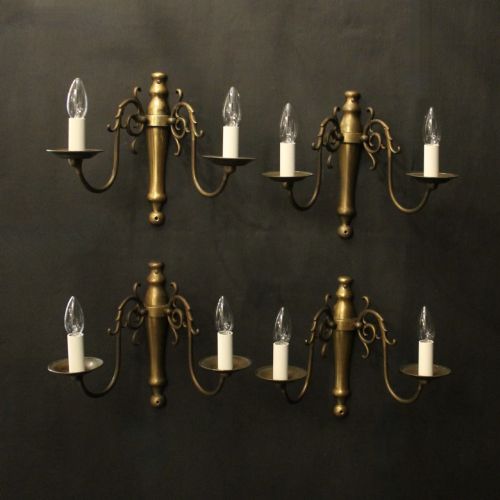
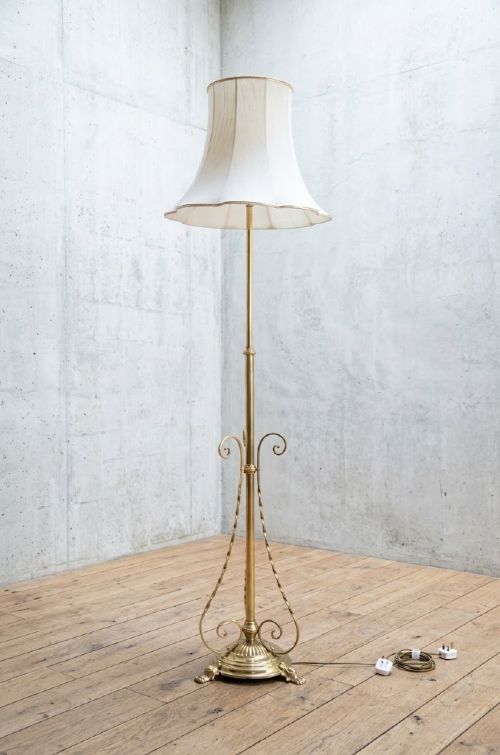
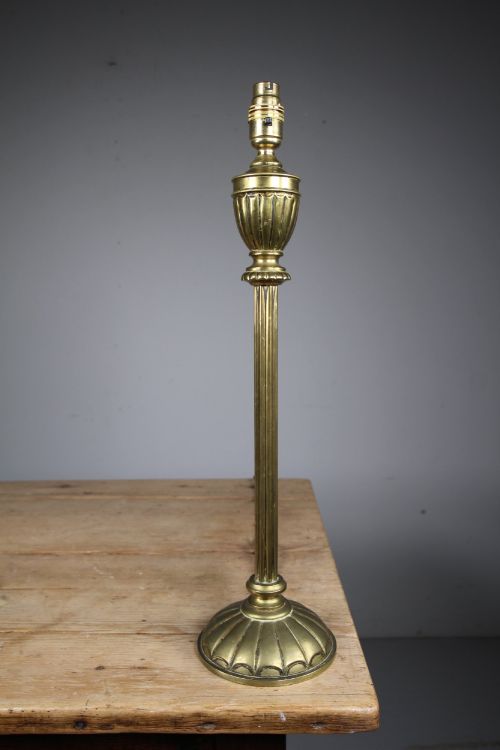
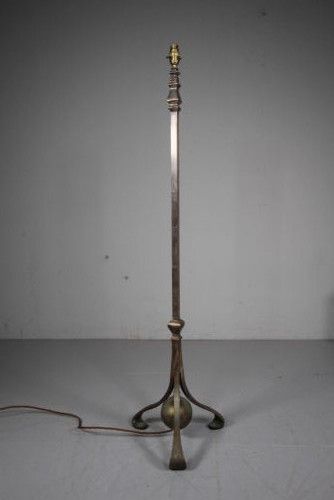

English Brass Lamp
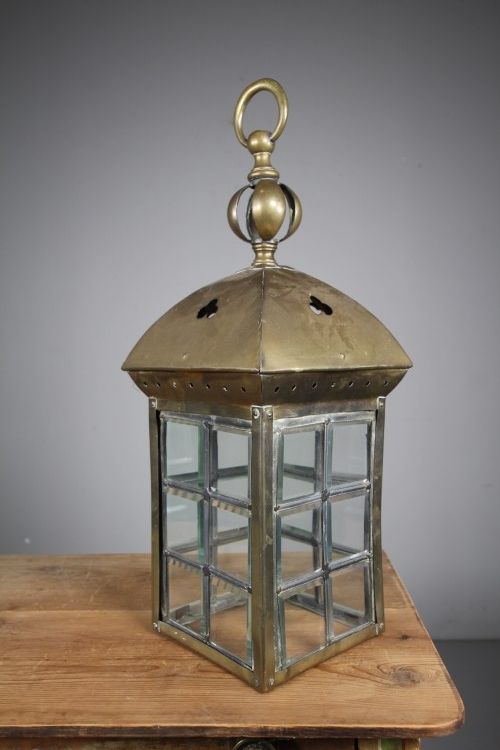
An english brass lamp brings period warmth and solid weight to a room, ranging from simple Victorian burners to adjustable Edwardian standards.
English Brass Lamp
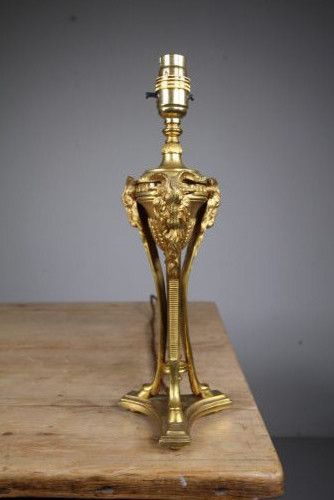
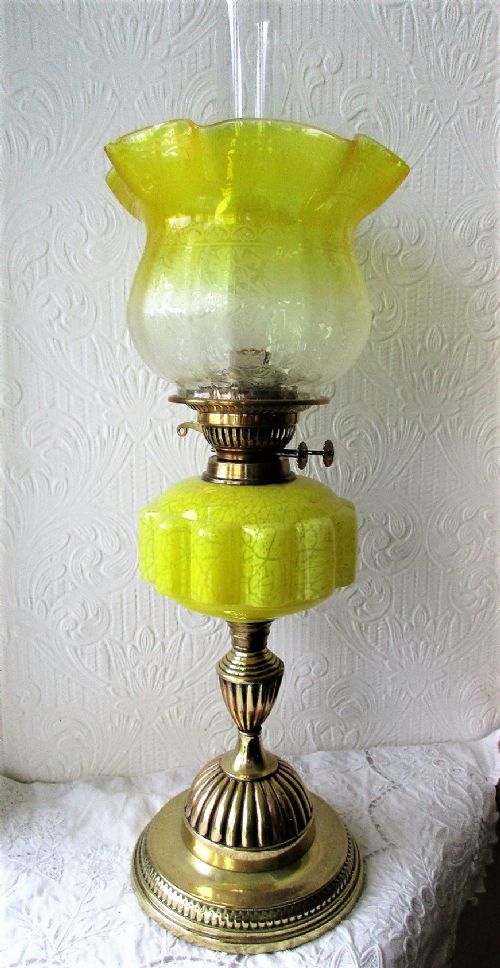
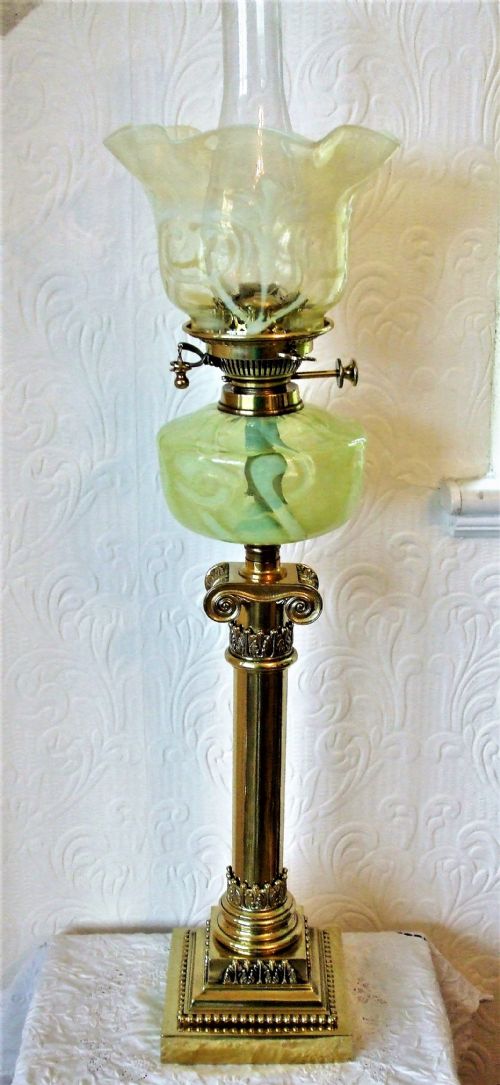
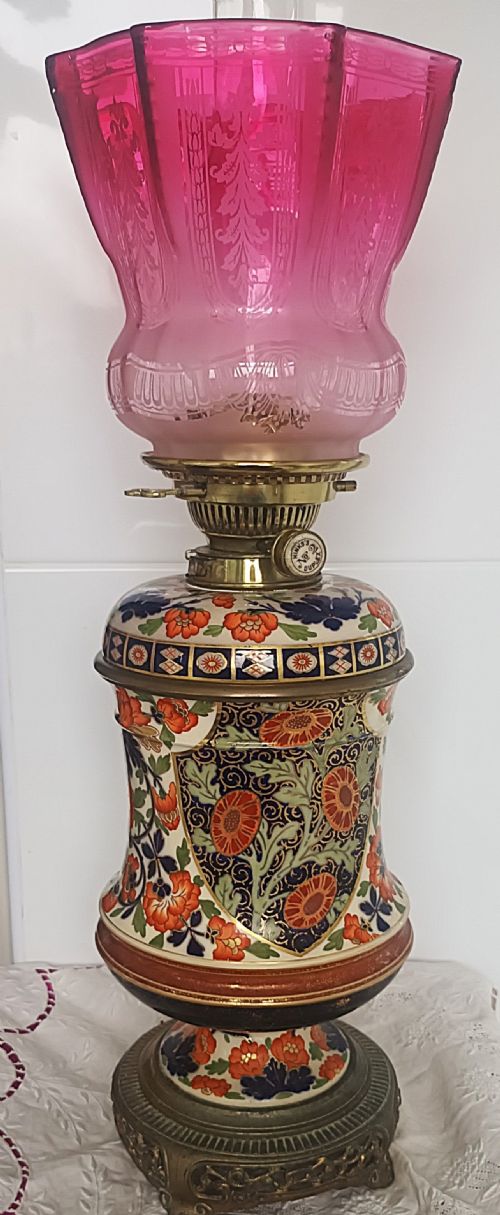
When searching for an english brass lamp, buyers encounter everything from heavy nineteenth-century oil burners with ionic columns to slender Edwardian floor standards and flexible desk lights.
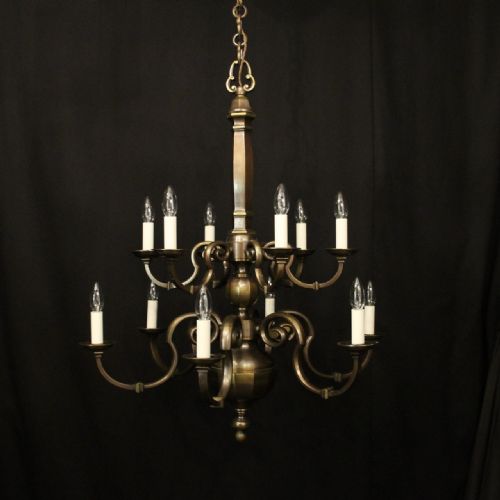
Table lamps and tall standard lamps dominate the selection, often accompanied by wall lights, chandeliers, and converted altar candlesticks from the Victorian and Edwardian eras.
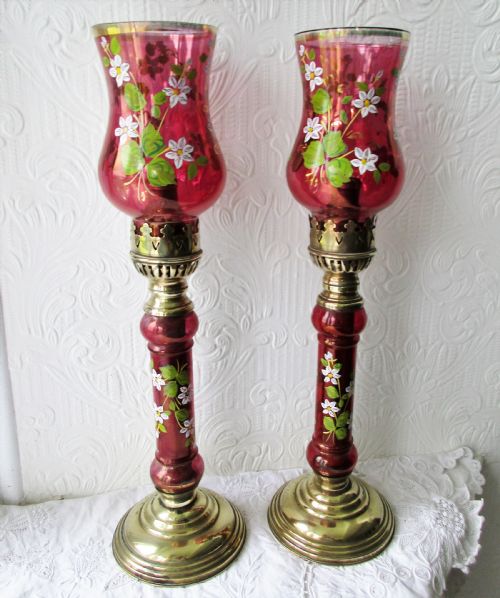
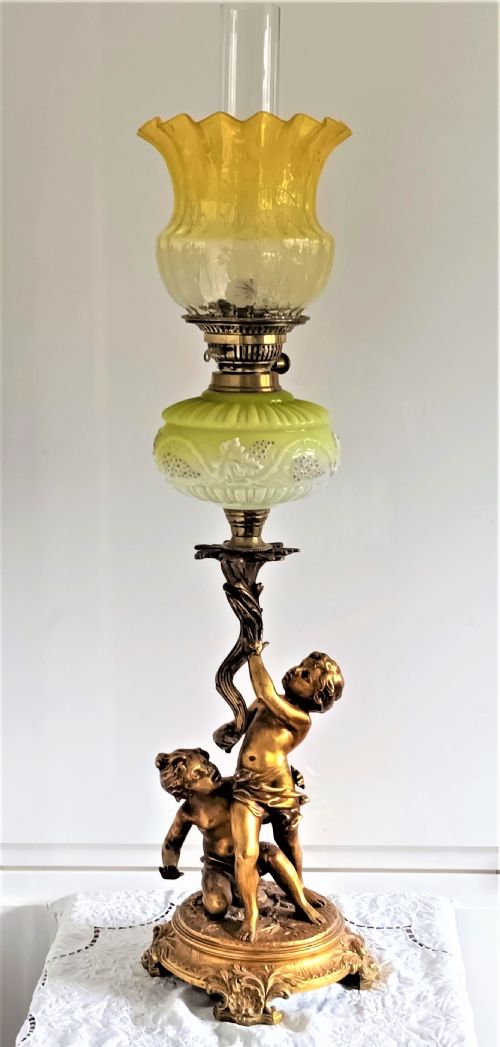
The material palette extends beyond plain brass into gilded bronze, ormolu, and silver plate, frequently paired with cut glass, cranberry glass, or opaline shades.
Materials and construction
Makers utilised cast and spun brass alongside bronze, silver plate, and ormolu, often combining metal shafts with heavy weighted bases for stability.
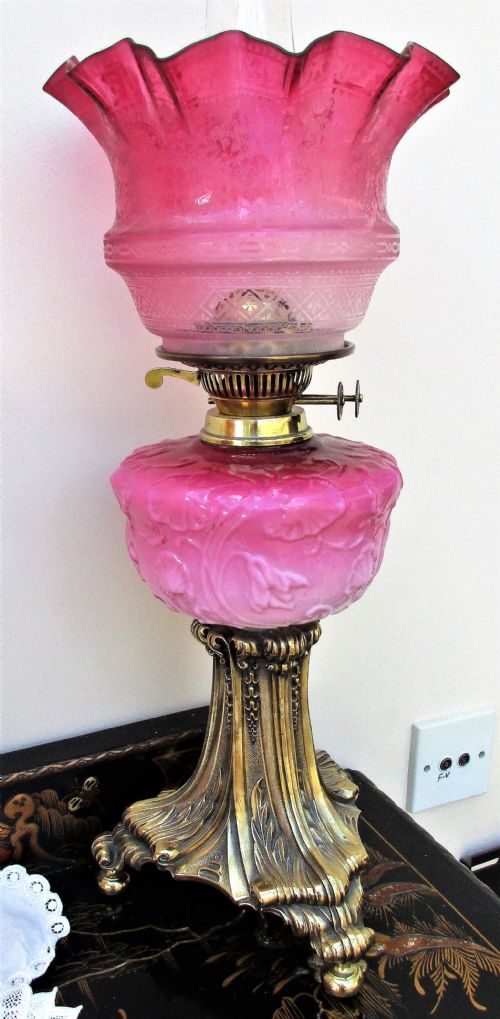
Glass components such as fonts, shades, and drops were hand-blown, moulded, or cut, incorporating decorative techniques like cranberry tinting and opaline layers.
Standard lamps and desk lights frequently featured mechanical adjustments, including telescopic height mechanisms and brass swivels or gimbals.
Listings feature brass combined with cranberry glass, cut glass, and opaline shades across nineteenth-century and Edwardian domestic lighting.
Assessing quality and manufacture
Superior examples display crisp casting detail in decorative elements such as ram heads, Corinthian capitals, and acanthus leaves, whereas lesser pieces show softer, worn tooling.
Weight and structural integrity distinguish the finest lamps, with thicker gauge brass and robust construction ensuring durability across columns and heavy bases.
The integration of maker signatures, patents, or specialised mechanisms like Hinks burners elevates a piece above standard domestic production.
W A S Benson·Taylor Tunnicliff·Messenger·GEC
The English Brass Lamp Glossary
- Ormolu
- Gilded bronze produced by applying a mercury and gold amalgam to cast bronze. This technique creates a rich, matte gold surface seen on finer nineteenth-century light fittings.
- Opaline glass
- An opaque white glass developed during the nineteenth century. It diffuses light softly and appears frequently in lamp shades and oil lamp reservoirs.
- Plafonnier
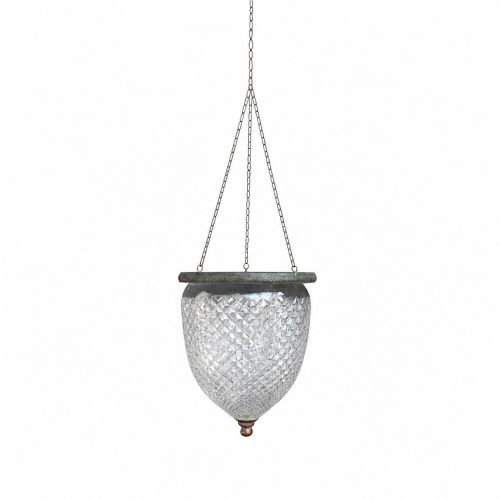
- A ceiling-mounted light fixture set flush or close to the ceiling. These often feature decorative cut glass bowls held by brass mounts.
- Gimbal
- A pivoted ring mounting that allows a lamp or compass to remain level regardless of its base's angle. This mechanism was popular on maritime and desk lighting.
- Bouillotte
- A type of adjustable-height table lamp featuring a central candle or bulb holder surrounded by a metal shade. The design originated in France for card players.
English Brass Lamp: Frequently Asked Questions
How do I convert an old oil lamp?
Conversion typically involves threading modern wiring through the existing burner collar without drilling into the original metal reservoir.
Retaining the original burner mechanism preserves the historical integrity of the piece while allowing safe electrical use.
Are these lamps PAT tested?
Many surviving metal lamps are professionally rewired and tested to meet modern electrical safety standards for domestic environments.
Rewiring ensures that vintage cloth-covered cords or aged internal components do not pose a hazard during everyday use.
How do I identify a Victorian lamp?
Victorian examples often display heavier cast brass components, elaborate column designs like Corinthian or ionic orders, and heavy weighted bases.
Maker marks stamped onto the brass gallery or thumbwheel provide definitive clues to nineteenth-century production dates.