




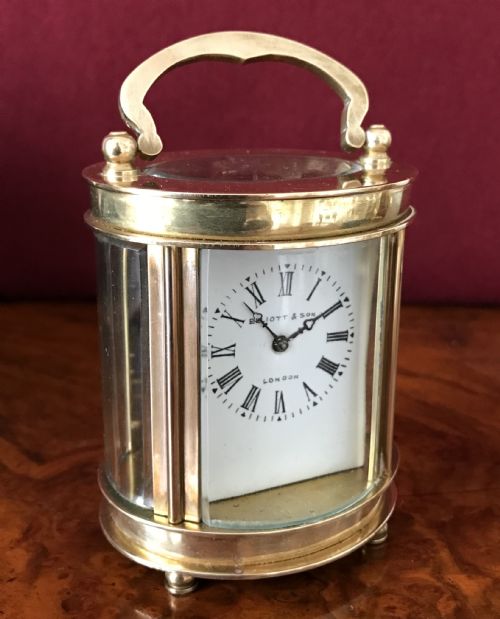


English Brass Clockwork
English brass clockwork combines visible mechanical movement with the warm gleam of metal, offering a functional piece of engineering for your interior.
English Brass Clockwork
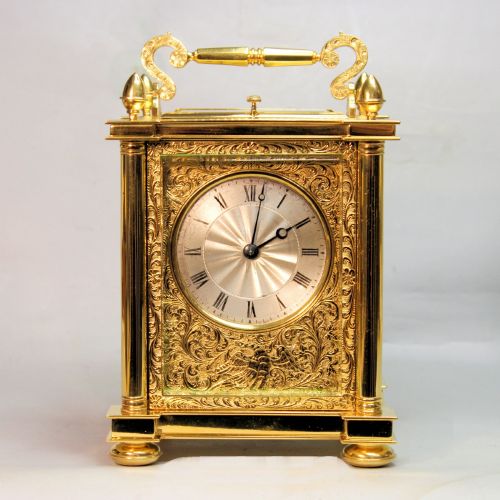
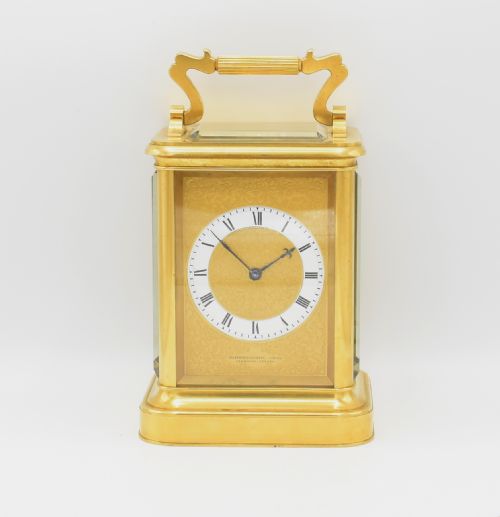
When you search for english brass clockwork, you are looking at a varied selection of antique timepieces and mechanical devices dating from the eighteenth century through to the twentieth century. These objects include carriage clocks, skeleton clocks under glass domes, wall dials, and domestic items like bottle spit jacks.
The pieces on this page span several distinct periods, with Victorian examples appearing frequently alongside Georgian and early twentieth-century designs. Form follows function closely across these items, whether you examine a bracket clock housed in mahogany or a wall clock with a fusee movement.
Makers and regional workshops from London, Birmingham, Manchester, and Norwich are represented within these listings. Buyers will encounter both grand domestic timekeepers and specialised mechanism parts, reflecting the depth of British horological history.
Materials and construction
Brass forms the primary structural and visual element for these mechanisms, often complemented by gilt brass or iron components. Enamel provides a durable and legible surface for clock dials, while glass domes protect delicate skeleton movements from dust.
Cabinetry in mahogany houses certain bracket and wall clocks, providing a robust wooden housing for the brass works. Wrought iron and marble appear in specific hearthware and accessory pieces, matching the industrial capabilities of the period.
Object types seen across the inventory include clocks, mantel clocks, wall clocks, fireplace accessories, hearthware, and clock dials.
Assessing quality
The sophistication of the mechanical movement determines much of the distinction across these pieces, particularly the presence of fusee mechanisms or quarter-striking complications. Six-spoke wheel work and complex skeleton designs demonstrate a higher level of horological ambition than standard movements.
Materials and casework further differentiate the range, from simple iron and brass constructions to finely polished mahogany housings and original glass domes. Signed examples bearing the names of established makers add significant historical interest to the item.
Cousens And Whiteside·Goldsmiths Alliance Ltd·John Linwood·Thwaites·Rudge·Piggin·E White
The English Brass Clockwork Glossary
- Fusee
- A conical pulley used on clocks and watches to maintain even tension on the mainspring as it unwinds. This mechanical addition helps ensure consistent timekeeping across the running period.
- Skeleton clock
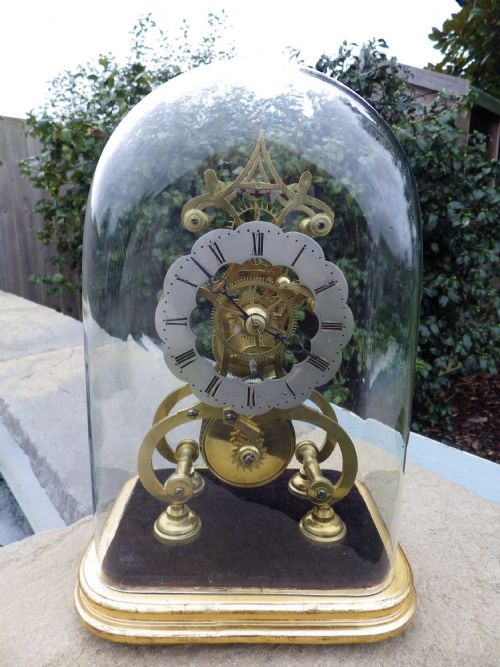
- A timepiece designed with an open framework that exposes the gear train and movement to view. These are frequently housed beneath glass domes to protect the delicate brass components.
- Bracket clock
- A portable table or shelf clock originating from the period when clocks were placed upon wall brackets. They often feature wooden cases such as mahogany.
- Drop dial clock
- A wall clock featuring a circular dial above a short trunk or drop box that houses the pendulum. This form became popular in public spaces and domestic halls during the Victorian era.
- Spit jack
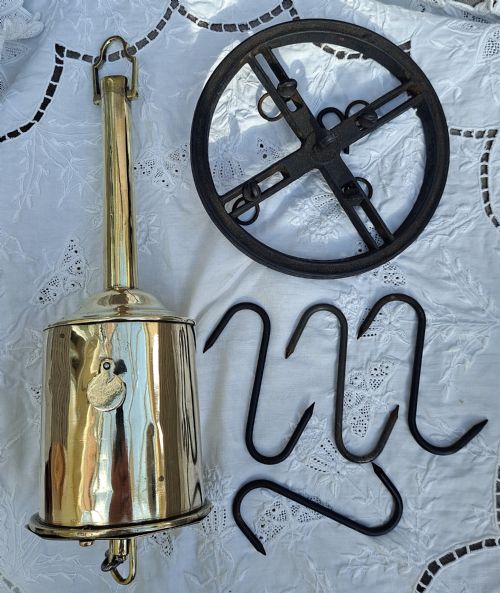
- A mechanical device driven by clockwork or weights used to rotate meat over an open hearth. These brass bottle-shaped mechanisms automated cooking before the advent of modern kitchen appliances.
English Brass Clockwork: Frequently Asked Questions
How do fusee clocks work?
A fusee clock uses a cone-shaped pulley connected to the mainspring by a cord or chain. As the spring unwinds and loses power, the leverage changes on the cone to keep the driving force constant.
This clever mechanical adjustment ensures the clock maintains steady timekeeping as the power reserve gradually depletes.
Where should I place a skeleton clock?
Skeleton clocks require a stable surface away from direct sunlight, excessive moisture, and heavy vibrations. Placing them on a mantelpiece or desk allows the exposed gear train to catch the light.
Because many retain their original glass domes, you must ensure the display area provides enough clearance to lift and replace the glass safely.
How do I identify a Victorian wall clock?
Victorian wall clocks often feature drop dial designs or fusee movements housed in timber frames. The dials typically display Roman numerals painted on enamel or metal surfaces.
Examining the internal brass plates and the style of the wooden case helps distinguish these nineteenth-century timepieces from earlier Georgian or later twentieth-century examples.
What was a brass bottle spit jack used for?
A brass bottle spit jack operated as an automated kitchen mechanism powered by clockwork springs. Cooks used them beside the hearth to rotate meat evenly over an open fire without manual turning.
These self-contained brass cylinders represent a fascinating domestic application of horological technology outside of traditional timekeeping.