



English Bedside Chest
These english bedside chest pieces combine practical storage with period charm, offering compact surfaces and drawers suited to traditional bedrooms.
English Bedside Chest
An english bedside chest serves as a functional small-scale storage unit placed beside a bed, taking forms such as bedside tables, cabinets, and compact chests of drawers. You will frequently encounter mahogany and oak examples reflecting Georgian, Victorian, and Art Deco design traditions.
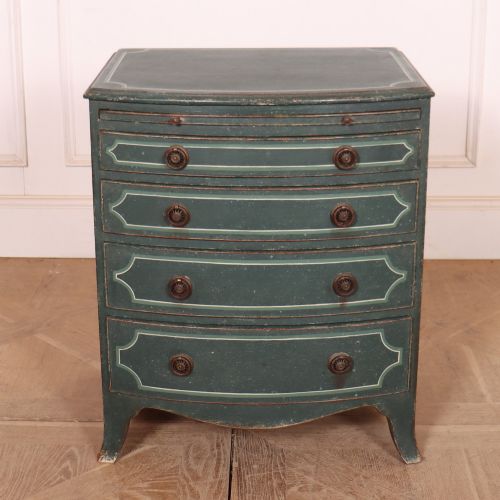
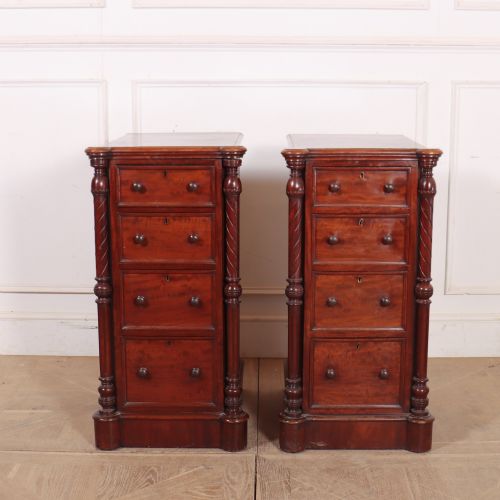
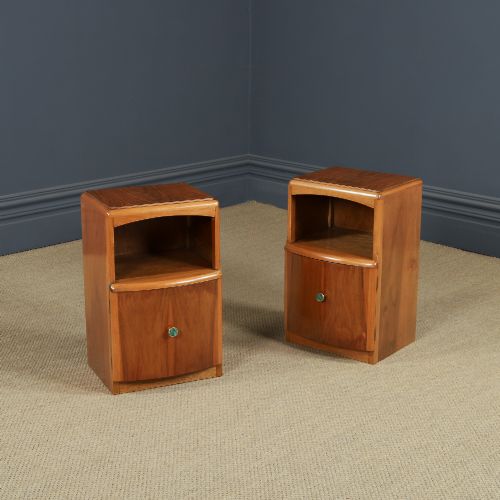
The selection ranges from tall nineteenth-century pedestal cupboards and pot cupboards to pairs of nineteen-thirties walnut nightstands and painted pine storage boxes. These pieces combine enclosed lower cupboards or drawers with flat upper surfaces intended for lamps and evening necessities.
Materials and construction
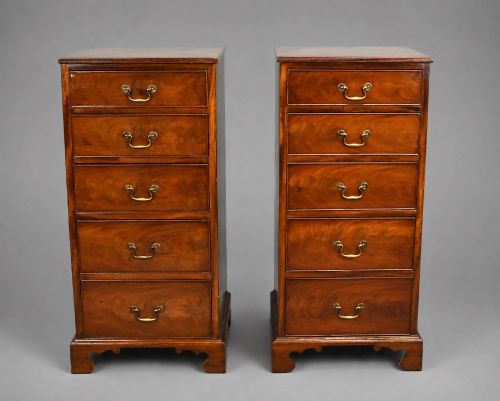
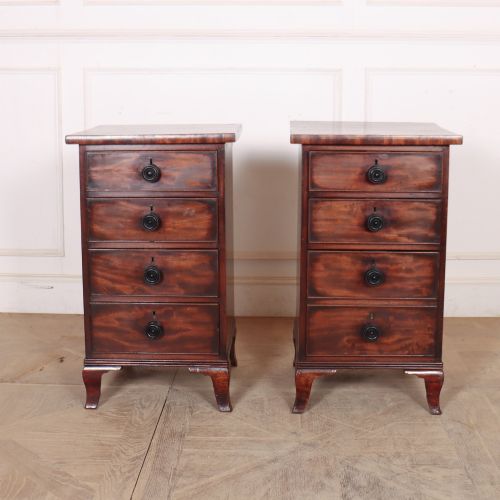
Cabinetmakers utilised dense timbers like mahogany, walnut, and oak, frequently applying figured wood veneers to enhance the visible grain of the surface. Secondary woods such as pine appear in carcass construction and interior framing.
Hardware additions typically involve brass handles, pulls, and hinges. Surface treatments range from clear polish displaying natural grain to simulated painted wood finishes and decorative painted schemes.
English Bedside Chest Retail Price Guide 2026
Typical asking prices for english bedside chest among the pieces listed under this phrase on Sellingantiques today, from the lower quarter to the upper quarter. They describe what is for sale here now, not the wider market.
Some historic bedside companions doubled as discreet night-time storage for chamber pots, keeping the cold midnight journey entirely optional.
Factors of quality
Superior examples demonstrate refined proportions, such as serpentine fronts or well-matched figured walnut and mahogany veneers. Finer pieces maintain original brass hardware, stable drawer construction, and intact decorative painted surfaces.
Construction methods distinguish standard utility pieces from high-status items, with better examples exhibiting precise joinery in the drawers and cabinetry. The choice of primary timber and the sophistication of the period styling set the upper tier apart from simpler painted or pine alternatives.
The English Bedside Chest Glossary
- Pot cupboard
- A small enclosed bedside cabinet historically designed to house a chamber pot. These feature a door concealing a shelved interior beneath a solid top.
- Pedestal cabinet
- A tall, narrow freestanding cupboard or chest designed to stand beside a bed. These often showcase figured mahogany veneers and substantial proportions.
- Simulated painted wood
- A decorative surface finish where paint is manipulated to imitate the grain and colour of more expensive timbers. This technique appears on nineteenth-century functional furniture.
- Serpentine front
- A furniture front curved with a convex centre flanked by concave ends. This shaping indicates sophisticated cabinetmaking, particularly seen on Georgian pieces.
English Bedside Chest: Frequently Asked Questions
What is an english bedside chest?
An english bedside chest is a compact storage item designed for use beside a bed, incorporating small drawers, cupboards, or open shelving.
These pieces emerged in various historical styles, ranging from Georgian mahogany cabinets to Art Deco walnut nightstands.
How were these chests used?
They functioned primarily to hold bedroom essentials, lighting, and personal items within arm's reach of the sleeping quarters.
Enclosed compartments also served to store chamber pots or nighttime utilities before modern plumbing became standard.
How do I style a bedside chest?
Pairing a period chest with simple contemporary lighting allows the antique timber grain and hardware to become a focal point.
Matching pairs provide symmetry in larger bedrooms, while single painted or figured pieces act as distinct accent tables.
How are different periods identified?
Georgian and Victorian examples typically display dense mahogany or oak construction with traditional joinery and brass hardware.
Twentieth-century pieces from the Art Deco era feature figured walnut veneers, clean geometric lines, and integrated open storage areas.