





English Baroque Artwork
English baroque artwork brings commanding portraiture and rich oils into a room, offering a tangible connection to the late seventeenth and early eighteenth centuries.
English Baroque Artwork
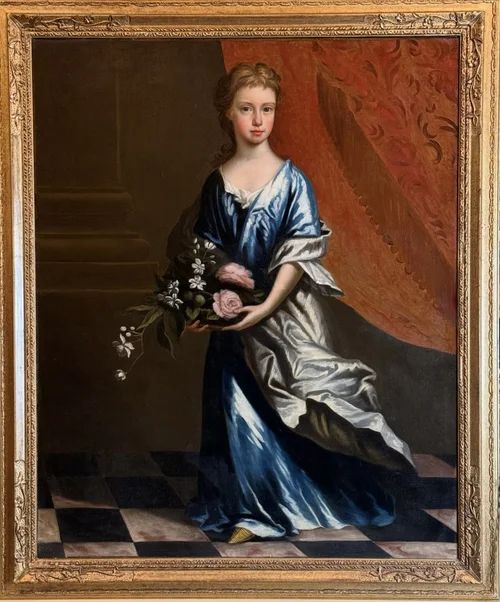
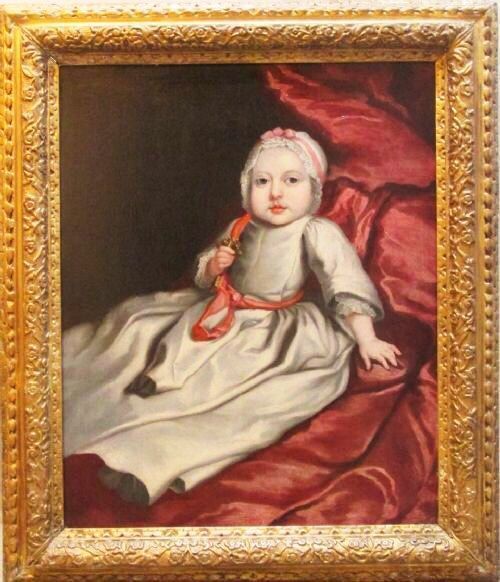
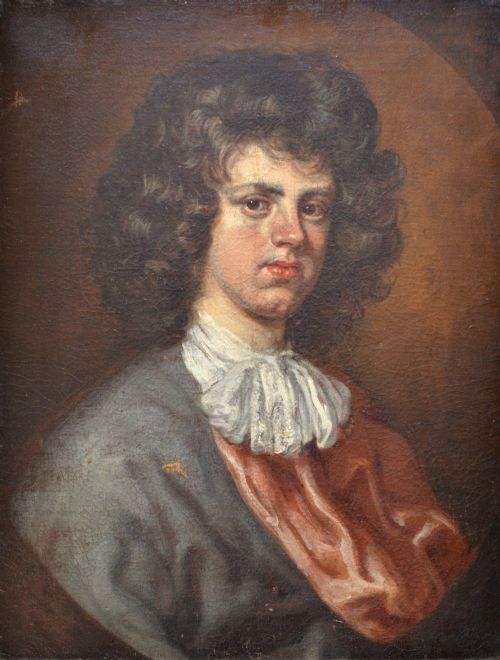
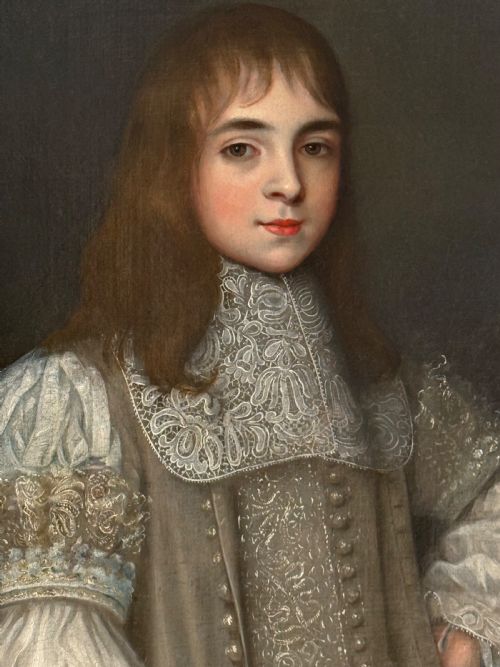
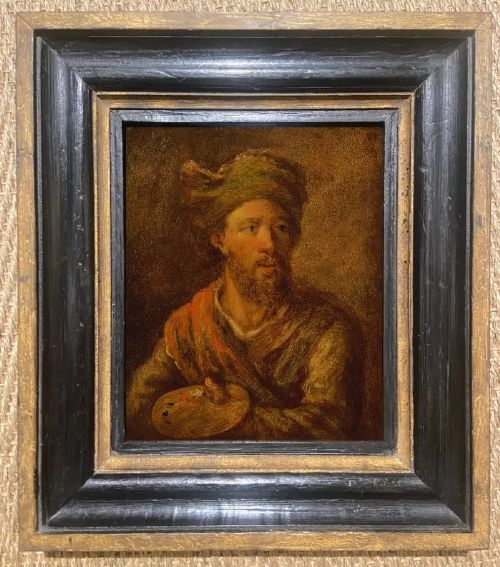
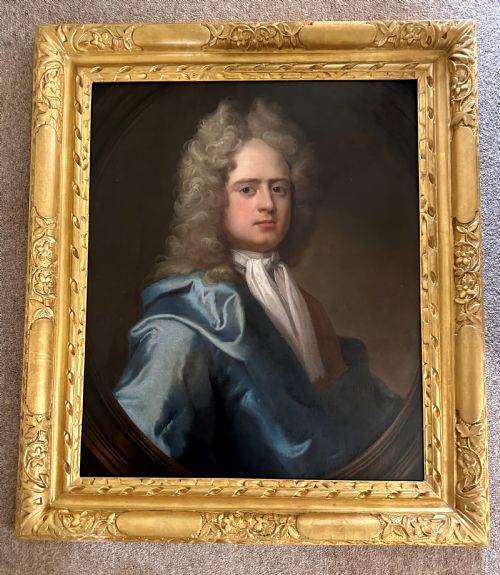
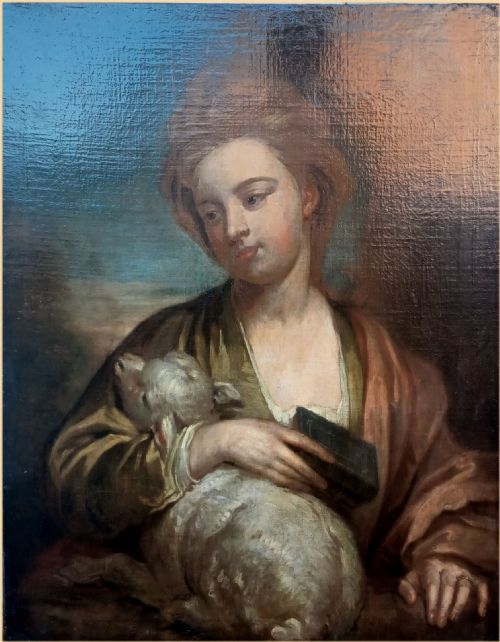
When you search for english baroque artwork, you are looking at oil paintings predominantly created in the seventeenth century and the eighteenth century. The selection on this page consists entirely of fine art paintings, with a strong emphasis on portrait painting from the restoration stuart and early georgian periods.
These works typically depict identifiable sitters, including lords, judges, dukes and ladies rendered in elaborate costume or silk gowns. You will encounter pieces attributed to major portraitists, their studios or their circle, capturing the formal posture and grandeur characteristic of british baroque aesthetics.
How they were made
The physical objects are executed in oil paint on canvas stretched over wooden supports, capturing deep tones and luminous fabrics through layered pigments. Artists utilised traditional brushwork to render fine details such as lace collars, ermine trimmings and garter robes.
Many surviving examples retain their original or period-appropriate gilded wood frames, known as giltwood, which complement the theatricality and presence of the oil on canvas imagery within british baroque composition.
Several ladies on this page choose to pose alongside exotic birds rather than traditional lapdogs.
What varies in quality
The distinction between a masterpiece and a lesser studio piece lies in the sureness of the handling, particularly in the rendering of hands, facial expression and textiles. Master hands achieve a convincing three-dimensional weight and psychological depth that mechanical studio replication often misses.
Condition and the extent of historical restoration also govern the quality of these works. Paintings that retain their original canvas weave and undisturbed paint layers present the visual power intended by the artist more successfully than those burdened by heavy overpaint.
Sir Godfrey Kneller·Mary Beale·Robert Byng·John Michael Wright·Trajan Hughes·Michael Dahl·John Greenhill·Thomas Murray·Sir Peter Lely·Henry Stone·John Riley·Daniel Mytens·John Verelst
The English Baroque Artwork Glossary
- Baroque
- A style of European art spanning the seventeenth and early eighteenth centuries characterised by drama, movement and rich detail. In english baroque artwork, this translates to commanding gaze, theatrical drapery and deep chiaroscuro.
- Giltwood
- Wood that has been coated with gold leaf or gold paint, frequently used for seventeenth and eighteenth century picture frames. The reflective surface enhances the richness of the oil painting it encloses.
- Studio of
- A designation indicating a work produced by assistants or pupils working under the direct supervision of a master artist. Such pieces often share the composition and style of the principal painter.
- Circle of
- A term used when an artist's work shows the clear influence and style of a named master without definitive proof of direct tutelage. It places the anonymous painter firmly within the contemporary workshop tradition.
- Chiaroscuro
- An artistic technique employing strong contrasts between light and dark to give subjects a sense of volume and dramatic focus. This method defines the sculptural modelling of faces and drapery in baroque portraits.
English Baroque Artwork: Frequently Asked Questions
What subjects appear in English baroque artwork?
The subjects are overwhelmingly human, focusing on portrait painting of nobility, judges, poets and family members. Sitters often pose in formal attire, military dress or silk gowns to project status and authority.
These canvases capture figures from the late seventeenth century and early eighteenth century, recording specific individuals alongside occasional allegorical guises such as saints or mythological characters.
How do I care for an antique oil painting?
Oil paintings on canvas require stable environmental conditions away from direct sunlight, extreme heat sources and high humidity. Maintaining a consistent indoor climate prevents the canvas from slackening and the paint layers from cracking.
Dust should be removed gently from the surface and frame using a soft, dry brush without applying pressure. Professional conservators should handle any cleaning or varnish removal.
How can I tell a studio piece from a master work?
Master works display exceptional confidence in brushwork, particularly in the nuanced modelling of hands, skin tones and fabric folds. The psychological presence of the sitter is usually stronger in an artist's own hand.
Studio pieces may exhibit slightly stiffer execution or formulaic background details completed by assistants. Both categories hold historical significance and reflect the working practices of the period.
Where should I hang a baroque portrait?
These works demand a prominent wall space where their scale and dark, rich palettes can command the room. They pair effectively with traditional architectural details, wood panelling and antique furnishings.
Avoid placing them on damp walls or directly opposite windows where glare obscures the dark oil pigments and reflective varnish.