

English Arts and Crafts
English arts and crafts pieces encompass solid oak furniture, hammered metalware and glazed ceramics from the late nineteenth and early twentieth centuries.
English Arts and Crafts
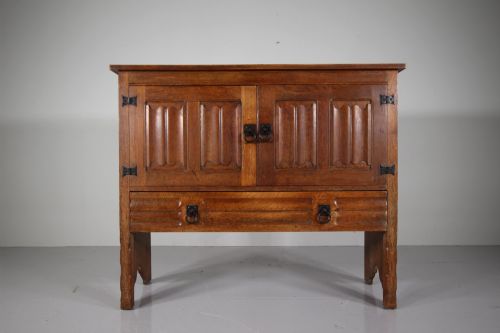
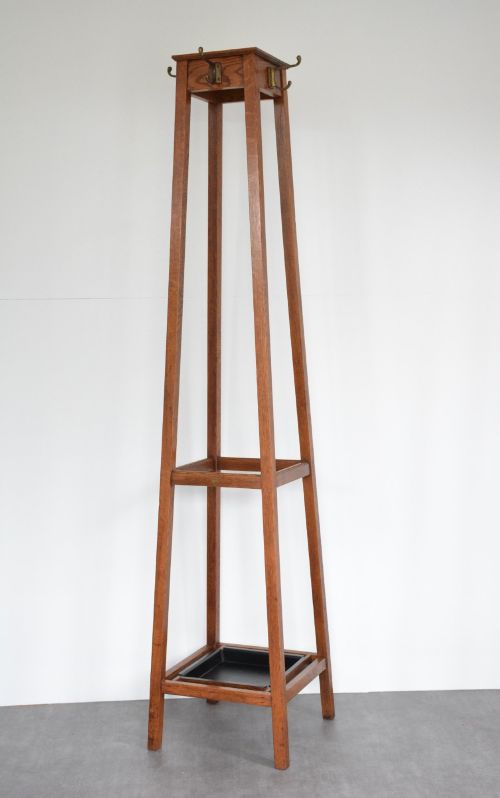
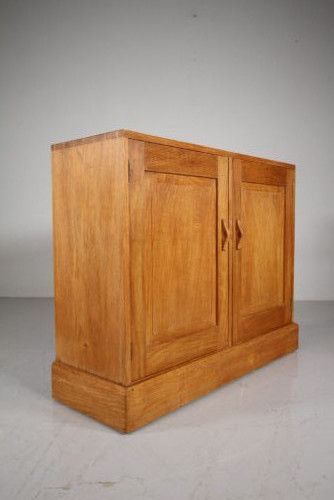
English arts and crafts items span domestic furniture, lighting and decorative ceramics produced from the late nineteenth century through to the interwar period. Buyers searching this phrase encounter substantial oak side tables, bookcases, armchairs and dressers alongside metalwork in brass, copper and pewter.
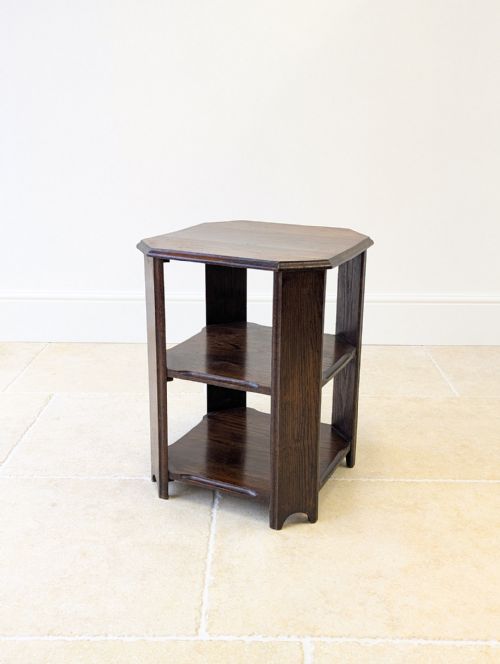
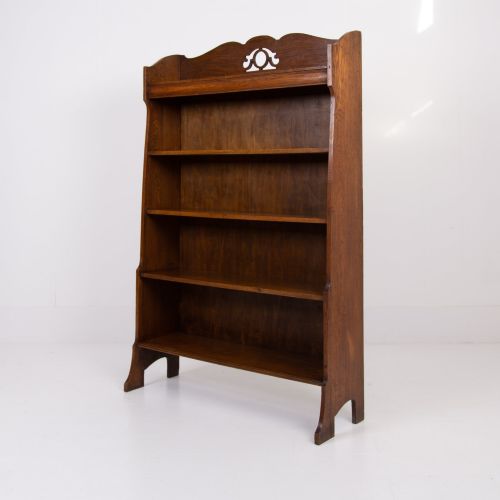
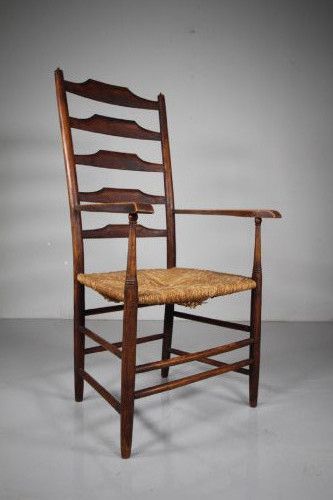
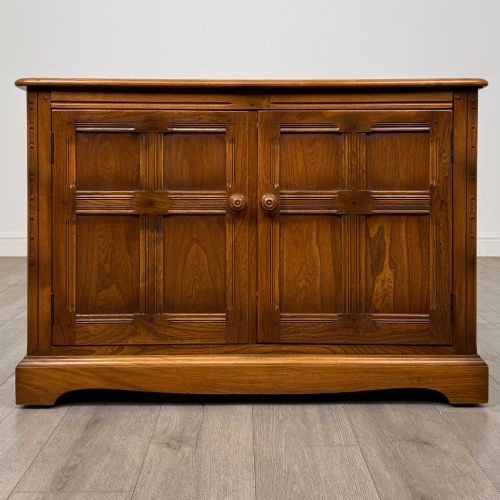
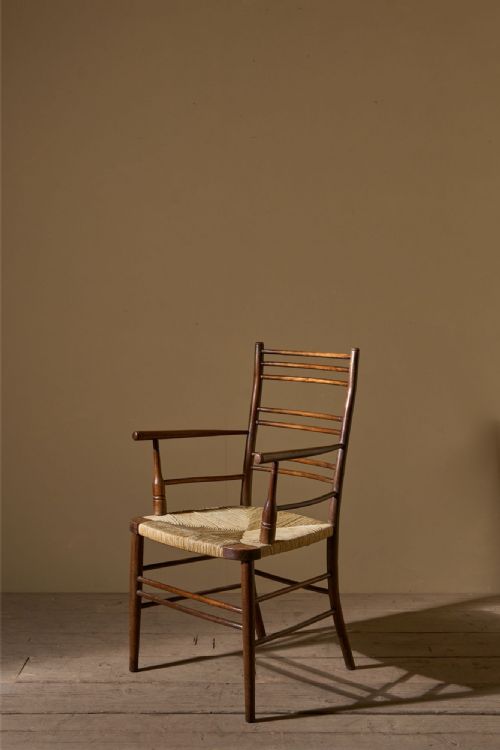
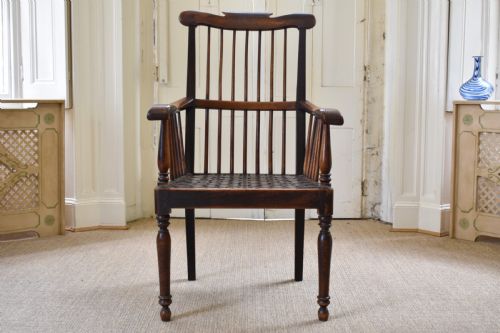
The dominant forms on this page reflect utility and honest construction, seen in open bookcases, sideboards and rush seat armchairs. Pieces emerge from workshops associated with the Cotswold school and commercial retailers such as Liberty and Co.
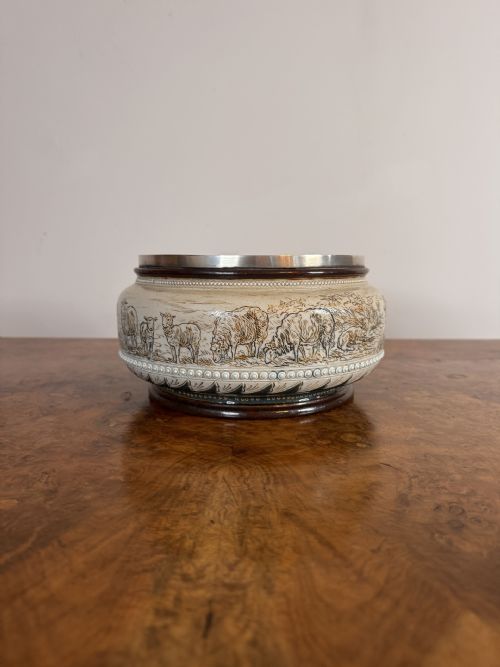
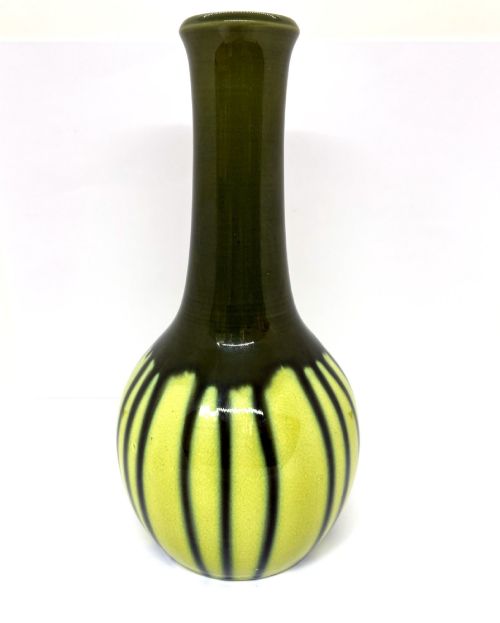
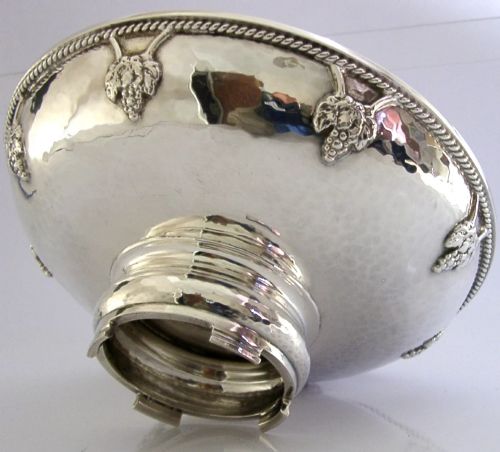
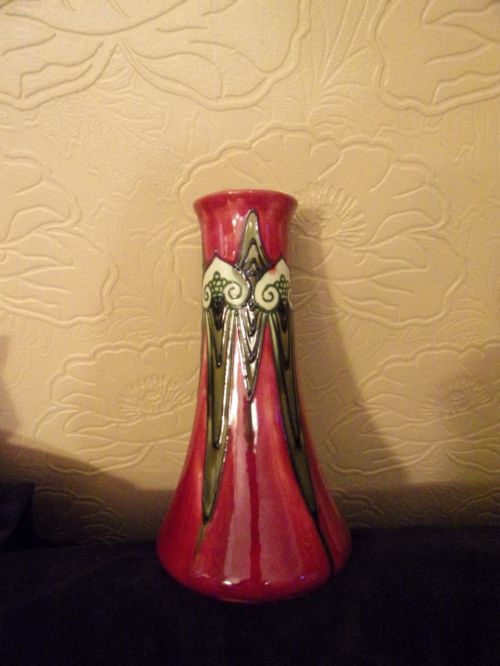
Smaller decorative elements include glazed earthenware vases, silver bowls with enamel details, and wrought iron firescreens. Oak remains the primary structural material for furniture, supported by walnut and regional timbers like laburnum and elm.
Materials and construction
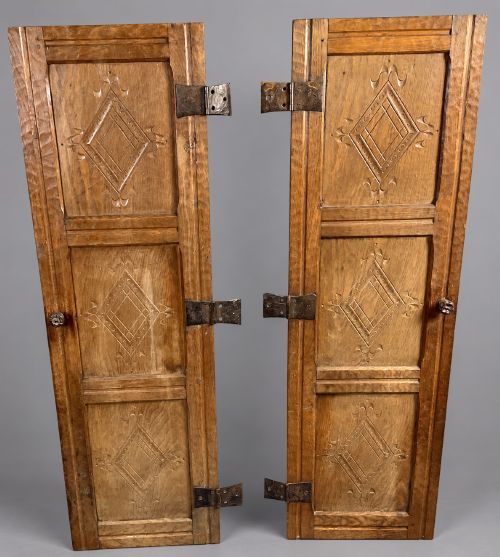
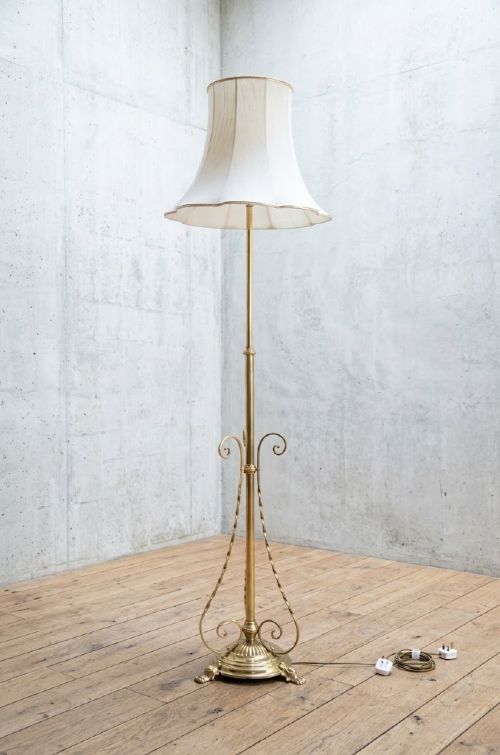
Makers utilised solid oak, walnut and regional hardwoods, joining components with visible pegged tenons and dovetails that emphasise structural integrity. Metalworkers shaped brass, copper and pewter by hand, leaving deliberate hammer marks on standard lamps, coal bins and bowls.
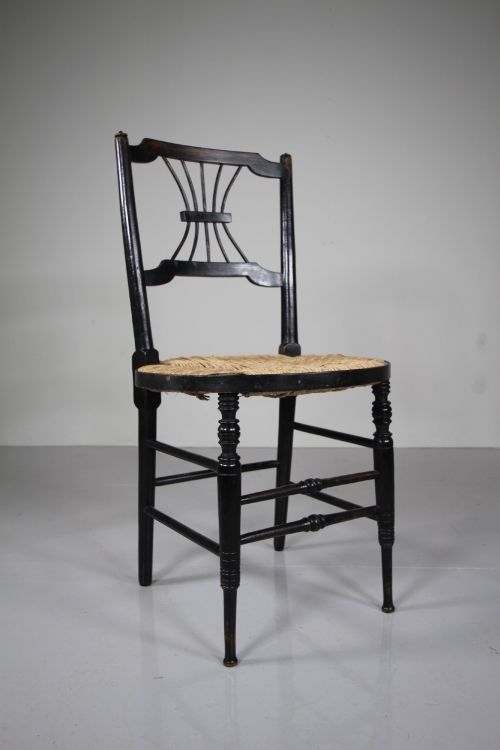
Ceramic objects demonstrate specialist glazing techniques, from tube-lined earthenware and salt-glazed stoneware to intarsio faience and celadon finishes. Wicker weaving and rush seating supply tactile contrast to the dense timber frameworks of armchairs and small tables.
English Arts and Crafts Retail Price Guide 2026
Typical asking prices for english arts and crafts among the pieces listed under this phrase on Sellingantiques today, from the lower quarter to the upper quarter. They describe what is for sale here now, not the wider market.
Listings feature oak, brass, earthenware, pewter, iron and glass across periods from the 1880s to the 1930s.
Assessing quality and origin
Quality rests in the direct evidence of maker attribution, legible stamps or signatures, and the restraint of decorative carving. Pieces bearing marks from recognised designers or specific workshops command greater attention than unassigned vernacular examples.
Superior examples display careful timber selection, such as golden oak or pale walnut, paired with balanced proportions and original hardware. Poorer versions rely on heavy machine styling without the thoughtful joinery characteristic of the movement.
A E Jones·Edward Barnsley·Philip Clissett·Astrola·Dryad of Leicester·Liberty and Co·William Hutton and sons·Archibald Knox·Oliver Baker·Stanley Webb Davies·William Soutter and Sons·Hubert Simpson·Alice Euphemia Thatcher·Florence E Barlow
The English Arts and Crafts Glossary
- Tube-lined
- A ceramic decoration technique where clay slip is squeezed through a nozzle onto the body to form raised outlines before glazing.
- Tudric
- The trade name used by Liberty and Co for their range of pewterware, often featuring stylized botanical motifs and cabochons.
- Faience
- Tin-glazed earthenware popular in decorative vases and architectural tiles during the late nineteenth century.
- Rush seat
- Woven seating material made from dried marsh rushes, commonly found on ladder-back and vernacular armchairs.
- Tyg
- A large drinking vessel with multiple handles, frequently produced in stoneware during the Victorian period.
English Arts and Crafts: Frequently Asked Questions
What defines english arts and crafts furniture?
English arts and crafts furniture relies on solid timbers like oak and walnut, featuring visible joinery such as pegged mortise and tenon joints. Construction prioritises honest utility over applied surface ornament.
Designs draw inspiration from vernacular traditions, resulting in robust bookcases, dressers and armchairs built to last generations.
How do I identify liberty tudric pewter?
Liberty tudric pewter pieces typically display stamped model numbers and manufacturer marks on the base. They often incorporate stylised organic motifs and coloured glass cabochons.
The metal exhibits a distinctive dark finish and hand-hammered surface textures characteristic of early twentieth-century metalworking guilds.
Are these items made from solid oak?
The furniture listings primarily feature solid golden or brown oak, occasionally complemented by regional hardwoods like elm, laburnum and pale walnut. Construction avoids modern veneers in favour of heavy timber planks.
This commitment to natural materials gives tables, cupboards and settles their substantial weight and enduring stability.
How should I care for antique oak?
Antique oak benefits from occasional applications of natural beeswax to nourish the timber and maintain a soft sheen. Avoid placing wooden pieces near direct heat sources or strong sunlight.
Dusting with a dry, soft cloth preserves the original finish without stripping the historical patina built up over decades.