

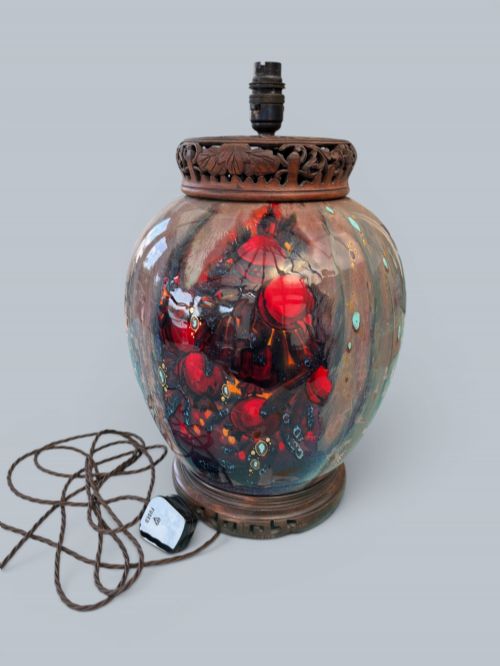
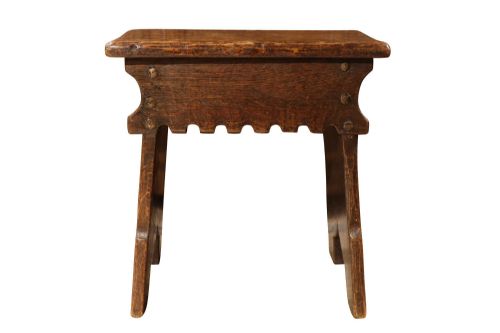


English Arts and Crafts Wood
English arts and crafts wood brings honest construction and simple forms into a room, offering tactile seating, tables and decorative pieces made to last.
English Arts and Crafts Wood
When searching for English arts and crafts wood, a buyer encounters sturdy seating, small tables and turned treen created during the late nineteenth and early twentieth centuries. These pieces reflect a movement that valued hand-working and regional traditions over mass production.
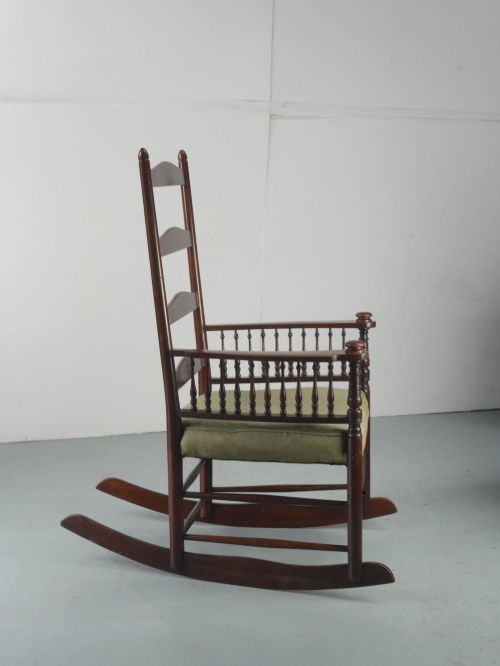
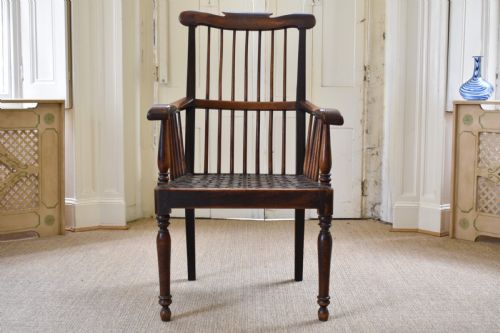
The most frequent examples on this page are armchairs and stools featuring natural timber and woven seating. Pieces draw heavily on vernacular traditions, combining utility with straightforward design.
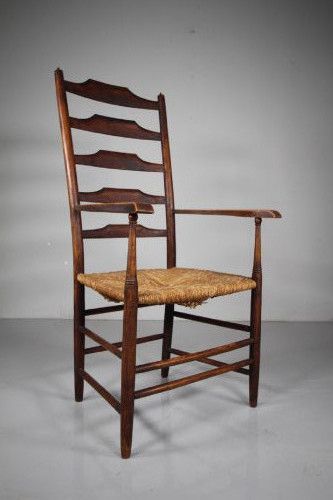
Forms range from ladderback armchairs and five-plank stools to side tables and turned wooden goblets. Each object shows the distinct character of its maker and materials.
Materials and Construction
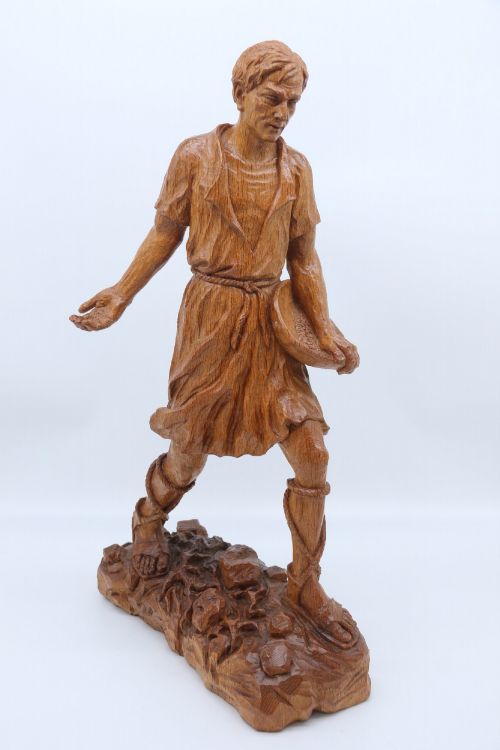
Makers utilised native timbers such as oak, ash wood, laburnum and elm, selecting each for its grain and strength. These woods were shaped using traditional hand-working techniques rather than industrial machinery.
Seating often incorporates natural rush for seats, whilst structural joints rely on pegged construction. Turned elements appear in treen and chair components, demonstrating skilled lathe work.
English Arts and Crafts Wood Retail Price Guide 2026
Typical asking prices for english arts and crafts wood among the pieces listed under this phrase on Sellingantiques today, from the lower quarter to the upper quarter. They describe what is for sale here now, not the wider market.
Current listings feature oak, ash wood, laburnum, elm and natural rush across the nineteenth and early twentieth centuries.
Judging Quality and Character
Quality rests in the harmony of proportions and the integrity of the joinery. A well-made piece displays considered grain selection and balanced construction that feels entirely natural to the form.
Surface finish also dictates distinction, where preserved patination on oak or laburnum enhances the tactile presence of the object. Detail in hand-carved elements or turnery separates standard utility items from finer examples.
Philip Clissett·Moorcroft·E W Godwin
The English Arts and Crafts Wood Glossary
- Pegged construction
- A method of joining wooden components using tight-fitting wooden pegs rather than metal nails or screws. This traditional technique allows timber to move naturally with changes in humidity.
- Rush seating
- Seats woven from natural marsh grasses placed around a wooden frame. This technique yields a resilient, textured surface commonly found on vernacular chairs.
- Treen
- Small handmade wooden household objects such as goblets and turned vessels. These items combine practical utility with decorative woodturning.
- Ladderback
- A chair style featuring horizontal slats between the rear upright posts. The design provides strong back support through simple wooden construction.
English Arts and Crafts Wood: Frequently Asked Questions
What defines English arts and crafts wood?
These pieces are defined by plain construction, exposed joinery and an emphasis on natural materials. They reject industrial ornamentation in favour of honest utility and traditional craftsmanship.
Craftsmen drew inspiration from vernacular traditions, creating robust furniture and decorative objects designed for everyday use in homes.
How do I identify a pegged construction?
Pegged construction involves visible wooden dowels securing the joints of a table or stool. These pegs sit flush or slightly proud of the surrounding timber.
This method maintains structural stability without relying on modern adhesives or metal fasteners, ensuring the piece remains serviceable over generations.
Where should I place these pieces?
These items suit hallways, living rooms and studies where their tactile wooden surfaces can be appreciated. A small side table or stool works well beside a chair.
Avoid placing timber furniture in direct sunlight or beside heat sources, as extreme temperature shifts can dry out the natural wood.
What is rush seating?
Rush seating uses dried marsh grass twisted into cords and woven tightly across a chair frame. This creates a supportive, flexible surface for sitting.
To care for rush, keep it dry and clean it gently with a soft brush to remove dust from the woven strands.