


English Art Furniture
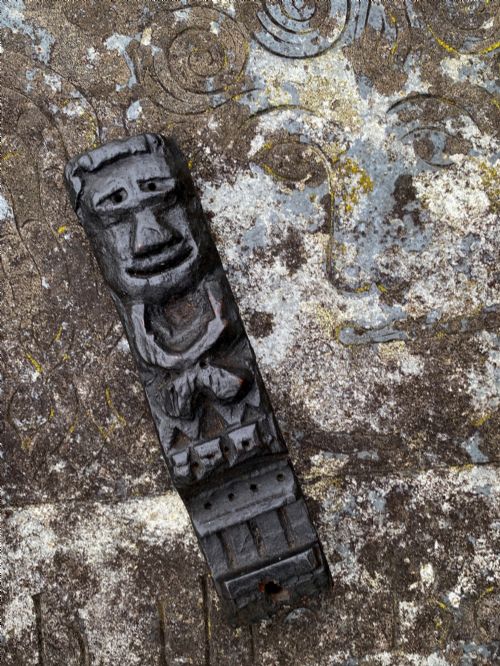
English art furniture encompasses diverse domestic pieces spanning centuries, from sixteenth-century oak carvings to modernist 1930s walnut desks, offering distinct craftsmanship for the discerning interior.
English Art Furniture
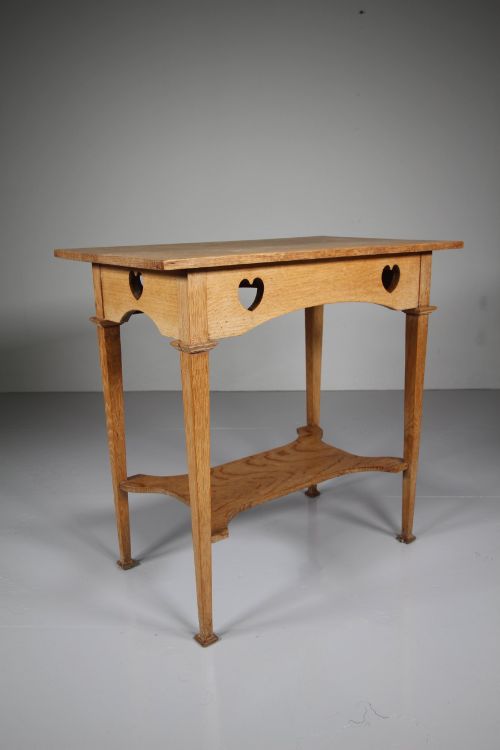
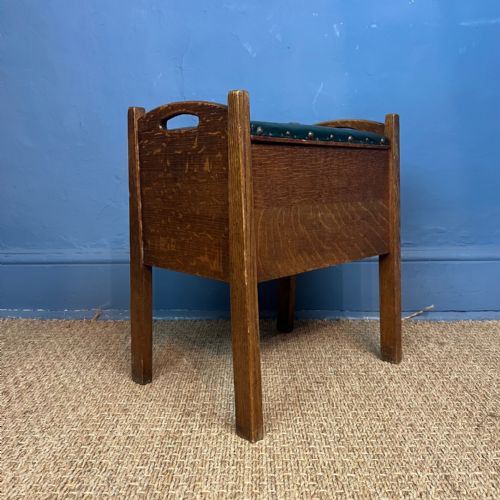
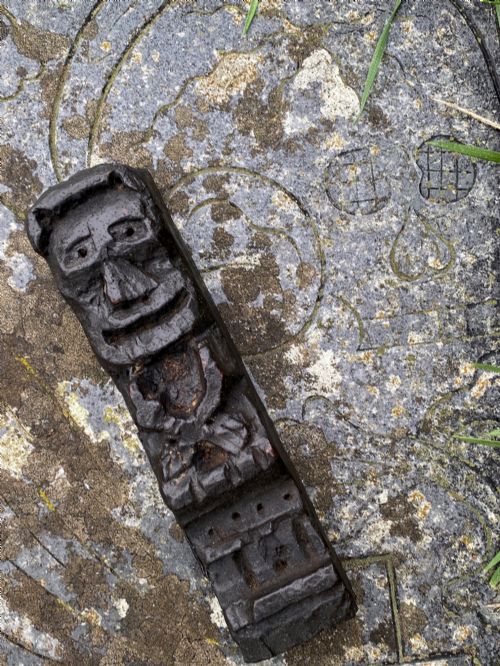
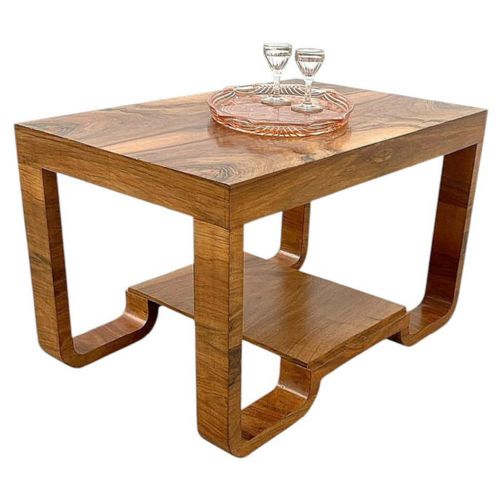
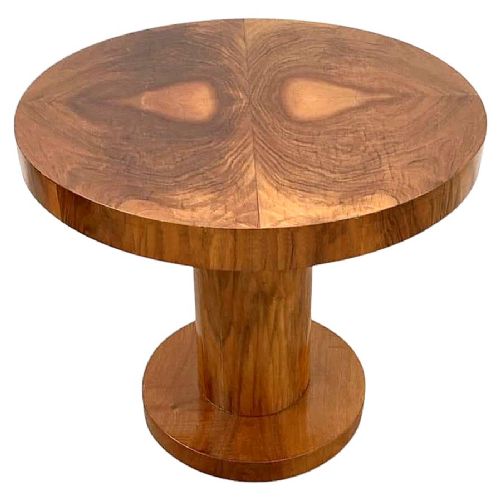
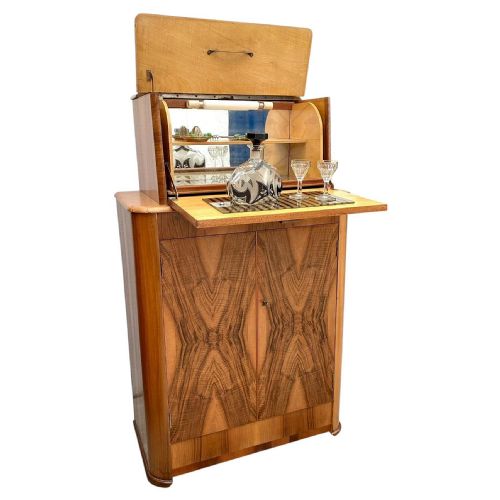
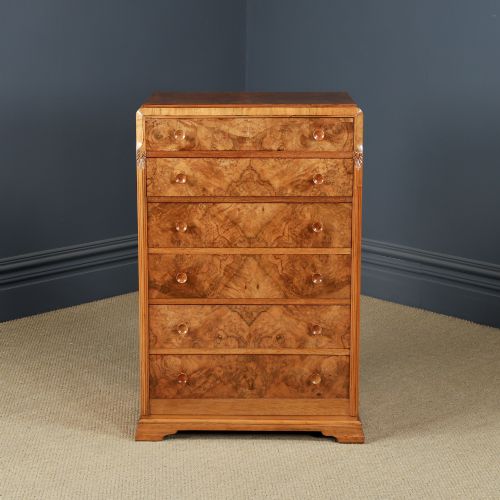
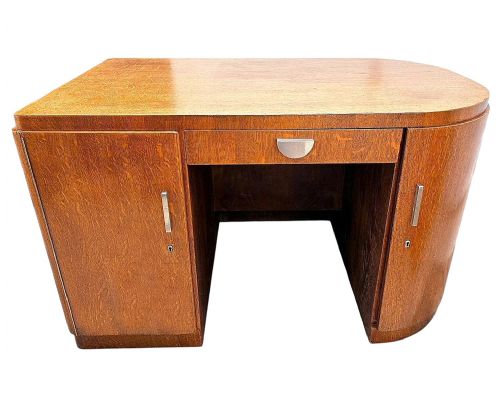
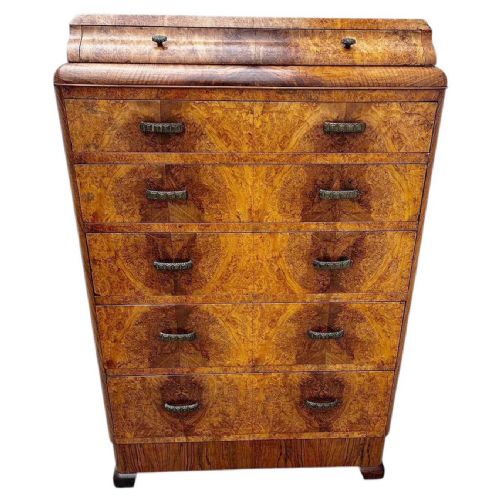
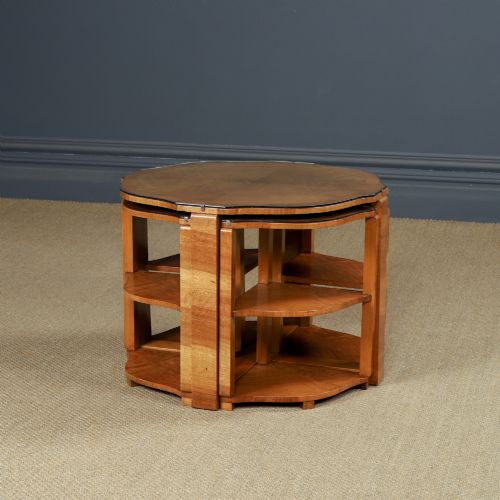
When browsing english art furniture, collectors encounter a wide chronological spread ranging from sixteenth-century oak fragments and nineteenth-century country armchairs to robust Edwardian cupboards and sleek 1930s modernist pieces. The largest group on this page belongs to the Art Deco era, particularly tables, desks, and cocktail cabinets executed in figured walnut, burr walnut, and blonde oak.
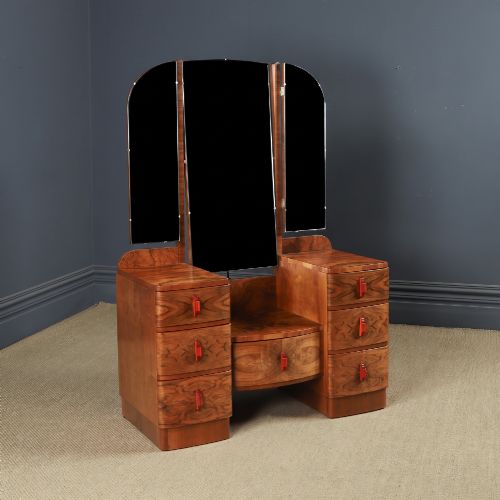
Forms span practical daily utilities such as chests of drawers, dressing tables, armchairs, and nests of tables alongside specialist items like display vitrines and bar carts. Alongside twentieth-century modernism, makers worked within Arts and Crafts, Art Nouveau, and Tudor Folk Art idioms using regional timbers.
Materials and construction methods
Timbers dominate the evidence, with oak, walnut, burr walnut, laburnum, elm, satinwood, maple, and wicker forming the primary structural and decorative surfaces. Cabinetmakers exploited the natural grain patterns of figured veneers, pairing polished wood with glass, brass hardware, leather upholstery, iron, and chrome detailing.
Construction techniques shift according to period, transitioning from heavy jointed sixteenth-century oak carvings and pegged country furniture to steam-bent wickerwork, meticulous marquetry, and streamlined geometric cabinetry characteristic of the 1930s.
English Art Furniture Retail Price Guide 2026
Typical asking prices for english art furniture among the pieces listed under this phrase on Sellingantiques today, from the lower quarter to the upper quarter. They describe what is for sale here now, not the wider market.
Listings feature items spanning the 16th century through to the 1950s, with a heavy concentration of 1930s Art Deco walnut furniture.
Evaluating standard and design execution
Superior examples of english art furniture display deliberate grain selection in veneers like burr walnut and birds-eye maple, ensuring symmetry and visual depth across large surfaces such as tabletops and drawer fronts. Lesser pieces rely on uniform commercial timber without the careful matching seen in workshop productions.
Attribution to documented makers or specific retail houses elevates desirability, while standard commercial iterations lack the distinct modernist lines, integrated chrome accents, or bespoke hardware found on pieces by leading firms.
Liberty·Dryad of Leicester·Waring and Gillow·Stanley Webb Davies·Hubert Simpson·Harry and Lou Epstein·Hille Furniture Company·Heals of London·Robert Mouseman Thompson
The English Art Furniture Glossary
- Burr walnut
- A figured wood grain derived from the wart-like growths on walnut trees, prized for its swirling patterns on cabinet doors and tabletops.
- Vitrine
- A glass-fronted display cabinet used for exhibiting porcelain and decorative objects, often constructed in walnut during the Art Deco period.
- Nest of tables
- A set of graduated tables designed to fit neatly beneath one another when not in use, common in twentieth-century modernist design.
- Bureau
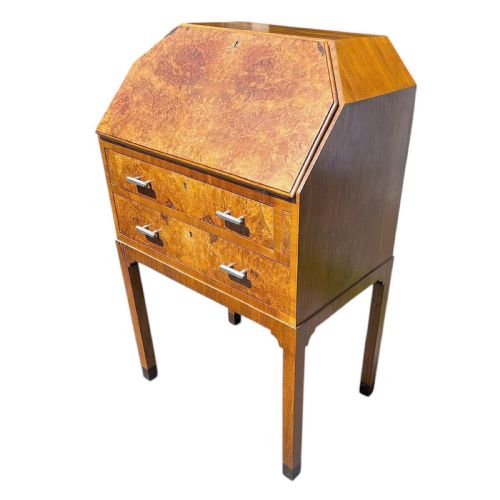
- A desk featuring a sloping hinged flap that opens to reveal a writing surface and small compartment drawers inside.
- Cocktail cabinet
- A dedicated drinks storage unit, frequently mirrored inside with glass shelves, popular during the 1930s for home entertaining.
English Art Furniture: Frequently Asked Questions
What defines english art furniture?
These pieces represent decorative and utilitarian objects made in England across various historical periods, with a strong emphasis on twentieth-century modernist design and earlier vernacular traditions.
They combine functional domestic utility with distinct artistic movements, ranging from Arts and Crafts oak to streamlined Art Deco walnut.
How do I date a walnut cocktail cabinet?
Cabinet construction, hardware, and veneer styles provide the primary chronological clues for dating these drinks furniture pieces.
Most walnut examples on record date from the 1930s, featuring characteristic geometric veneers, chrome handles, and fitted mirrored interiors typical of Art Deco design.
Where were wicker tables made?
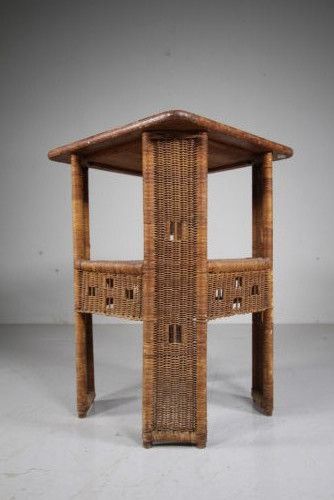
Certain wicker pieces originate from specialised regional workshops such as Dryad of Leicester, known for pioneering modernist woven furniture in England during the early twentieth century.
These items utilise sturdy natural materials worked into practical frames for domestic interior use.
Can I use an antique desk daily?
These writing desks and bureaus were built for rigorous daily administration using solid regional timbers like oak and walnut.
Proper maintenance and gentle cleaning allow them to function as practical workspace furniture within modern rooms.