


English Art Deco
English art deco brings geometric clarity and rich timbers to domestic spaces through walnut furniture, silver tablewares and ceramic display pieces.
English Art Deco
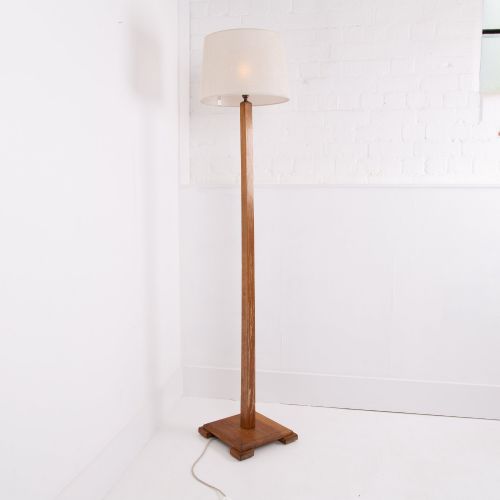
English art deco encompasses furnishings, clocks and decorative objects produced primarily during the interwar years, dominated by the aesthetic shifts of the 1930s. Buyers seeking pieces from this era encounter substantial walnut cabinetry, streamlined silver smoking accessories and distinctive ceramics.
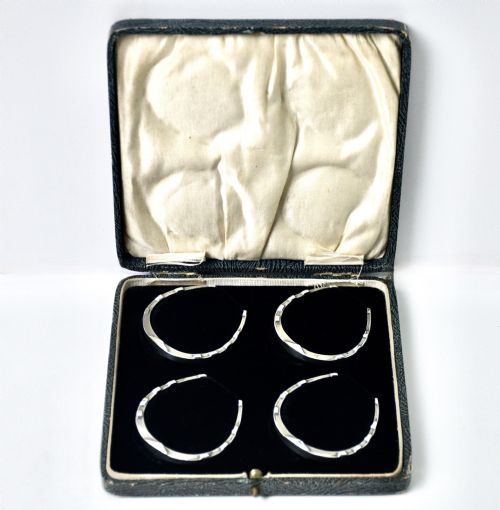
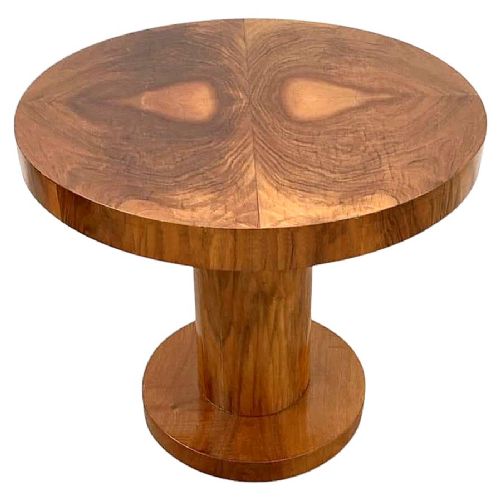
The objects span large bedroom wardrobes and writing desks down to small trinket boxes, napkin rings and wall clocks. Walnut dominates the furniture selections, appearing in figured, burr and blond varieties across dressers, bedside cabinets and nests of tables.
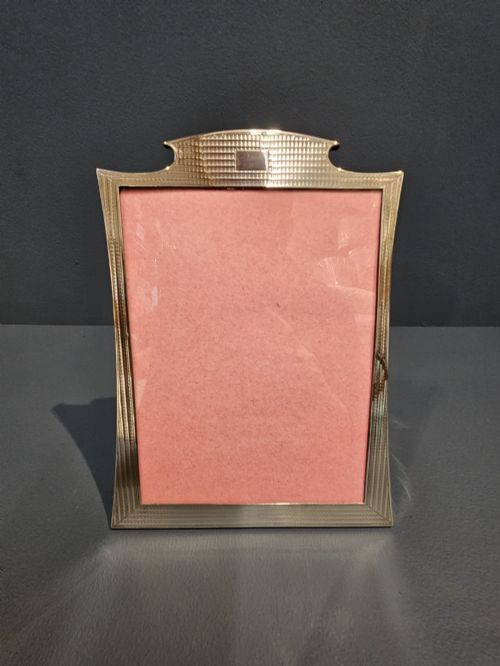
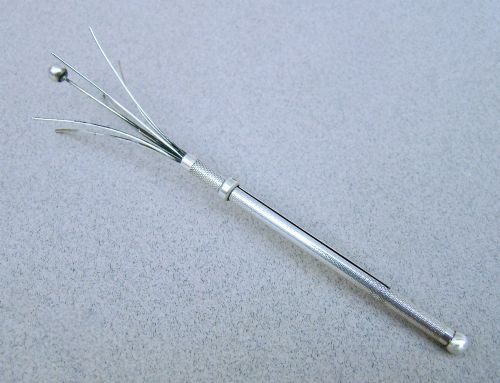
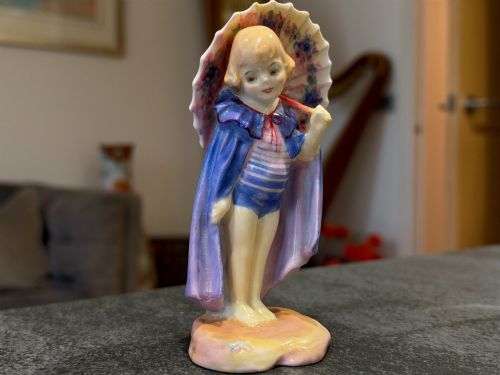
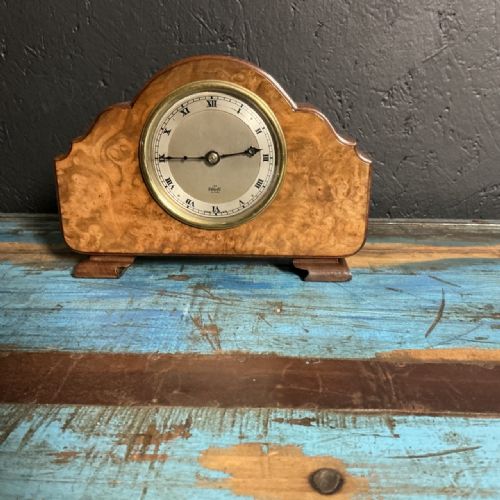
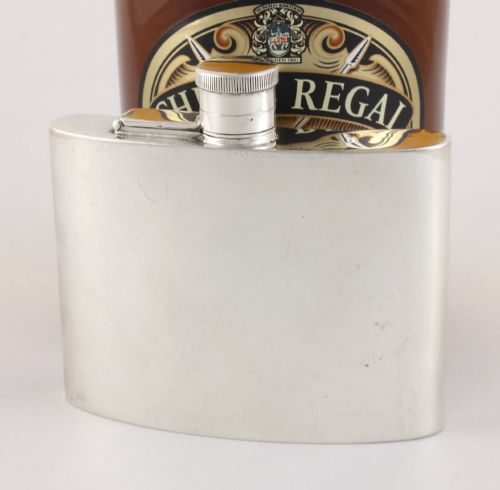
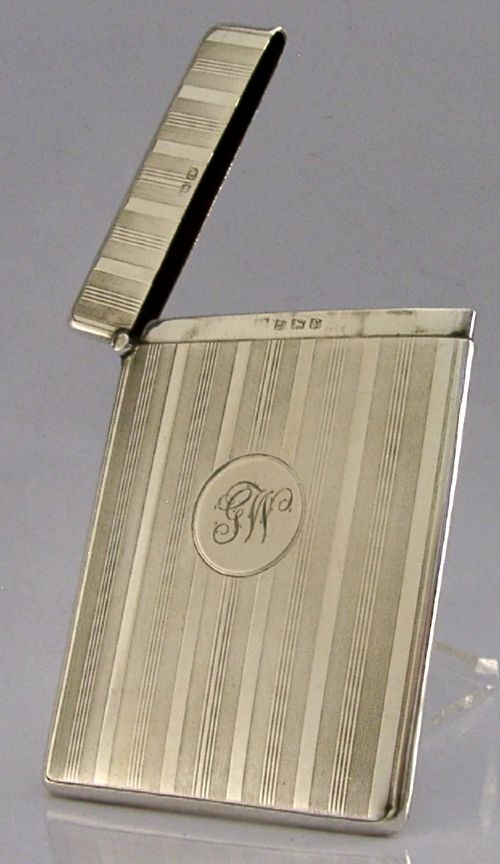
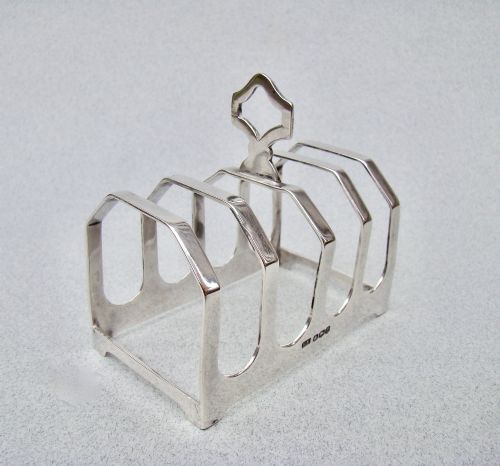
Silver items take the form of ashtrays, sugar bowls, letter openers and cigarette cases, often carrying hallmarks from the late 1920s and 1930s. Alongside these sit porcelain figurines, glass vases and Bakelite timepieces that capture the industrial styling of the period.
Materials and Construction
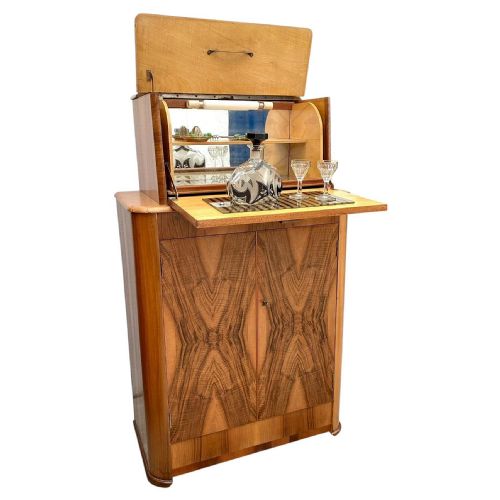
Cabinet makers utilised native and imported timbers, laying figured and burr walnut veneers over solid carcases to achieve dramatic grain patterns on wardrobes, desks and coffee tables. Glass and crystal components received decorative treatments like black cane work or skyscraper silhouettes.
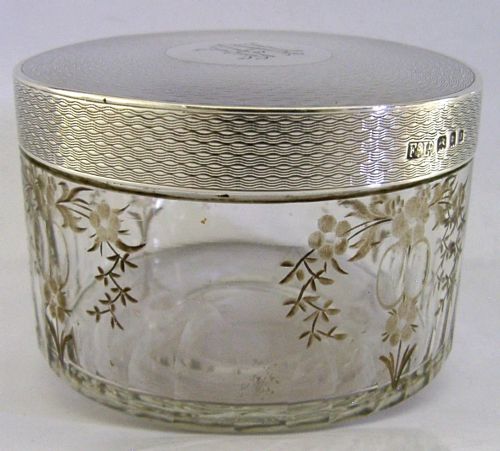
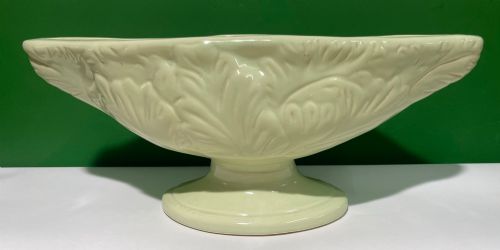
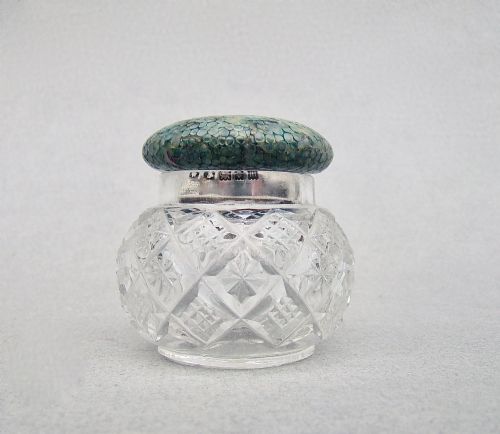
Silversmiths shaped sterling silver into hollowware and table accessories, occasionally combining the metal with guilloché enamel or appointing makers such as Walker & Hall and Mappin & Webb. Ceramics and porcelain underwent specialised glazing processes, seen in bone china figurines and lustre vases.
English Art Deco Retail Price Guide 2026
Typical asking prices for english art deco among the pieces listed under this phrase on Sellingantiques today, from the lower quarter to the upper quarter. They describe what is for sale here now, not the wider market.
Some dining tables might be missing their leaves, but at least an elephant footstool keeps a firm footing in the room.
Factors of Quality
Quality in these items rests upon the selection of timber veneers and the precision of the joinery on case pieces like chests of drawers and tallboys. Burr and figured walnut displays distinct, deliberate grain matching across drawer fronts and cabinet doors rather than random patterning.
In silver and enamel pieces, the refinement lies in the crispness of the hallmarks, the weight of the metal and the intact preservation of applied enamel work. Ceramic pieces depend on the clarity of the glaze application and the definition moulded into figurines and vases.
Walker & Hall·Mappin & Webb·Richard Comyns·Royal Doulton·Moorcroft
The English Art Deco Glossary
- Burr walnut
- A prized timber harvested from walnut tree growths, yielding intricate, swirling grain patterns used extensively for veneer on high-end furniture. It creates a highly decorative surface on cabinet doors and tabletops.
- Guilloché enamel
- A decorative technique where a precise geometric pattern is mechanised into a metal surface and covered with translucent enamel. This finish often appears on silver letter openers and compacts.
- Bakelite
- An early form of synthetic plastic utilised for durable household objects, particularly wall clocks and desk items during the interwar period. It holds a distinct place in industrial design history.
- Sterling silver
- An alloy containing ninety-two point five percent silver by mass, standard for British tableware, cigarette cases and napkin rings. Hallmarks stamped into the metal verify the assay office and year of production.
English Art Deco: Frequently Asked Questions
How do I identify genuine English art deco furniture?
Authentic pieces typically feature distinctive geometric silhouettes executed in figured or burr walnut veneers, dating from the interwar decades around nineteen thirty.
Examine the internal construction and drawer linings, as period pieces use traditional joinery alongside contemporary modernist design principles.
What silver items were common in this era?
Silversmiths produced various tablewares including cigarette boxes, sugar bowls, ashtrays and napkin rings, frequently bearing Birmingham or London hallmarks.
Many pieces incorporate decorative elements like guilloché enamel or clean modernist handles reflecting the tastes of the nineteen twenties and thirties.
How should I care for walnut veneer furniture?
Protect antique walnut surfaces from direct sunlight and extreme humidity fluctuations to prevent the delicate burr veneers from cracking or lifting.
Clean gently with a soft, dry cloth and avoid silicone-based polishes that can degrade the historic finish over time.