
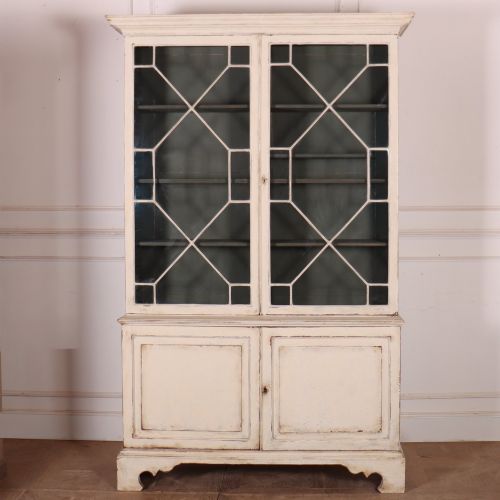
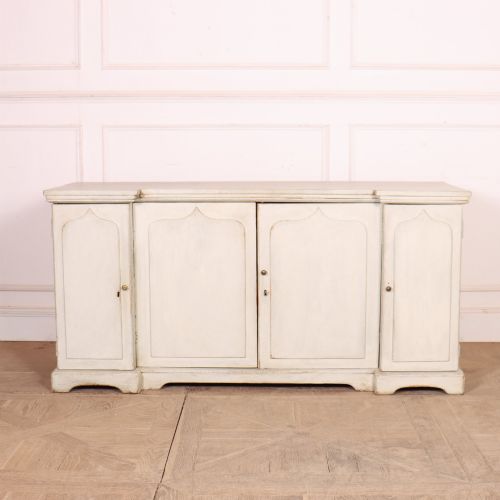
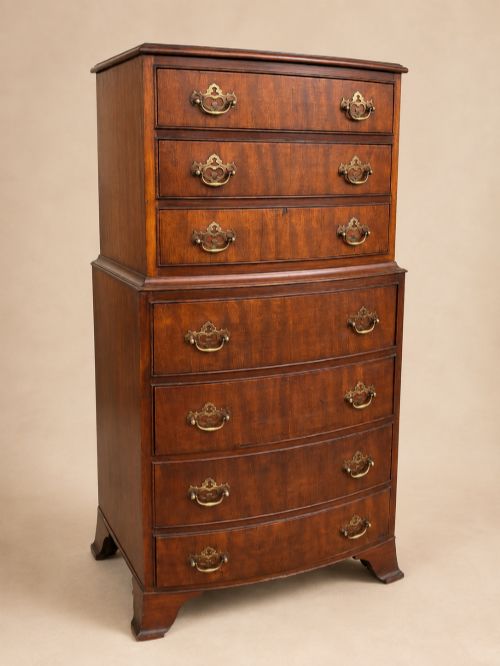
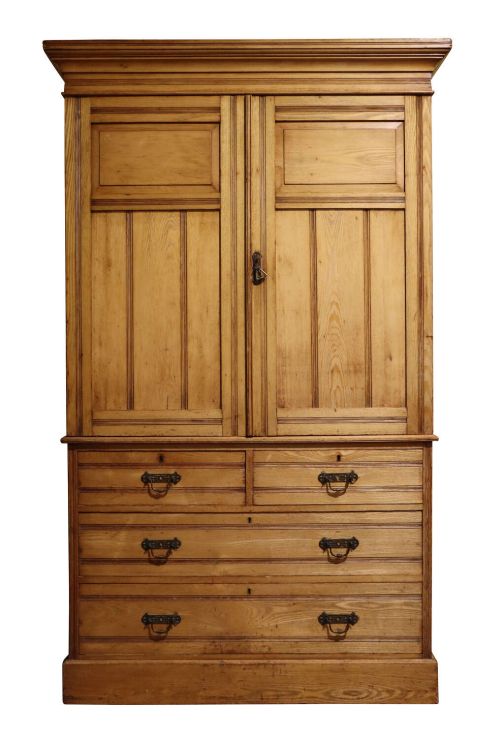
English Storage Cabinet
An English antique storage cabinet brings functional history into a room, offering practical storage disguised in centuries of timber and craft.
English Storage Cabinet
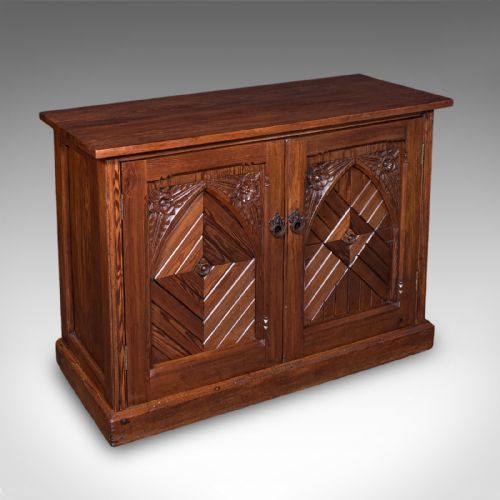
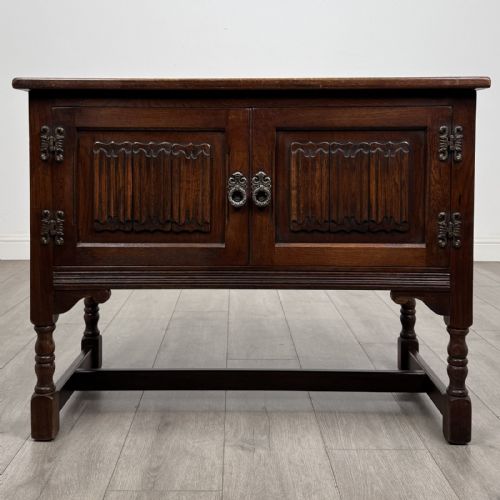
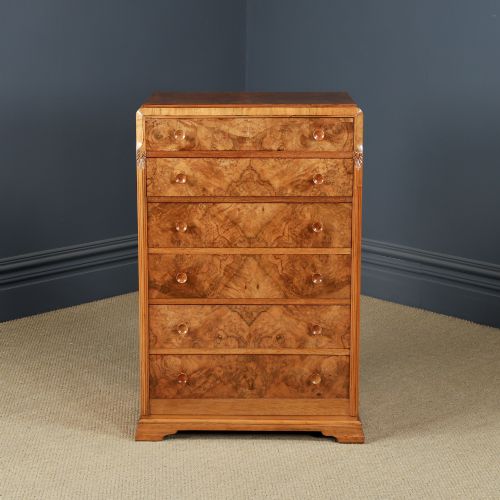
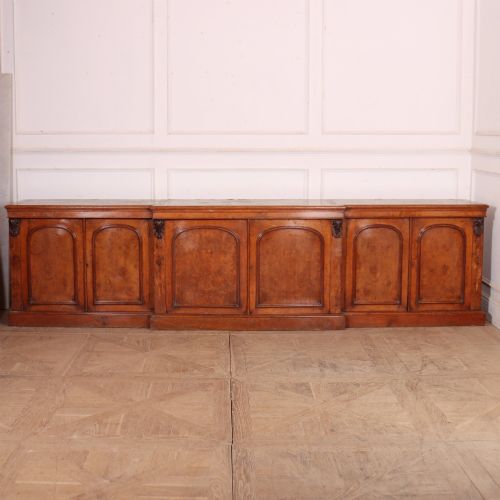
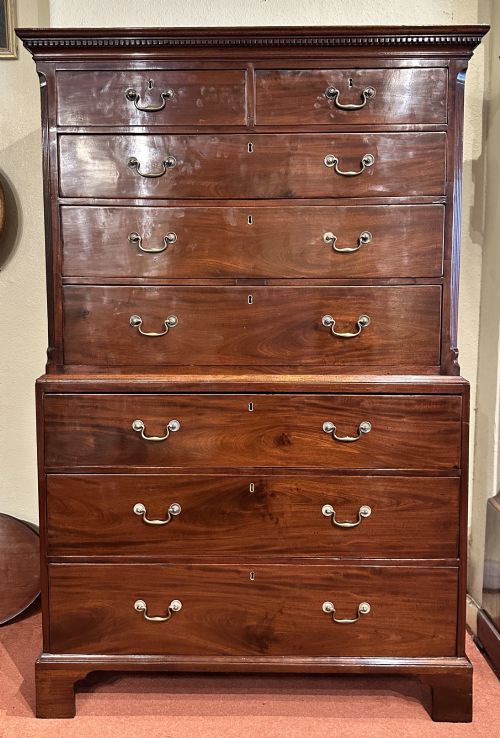
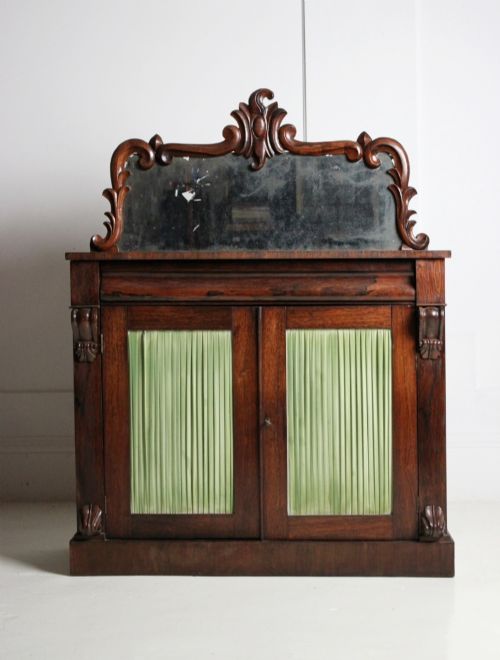
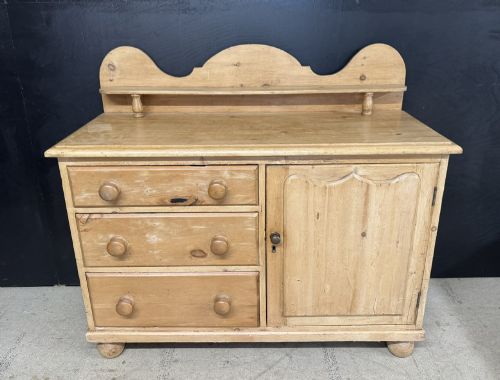
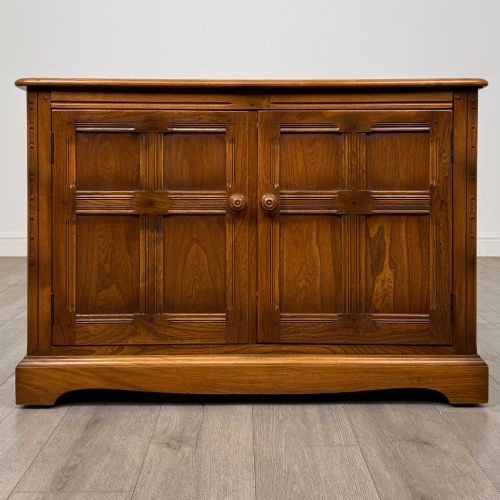
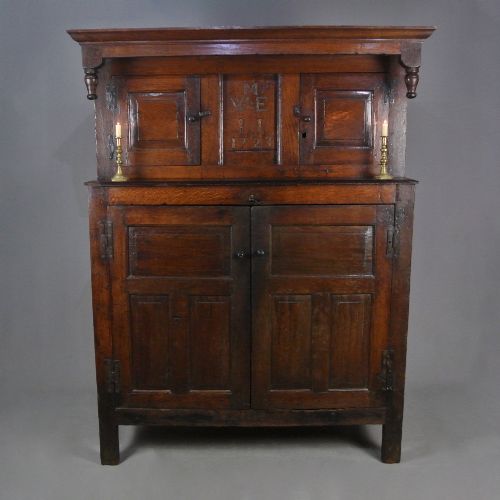
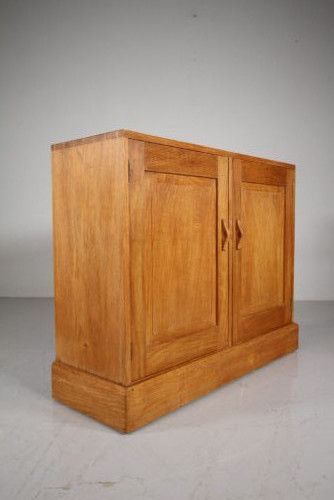
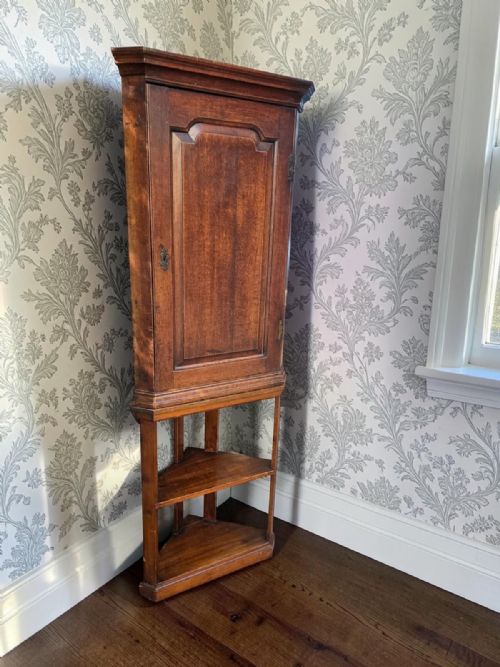
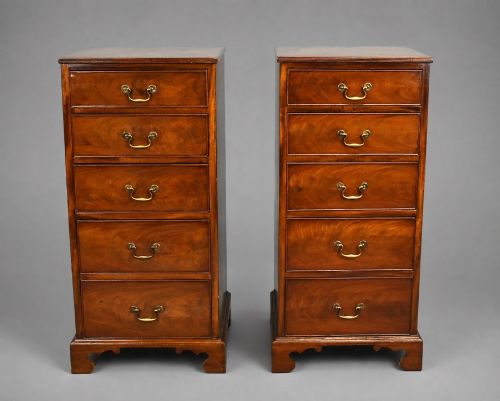
An English antique storage cabinet encompasses a wide array of domestic furniture designed to hold household goods, linens, and provisions. When searching for an English antique storage cabinet, buyers encounter diverse forms ranging from kitchen dressers and press cupboards to chests of drawers and corner cabinets. The pieces span multiple centuries, showing the evolution of storage solutions from early joined oak furniture to later mahogany and pine iterations.
The selection on this page relies heavily on regional British cabinet-making traditions, moving from formal Georgian and Regency mahogany pieces to rugged English country oak and pine examples. Buyers are most likely to meet Victorian and 19th-century pine or mahogany variations, alongside earlier 17th and 18th-century joined oak and elm works. These forms reflect how domestic interiors adapted over time to accommodate growing possessions.
Different periods introduce distinct architectural proportions and storage configurations, such as the two-part form of corner cupboards or the deep capacity of press cupboards and chiffoniers. Regional pieces, including West Country kitchen dressers, highlight localized material choices and utilitarian needs. Every item serves a distinct domestic purpose while carrying the aesthetic markers of its specific era.
Materials and construction methods
Cabinet-makers relied on solid native and imported timbers, predominantly utilising oak, mahogany, and pine, alongside burr walnut, ash, elm, and rosewood. These woods were chosen for their structural strength and grain patterns, often paired with secondary softwoods for internal drawer linings and backboards. Brass hardware, including drop handles, escutcheons, and hinges, provided functional contrast to the dark or waxed timber surfaces.
Joinery techniques defined the durability of these storage pieces, utilising traditional mortise and tenon joints, dovetail construction for drawers, and hand-planed panels. Surface finishes varied from polished mahogany and waxed pine to painted wood, ebonisation, and intricate marquetry inlays. Glazed doors utilised timber framing to support individual panes of glass for display cabinets and bookcases.
Materials recur across distinct forms, uniting oak, mahogany, and pine with specialised timbers like yew wood, figured elm, burr walnut, and rosewood.
Assessing quality in antique storage
Quality rests in the selection of timber figures, such as figured elm, burr walnut, and rich mahogany, which demonstrate the maker's eye for decorative grain. Superior pieces display crisp, deliberate hand-carving and precise joinery that maintains structural integrity across centuries of use. The retention of original surfaces, whether polished, waxed, or in original paint, marks a higher tier of preservation.
Hardware integrity and internal fittings also separate standard utility items from finer examples, noting original brass handles, working locks, and well-fitted interior shelving or linen slides. Proportion and balance dictate the aesthetic success of a piece, with finer cabinets showing harmonious lines whether they are compact bedside chests or large breakfront dresser bases.
Maple & Co.
The English Storage Cabinet Glossary
- Press Cupboard
- A large storage piece, often featuring upper and lower compartments, traditionally used for storing pressed linen and garments. These pieces demonstrate early domestic organisation.
- Chiffonier
- A low sideboard or cabinet developed during the Regency and Victorian periods, typically featuring enclosed shelving below and sometimes a raised gallery or superstructure above.
- Dresser Base
- The lower section of a kitchen or dining room dresser, equipped with drawers and cupboards for storing tableware and provisions without the upper plate rack.
- Bowfront
- A curved convex front profile popular on chests of drawers and cabinets during the Georgian and Regency eras, softening the angles of domestic furniture.
- Marquetry
- The art of applying decorative veneer pieces in wood to a structural surface to form intricate geometric or floral patterns.
- Cotswold School
- An early 20th-century design movement emphasising traditional handcraftsmanship, simple lines, and visible construction methods in oak and local timbers.
English Storage Cabinet: Frequently Asked Questions
What is a press cupboard?
A press cupboard is a tall storage piece designed to keep household linens and clothing flat and organised. These cabinets often combine upper storage sections with lower drawer banks.
Historically, they were essential furniture for wealthy households managing large quantities of textiles. Their robust construction allowed them to survive centuries of domestic use.
How do I date an oak cabinet?
Dating oak storage furniture involves examining the joinery, tool marks, and overall construction methods. Early pieces from the 17th and 18th centuries rely heavily on joined oak frames and hand-riven panels.
Later Victorian and Edwardian revivals often incorporate machine-sawn timber and different fastening techniques. Comparing hardware styles and secondary woods also helps narrow down the period.
Where were corner cupboards used?
Corner cupboards were built to utilise awkward room junctions, turning unused angles into practical display or storage space. They appeared in dining rooms, parlours, and kitchens alike.
Many examples feature two-part forms or sit upon dedicated stands to optimize height and accessibility. Glazed upper doors allowed owners to display ceramic tableware safely.
What is a dresser base?
A dresser base is the heavy lower counter of a traditional kitchen or dining room dresser, featuring rows of drawers and lower cupboards. Unlike complete dressers, these pieces lack upper shelving racks.
They provided sturdy working surfaces for food preparation alongside ample storage for kitchen utensils. Country variants in pine or oak show heavy utilitarian wear from daily use.