


English Shelves
English antique shelves provide practical display and storage, bringing period character to rooms through time-tested craftsmanship and enduring materials.
English Shelves
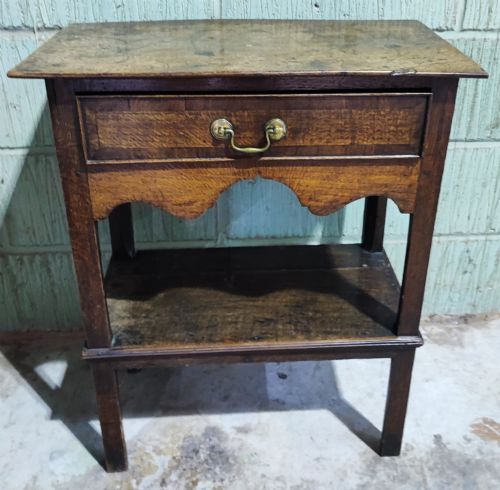
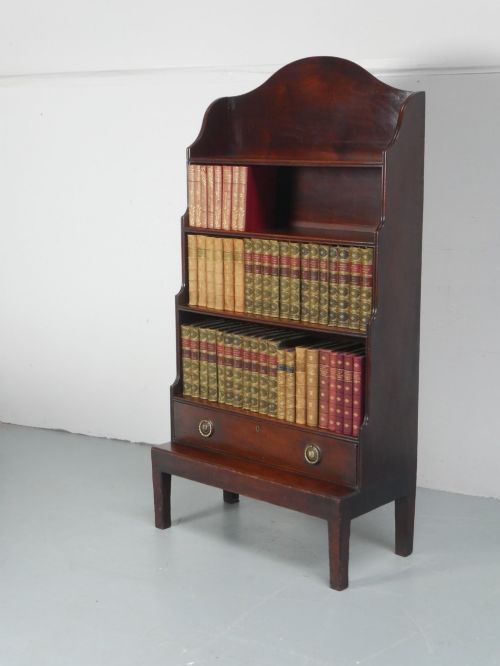
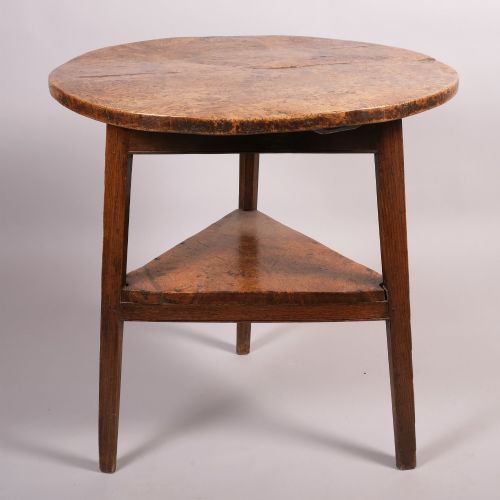
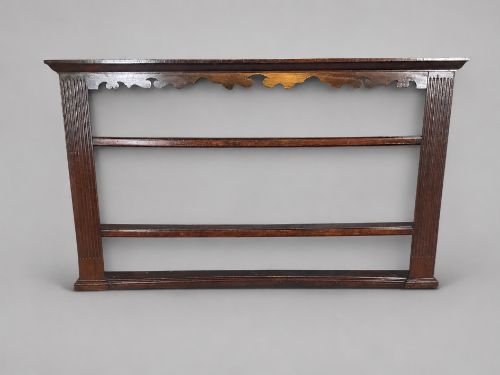
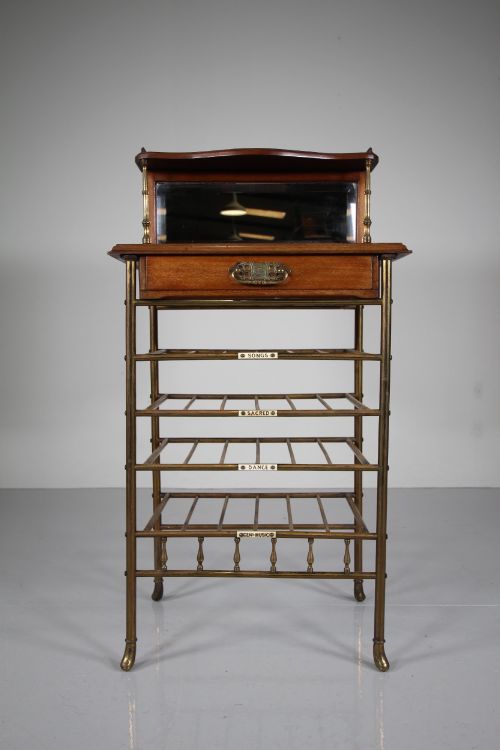
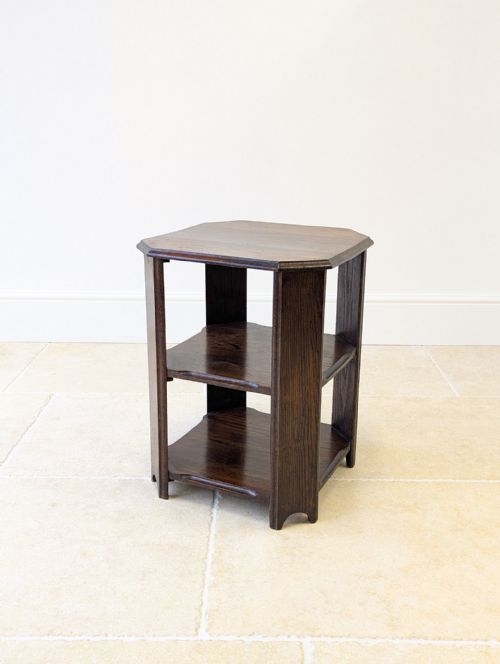
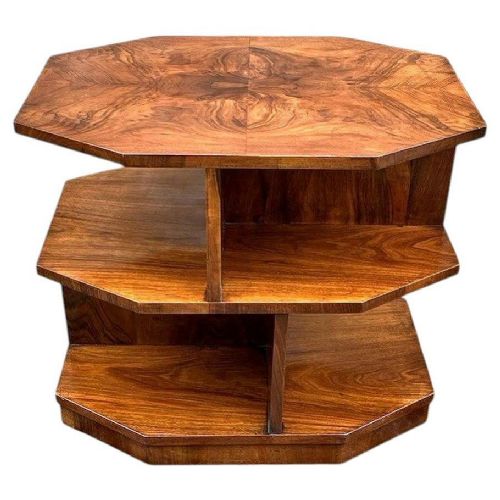
English antique shelves encompass a variety of open bookcases, hanging cupboards, plate racks, and tiered tables designed for domestic use. The pieces appearing here span from the eighteenth century through the art deco era, reflecting shifts in interior organisation and display.
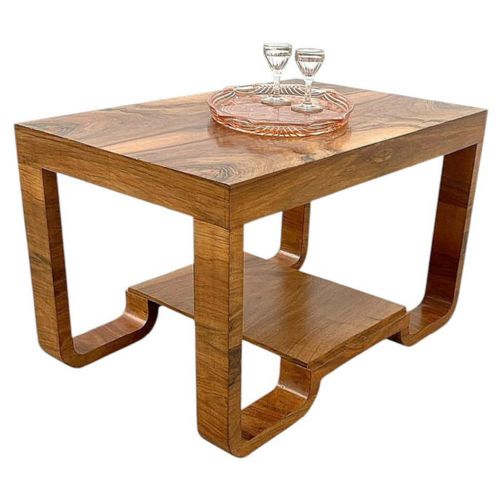
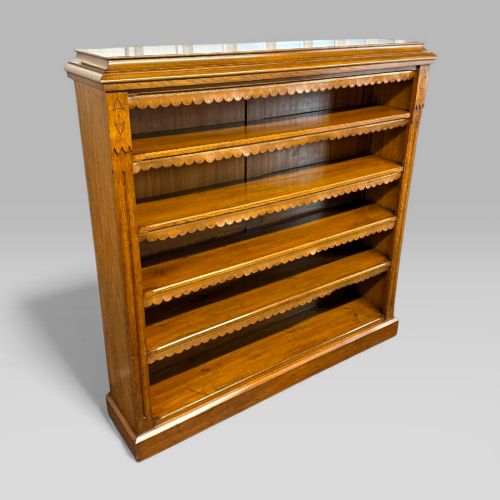
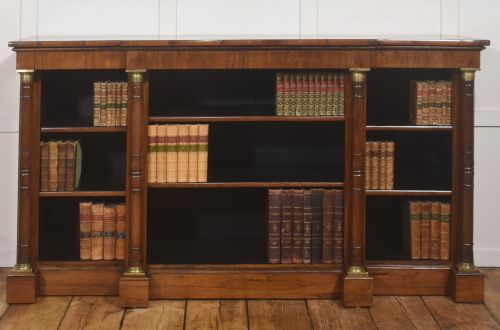
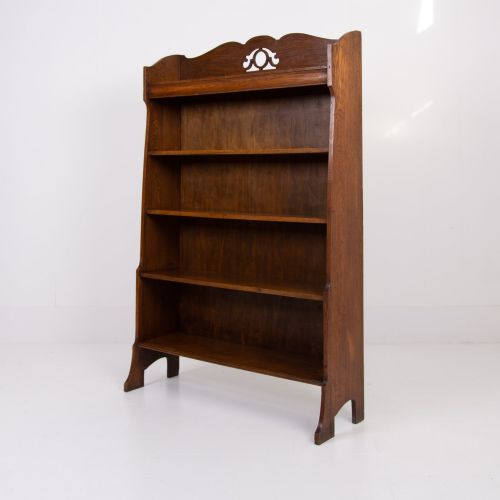
Open bookcases form a significant portion of the selection, constructed in woods like oak, mahogany, walnut, and pine. These range from utilitarian pine potting tables with shelves to elaborate breakfront bookcases mounted in brass and rosewood.
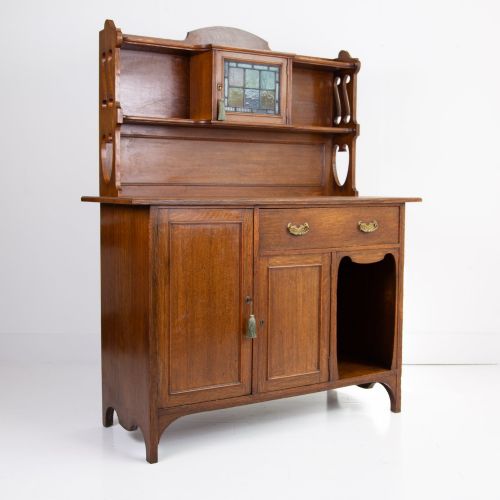
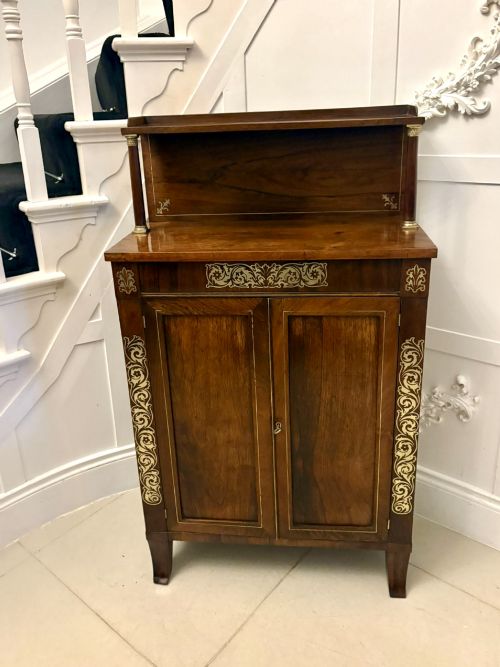
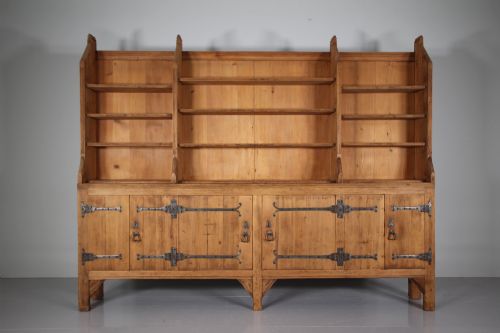
Alongside dedicated bookcases, the listings include multifunctional forms such as chiffoniers, dressers with plate racks, and coat racks equipped with storage shelves. These demonstrate how earlier generations utilised wall and floor space for both display and storage.
Materials and Construction
Cabinet makers relied heavily on hardwoods such as mahogany, oak, and walnut, selecting specific timbers for their grain patterns and structural durability. Softer woods like pine appeared in utilitarian furniture and country pieces, often painted or left in their natural state.
Construction techniques evolved from traditional joined and pegged framing in earlier oak pieces to sophisticated veneering and inlay work in later mahogany and rosewood examples. Metal mounts in brass, ormolu, and chrome added decorative contrast to the timber surfaces.
English Shelves Retail Price Guide 2026
Typical asking prices for english shelves among the pieces listed under this phrase on Sellingantiques today, from the lower quarter to the upper quarter. They describe what is for sale here now, not the wider market.
Pine, oak, mahogany, walnut, and rosewood represent the primary timbers employed across the documented shelving and cabinet pieces.
Factors of Quality
Quality reveals itself in the selection of timber figures, such as figured walnut or rosewood, and the precision of the joinery used in framing the shelves. Superior pieces display thoughtful proportions and harmonious integration of decorative elements like brass inlay or carved scroll-work.
The integrity of the original surfaces and the subtlety of period details distinguish finer examples from more utilitarian items. Maker attribution, visible through stamps or signature design choices, further separates standard production pieces from high-end commissions.
Johnstone And Jeanes·Sir Charles Barry
The English Shelves Glossary
- Breakfront
- A piece of furniture having a central section that projects forward from the flanking sections. This configuration adds architectural depth to large bookcases and side cabinets.
- Chiffonier
- A low cabinet featuring shelving on top, developed in the nineteenth century for living rooms and parlours. It combines enclosed storage with open display surfaces.
- Waterfall bookcase
- A tiered shelving unit where each successive shelf is set back from the one below, creating a stepped profile resembling a cascade.
- Plate rack
- A wall-mounted or integrated shelving structure designed specifically to display plates and platters upright. These items often feature grooved bases to secure ceramics safely.
English Shelves: Frequently Asked Questions
What are English antique shelves?
English antique shelves refer to historical storage and display furniture originating in England, including open bookcases, wall racks, and tiered cabinets.
These pieces utilise traditional materials like oak, mahogany, and walnut to serve functional roles in libraries, halls, and dining rooms.
How do I date antique shelving?
Dating relies on identifying the prevailing style, construction methods, and timber types characteristic of periods like the Georgian, Victorian, or Edwardian eras.
Examination of joint work, hardware, and secondary woods helps place the manufacture within a specific century or decade.
Where were these shelves used?
These shelving units found placement throughout period homes, from formal libraries and reception rooms to country kitchens and hallways.
Different forms suited specific tasks, such as displaying books in studies or holding ceramics in dining spaces.
How do I care for antique wood?
Maintaining antique timber requires keeping pieces away from direct heat sources and extreme humidity fluctuations that cause wood to split.
Regular dusting with a dry cloth and occasional application of appropriate wax preserves the finish without damaging the patina.