


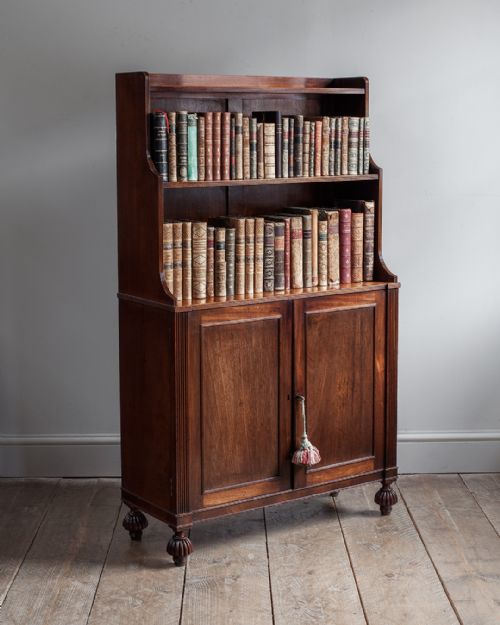
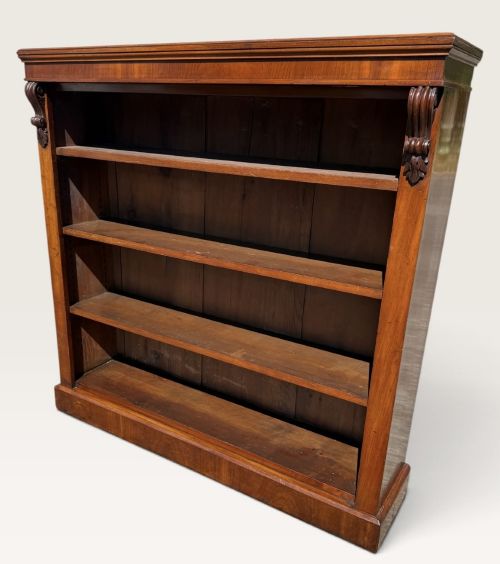
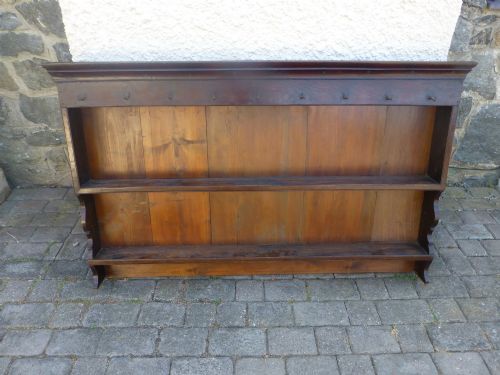
English Shelf
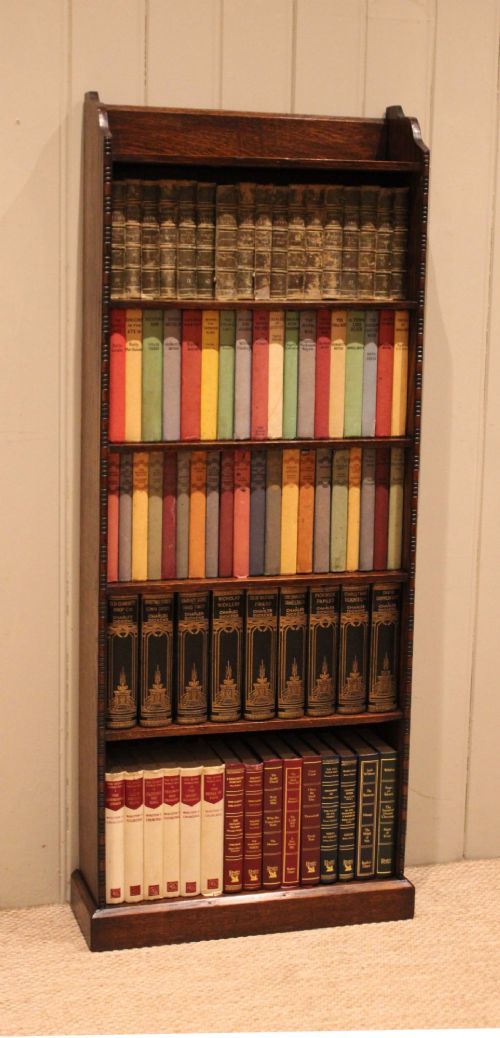
An english antique shelf brings practical utility and period character to a room, holding books or displaying objects with quiet distinction.
English Shelf
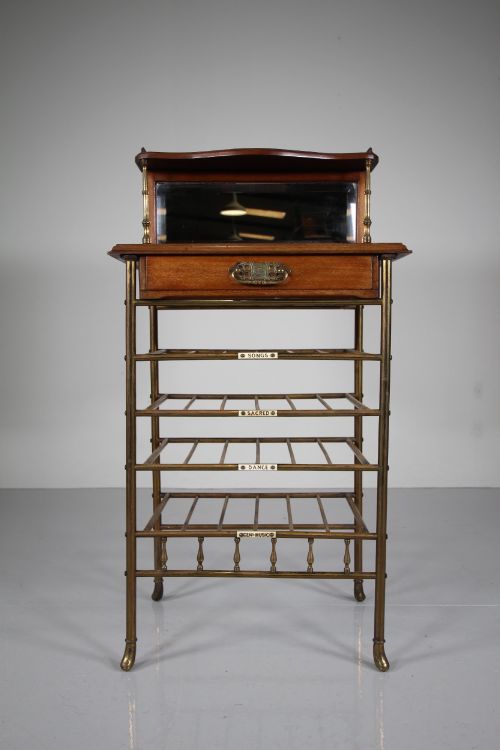
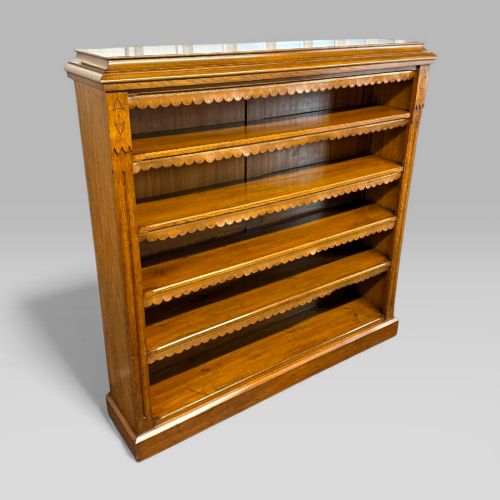
An english antique shelf encompasses diverse wall and floor forms designed to hold books, plates or domestic objects across several centuries. The pieces on this page draw from periods such as the Georgian, Regency, Victorian and Edwardian eras, reflecting changing domestic habits.
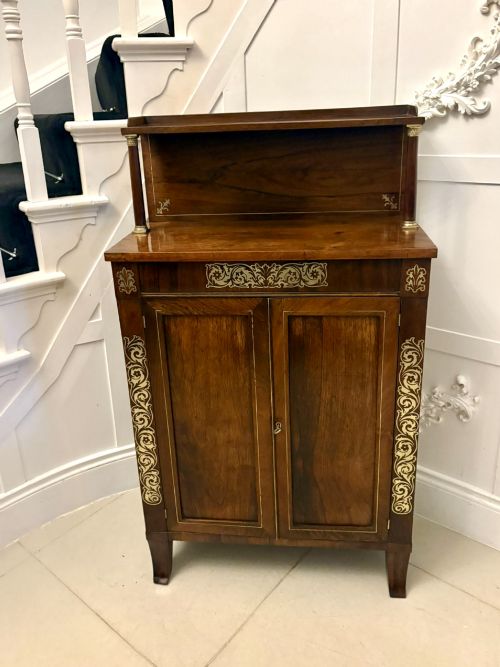
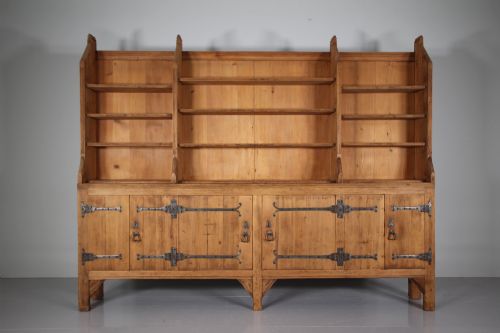
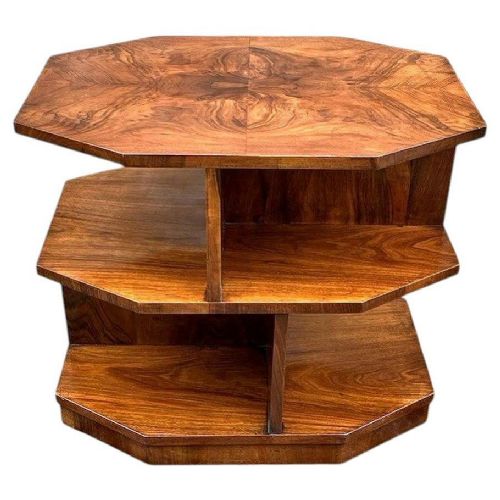
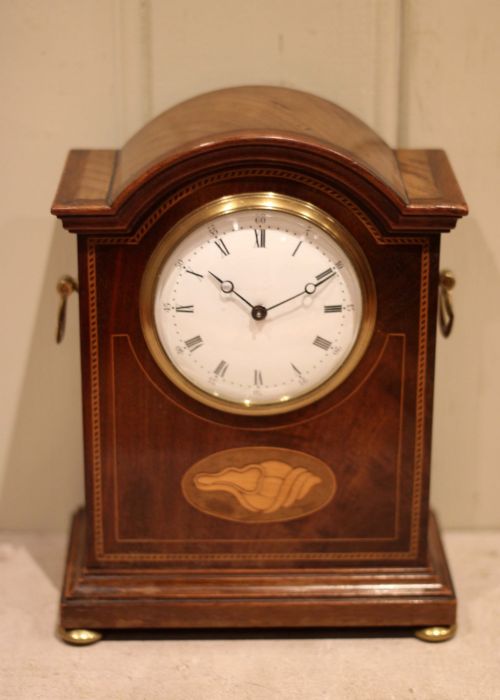
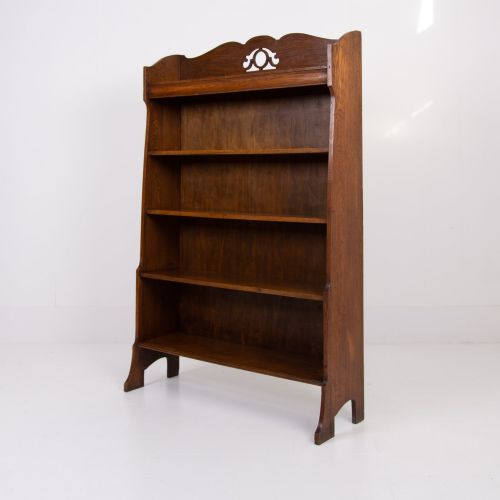
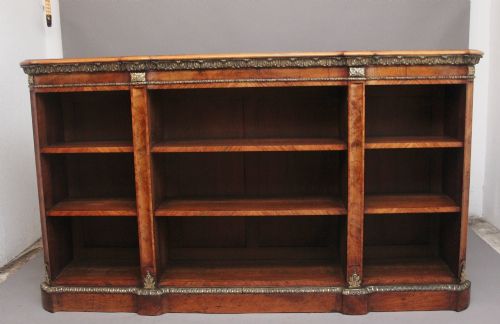
Bookcases, chiffoniers, plate racks and dressers dominate the selection, alongside smaller items like bracket clocks with integral brackets and wall-mounted coat hooks. Oak, mahogany, walnut and pine provide the structural timber for these functional domestic pieces.
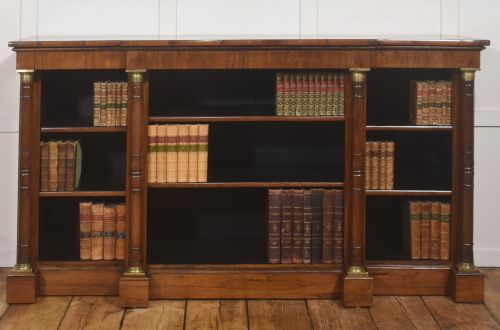
Buyers encounter everything from formal Regency rosewood open bookcases to rustic pine potboards and country house dresser bases. Each form serves a distinct storage or display purpose rooted in historic English interior design.
Materials and construction
Cabinetmakers utilised hardwoods such as mahogany, walnut and rosewood for formal pieces, often employing fine veneers and brass mounts or inlay. Oak and pine served for sturdier country furniture, built to withstand daily use in kitchens, halls and libraries.
Joinery techniques ranged from traditional dovetailing in drawers to pegged mortise and tenon joints in earlier oak frames. Secondary woods like deal or pine appear in concealed areas, while surface finishes include polished French polish and painted country schemes.
English Shelf Retail Price Guide 2026
Typical asking prices for english shelf among the pieces listed under this phrase on Sellingantiques today, from the lower quarter to the upper quarter. They describe what is for sale here now, not the wider market.
Listings feature pieces spanning the 18th century, Regency, Victorian, and 19th century periods, constructed from oak, mahogany, walnut, pine, and rosewood.
Craftsmanship and proportion
The standard of timber selection and the precision of the joinery dictate the quality of an english antique shelf. Superior examples exhibit carefully matched grain patterns, tight joints and thoughtful proportions that integrate harmoniously with the architectural style of their period.
Subtle details such as finely carved mouldings, original brass hardware and well-executed inlay distinguish high-end workshops from standard commercial production. Gradations in quality stem from the ambition of the original design and the skill applied during construction.
Johnstone and Jeanes·Sir Charles Barry·Seller of Reading·John Bull of Bedford·Connell of London
The English Shelf Glossary
- Chiffonier
- A low cabinet with shelves or a cupboard, popular in the Regency and Victorian periods for storing books and displaying ornaments.
- Breakfront
- A piece of furniture where the central section projects forward from the flanking wings, adding architectural depth to large bookcases and sideboards.
- Bracket clock
- A portable household clock originally designed to sit on a wall bracket or table, often housed in an architectural wood case.
- Potboard
- An open slatted lower shelf found on traditional Welsh and English dressers, originally intended for storing earthenware pots.
- Pollard oak
- Oak timber showing distinctive clustered knots and growth marks, highly prized for decorative veneer work on Victorian case pieces.
English Shelf: Frequently Asked Questions
How do I choose the right size?
Measure your available wall space and consider the depth required for books or display items. Taller bookcases demand secure fixing to walls for safety.
Shorter chiffoniers and plate racks suit smaller rooms or hallways without overwhelming the floor area.
Where were these shelves used?
Bookcases and chiffoniers belonged in libraries, drawing rooms and studies for housing leather-bound volumes. Dresser bases and plate racks served in kitchens and dining rooms for tableware.
Smaller wall racks and coat hooks functioned in entrance halls for daily garments and accessories.
How do I date an english antique shelf?
Examine the primary timber, construction methods and decorative style. Georgian and Regency pieces often feature mahogany or rosewood with refined classical proportions.
Victorian and Edwardian examples introduce heavier oak, pollard graining, or inlaid satinwood motifs characteristic of later revival tastes.
How do I care for antique wood?
Keep wooden furniture away from direct heat sources and strong sunlight to prevent timber shrinkage and fading. Maintain the finish with occasional applications of appropriate wax.
Avoid excessive moisture and dust gently with a soft, dry cloth to preserve the patina.