

English Lamp
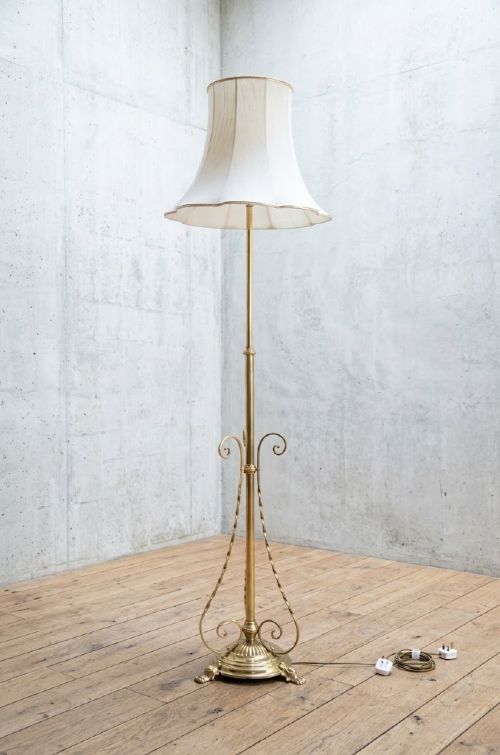
An English antique lamp brings character and warm illumination to a room, spanning from Victorian brass oil fonts to Edwardian floor lights.
English Lamp
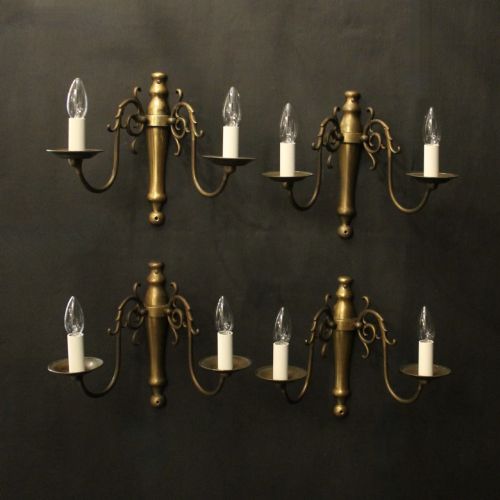
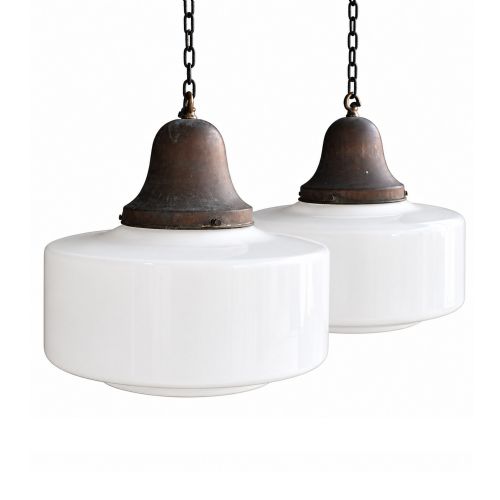
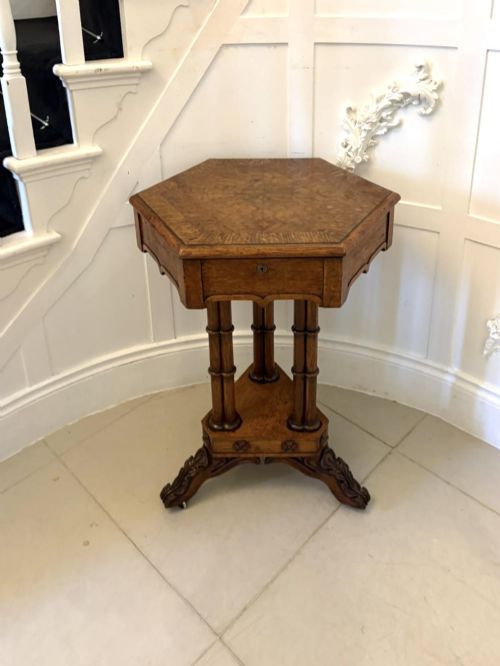
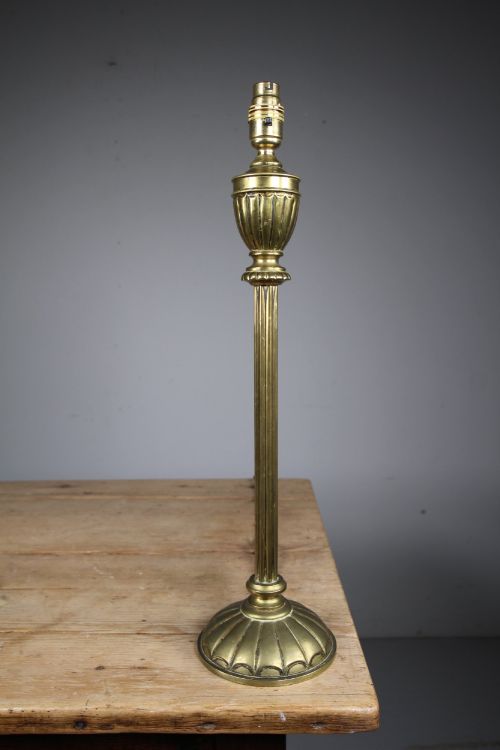
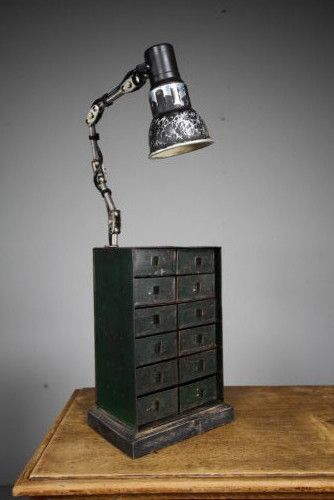
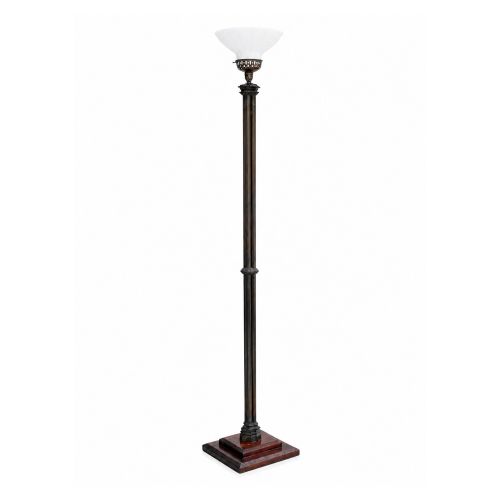
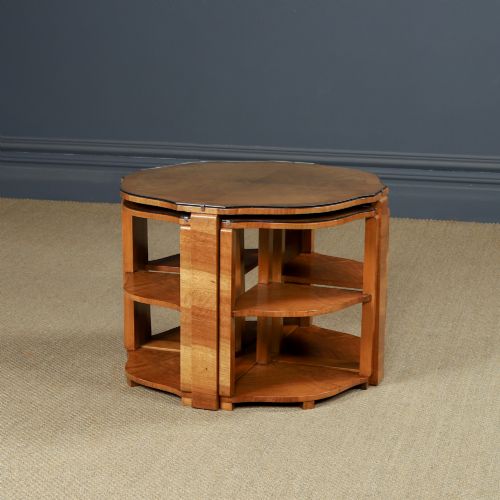
When you search for an english antique lamp, you encounter a diverse array of lighting solutions and surface furniture designed to hold them. The selection encompasses tall floor standing standards, adjustable brass table lamps, and hanging lanterns alongside compact occasional tables intended for illumination.
The pieces span multiple centuries, with Victorian brass oil lamps and Edwardian floor lamps appearing frequently alongside earlier Georgian and Regency fixtures converted from other uses, such as ironstone vases and ceramic vessels.
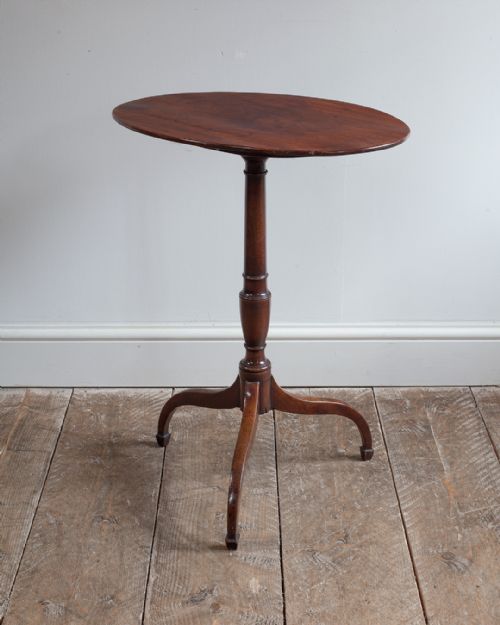
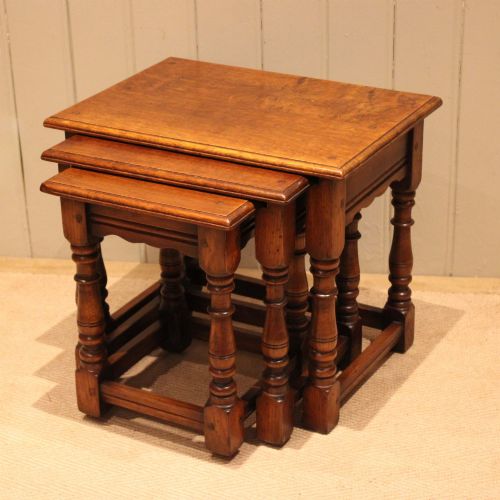
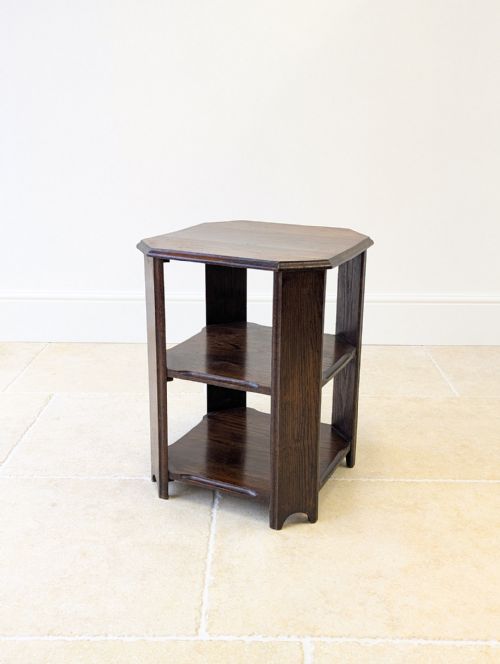
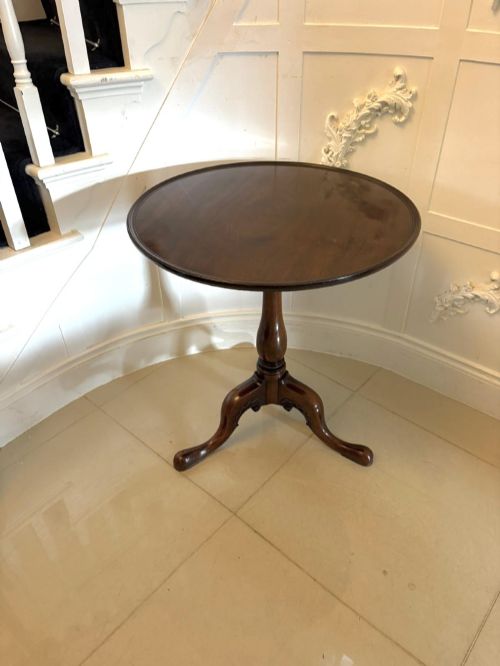
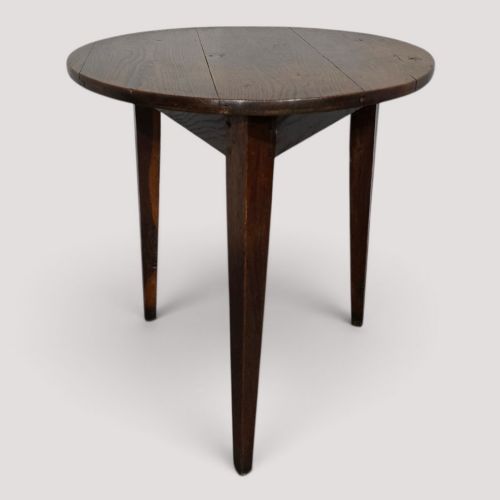
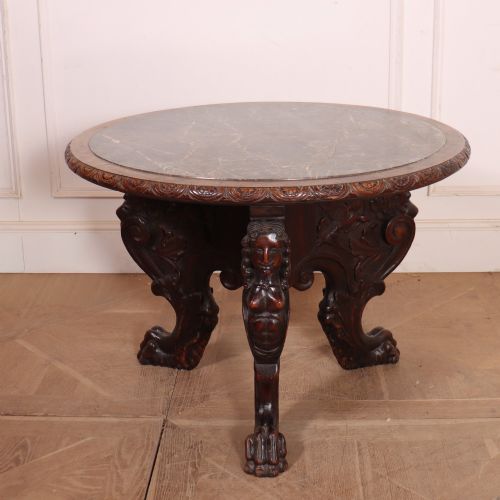
Alongside self-contained lighting fixtures, many listings pair the search with small tables like tripod wine tables, oak cricket tables, and mahogany lamp tables built specifically to support candle or oil illumination.
Materials and construction techniques
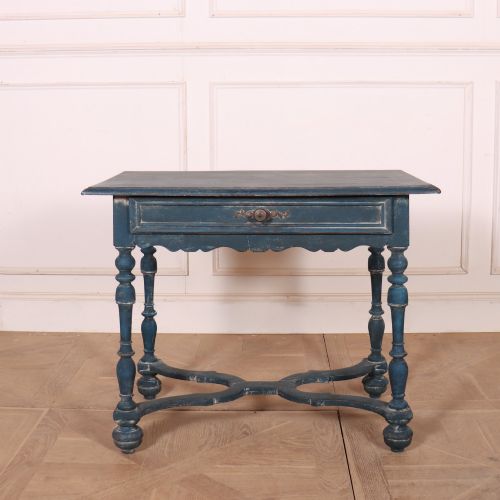
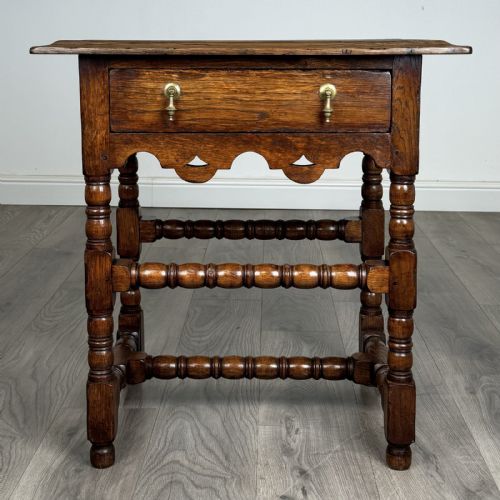
These items rely on traditional British cabinetmaking and metalworking methods, utilising solid hardwoods like oak, mahogany, walnut, and yew alongside softer pines and painted timbers. Tables feature turned legs, tilt-top mechanisms, and tripod bases joined with traditional pegs or screws.
Metal components utilise heavy cast brass, copper, bronze, or silver plate, often paired with blown glass shades, ceramic bodies from potteries, and gilded wooden standards. Many metal floor and table lamps incorporate adjustable height mechanisms and weighted bases for stability.
English Lamp Retail Price Guide 2026
Typical asking prices for english lamp among the pieces listed under this phrase on Sellingantiques today, from the lower quarter to the upper quarter. They describe what is for sale here now, not the wider market.
Listings feature oak, mahogany, walnut, elm, pine, yew, beech, brass, copper, bronze, iron, glass, ceramic, wicker, leather, and paint.
Distinctions in manufacture and preservation
Quality rests upon the integrity of the original materials and the sophistication of the joinery or metal casting. Heavy brass columns with crisp detailing and cast ironweighted bases outrank lighter, mass-produced alternatives from later decades.
Preservation of original surfaces, such as undisturbed patination on oak and mahogany tables or retained gilding and ormolu mounts on metal standards, defines the upper tier. Adaptations like converted vases or rewired brass fittings demonstrate successful functional continuity when executed with sympathy to the original period.
Dryad of Leicester·Hinks·Moorcroft·Taylor Tunnicliff
The English Lamp Glossary
- Cricket table
- A small, three-legged wooden table traditionally featuring an oak top and splayed legs for stability on uneven farmhouse floors. These frequently serve as sturdy stands for small lamps.
- Tripod table
- A piece supported by a central pillar resting on three spreading feet, often incorporating a tilt-top mechanism. This form provides a stable platform for portable lighting.
- Oil lamp
- A lighting device that burns fuel via a wick, commonly featuring a brass or ceramic reservoir mounted on a column. Many surviving examples date from the Victorian era.
- Standard lamp
- A tall floor-standing light fixture designed to illuminate a wider area of a room. Edwardian and Victorian versions often include adjustable brass mechanisms.
- Ormolu
- Gilded bronze or brass applied as decorative mounts to furniture and lighting standards. It adds a refined metallic accent to Regency and Victorian pieces.
English Lamp: Frequently Asked Questions
How do I safely use an antique oil lamp today?
Many Victorian oil lamps are converted for modern electrical use by running a cord through the central burner mechanism while preserving the external brass or ceramic reservoir.
Buyers should inspect the internal wiring and consult a qualified electrician to ensure the fixture meets current safety standards before plugging it in.
What is the difference between a lamp table and an occasional table?
A lamp table is specifically sized and proportioned to hold a table lamp, often featuring a compact round or octagonal surface and a stable tripod or pedestal base.
Occasional tables serve a broader range of uses in a room, though many sturdy examples in oak and mahogany function equally well for supporting lighting.
How can I date an antique brass standard lamp?
Dating relies on examining the weight of the metal, the style of the base, and the construction of any height-adjustment mechanisms. Edwardian and Victorian examples often feature heavy cast brass columns and specific burner or switch designs.
Turned wooden standards from the same eras display distinct profile shapes characteristic of late nineteenth and early twentieth century joinery.
Where should I place a tripod lamp table in a room?
Tripod tables fit well beside armchairs, in dark corners, or next to sofas where surface space is limited. Their compact three-legged footprint prevents them from dominating smaller spaces.
Pairing them with a matching period table lamp or small candlestick creates a balanced reading nook or accent area.