
English Drawers
English antique drawers encompass centuries of timber storage, from modest oak chests to refined walnut bureaux.
English Drawers
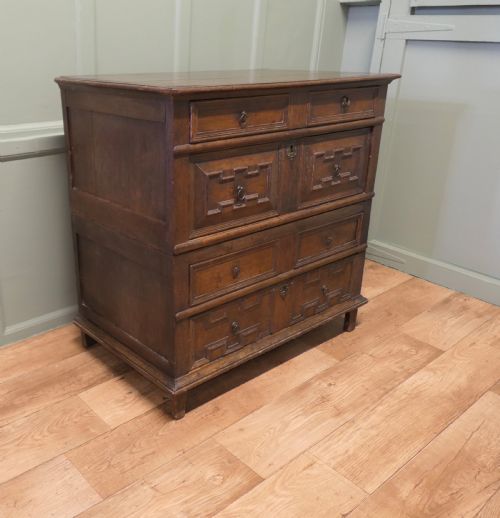
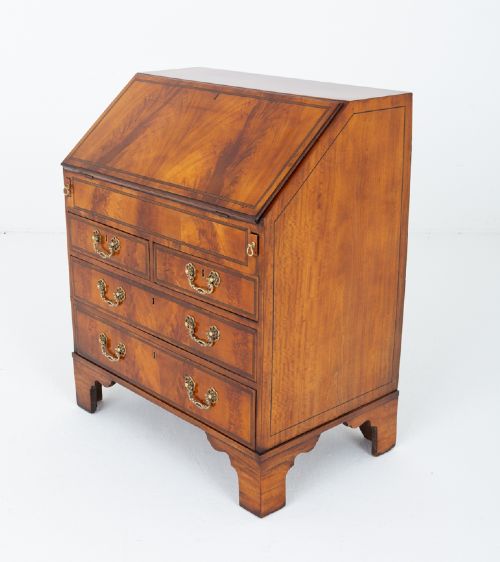
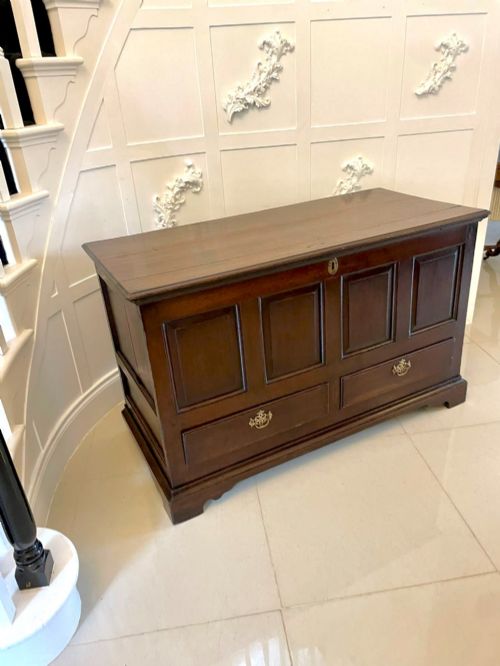
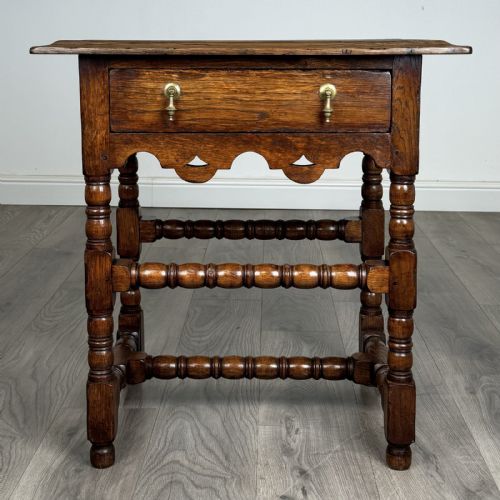
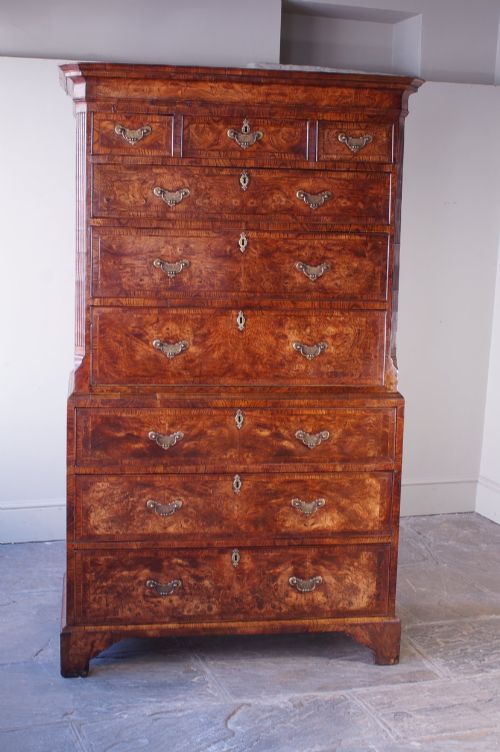
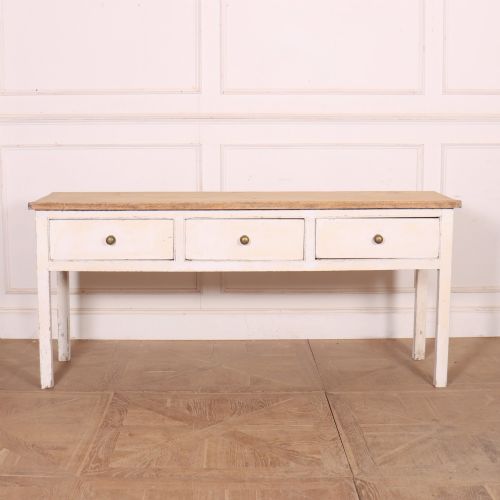
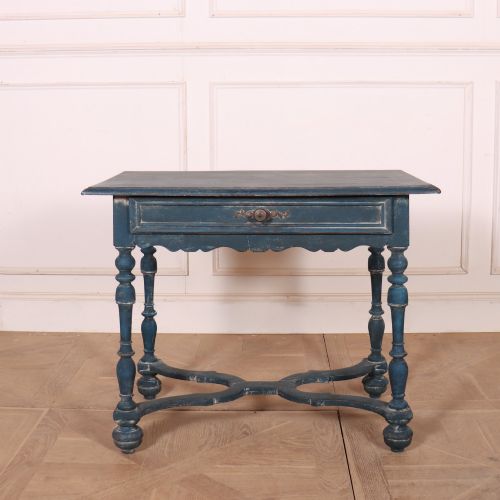
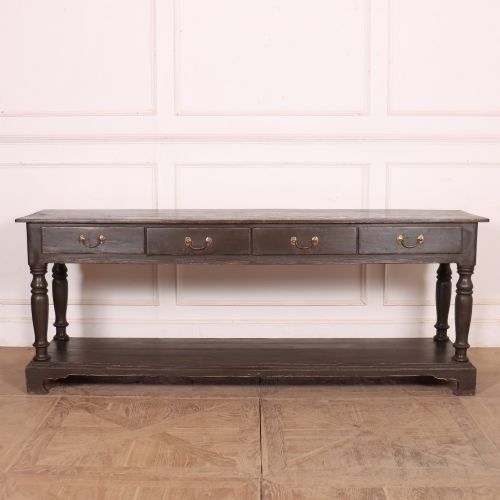
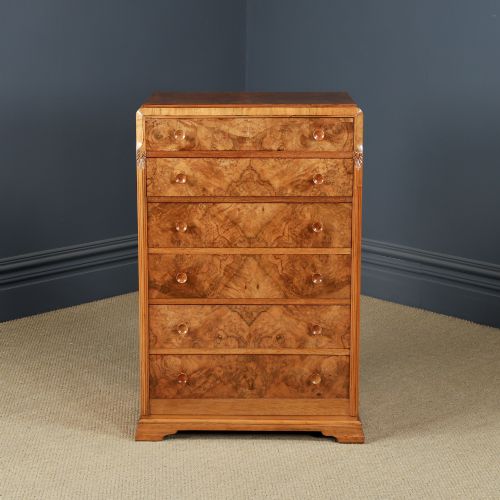
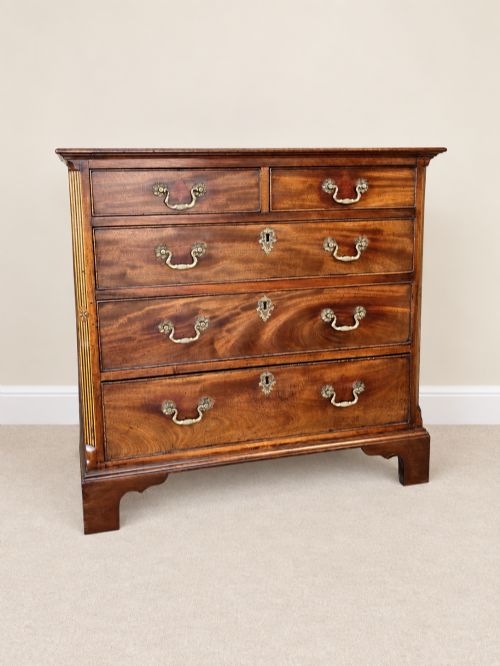
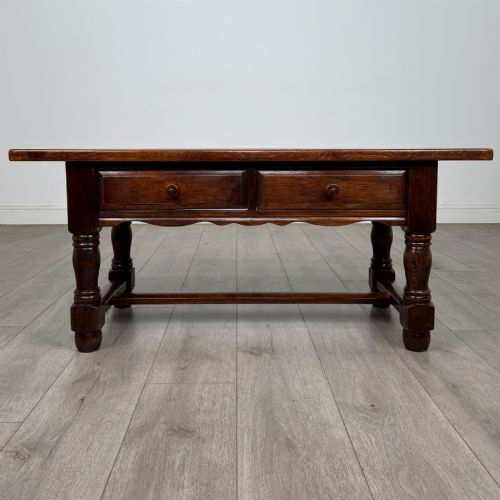
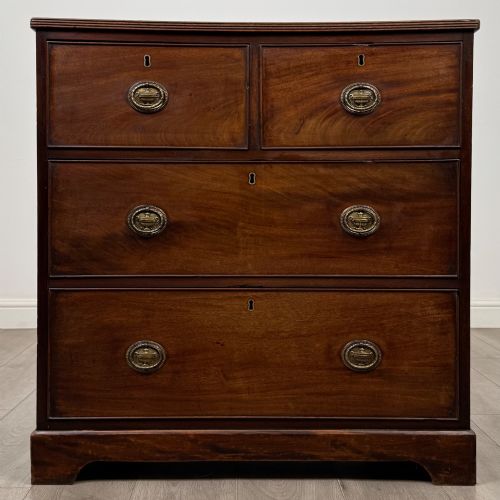
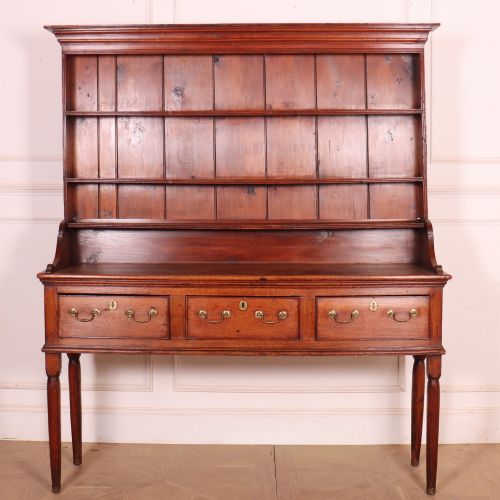
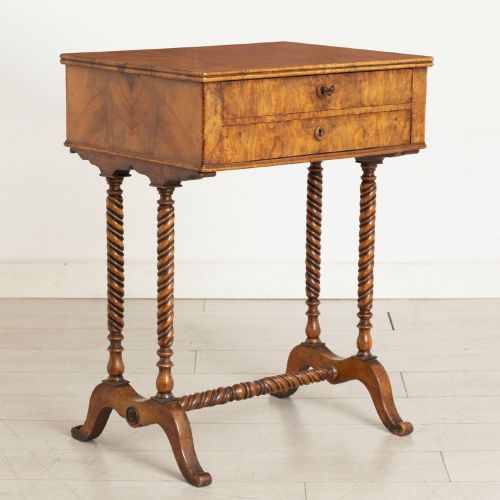
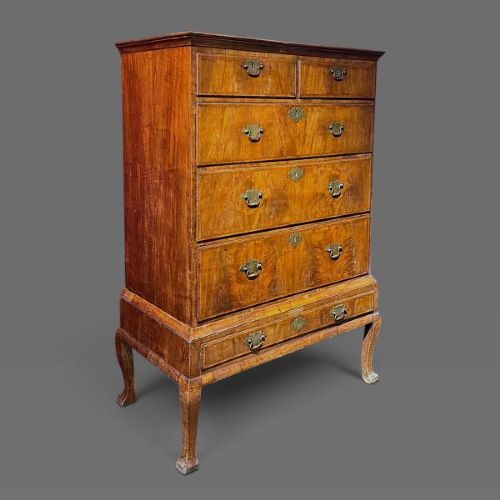
When you search for english antique drawers, you encounter a varied selection of timber storage forms originating from different periods. Chests of drawers dominate the selection, appearing alongside bureaux, dresser bases, and bedside tables.
The pieces span multiple eras, including the seventeenth, eighteenth, and nineteenth centuries, as well as Edwardian and Art Deco periods. Oak and mahogany serve as the primary woods, supplemented by walnut, pine, and ash.
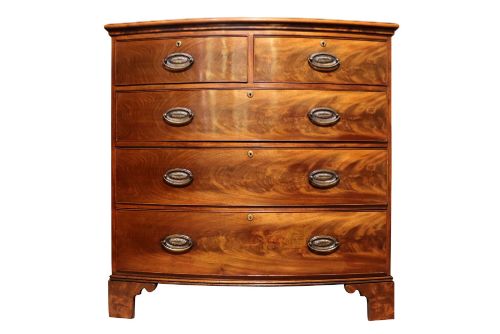
Simpler regional pieces share space with formal Georgian and Regency designs. Buyers frequently find chests featuring bow fronts, brass hardware, and varying drawer configurations.
How they were made
Cabinet makers utilised solid timbers alongside decorative veneers such as burr walnut, flame mahogany, and figured ash. Carcase construction relied on traditional joinery methods, including dovetail joints for drawer boxes and tongue and groove boarding for panels.
Surface treatments varied from waxed and polished natural wood finishes to painted pine and dairy surfaces. Brass handles, escutcheons, and iron fittings provided both functional operation and decorative contrast against the timber.
Listings feature oak, mahogany, walnut, pine, and ash across the seventeenth, eighteenth, and nineteenth centuries.
What varies in quality
The refinement of the timber selection distinguishes finer examples from everyday utilitarian items, particularly where figured veneers and matching grains are concerned. Master cabinet makers demonstrated superior hand-cut dovetailing and precise alignment within the drawer frames.
Proportion and decorative restraint dictate the standing of a piece, with high-quality George III and Regency specimens showing balanced architectural forms. Original hardware, undisturbed surfaces, and intact secondary woods elevate the integrity of surviving examples.
Gillows·T & G Seddon·Maple & Co.
The English Drawers Glossary
- Bow front
- A convex curved cabinet front popular during the Georgian and Regency periods. This shape softens the profile of a standard chest of drawers.
- Dovetail
- An interlocking joint utilised in drawer construction for strength. Hand-cut variations help indicate the age of a piece.
- Bureau
- A writing desk featuring a sloping lid that opens to reveal internal compartments and small drawers. These often sit atop a chest base.
- Oyster veneer
- Circular cross-sections of branch wood sliced and arranged in decorative patterns across a surface. Seventeenth-century pieces frequently display this technique.
- Dresser base
- A low sideboard fitted with drawers, originating from country houses. These items provide extended storage and surface utility.
English Drawers: Frequently Asked Questions
How do I date an antique chest?
Examine the construction methods of the drawer sides and the overall timber species utilised. Hand-cut dovetails and secondary woods often indicate eighteenth or nineteenth-century origin.
Hardware styles and secondary timber choices provide further clues regarding the decade of manufacture. Comparing the overall proportions to established period designs helps confirm the era.
What is a bachelor chest?
A bachelor chest is a compact storage piece featuring a fold-over top or a pull-out brushing slide for writing. These items offered dual utility in smaller eighteenth-century chambers.
The inclusion of a writing surface distinguished them from standard chests of drawers. They remain prized for their clever engineering and modest proportions.
How should I care for antique wood?
Keep wooden furniture away from direct heat sources and drastic humidity fluctuations to prevent timber splitting. Regular gentle dusting with a soft cloth preserves the polished finish.
Apply occasional traditional wax to nourish dry surfaces without building up heavy residues. Avoid modern silicone sprays that can penetrate the historic finish.
Are painted finishes original?
Many regional items received paint layers during their working lives in dairies or country houses. Original paint shows authentic craquelure, wear patterns, and layered pigments under close inspection.
Distinguishing between period decorative paint and later overpainting requires checking underlying wood surfaces. Unpainted mahogany and oak pieces maintained clear polished surfaces from creation.