


English Ceiling Fixture
An english antique ceiling fixture brings overhead illumination with period character, offering brass, bronze, and cut glass forms for historical interiors.
English Ceiling Fixture
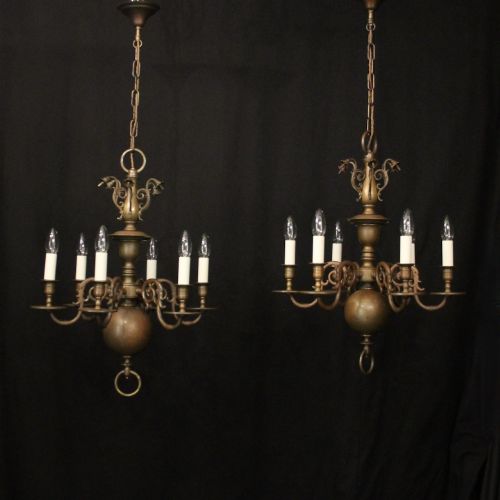
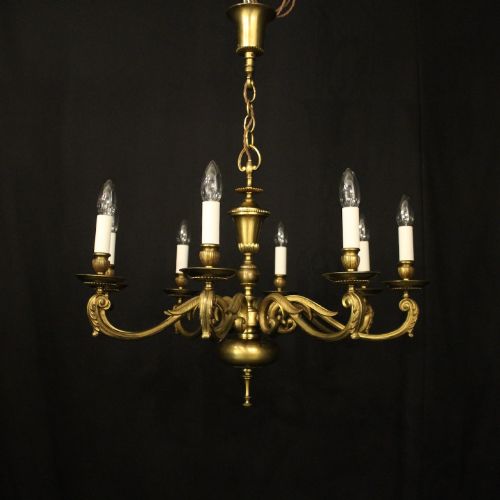
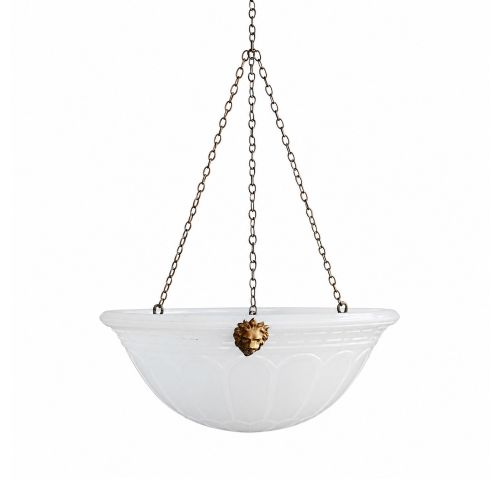
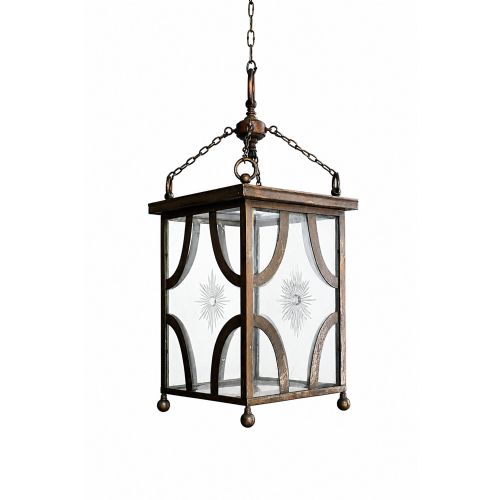
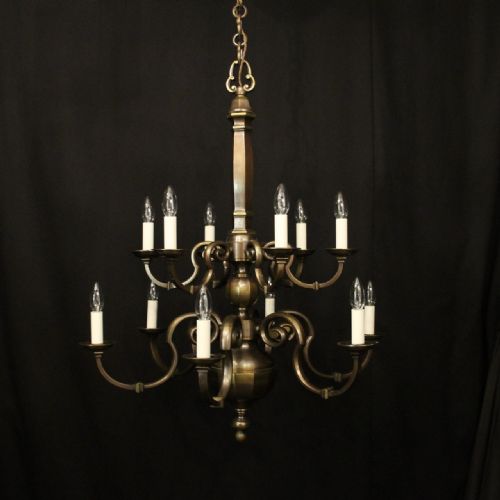
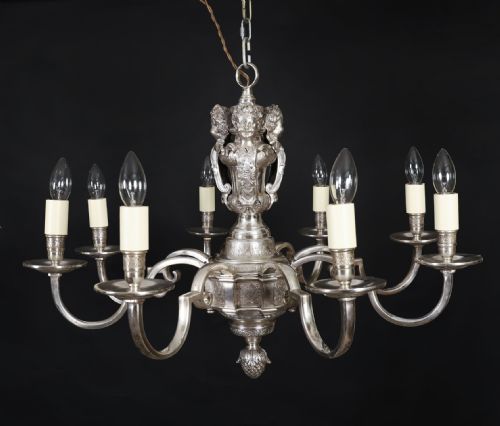
An english antique ceiling fixture encompasses chandeliers, hall lanterns, and pendant lights spanning the nineteenth and early twentieth centuries. These overhead fittings appear in diverse configurations, from multi-branch candelabra fittings to single-bulb glass pendants and architectural lanterns.
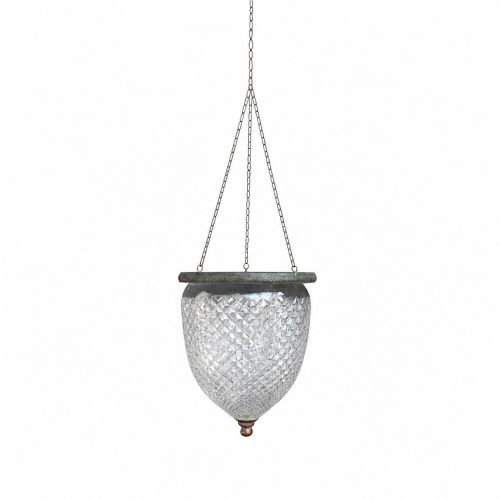
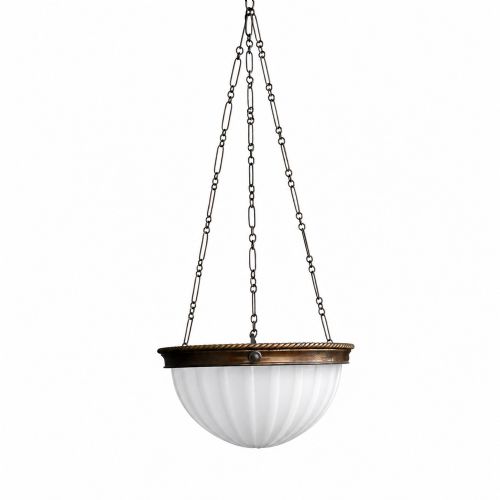
The selection here ranges widely across decades, featuring Edwardian cut glass dish lights alongside heavy nineteenth-century bronze chandeliers and nineteen-twenties moonstone glass fixtures. Buyers encounter everything from compact pharmacy pendants to large ballroom crystal arrangements designed for substantial spaces.
Victorian and Edwardian examples dominate the physical forms, reflecting domestic lighting developments across the nineteenth and twentieth centuries. These pieces demonstrate how British makers adapted illumination methods from gas and candle to electric power over successive decades.
Materials and construction
Makers utilised cast brass, bronze, and silver-plated metal frameworks to support heavy glass components and multiple lighting branches. Metal structures often received gilding or patination to achieve formal finishes suited to period reception rooms and hallways.
Casting, cutting, and silver-plating techniques defined the production of structural frames and decorative drops. Cut glass and crystal elements were individually shaped and polished to refract light, while moonstone and white alabaster provided diffused illumination in pendant and bowl formats.
Listings feature brass, bronze, cut glass, and moonstone glass across nineteenth-century and Edwardian periods.
Craftsmanship and scale
Quality separates fixtures by the precision of metal casting, the clarity of cut glass, and the scale of the composition. Finer chandeliers exhibit intricate chased details on bronze frames and deeply faceted crystal drops that catch light cleanly.
The structural integrity of supporting chains, frames, and ceiling mounts dictates the durability of heavier multi-light installations. Superior examples maintain original surface finishes and complete arrays of matching glass or crystal components.
The English Ceiling Fixture Glossary
- Plafonnier
- A ceiling-mounted light fixture that sits close to the ceiling surface rather than hanging on a long suspension chain. These often feature dome-shaped glass shades.
- Moonstone glass
- An opalescent, semi-translucent glass type that diffuses light softly across a room. It appears frequently in early twentieth-century pharmacy and pendant lights.
- Hall lantern
- An enclosed hanging light designed specifically for entrance halls and corridors. They often utilise glazed metal frames to protect internal candles or bulbs from drafts.
- Cut glass
- Glass decorated by grinding and polishing facets onto the surface to enhance light refraction. This technique appears extensively on nineteenth-century chandeliers and dish lights.
- Silver plate
- A thin layer of silver applied to a base metal framework to provide a bright reflective finish. It serves as an alternative to solid silver or gilded bronze on period fittings.
English Ceiling Fixture: Frequently Asked Questions
How do I hang a heavy antique chandelier?
Heavy fixtures require professional installation using structural ceiling anchors capable of supporting the combined weight of metal and crystal components.
Electrical wiring must be updated to modern standards while retaining the external period appearance of the fixture.
What rooms suit an antique pendant light?
Pendant lights and dish fittings work well in hallways, kitchens, and bedrooms where ceiling height demands a compact drop.
Larger multi-branch chandeliers require higher ceilings to properly balance their visual scale and physical dimensions.
How do I identify an Edwardian ceiling light?
Edwardian fixtures typically feature lighter cuts of glass and more restrained metalwork compared to heavier Victorian designs.
They often incorporate refined Edwardian cut glass dishes or simple geometric forms suited to early twentieth-century domestic interiors.
Are replacement crystal drops available if some are missing?
Specialist antique restorers supply matching period crystal drops to replace missing or damaged elements on chandeliers.
Matching the exact cut, age, and clarity ensures the repaired section blends seamlessly with the original components.