



English Caddy
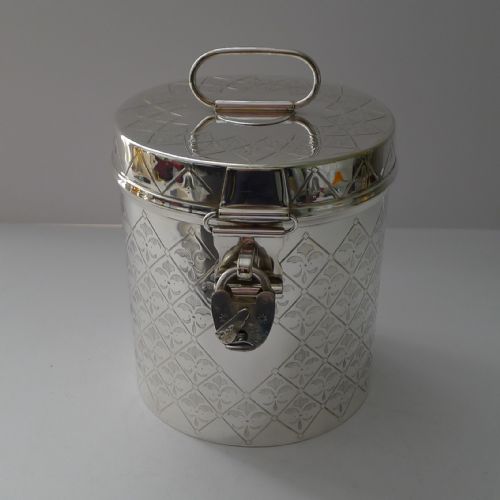
An English antique caddy is a small, lidded vessel made to hold precious loose tea leaves safely under lock.
English Caddy
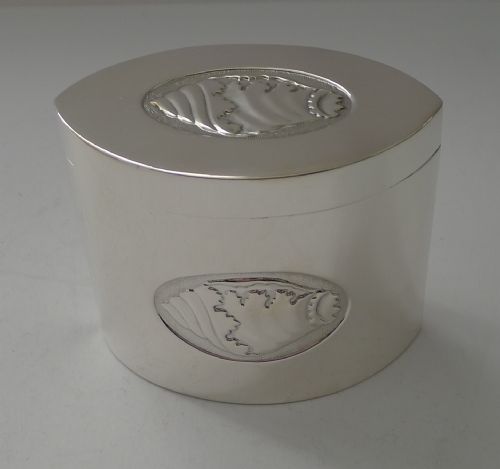
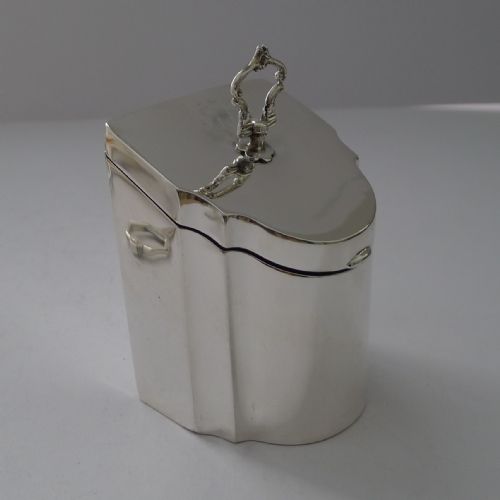
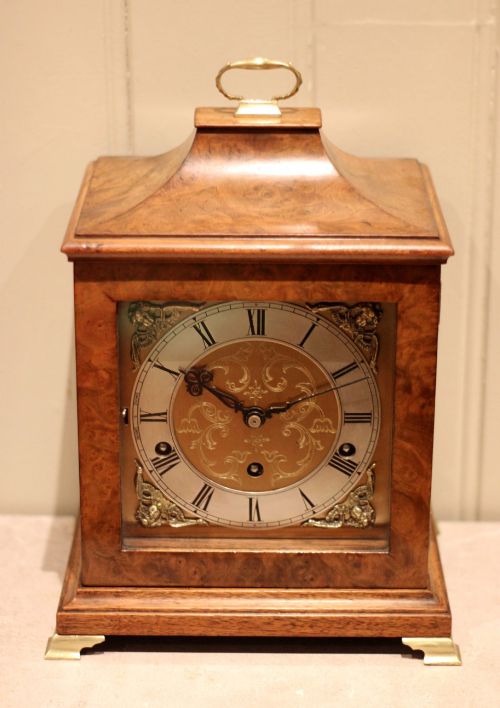
An English antique caddy serves as a receptacle originally designed for storing loose tea leaves in the home, reflecting the high value once placed on the commodity. The pieces span periods from the eighteenth century through the Georgian, Regency, Victorian, and Edwardian eras.
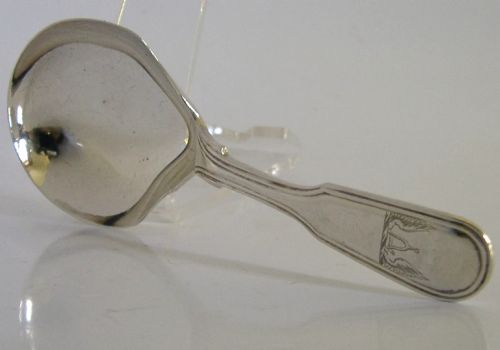
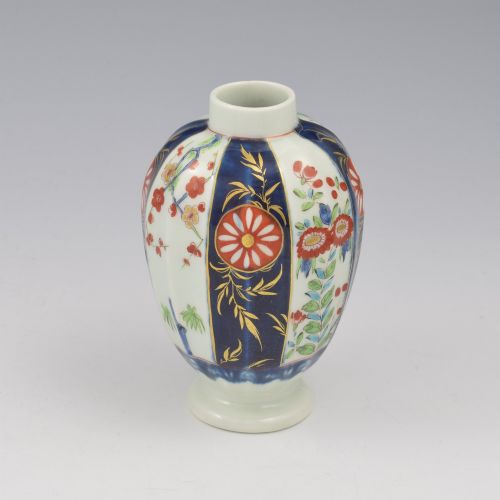
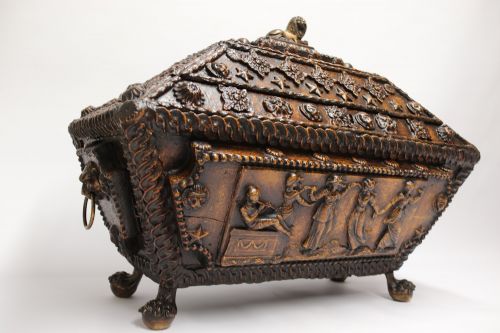
The selections range from wooden tea caddies featuring intricate veneers to solid sterling silver boxes and ceramic canisters. Buyers frequently encounter sarcophagus forms, rectangular boxes, and small serving spoons created specifically for measuring leaves.
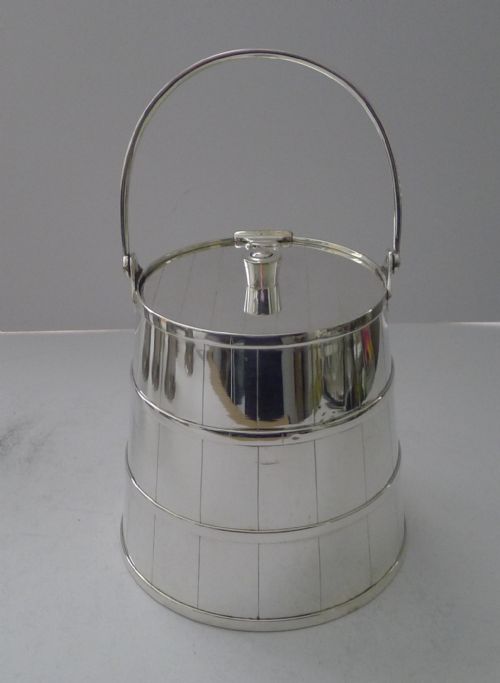
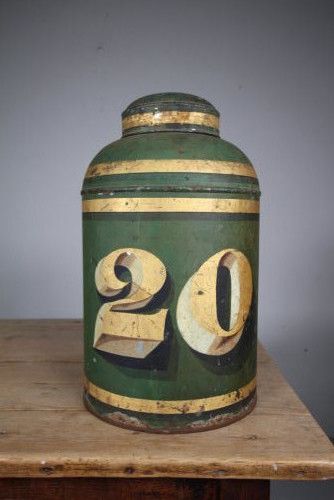
Beyond tea storage, the category extends to related household items like biscuit barrels, tobacco jars, and toleware canisters. These domestic objects demonstrate the craftsmanship applied to everyday utility items across multiple centuries.
How They Were Made
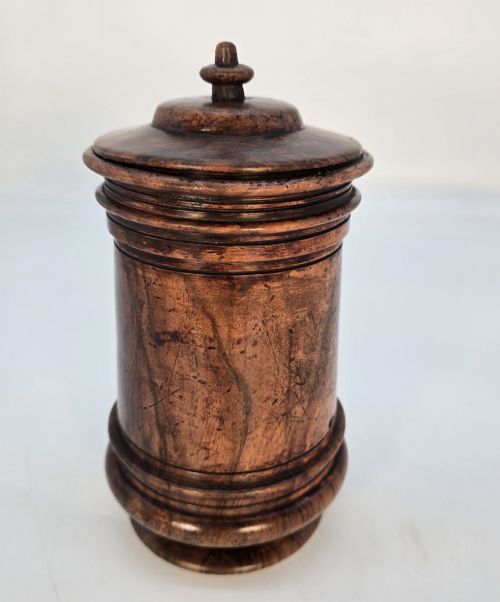
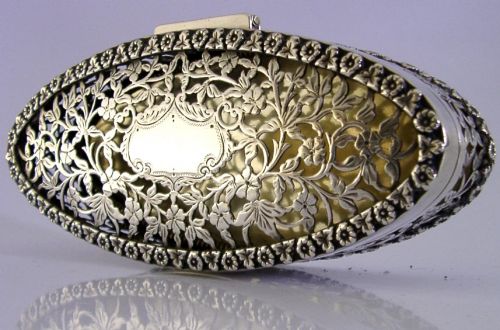
Cabinetmakers constructed wooden versions using native and exotic timbers such as rosewood, walnut, satinwood, and padouk, often applying decorative techniques like Tunbridge inlay, gesso, or lacquer. Metal examples utilise sterling silver, silver plate, pewter, and brass, shaped through casting, hammering, and piercing.
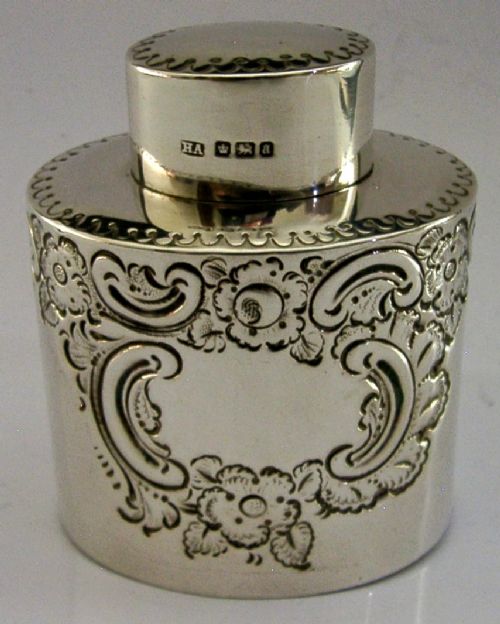
Many containers incorporate internal elements like foil linings, wooden lids, or glass mixing bowls to protect the dry contents from moisture. Silver pieces frequently feature hallmarks stamped directly into the metal, recording the assay office, year, and maker.
English Caddy Retail Price Guide 2026
Typical asking prices for english caddy among the pieces listed under this phrase on Sellingantiques today, from the lower quarter to the upper quarter. They describe what is for sale here now, not the wider market.
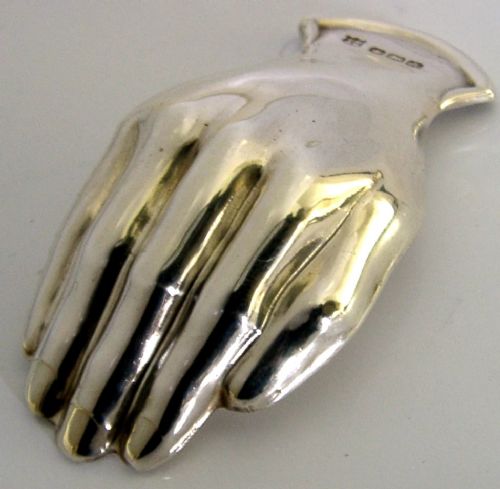
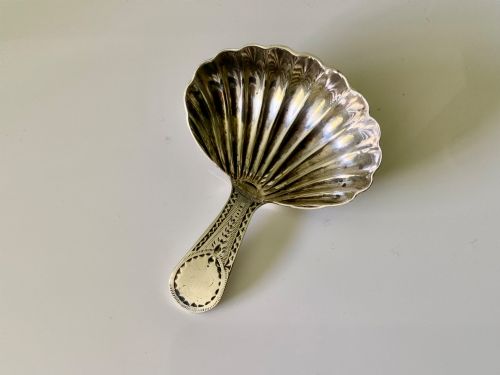
Some nineteenth-century silver caddy spoons were cast in the shape of human hands and jockey caps.
What Varies in Quality
The degree of craftsmanship is evident in the precision of the joinery, the alignment of wood grains across panels, and the complexity of inlaid decorative motifs. Superior examples maintain intact interior compartments, original working locks with matching keys, and crisp, legible silver hallmarks.
Material selection significantly influences the standing of a piece, with dense exotic woods and heavy-gauge sterling silver representing higher standards of production. Finer items display careful attention to hidden surfaces and interior linings rather than relying solely on exterior decoration.
Mappin and Webb·Henry Hollamby·Daniel Arter·William Rudkins·Joseph Wilmore·Amy Sandheim·William Pugh
The English Caddy Glossary
- Caddy
- A small container used for storing tea leaves. The term derives from catty, a traditional unit of weight used in East trade.
- Hallmark
- An official stamp applied to precious metals indicating standard purity, assay office, and date of manufacture. These marks allow collectors to trace the exact origin of silver pieces.
- Toleware
- Metalware coated with lacquer or enamel and painted by hand. This technique appeared frequently on household canisters and trays during the eighteenth and nineteenth centuries.
- Sarcophagus
- A monumental architectural box shape featuring a sloping lid, popular for Regency and Victorian tea containers. The form emulates ancient stone tombs.
- Tunbridge Ware
- A type of woodworking characterised by mosaic designs assembled from thousands of tiny tinted wood blocks. Named after the town in Kent where craftsmen produced the technique.
English Caddy: Frequently Asked Questions
What were tea caddies used for?
Tea caddies served as secure storage vessels for loose tea leaves when tea was an expensive imported luxury. Householders kept them locked to control access and protect the valuable contents from dampness.
The containers often featured internal divisions or separate canisters to hold different varieties of tea leaves. A small mixing bowl was sometimes included inside for blending black and green teas before serving.
How do I date a silver caddy?
Silver caddies are dated by reading the hallmarked stamps pressed into the metal surface. These marks typically include a date letter corresponding to a specific assay office year.
Additional clues come from the decorative style, such as Georgian bright-cut engraving or Art Deco geometric lines. Shape and construction methods also help place the item within a specific century.
What woods were used for wooden caddies?
Cabinetmakers utilised a variety of timbers including mahogany, walnut, rosewood, satinwood, and burr yew. Exotic woods were chosen for their rich grain patterns and durability.
Inlaid details often incorporated contrasting light and dark woods, mother-of-pearl, or brass stringing. Simpler country house pieces utilised native oak or pine.