

English Brass
English antique brass unites practical objects and precision instruments, offering heavy metalwork and warm metallic tones shaped by Georgian, Regency, and Victorian makers.
English Brass
English antique brass encompasses functional household items, scientific instruments, and decorative fixtures spanning the Georgian, Regency, and Victorian periods. Buyers exploring this category encounter utilitarian items alongside refined furnishings featuring metallic embellishments.
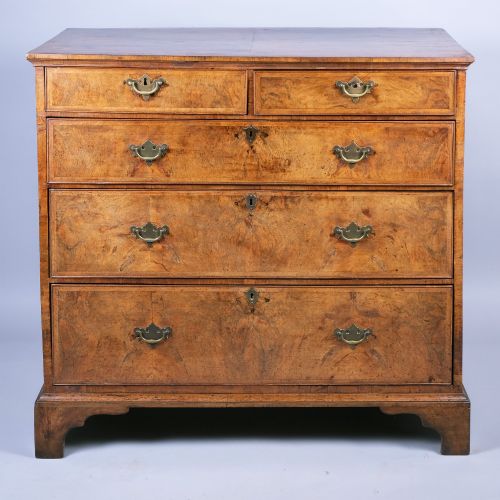
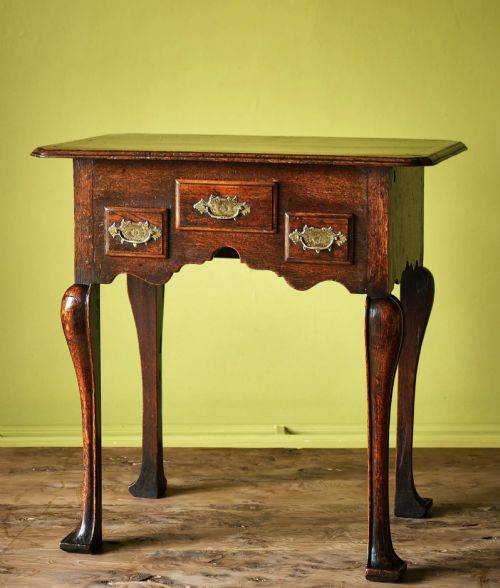
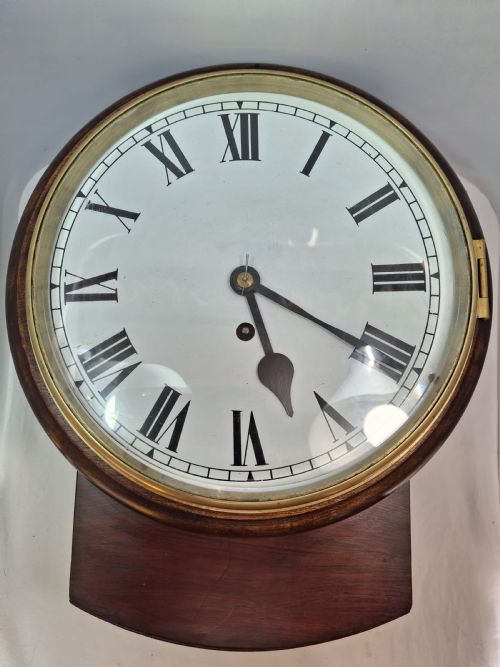
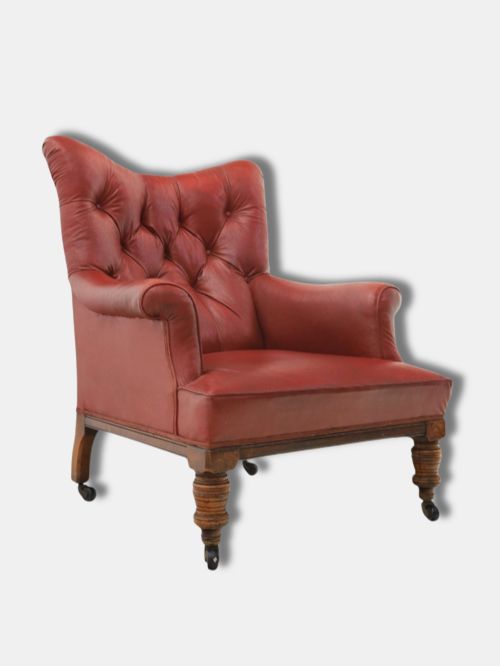
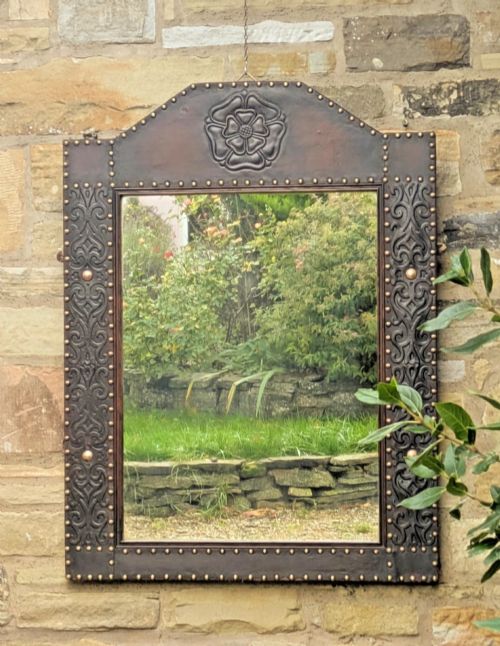
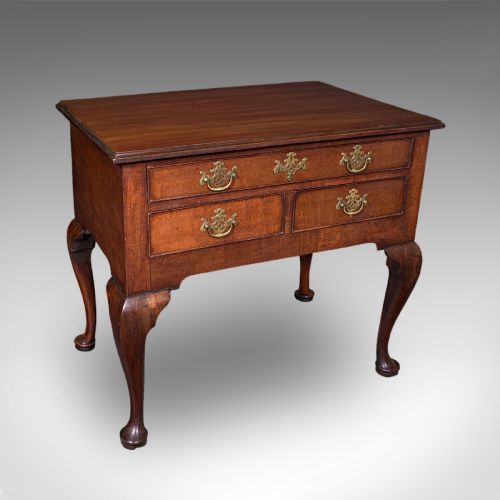
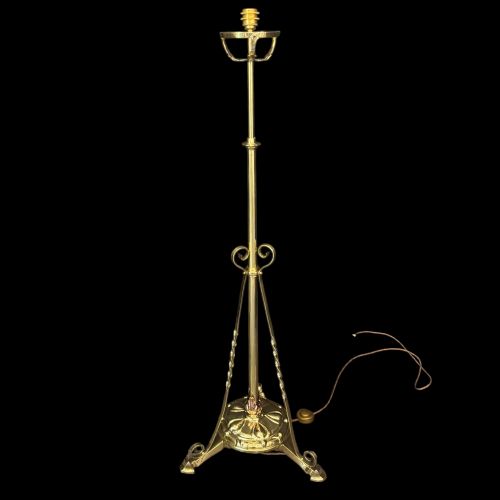
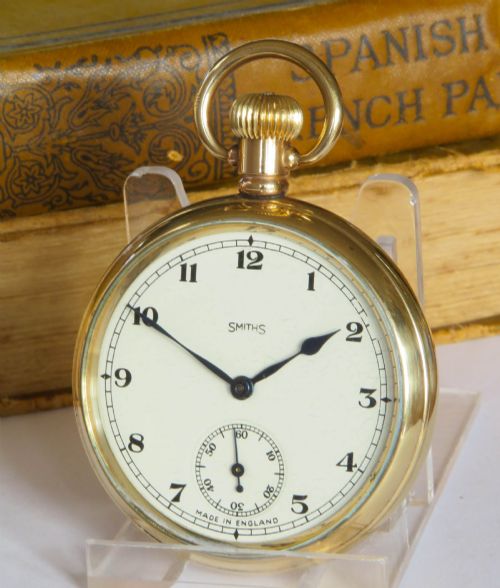
The objects listed under this phrase range from wall clocks and barometers to fire dogs, desk magnifiers, and furniture mounted with brass inlay. These pieces combine utility with decorative metalwork characteristic of British craftsmanship from the eighteenth to the early twentieth century.
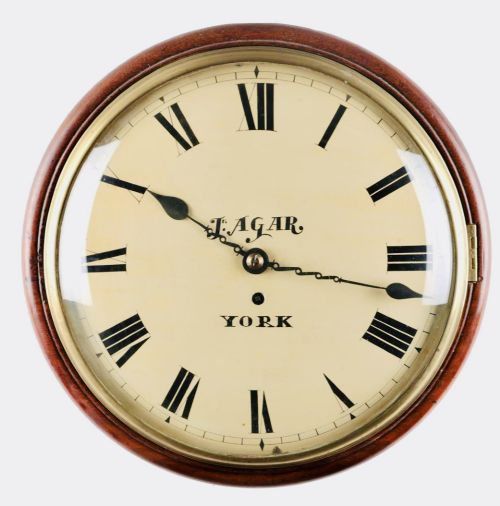
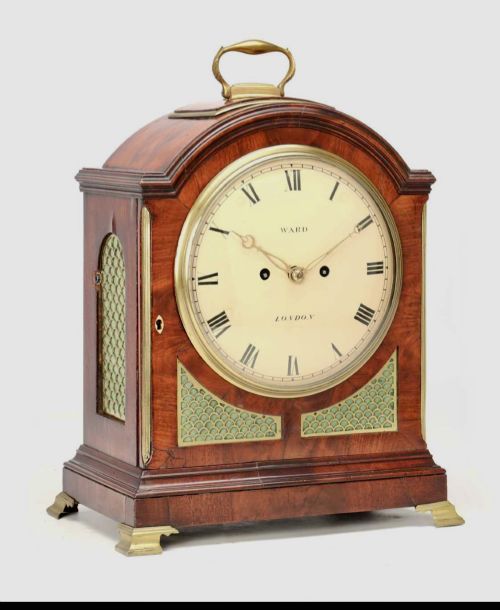
Victorian and Regency examples appear frequently, alongside Georgian pieces such as dial wall clocks and bracket clocks. The selection covers domestic accessories and precision timepieces designed for both public and private spaces.
Factors determining quality
Precision of movement and crispness of cast detail separate standard items from finer works. Horological pieces rely on the complexity and condition of internal fusee or verge movements signed by established makers.
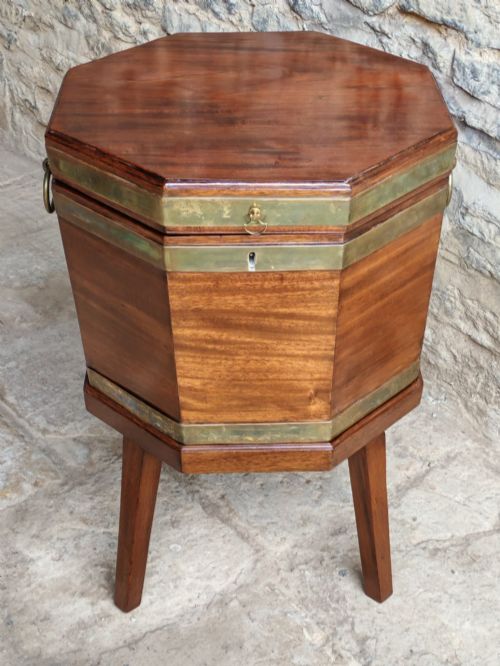
The integration of brass inlay into timber surfaces demonstrates cabinetmaking skill, where flush joints and retained original mounts elevate a piece. Heavy castings with sharp relief in decorative fire furniture indicate superior foundry work.
English Brass Retail Price Guide 2026
Typical asking prices for english brass among the pieces listed under this phrase on Sellingantiques today, from the lower quarter to the upper quarter. They describe what is for sale here now, not the wider market.
Slate shove ha'penny boards offer a solid stone surface for playing traditional British pub games without breaking a sweat.
Harrods·P Ketterer·J W Benson·Howard And Sons·Upjohn Of Exeter·Thomas Howard·Richard Jones·Gillows Oxford Street Workshop·Thomson Of London
The English Brass Glossary
- Fusee
- A conical pulley used in clockmaking to maintain even power as the mainspring unwinds. This mechanism ensures accurate timekeeping in dial wall clocks and bracket clocks.
- Verge escapement
- An early type of clock mechanism that regulates the speed of the gear train using a foliot or pendulum. It appears in eighteenth-century timepieces.
- Andirons
- Metal supports placed in a fireplace to hold logs above the hearth for better air circulation. They often feature cast brass terminals and match iron fire baskets.
- Banjo barometer
- A weather-measuring instrument shaped like a banjo, typically housed in a mahogany case with brass dials and indicators. Examples from the Georgian period often incorporate shell inlay.
- Stringing
- Thin inlaid lines of contrasting wood or brass set into the surface of furniture. Regency rosewood pieces frequently utilise this technique for linear decoration.
English Brass: Frequently Asked Questions
How do I identify a fusee wall clock?
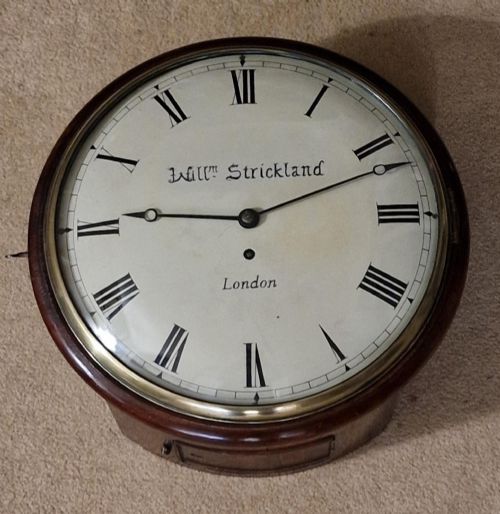
Fusee wall clocks feature a side door or base opening to reveal the wooden dial frame and internal brass movement driven by a chain or cord.
Dial faces often display maker signatures from retailers or clockmakers active during the Victorian and Georgian eras.
Where were brass inlaid tables used?
Brass inlaid tables served as writing desks, Pembroke tables, and compendium pieces in formal Regency and Victorian reception rooms.
Their polished rosewood or mahogany surfaces reflected candle and window light, complementing decorative metal mounts.
What is the purpose of fireplace andirons?
Fireplace andirons supported logs within open hearths before the widespread use of enclosed grates and central heating.
Paired with fire baskets, brass and iron variants added reflective warmth to nineteenth-century parlours.
How do I date a brass mounted barometer?
Dating relies on case geometry, wood selection, and dial typography, with banjo shapes and mahogany veneers pointing to Georgian or Victorian origin.
Maker signatures engraved on the brass faceplate provide specific workshop attributions.