

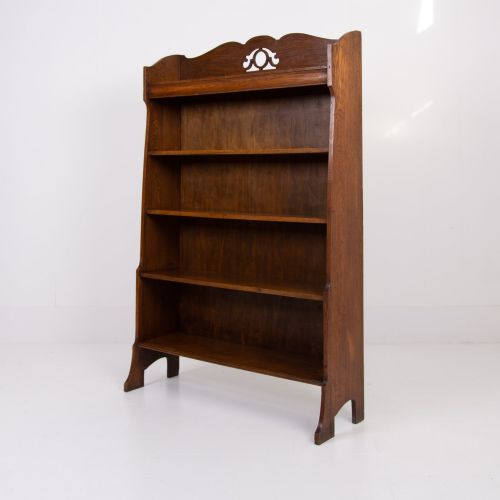
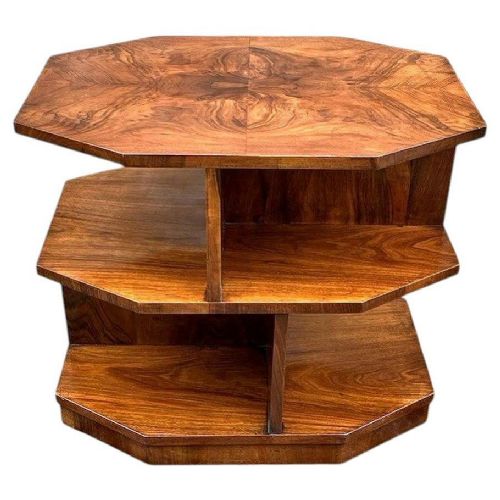
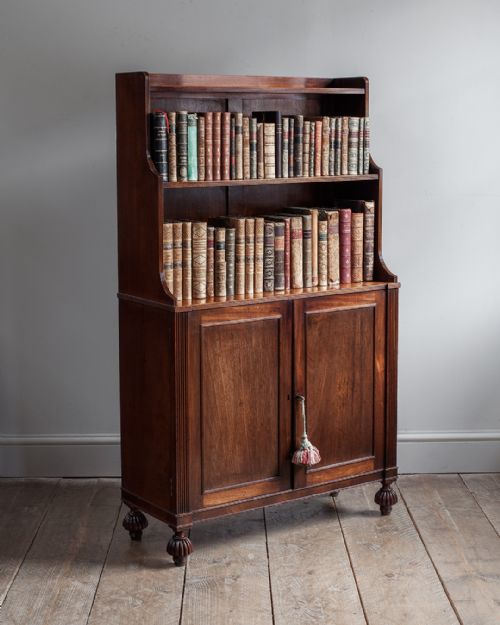


English Book Shelf
An English antique book shelf brings functional history into a room, offering sturdy timber shelving built to hold a growing collection of volumes.
English Book Shelf
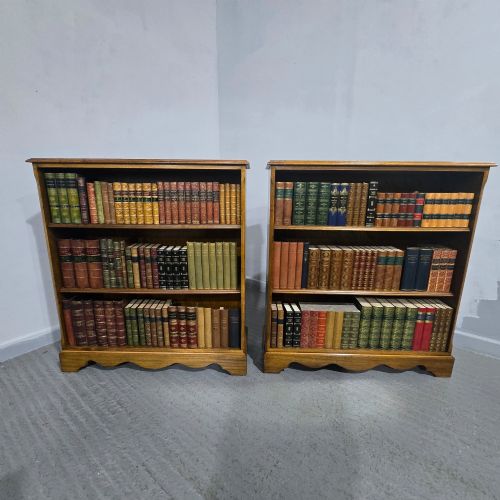
When searching for an english antique book shelf, buyers encounter a variety of forms ranging from open bookcases and wall shelves to compact side tables and sectioned book tables. The examples available here span several distinct eras, notably the Victorian and Georgian periods, alongside pieces from the early twentieth century.
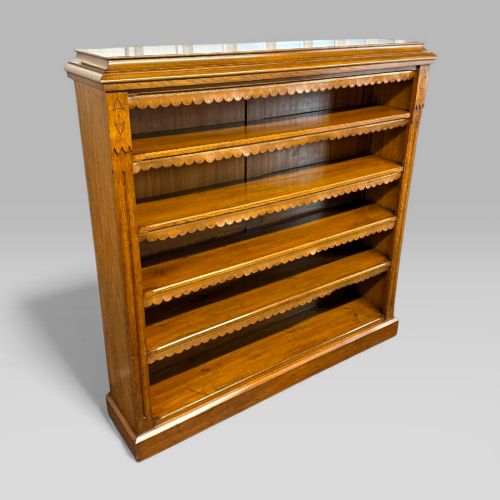
Most items on this page take the form of open bookcases or tiered shelving units designed for domestic libraries and studies. Alongside traditional timber cases, buyers will find related items such as decorative ceramic bookends and functional whatnot stands.
The regional origins and stylistic influences trace through Victorian, Edwardian, Aesthetic Movement, and Arts and Crafts traditions. Pieces also reflect earlier design revivals, including Tudor Revival and Gothic Revival aesthetics applied to standard household furniture.
Materials and construction methods
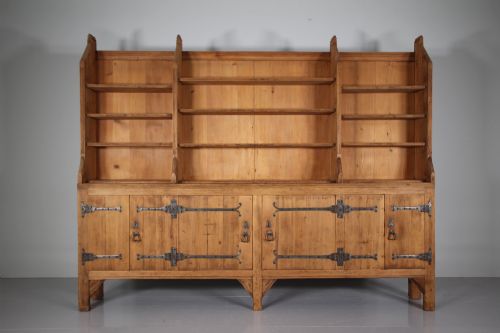
Makers relied primarily on traditional hardwoods such as oak, mahogany, and walnut, frequently utilising figured walnut veneer for decorative surfaces. Secondary timbers like pine appear in structural components, while brass and wrought iron provide hardware and support.
Construction techniques include precise joinery suited to heavy loads of books, alongside decorative carving found on oak and walnut structures. Painted finishes and polished mahogany surfaces demonstrate the range of surface treatments employed across different periods.
English Book Shelf Retail Price Guide 2026
Typical asking prices for english book shelf among the pieces listed under this phrase on Sellingantiques today, from the lower quarter to the upper quarter. They describe what is for sale here now, not the wider market.
Keep watch for recumbent ceramic lions standing guard over your volumes as heavy Victorian bookends.
Assessing quality in antique shelving
Quality reveals itself in the selection of timber, such as well-figured walnut veneer or dense, deeply grained oak, paired with sturdy construction that withstands the weight of heavy volumes. The refinement of decorative carving and the proportion of graduated shelves separate standard utility pieces from finer examples.
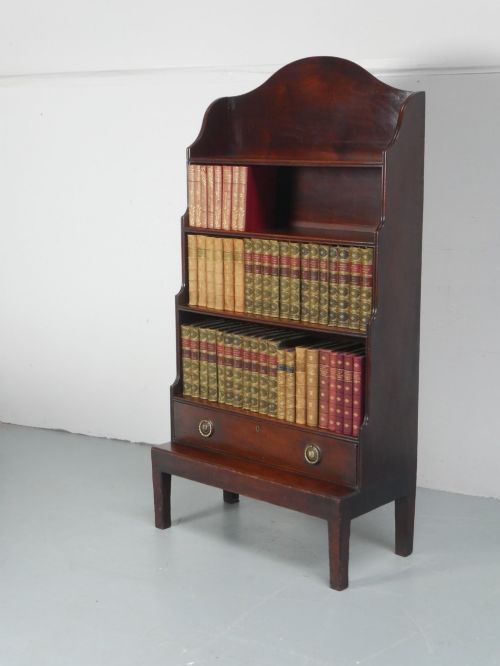
The integrity of the original finish and the subtlety of period details, whether the clean lines of an Arts and Crafts oak case or the polished elegance of a Regency mahogany waterfall design, define the upper tier of these pieces.
The English Book Shelf Glossary
- Waterfall bookcase
- A set of open shelves diminishing in depth from bottom to top, often featuring graduated tiers.
- Whatnot
- A piece of furniture consisting of a set of open shelves for displaying small objects or books.
- Breakfront
- A cabinet or bookcase whose central section projects forward beyond the flanking sections.
- Aesthetic Movement
- A late nineteenth-century design style emphasising visual beauty and craftsmanship over strict historical revival.
- Figured walnut veneer
- A thin slice of walnut timber with an attractive, swirling grain pattern applied over a secondary wood base.
English Book Shelf: Frequently Asked Questions
How do I date an antique bookshelf?
Dating relies on examining the timber species, construction techniques, and stylistic markers present in the piece. For instance, heavy oak frames with simple joinery often point to the Arts and Crafts movement or earlier revival styles, while figured veneers suggest later periods.
Hardware, such as brass screws or hinges, and the presence of secondary woods like pine also help narrow down the decade of manufacture.
Where should I place an open bookcase?
Open bookcases suit studies, living rooms, and libraries where easy access to frequently read volumes is desired. They benefit from placement against interior walls away from direct sunlight to protect aged timber and book bindings.
Ensuring adequate floor clearance and stable placement prevents tipping, particularly with taller oak or mahogany units.
What is a whatnot?
A whatnot is an open-shelved furniture piece designed primarily for display and storage of small household items and books. Originating in the Georgian era and continuing through the nineteenth century, these pieces utilise slender upright supports.
They offer a lighter alternative to enclosed bookcases while providing multiple tiers of vertical storage.