
English Bench
An english antique bench brings heavy timber and honest utility indoors, offering a grounded seat that anchors a hallway or garden.
English Bench
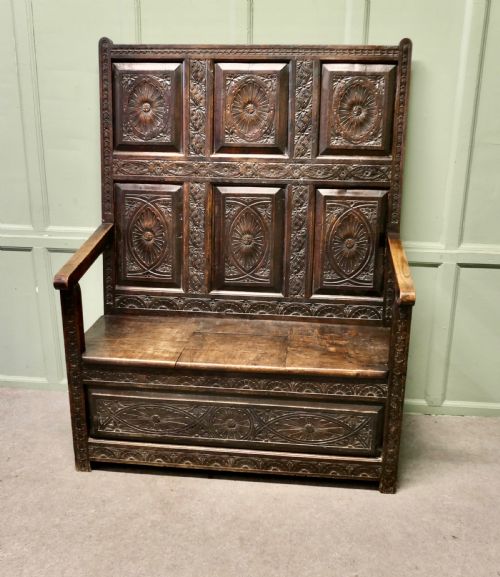
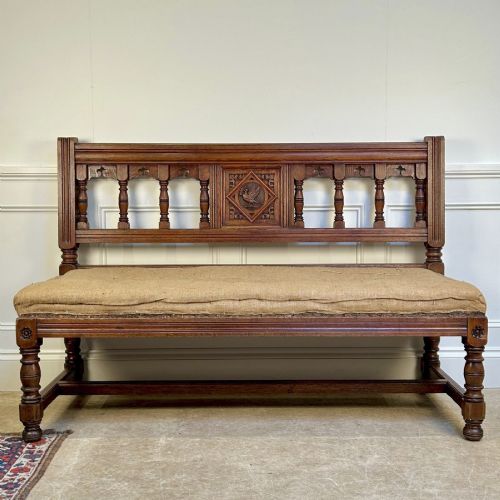
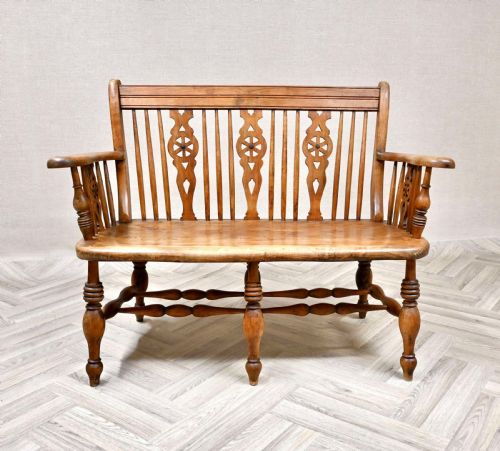
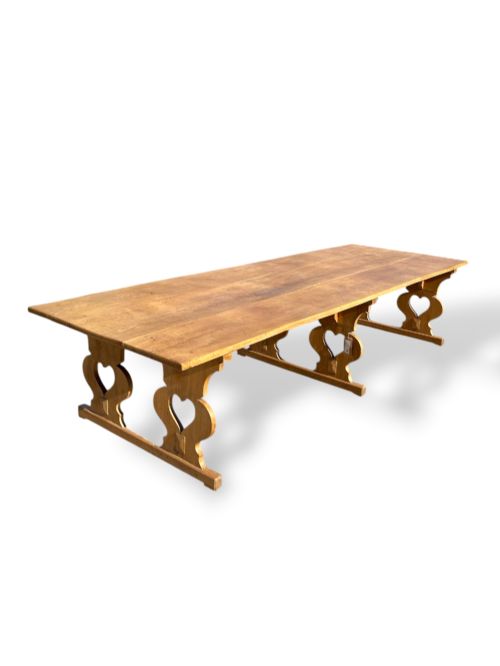
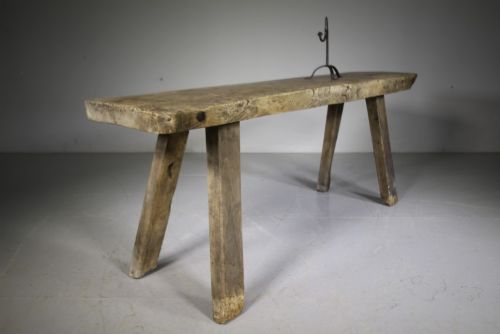
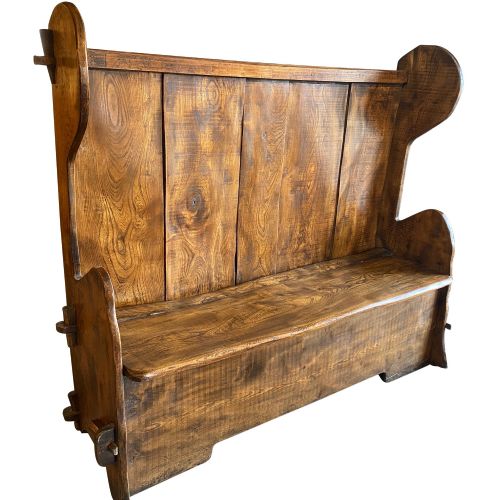
The term english antique bench covers a wide family of seating, from seventeenth-century oak settles with high panelled backs to slim hall seats and garden benches made of teak, iron or pine. Settles and box benches offer hidden storage beneath hinged lids, while joint stools and long forms provide low, sturdy seating shaped by centuries of domestic use.
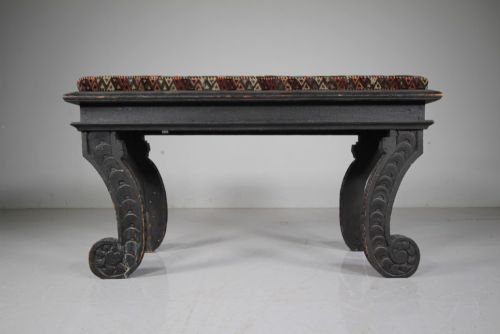
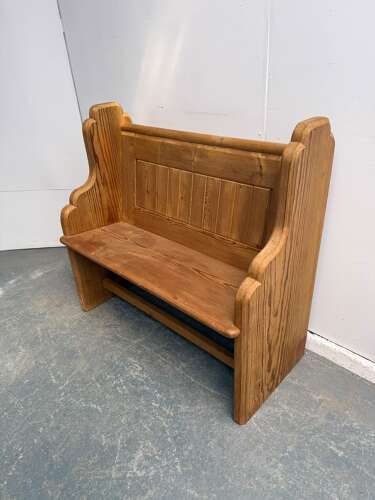
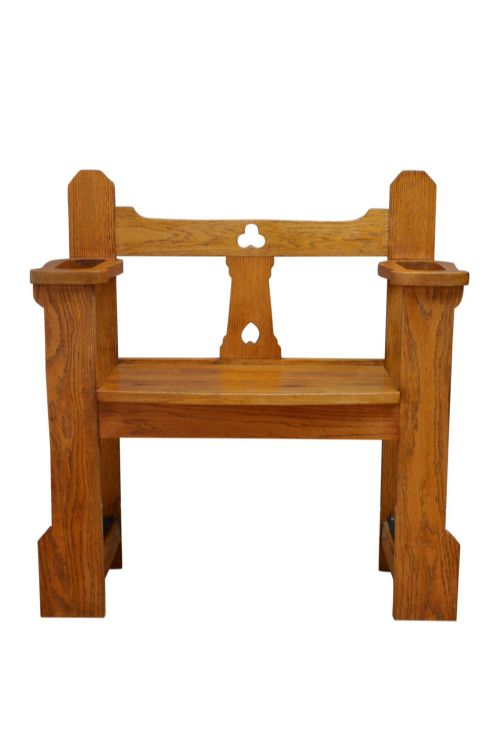
Makers and country joiners relied on native woods to build pieces that served specific rooms, whether placed in an entrance hall for heavy boots or set against an outside wall. The selection ranges from rustic vernacular pieces in pine and ash to formal gothic revival halls seats and victorian church pews.
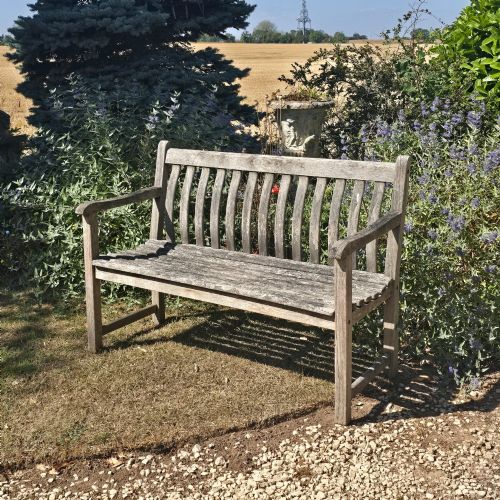
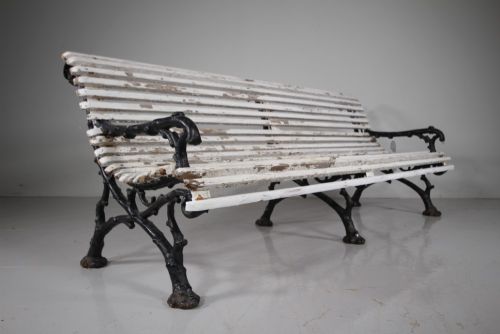
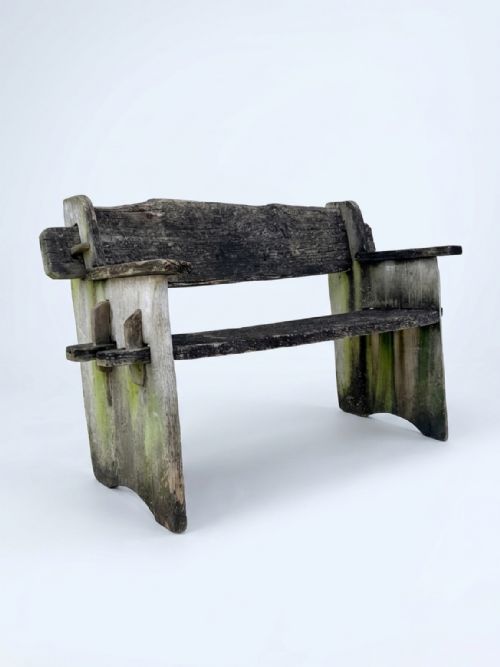
Proportions vary from narrow window seats designed for tight spaces to grand six-foot high-back settles meant to block draughts. Garden versions utilise weather-resistant teak and cast iron to endure damp outdoor conditions over generations.
Construction and Materials
Oak dominates the earlier centuries, joined with traditional pegged mortise and tenon joints that allow the heavy timber to move naturally without failing. Later pieces introduce pine, mahogany and walnut, shaped with turned legs, carved panels or slatted backs depending on whether the destination was a formal parlour or a working dairy.
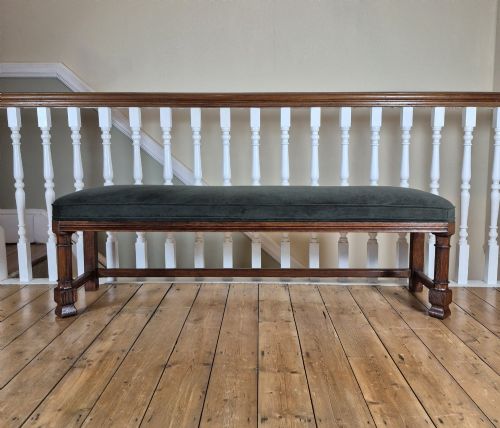
Garden pieces rely on cast iron, wrought iron and durable teak, often featuring slatted seats designed to shed rainwater quickly. Upholstered variants use horsehair and webbing beneath leather, velvet or fabric, secured with brass tacks.
Forms range from heavy box settles and gothic window seats to garden benches cast in iron.
Evaluating Craft and Condition
Quality rests in the integrity of the original timber and the restraint of any later restoration, with surface patination playing a central role in how a piece reads today. Untouched honey brown wax finishes and original paint surfaces command greater interest than stripped or overly sanded timber.
The crispness of hand-carved details on seventeenth-century panels or nineteenth-century gothic revival tracery distinguishes standard vernacular joinery from workshop pieces made by skilled hands. Structural survival also matters, as heavy daily use often required timber replacement to feet and stretchers over the centuries.
GIllows·J.P. White
The English Bench Glossary
- Settle
- A high-backed wooden bench with solid arms and a box base designed to shield the sitter from draughts in old hallways and kitchens. Early examples feature panelled construction held together with wooden pegs.
- Joint Stool
- A sturdy low seat built with closely fitted pegged joints rather than turned legs, common in seventeenth-century households. These serve as precursors to later benches and coffee tables.
- Box Bench
- A seat featuring a hinged lid that opens to reveal storage space beneath the squab. They were practical additions to farmhouses and civic buildings.
- Patina
- The deep sheen and varied colour developed on the surface of wood and leather through decades of handling, polishing and exposure to light. A good surface shows the history of the piece.
- Club Fender
- A low upholstered metal-framed seat that surrounds a fireplace hearth. They combine steel or brass bases with leather seating pads.
English Bench: Frequently Asked Questions
What is a settle bench?
A settle is a tall wooden seat with solid wings and arms designed to keep cold air away from the person sitting near an open hearth. The base often contains a box with a hinged lid for blankets or boots.
These pieces served as central furniture in older kitchens and halls before central heating changed domestic layouts.
How do I date an old oak bench?
Dating relies on construction methods, tool marks and the style of carving visible on the panels. Pegged joinery, hand-riven timber and archaic moulding profiles point toward seventeenth or eighteenth-century origins.
Later Victorian interpretations often copy these gothic and jacobean styles but use machine-sawn boards and standardised fixings.
Were garden benches always left outside?
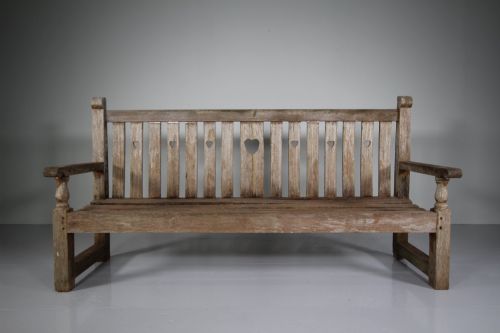
Teak and cast iron versions were built to withstand the elements, utilising rot-resistant timber and durable metal frames. Owners often brought lighter pine or wirework pieces indoors during harsher winter months.
Weathered surfaces on surviving outdoor pieces show decades of exposure to rain and sun.
Can I use an antique hall bench today?
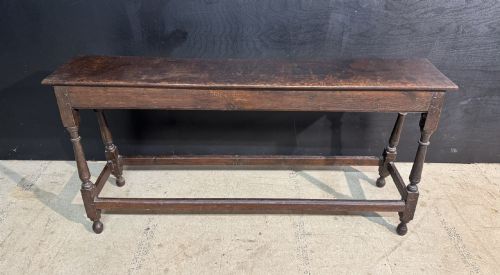
These pieces fit naturally into modern hallways, boot rooms and kitchens, offering practical seating alongside hidden storage for everyday items. Narrow proportions allow them to sit flat against walls without blocking walkways.
Regular waxing helps maintain dry timber exposed to modern indoor heating.