


Enamelled Silver Box
When you handle an enamelled silver box, you hold a miniature canvas where vitreous glass meets precious metal.
Enamelled Silver Box
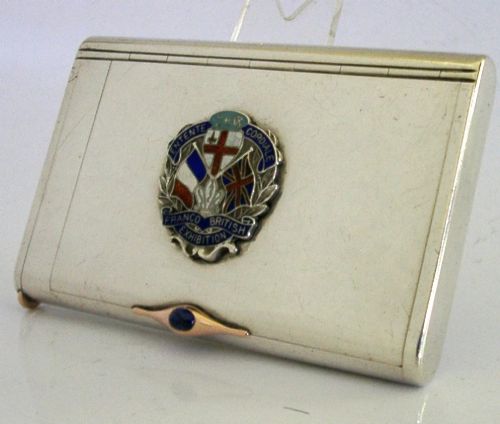
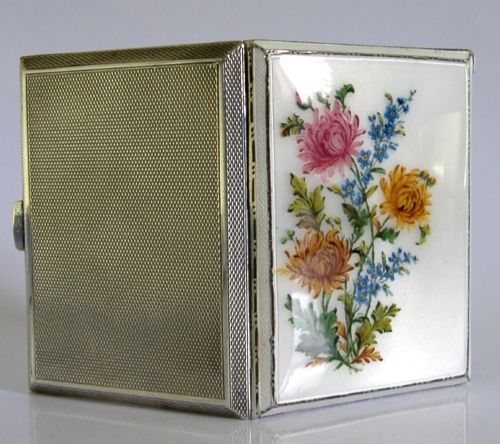
An enamelled silver box covers a diverse group of small containers created for personal grooming, tobacco use, and keepsakes. The selection spans utilitarian forms such as vesta cases, powder compacts, cigarette cases, and dressing table jars alongside decorative pill and trinket boxes.
Most examples encountered on this page date from the late Victorian and Edwardian eras through to the Art Deco and Mid-Century periods. British production, particularly from Birmingham workshops, is common alongside continental and Scandinavian pieces.
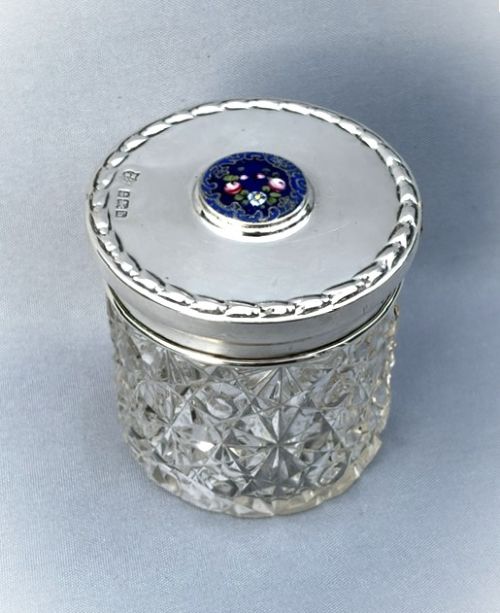
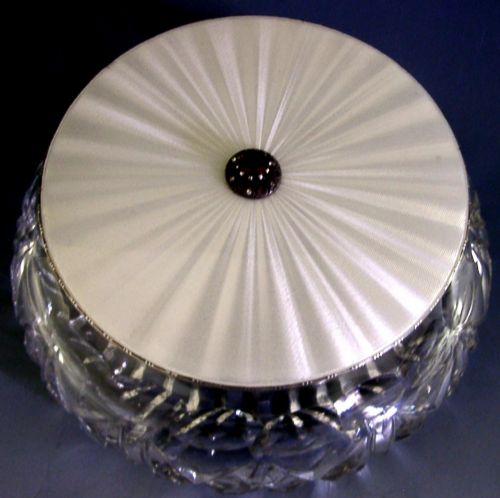
Makers utilised sterling silver, silver gilt, and 800 silver as foundations for decorative lids and bodies. Glass bodies with silver and enamel fitted lids also appear frequently among the dressing table jars and vanity boxes.
Materials and construction
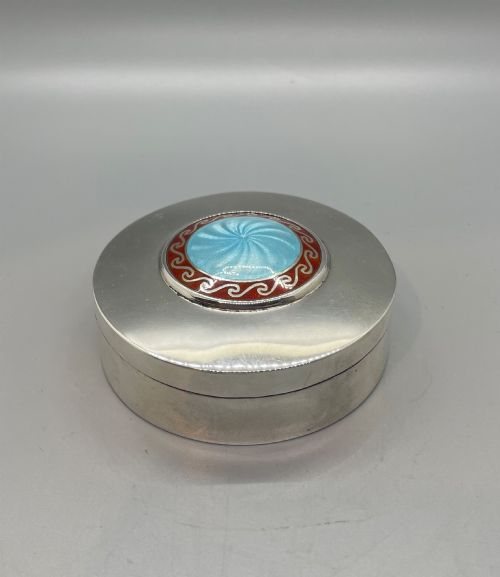
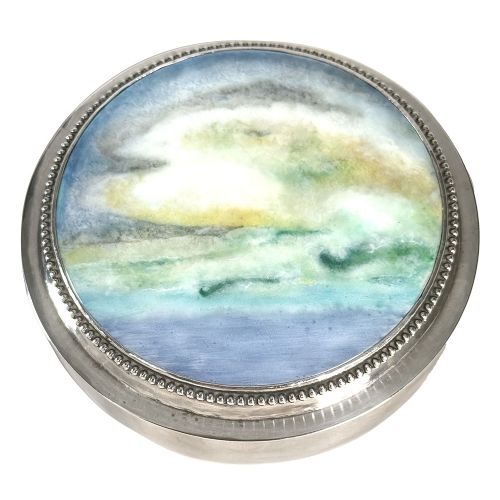
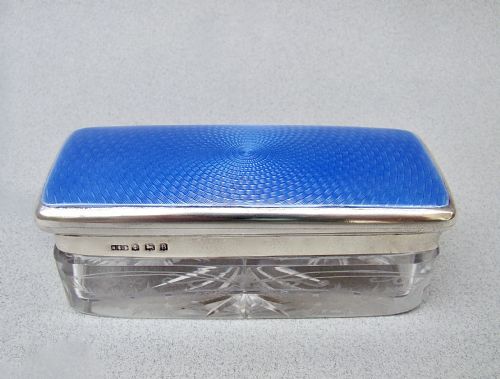
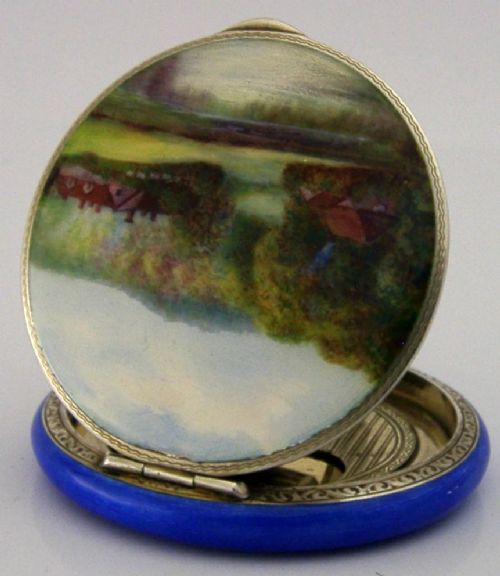
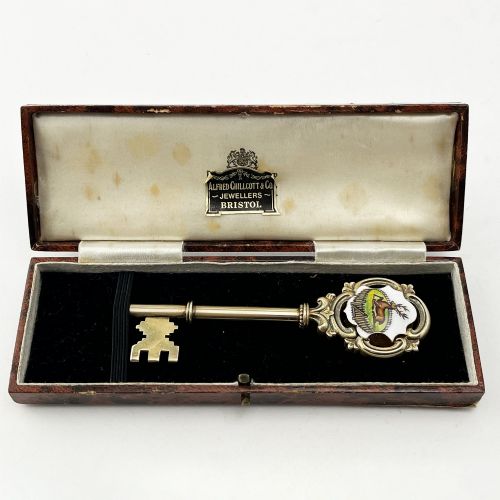
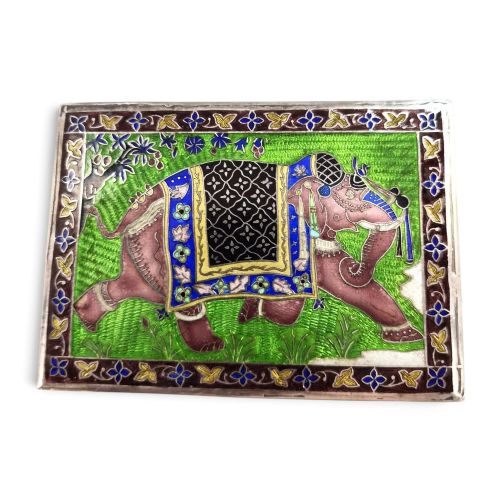
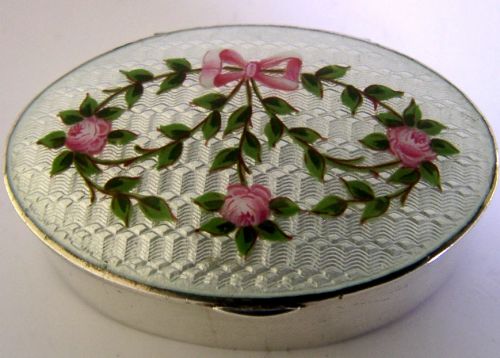
Makers fused powdered glass, known as vitreous enamel, onto prepared metal surfaces through high-temperature firing. Techniques ranged from translucent guilloche engraving beneath coloured enamel to opaque hand-painted scenes and cloisonne wirework.
Structural elements combine solid sterling silver or continental silver with interior linings of velvet, suede, wood, or glass. Hinges, bezels, and clasps were engineered to tight tolerances to secure delicate lids and protect contents.
Enamelled Silver Box Retail Price Guide 2026
Typical asking prices for enamelled silver box among the pieces listed under this phrase on Sellingantiques today, from the lower quarter to the upper quarter. They describe what is for sale here now, not the wider market.
Some cigarette cases managed to smuggle miniature portraits of racehorses and prize-winning pug dogs right into the smoking room.
Assessing quality and merit
The distinction between standard commercial production and finer work lies in the complexity of the enamelling technique and the precision of the metalwork. Hand-painted pictorial panels, intricate engine-turned guilloche patterns, and multi-coloured translucent applications demand advanced craftsmanship.
Maker attribution and assay office marks heavily influence desirability and historical interest. Pieces associated with notable firms or identifiable studio jewellers demonstrate superior design execution in both the structural box and the decorative surface.
Henry Clifford Davis·Fleetwood Varley·George Adam Scheid·Henry Matthews·Giuliano Spinelli·Edward I Farmer·Martin Hall and Co·David Andersen·Alfred Dunhill·Edward Souter Barnsley
The Enamelled Silver Box Glossary
- Guilloche
- A decorative technique where a mechanical lathe engraves a precise, intricate geometric pattern into metal before translucent enamel is applied over the top. This allows the underlying pattern to reflect light through the coloured glass.
- Vitreous Enamel
- A material made by fusing powdered glass to a substrate by firing, usually between 750 and 850 degrees Celsius. The resulting surface is durable, smooth, and resistant to chemical wear.
- Vesta Case
- A small pocket box designed to hold wax matches and keep them dry, typically featuring a striking serrated edge on the base. Many examples incorporate hinged lids and suspension loops.
- Cloisonne
- An ancient technique for decorating metalwork objects, in which flat wires are affixed to form compartments that are subsequently filled with enamel paste. The piece is then fired and polished to a smooth finish.
- Silver Gilt
- Sterling silver that has been coated with a thin layer of gold on its surface, often applied to the interior bowls of boxes to prevent tarnishing from cosmetics or tobacco.
Enamelled Silver Box: Frequently Asked Questions
What were enamelled silver boxes used for?
These containers served practical daily functions in the pocket or on the dressing table. Owners kept stamps, pills, matches, cosmetics, and cigarettes inside them to protect delicate items from moisture and damage.
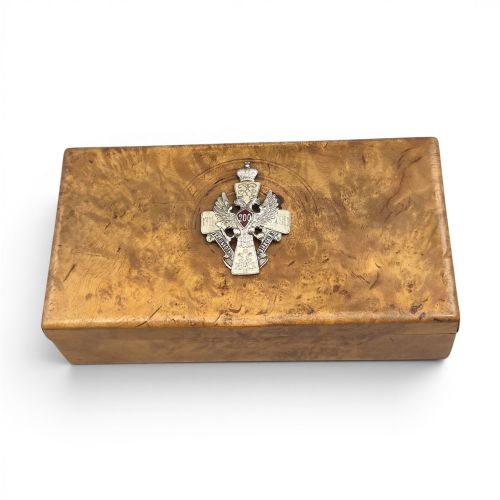
Wealthy patrons commissioned bespoke pieces bearing club burgees, regimental badges, or personal monograms. They functioned as status symbols as much as functional accessories for personal grooming.
How do I care for antique enamel?
Vitreous enamel is essentially glass fused to metal, meaning it requires gentle handling to prevent scratching or chipping. Clean pieces using a soft cloth and lukewarm water, avoiding abrasive polishes that damage the metal or dull the glass surface.
Keep them away from direct sunlight for extended periods and store them separately from harder metals. Silver components can be cleaned carefully with a specialist cloth while taking care not to rub the enamel edges.
How can I date an enamelled silver box?
British pieces typically feature hallmarks stamped into the silver, including assay office symbols, date letters, and maker marks. These marks provide precise years of manufacture for items originating in London, Birmingham, Sheffield, and other assay towns.
Stylistic indicators such as geometric guilloche patterns point to the 1920s and 1930s, while organic motifs suggest earlier Edwardian or Arts and Crafts origins. Continental items often rely on standard silver purity numbers rather than full date letter cycles.
Why is guilloche enamel so reflective?
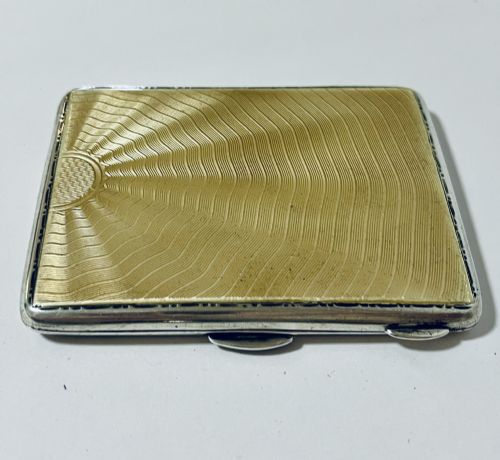
Guilloche relies on an underlying mechanical engraving that cuts precise waves or sunburst patterns into the silver baseplate. When translucent enamel covers these grooves, light bounces off the carved metal at varying angles.
This interaction creates depth and shimmering movement across the surface of compacts, jars, and cigarette cases. Solid opaque enamels lack this specific dimensionality because light cannot penetrate the pigment.