



Enamel Trinket Box Lid
An enamel trinket box lid is a portable work of miniature artistry, prized for colourful fired glass surfaces mounted in silver or porcelain.
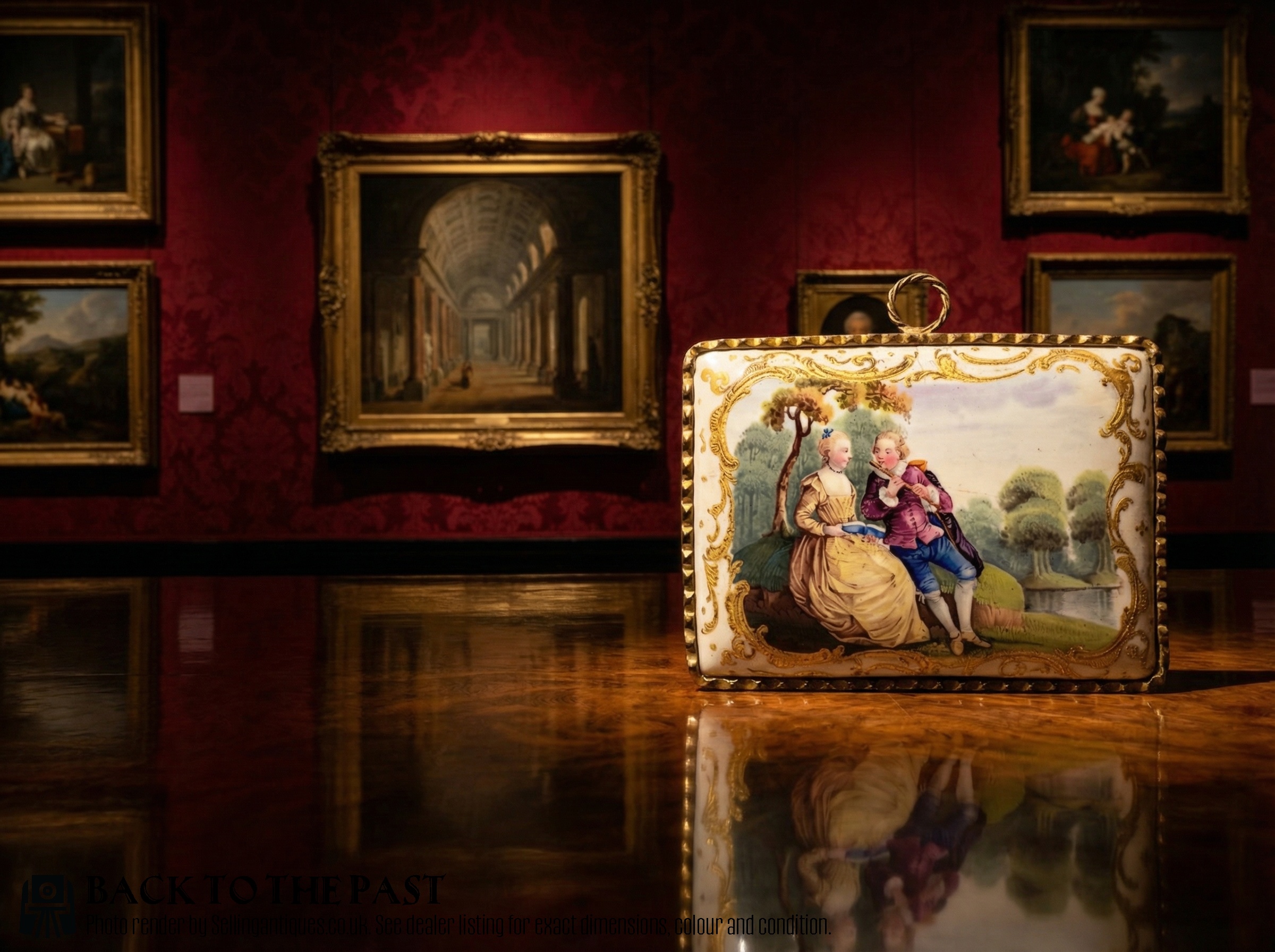
Enamel Trinket Box Lid
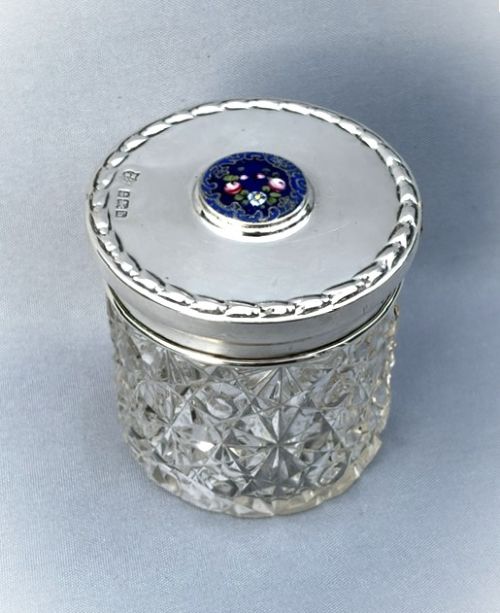
When you search for an enamel trinket box lid, you encounter survivors from dressing tables, pocket collections and desk sets spanning several centuries. These items range from Georgian patch boxes and 18th century Staffordshire snuffs to Edwardian silver pots and Art Deco vanity jars.
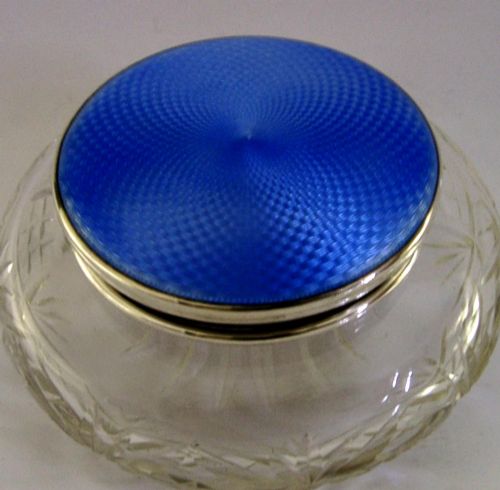
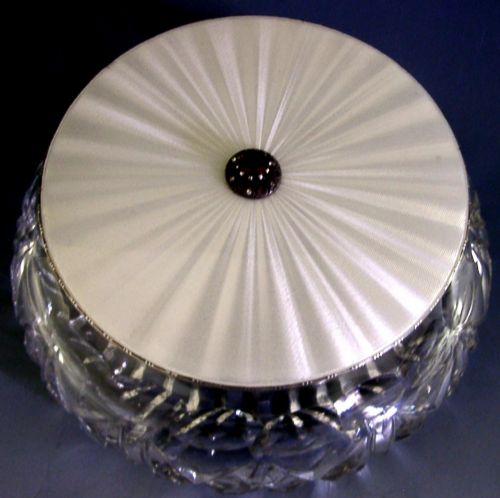
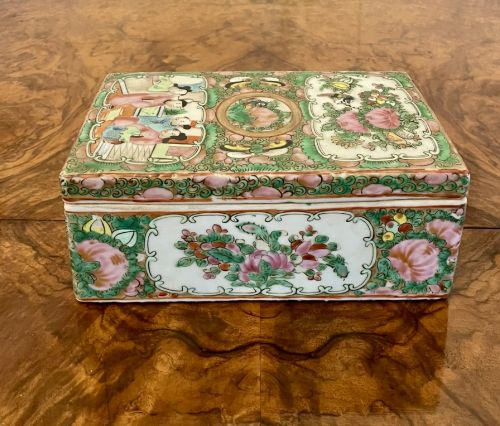
The most common examples on this page combine sterling silver or base metal mounts with glass, porcelain or copper panels carrying hand-painted or cloisonné decoration. They appear either as loose collector's lids or complete with their original jars, boxes and bowls.
Materials and construction
Makers fused powdered glass to metal or porcelain surfaces at high temperatures, creating smooth vitreous enamel panels that resisted wear and retained brilliant colour. Copper formed the traditional base for Staffordshire and Bilston boxes, while sterling silver, pewter and brass framed later Edwardian and Art Deco designs.
Intricate metalwork, such as cloisonné wire boundaries and hand-painted details, required steady hands and repeated kiln firings. Cut glass, cranberry glass and opaque glass bodies frequently paired with hinged silver lids to complete dressing table jars.
Listings feature periods from the 18th century through to the 1960s, employing materials including sterling silver, copper, glass and porcelain.
Judging the range
Quality rests upon the crispness of the painting, the complexity of the enamelling technique and the structural integrity of the metal mount. Superior pieces display finely detailed hand-painted scenes or precise cloisonné wirework without bubbling or hairline fractures in the glass surface.
The weight of the sterling silver frame, the smooth action of the hinge and the clarity of the underlying glass or porcelain further distinguish finer examples from standard commercial production.
The Enamel Trinket Box Lid Glossary
- Cloisonné
- A metalworking technique where thin wire partitions are soldered to a base to create cells filled with enamel paste before firing. This method produces intricate geometric or pictorial patterns.
- Patch box
- A small, shallow container designed to hold cosmetic beauty patches worn on the face during the 18th century. These items typically feature hinged enamel lids with mirror interiors.
- Bilston enamel
- Decorated copper enamelware produced in the Staffordshire town of Bilston during the 18th century. These pieces often feature delicate floral motifs or sentimental inscriptions.
- Vitreous enamel
- A material made by fusing powdered glass to a substrate by firing, usually between 750 and 850 degrees Celsius. The resulting surface is smooth, durable and impervious to chemical change.
- Pewter
- A malleable metal alloy consisting mostly of tin, combined with copper and antimony. It provides a dark, lustrous grey frame for arts and crafts panels.
Enamel Trinket Box Lid: Frequently Asked Questions
What is an enamel trinket box lid?
An enamel trinket box lid is the decorative cover of a small container, often salvaged as a standalone plaque or remaining paired with its original glass, porcelain or metal base.
These lids showcase miniature paintings, cloisonné work or geometric patterns preserved beneath a durable layer of fired glass.
How do I date an antique enamel lid?
Dating relies on hallmarks stamped on silver mounts, the choice of metal base, and stylistic indicators such as Georgian pastoral scenes or Art Deco geometric forms.
Material shifts, like the transition from 18th century copper cores to Edwardian sterling silver frames, provide reliable chronological markers.
Were these lids used for cosmetics?
Many smaller boxes functioned as patch or pill containers, holding facial patches or medicinal doses for daily carriage in pockets or handbags.
Larger variants served as dressing table jars for pins, rings and personal vanity items.
How should I display a loose lid?
Loose lids with flat profiles sit well on small display stands or within shallow cabinet trays alongside other cabinet ceramics.
Keeping them away from direct sunlight protects the pigments from fading over time.