
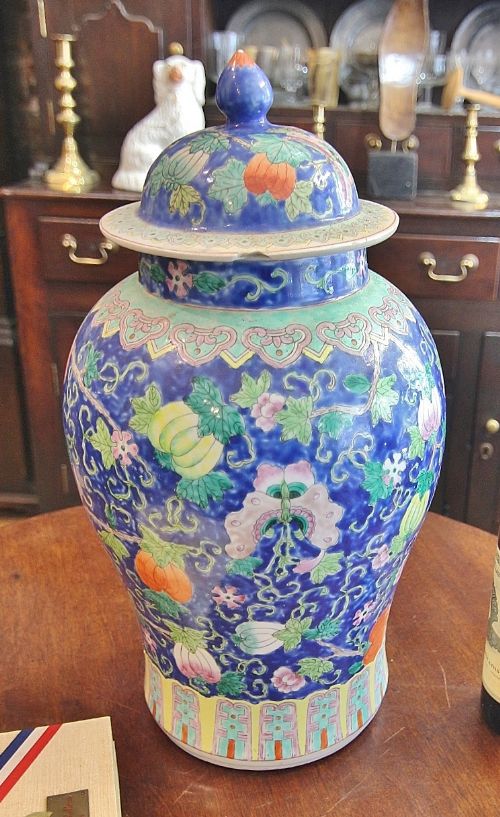


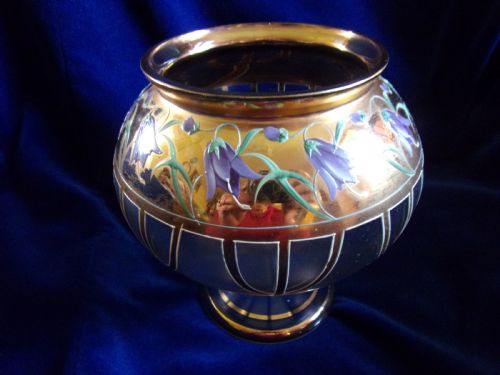


Enamel Floral Vessel
These enamel floral vessel pieces bring together rich metalwork, ceramics and glass shaped across centuries by Asian and European makers.
Enamel Floral Vessel
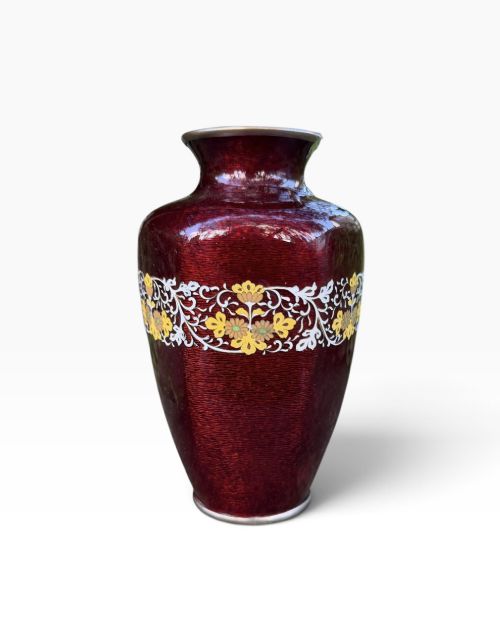
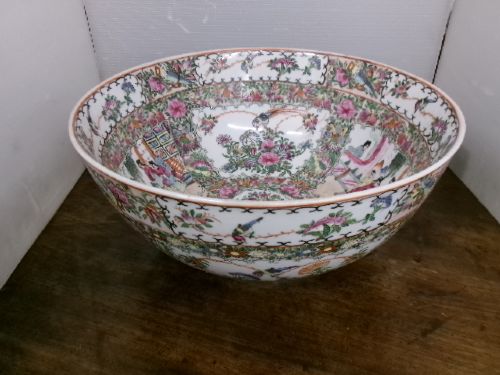
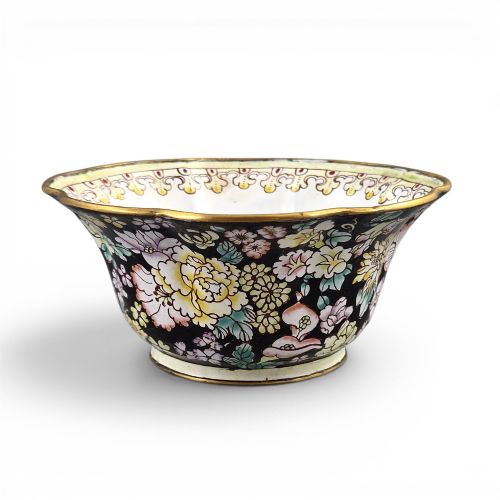
An enamel floral vessel serves as a decorative focal point, taking the form of vases, bowls, ginger jars, lidded jars and table lamps. When you search for this phrase, you encounter works spanning the nineteenth and twentieth centuries, originating from Chinese, Japanese and European workshops.
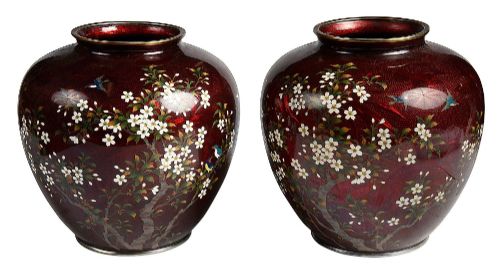
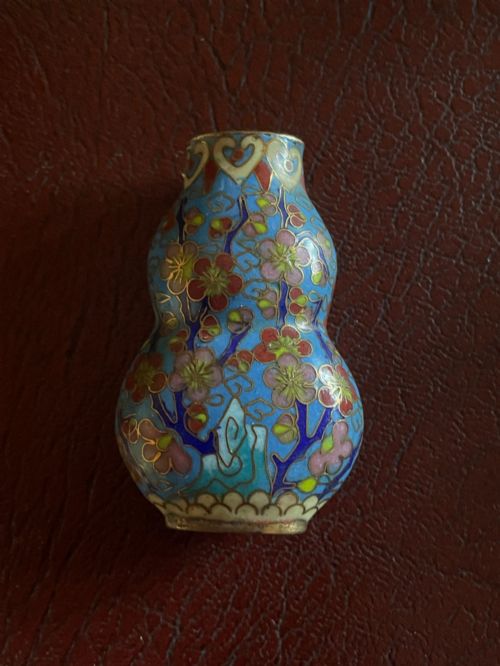
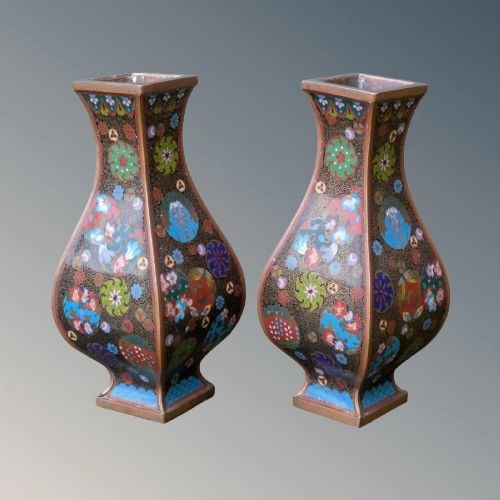
The most common examples on this page are Japanese cloisonné vases from the Meiji period and Chinese vessels featuring intricate enamelwork on copper, bronze or porcelain. European glass and stoneware pieces with enamelled floral decoration also appear regularly across the selection.
Forms range from miniature vases and cups to large jardinières and floor-standing urns. Each piece reflects the specific decorative tastes of its period, from Qing dynasty motifs to Art Nouveau botanical styling.
How they were made
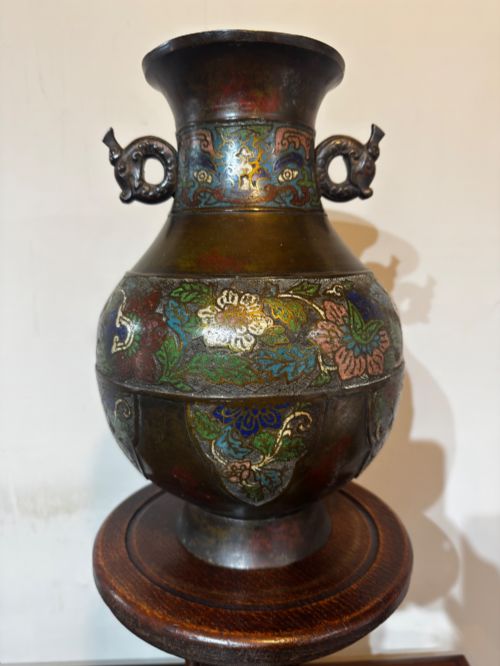
Metal vessels rely on techniques like cloisonné and champlevé, where wire partitions or carved depressions hold coloured enamel pastes before firing. Copper, bronze and brass provide the sturdy foundation for these intricate metallic surfaces.
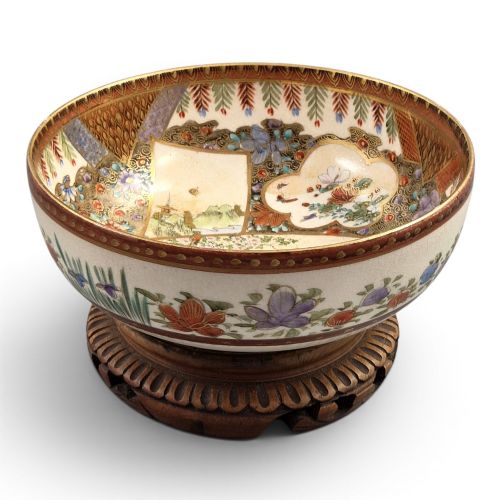
Ceramic and glass pieces utilise painted enamel decoration applied directly to porcelain, stoneware or blown glass bodies. Gilding and gold leaf often accent the floral designs, requiring careful secondary firings to fuse the metallic details to the base material.
Several vessels disguise themselves as tea pots, kettles and mugs, proving that historical flowers deserved very sturdy housing.
What varies in quality
The finesse of the enamel work dictates the distinction between standard production and master craftsmanship. Precision in wire placement for cloisonné or the subtlety of hand-painted brushwork on glass and porcelain elevates certain pieces above routine manufacturing.
Material substance and structural weight play a central role, seen in the thickness of the bronze or copper bodies and the clarity of the underlying glass or ceramic. Signed works from established Japanese or European studios generally demonstrate superior artistic execution.
Kozan·Tamura Yukio·Daum·Royal Doulton Lambeth·Kinkozan·Karl Palda
The Enamel Floral Vessel Glossary
- Cloisonne
- A technique where thin metal wires form raised cells on a metallic base to hold coloured enamel pastes. Artisans fire the vessel multiple times to vitrify the glass powders within the compartments.
- Champleve
- A method involving troughs or depressions carved directly into a metal surface to receive enamel decoration. The exposed metal outlines form a bold border around the coloured areas.
- Satsuma
- A type of Japanese earthenware featuring a pale, crackled ivory glaze decorated with intricate polychrome enamels and gold. It gained significant popularity during the Meiji period for export markets.
- Canton
- A style of Chinese export porcelain and enamelware characterised by colourful panels depicting figures, birds and flowers. These pieces often utilise vibrant greens and pinks against a gilt background.
- Opaline glass
- A delicate, translucent glass developed in Europe that diffuses light softly. It frequently serves as a canvas for hand-painted floral enamel motifs.
Enamel Floral Vessel: Frequently Asked Questions
How do I clean an enamel floral vessel?
Dust gently with a soft, dry cloth to protect delicate surfaces and metallic wires. Avoid liquid cleaners and chemical solvents, which can damage aged enamel or remove original gilding.
Keep pieces away from direct sunlight and areas of high humidity to preserve the stability of the metal, glass or ceramic bodies over time.
Are these vessels suitable for holding water?
Most antique and vintage vessels function primarily as decorative objects rather than practical flower holders. Historic joining techniques and delicate interior linings may not withstand moisture.
Displaying them dry protects the integrity of the enamel, copper, bronze and ceramic materials against internal corrosion or staining.
What defines the Meiji period style?
Meiji period works display exceptional technical precision, particularly in Japanese cloisonné and Satsuma ceramics. Artisans focused on naturalistic floral and bird motifs executed with extreme clarity.
Objects from this era often bear signature plaques or maker marks identifying the specific studio or artist responsible for the creation.