

Empire Style Ormolu Bronze
Empire style ormolu bronze pieces combine classical cast metalwork with golden mercury gilding to bring stately 19th-century elegance to interiors.
Empire Style Ormolu Bronze
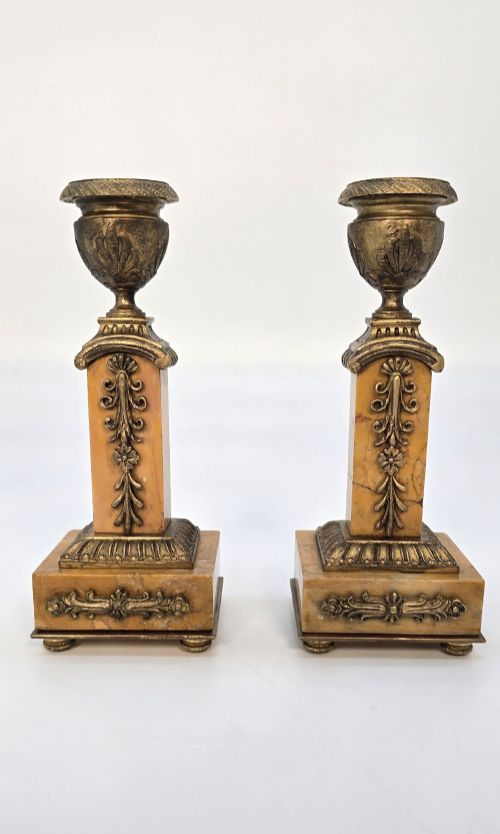
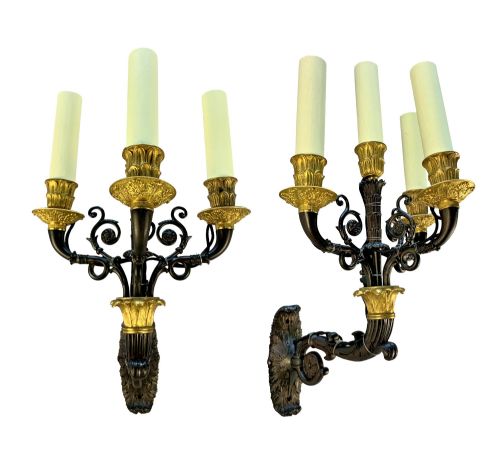
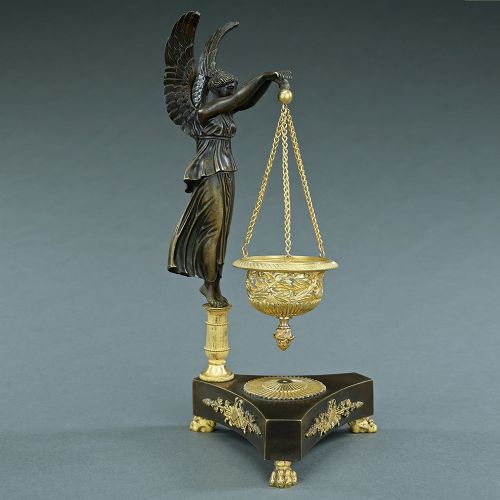
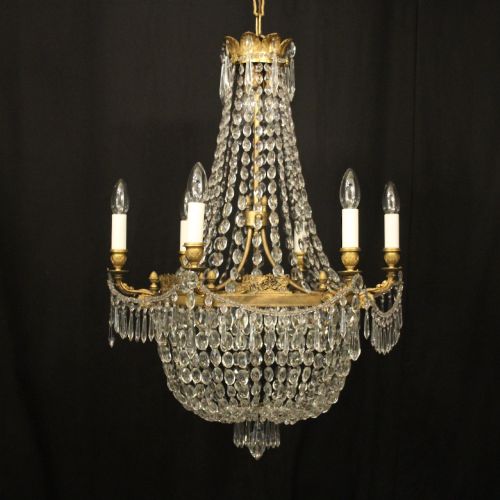
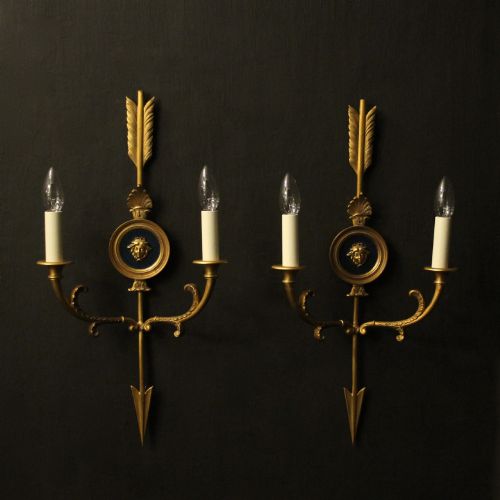
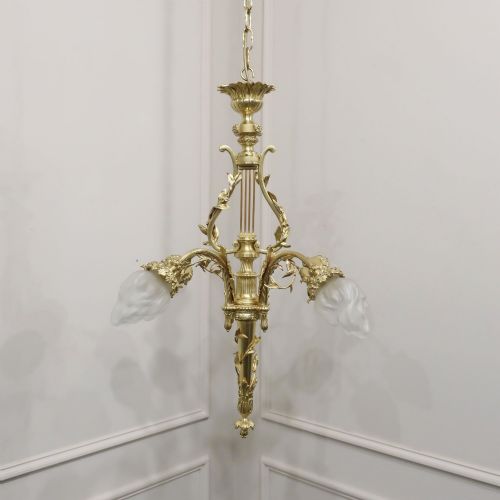
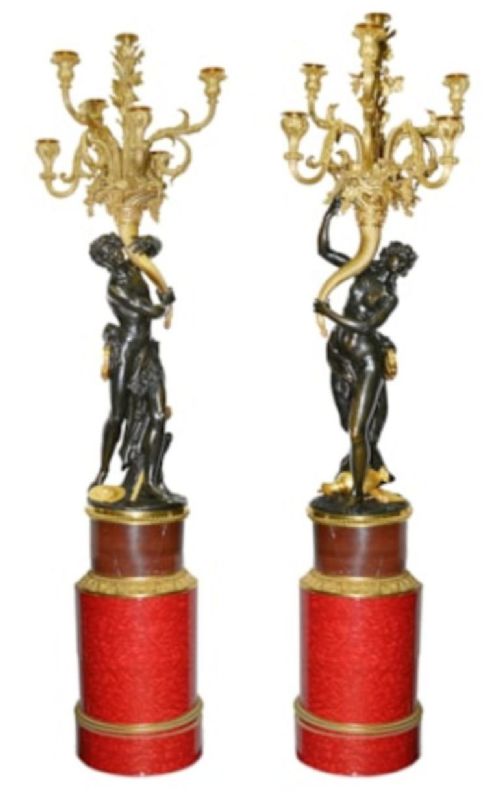
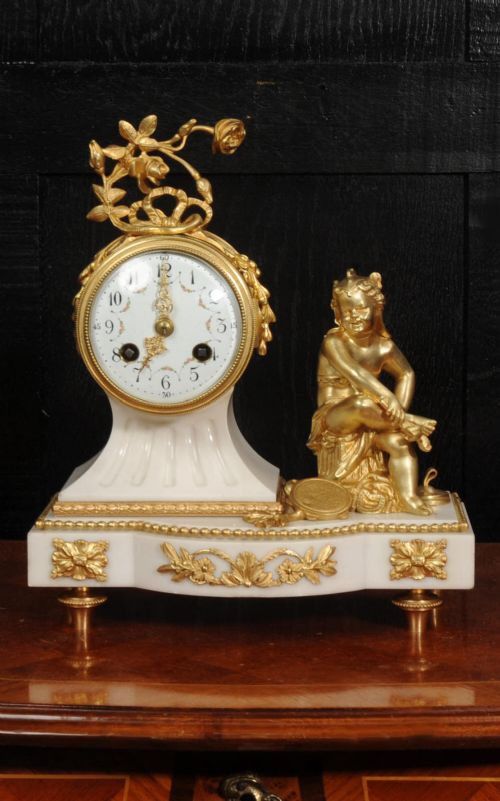
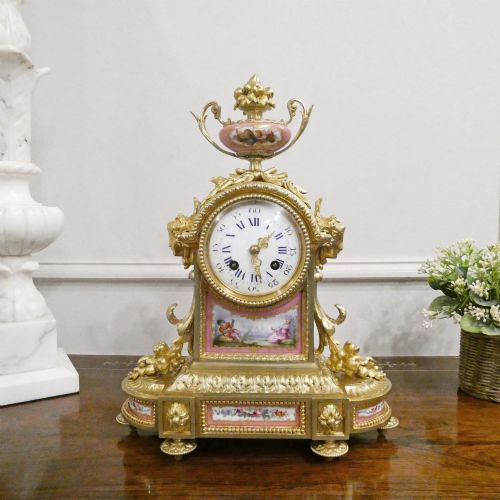
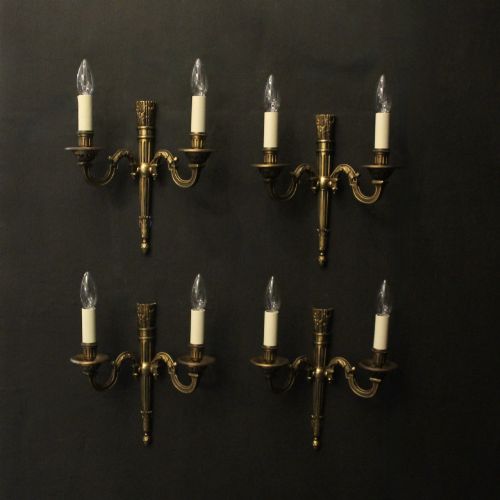
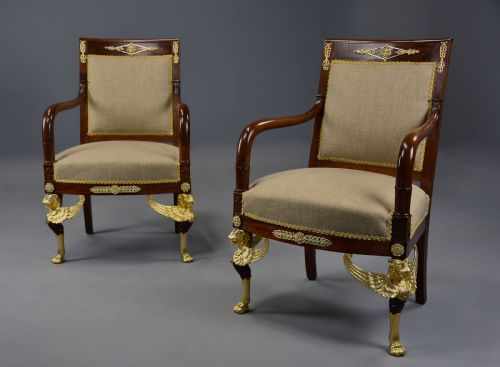
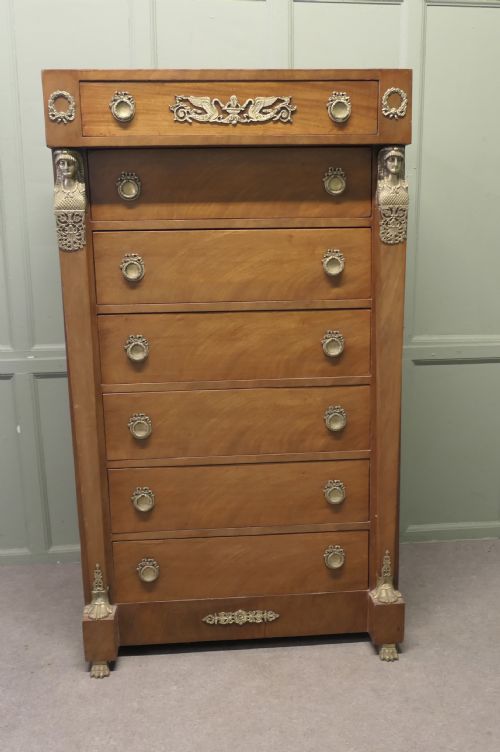
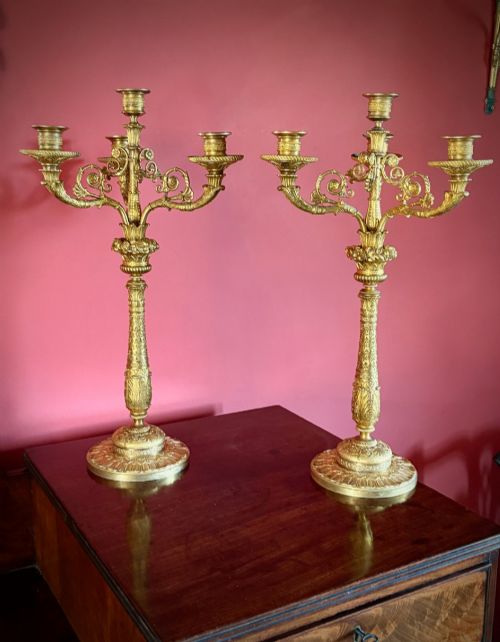
Empire style ormolu bronze items encompass decorative objects, lighting, and furniture mounts produced predominantly during the 19th century and its subsequent revivals. The phrase covers functional and ornamental forms such as candelabra, mantel clocks, wall lights, and centrepieces.
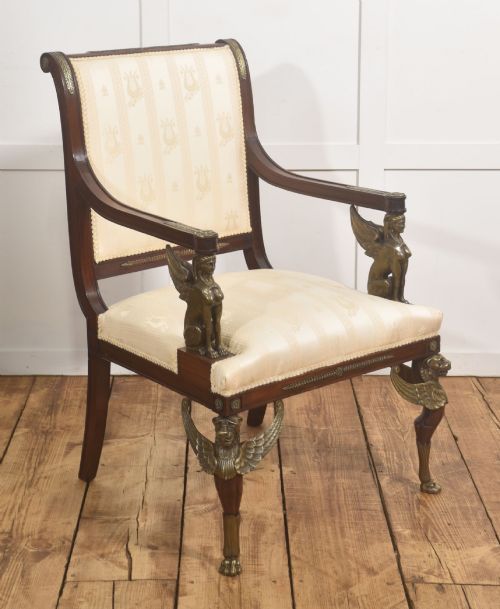
Buyers frequently encounter French candelabra, clocks featuring works by makers like Japy Freres, and mahogany furniture accented with cast metal mounts. These pieces draw heavily on Neoclassical, Louis XVI, and French Empire aesthetics.
Originating largely from French workshops, these items also appear in Regency English and Italian interpretations. The common thread is the integration of gilded bronze and ormolu with materials like marble, glass, and mahogany.
Materials and construction methods
The creation of these pieces relies on bronze or brass cast in detailed moulds, followed by meticulous hand-chasing to sharpen the surface relief. Artisans then applied a mercury gold amalgam, known as ormolu, which was heated to bond the gold to the base metal.
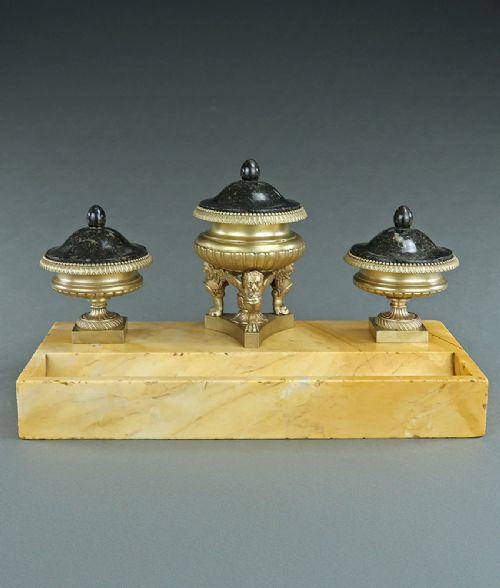
Makers combined this gilded metalwork with contrasting natural materials such as white or green marble bases, rich mahogany timbers, cut glass, and porcelain. Structural integrity depended on threaded brass screws and peg joints concealed within the design.
Enamel dials on clocks and hand-cut crystal inserts in centrepieces demonstrate the multi-disciplinary craft involved in assembling a finished object.
Hercules once held the candles while Hesione watched the room from a French mantel.
Distinctions in craftsmanship
The weight of the bronze and the choice of companion materials, such as solid figured mahogany or heavy Sienna and white marble, indicate the original cost of manufacture. Integrated mechanical components, such as clock movements by named makers, add an extra layer of structural achievement.
Preservation of the original mercury gilding without excessive rubbing or chemical cleaning determines the visual integrity of the surface.
Japy Freres·Pierre Philippe Thomire·Krieger Paris
The Empire Style Ormolu Bronze Glossary
- Ormolu
- A gold-mercury amalgam applied to bronze or brass to produce a rich golden surface finish. This technique was widely practiced in French workshops during the 19th century.
- Candelabra
- Branched lighting fixtures designed to hold multiple candles, often heavily decorated with classical motifs. They frequently appear in matched pairs.
- Chenets
- Metal fire dogs placed at the hearth to support logs, usually featuring decorative bronze or ormolu fronts. These items coordinate with the room's overarching neoclassical style.
- Bureau Plat
- A freestanding double-sided writing desk featuring a flat leather-lined top and bronze mounts. These desks are typically executed in mahogany or walnut.
- Chasing
- The process of refining a cast metal surface using small punches and hammers to add texture and detail. This hand-work distinguishes higher-grade metalwork.
- Boulle
- A form of marquetry utilising brass and tortoiseshell inlaid into an ebonised carcase. It frequently accompanies ormolu mounts on cabinets and desks.
Empire Style Ormolu Bronze: Frequently Asked Questions
How do I clean ormolu bronze?
Dust gently with a soft dry cloth to prevent accumulation of grit within the chased recesses.
Avoid chemical polishes and water, as abrasive cleaners will strip the delicate historic gold layer from the bronze beneath.
Where should I place a candelabra?
These pieces function well as symmetrical centrepieces on dining tables, sideboards, or mantelpieces.
Ensure they sit away from heavy foot traffic to protect the projecting arms and candle pans from accidental knocks.
How can I tell the period?
Examine the construction methods, such as the type of screw threads, the quality of the bronze casting, and the secondary timbers used in furniture.
Comparing the stylistic motifs, such as 'Retour d'Egypte' details or Louis XVI revival elements, helps narrow the date of manufacture.
Are clock movements original?
Many 19th-century clocks retain their period mechanical movements, sometimes stamped by makers like Japy Freres.
Inspect the interior for matching serial numbers and evidence of professional servicing over the decades.