




Empire Period Table
An empire period table brings monumental classical form and rich mahogany surfaces into a room.
Empire Period Table
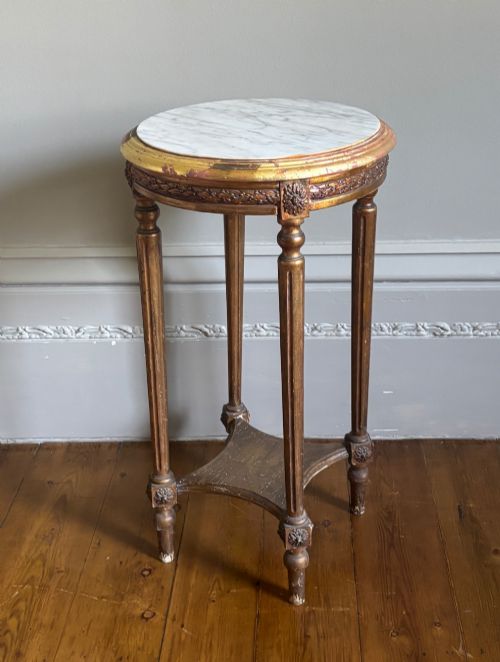
When you search for an empire period table, you encounter substantial forms rooted in nineteenth-century neoclassical design. The examples recorded here span console tables, centre tables, gueridon tables, side tables, and writing desks from the nineteenth century, Regency, and Charles X Restauration periods.
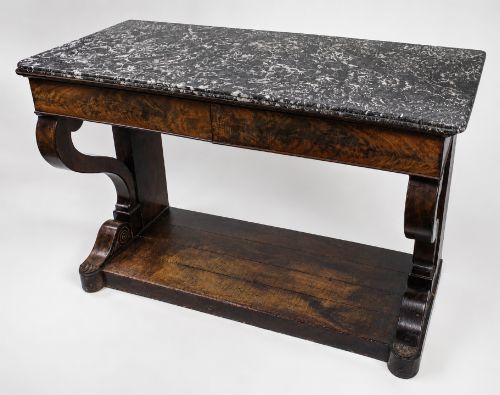
You are most likely to meet mahogany centre tables and marble-topped console tables bearing the characteristic architectural weight of French Empire and Regency design. These pieces anchor a room with dark timber and gleaming metal mounts.
The selection ranges from early nineteenth-century walnut console tables to later oak writing desks reflecting antique traditions. Each variation displays the distinct structural gravity associated with the search phrase.
Materials and construction
Cabinetmakers constructed these tables using dense hardwoods such as mahogany and walnut, frequently selecting figured timber for prominent surfaces. Structural integrity depended on solid joinery designed to support heavy stone components.
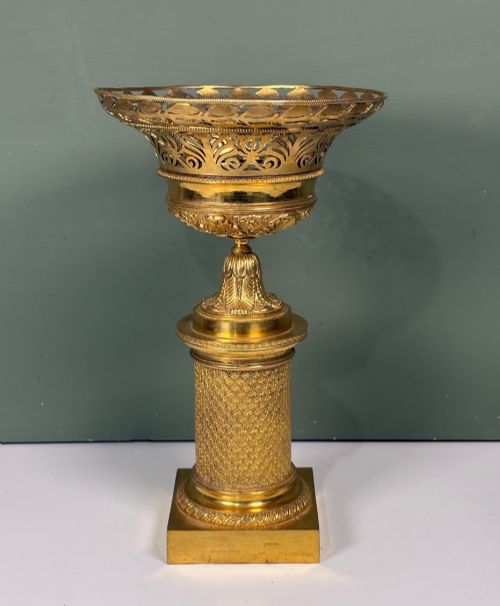
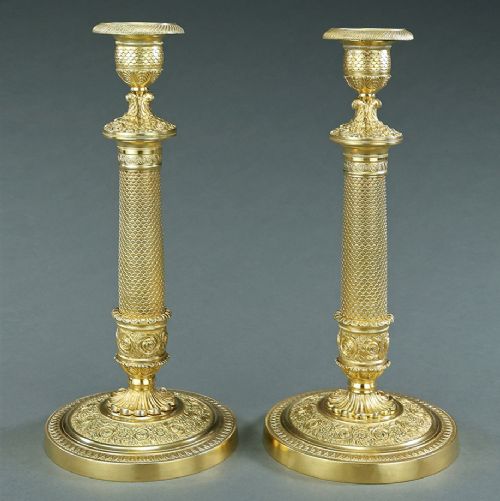
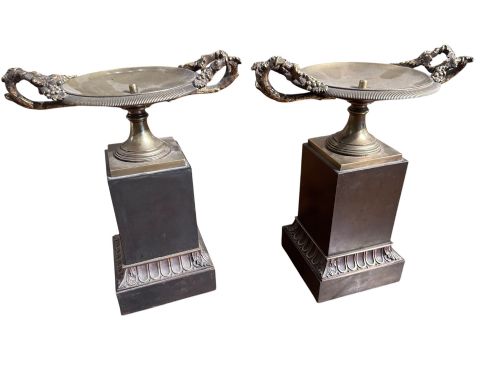
Cutter and founder work combined patinated bronze and fire-gilded ormolu mounts with natural stone tops in white carrara or grey marble. Parcel gilding and brass accents completed the decorative vocabulary recorded across the listings.
Empire Period Table Retail Price Guide 2026
Typical asking prices for empire period table among the pieces listed under this phrase on Sellingantiques today, from the lower quarter to the upper quarter. They describe what is for sale here now, not the wider market.
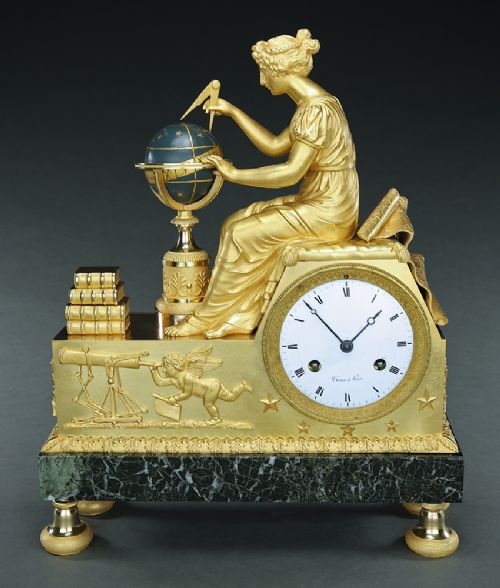
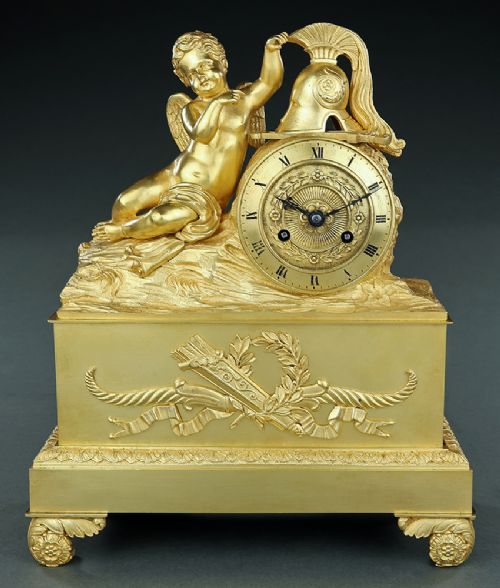
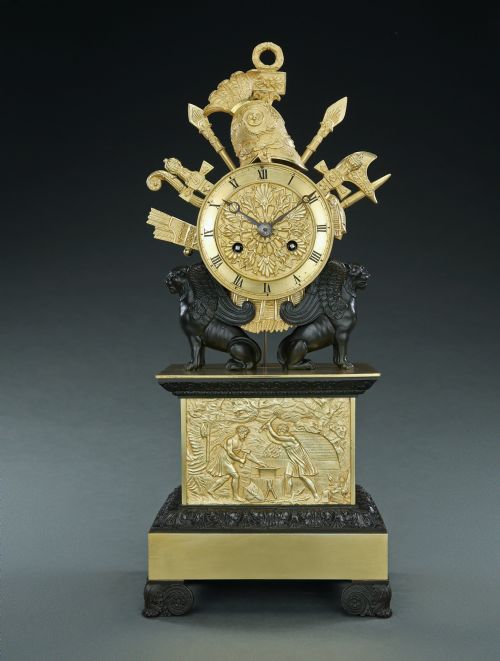
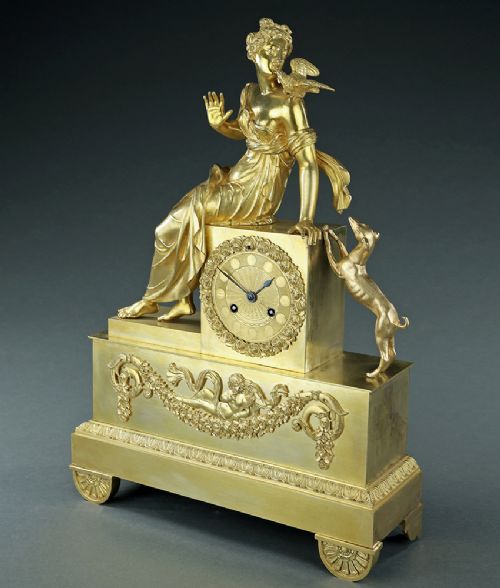
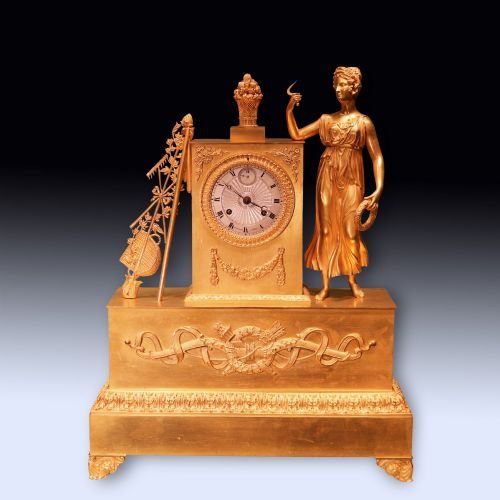
Several tables share cabinetmaker workshops with monumental clocks dedicated to love, fidelity, and astronomical pursuits.
Factors of quality
The standard of execution in cast bronze mounts separates standard production from exceptional examples, dictating the crispness of foliage and figural detail. Superior workshops employed deep mercury gilding that retains its warm metallic lustre over centuries.
Timber selection and veneer matching determine the visual depth of the mahogany surfaces, while the weight and thickness of the fitted marble slabs indicate the ambition of the original commission.
Jean-Joseph Chapuis·Rabiat·Canaillor of Paris·Ravrio·Reiche·Pons de Paul
The Empire Period Table Glossary
- Ormolu
- Gilt bronze produced by applying a mercury and gold amalgam to a bronze object before firing. This technique creates a durable, luminous golden finish characteristic of fine nineteenth-century metalwork.
- Gueridon
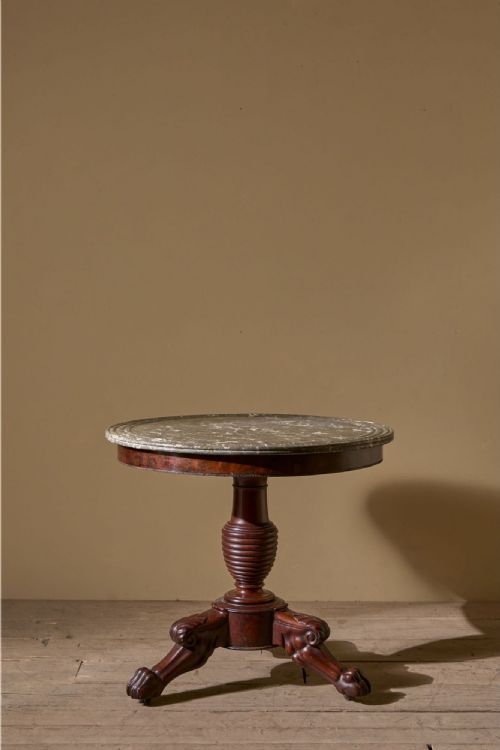
- A small circular table supported by a central pillar or a cluster of columns. These tables often feature marble tops and heavy timber bases.
- Console table
- A wall-mounted or freestanding table designed to stand against a vertical surface, frequently topped with white or grey marble. They often incorporate architectural legs or figural supports.
- Restauration period
- A French design epoch spanning the reigns of Louis XVIII and Charles X, bridging the transition between strict Empire style and later nineteenth-century revivalism.
- Patinated bronze
- Metal treated to produce a controlled surface coloration ranging from dark brown to deep green. This finish contrasts sharply with bright ormolu mountings.
Empire Period Table: Frequently Asked Questions
What defines an empire period table?
These tables are characterised by heavy mahogany or walnut timbers, architectural proportions, and classical bronze or ormolu mounts. They draw inspiration from ancient Roman and Greek designs adapted during the early nineteenth century.
Surfaces often feature fitted marble tops in grey or white carrara, supported by robust central pedestals or sturdy legs with gilt detailing.
How do I style a console table?
Place a console table against a primary wall in a hallway or reception room to establish an immediate classical focal point. Pair the stone top with balanced decorative objects such as candlesticks or clocks.
Ensure the wall space above accommodates a mirror or artwork that complements the monumental scale of the timber base below.
What is a gueridon table used for?
A gueridon serves as a versatile centre or occasional table designed for placement in the middle of a room or beside seating furniture. Historically, they held lighting or small decorative items.
Today, their circular marble tops and sturdy pedestals make them practical surfaces for lamps, books, and daily use.
How do I distinguish Regency from Empire?
Regency design shares synchronous timelines with the French Empire period but frequently incorporates British interpretations of classical motifs, lighter sabre legs, and rosewood alongside mahogany.
French Empire pieces generally display heavier bronze mounts, stricter symmetry, and more overtly monumental proportions derived from Napoleonic taste.