




Empire Bookcase
An empire bookcase brings architectural symmetry and classical restraint to a room, using rich timbers and polished metal mounts to hold a library.
Empire Bookcase
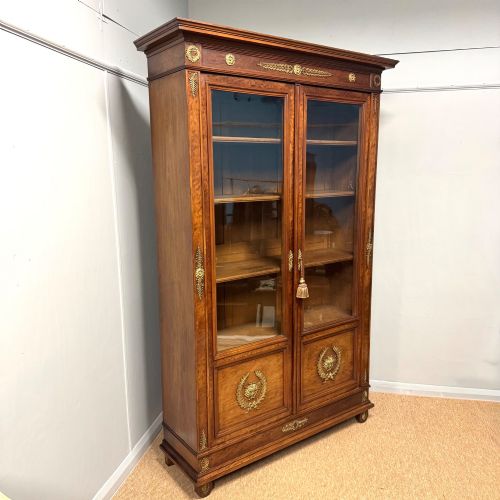
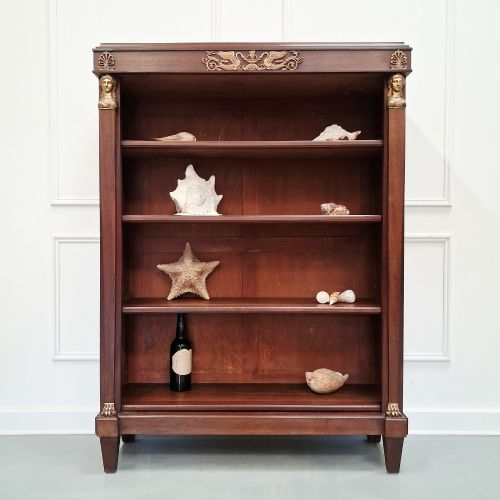
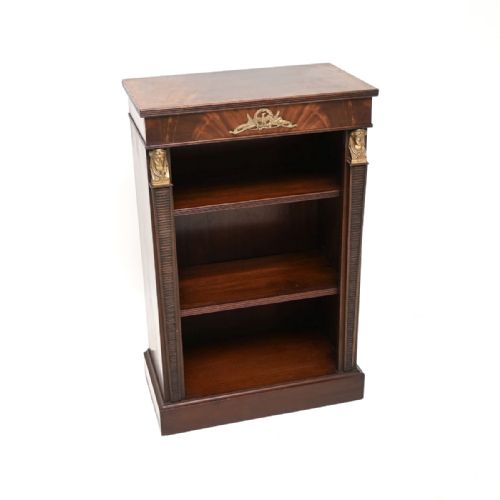
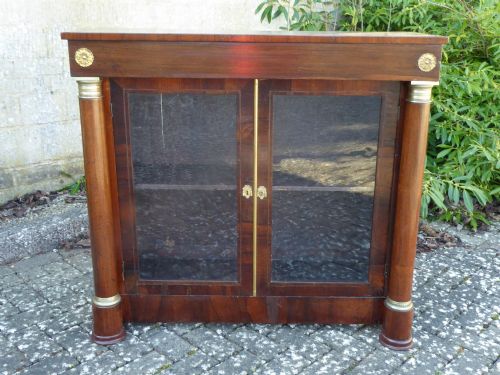
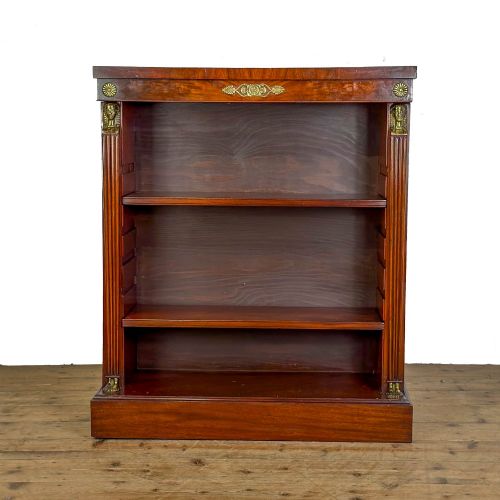
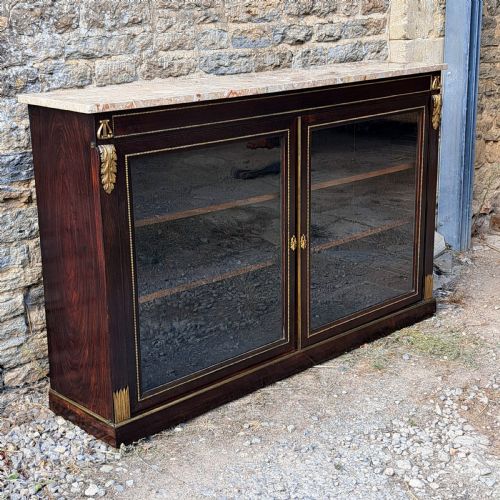
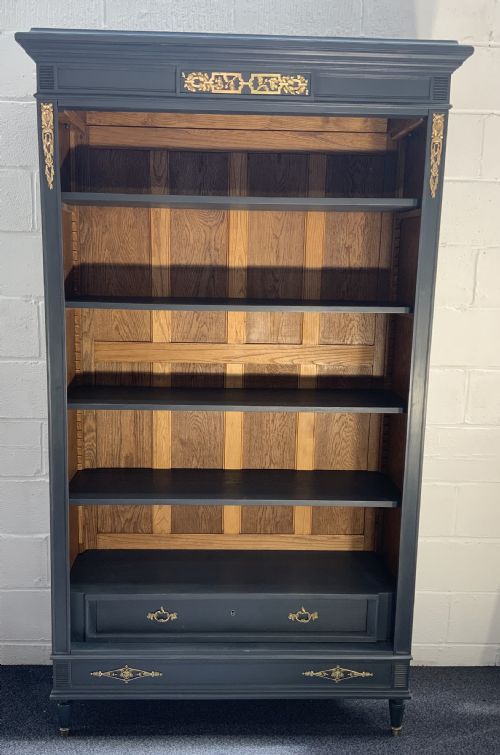
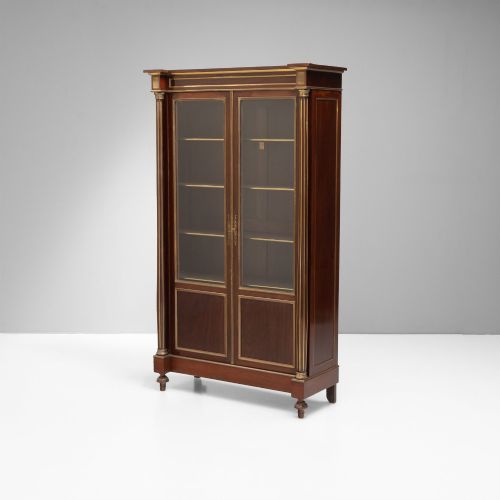
An empire bookcase unites classical proportion with functional storage, appearing in forms from open shelf units to glazed cabinets and vitrines. These pieces frequently manifest as French Empire, Regency, or Napoleon III designs, drawing on architectural motifs like columns and pilasters.
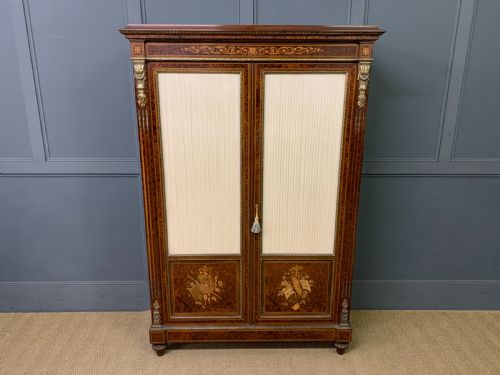
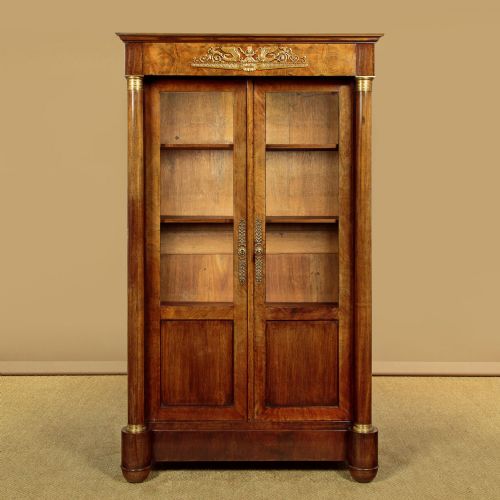
Buyers browsing this selection encounter tall mahogany frameworks, ebonised wood structures, and figured rosewood constructions dating across the nineteenth and early twentieth centuries. Many examples incorporate glazed doors, adjustable shelving, or open display spaces designed for substantial collections of volumes.
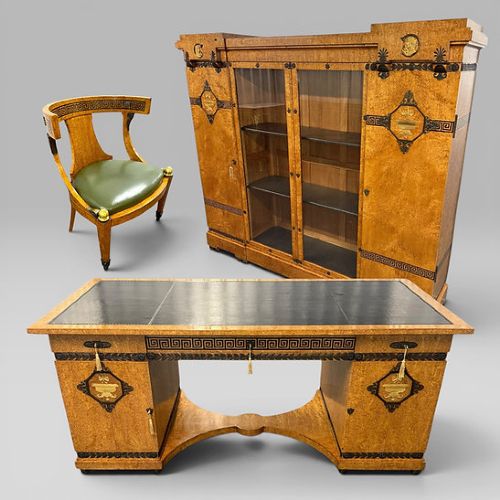
The aesthetic leans heavily on neoclassical principles, often integrating side cabinets, office sets, and modular bookcase configurations. Pieces range from neat domestic proportions to large, imposing library furniture built to dominate a wall.
What varies in quality
The selection of timber grain largely dictates the visual weight of a piece, with figured mahogany, plum pudding mahogany, and burr maple sitting at the higher end of the spectrum. The crispness of cast ormolu mounts and the precision of brass inlay show the maker's hand.
Structural integrity reveals itself in the joinery of the carcase, the smooth operation of adjustable shelving, and the retention of original glass panes. Finer examples balance substantial architectural presence with refined proportion and intact decorative hardware.
Empire Bookcase Retail Price Guide 2026
Typical asking prices for empire bookcase among the pieces listed under this phrase on Sellingantiques today, from the lower quarter to the upper quarter. They describe what is for sale here now, not the wider market.
Listings feature mahogany, rosewood, ebonised wood, and burr maple across the nineteenth and early twentieth centuries.
Mercier Freres
The Empire Bookcase Glossary
- Ormolu
- Gilded bronze mounts cast in classical motifs and applied to the corners, friezes, and pilasters of cabinet furniture. These metallic additions provide sharp contrast to dark mahogany and ebonised surfaces.
- Bibliotheque
- The French term for a large bookcase or library cabinet, often featuring glazed doors to protect valuable bindings. Such pieces frequently incorporate adjustable internal shelving.
- Neoclassical
- A style drawing inspiration from the classical art and architecture of ancient Greece and Rome. It governs the symmetrical facades, columnar supports, and restrained ornamentation found on these cabinets.
- Boulle marquetry
- An elaborate inlay technique combining tortoiseshell and brass to create intricate decorative patterns across a dark wooden ground. This method appears on select Napoleon III library furniture.
Empire Bookcase: Frequently Asked Questions
What is an empire bookcase?
An empire bookcase is a large piece of storage furniture characterised by classical architectural lines, symmetrical proportions, and rich dark timbers. These cabinets often feature columns, pilasters, and metal mounts derived from ancient Roman and Greek design.
Originating during the early nineteenth century and later revived in various nineteenth-century periods, they serve to house libraries while acting as monumental focal points in a room.
How do I care for mahogany?
Maintaining mahogany involves keeping the timber away from direct sunlight and sudden temperature shifts to prevent the wood from drying or warping. Regular dusting with a soft, dry cloth preserves the finish without building up residue.
Occasional application of appropriate wax feeds the grain and maintains the depth of colour in the polished surface. Avoid using harsh chemical sprays or abrasive cleaners on the wood or the metal mounts.
Where should I place it?
These tall cabinets demand stable wall space with adequate clearance to accommodate their architectural cornices and plinths. Placing them away from heat sources protects the timber joints and fragile veneer work from splitting.
Because many examples feature glazed doors or open shelving, position them where natural light enhances the wood grain without causing fading to the bindings inside.
How do I date an empire piece?
Dating relies on observing construction methods, timber choices, and stylistic markers such as the presence of hand-cut dovetails or specific brass mount designs. Regency and early nineteenth-century pieces often display tighter timber selection and restrained classical mounts compared to later nineteenth-century revivals.
Later Victorian and early twentieth-century interpretations may incorporate machine-made fixings or different secondary woods alongside the primary mahogany or ebonised finish.