

Emerald Cut Diamond
When you handle an emerald cut diamond, you touch a piece born in eras spanning from Edwardian grace to mid-century modernism.
Emerald Cut Diamond
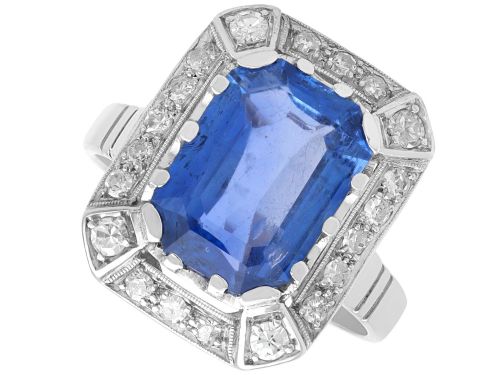
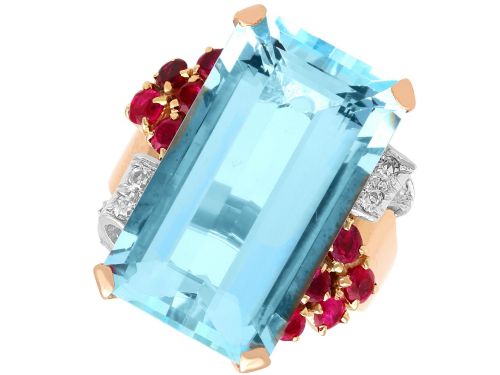
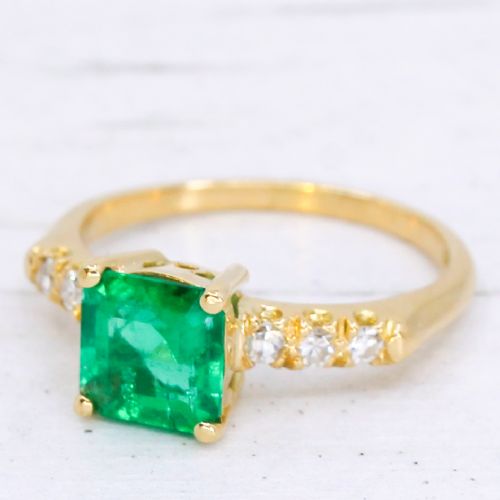
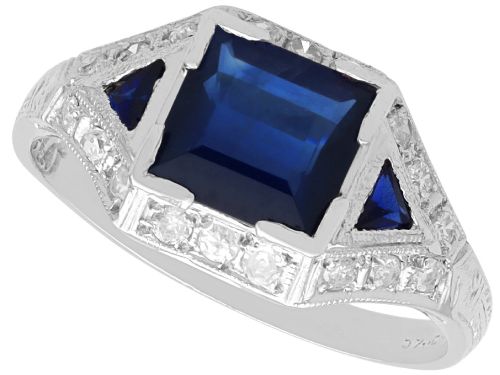
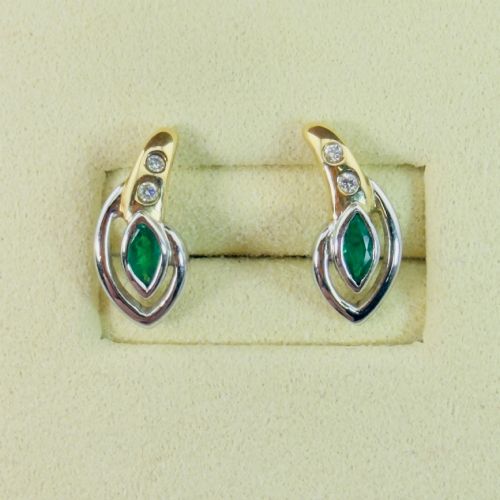
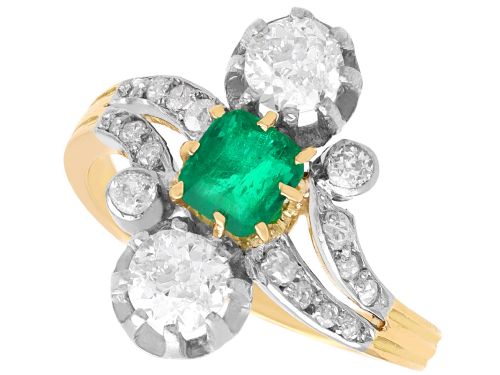
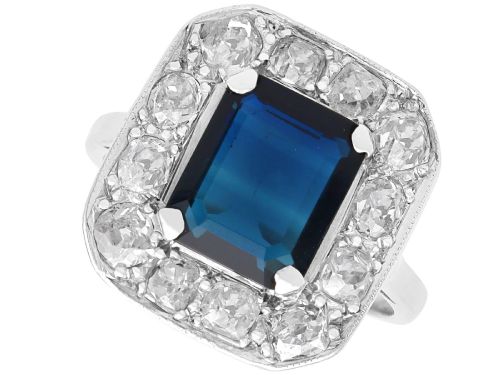
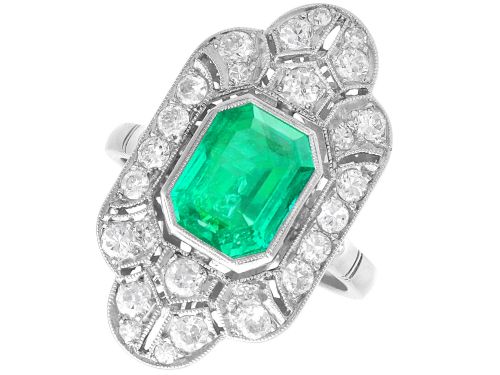
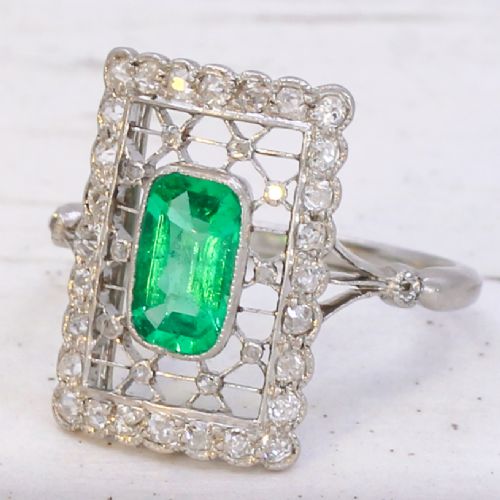
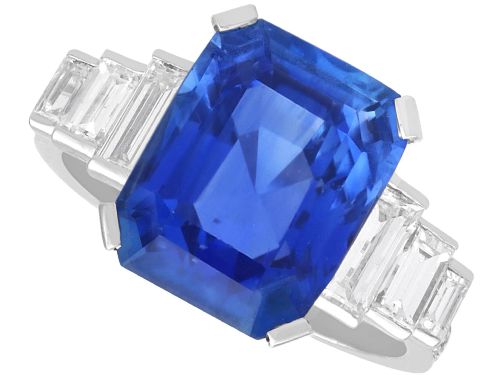
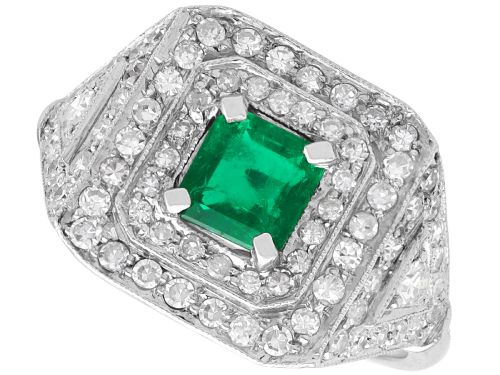
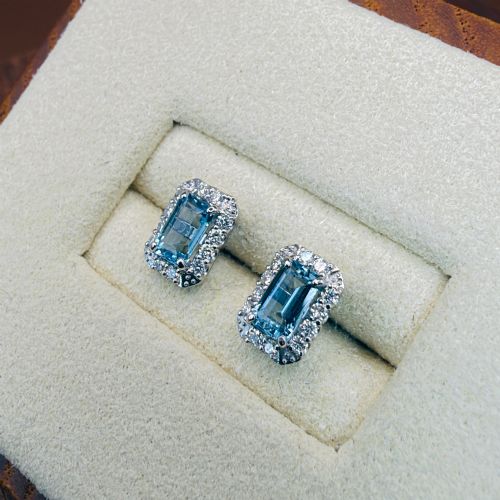
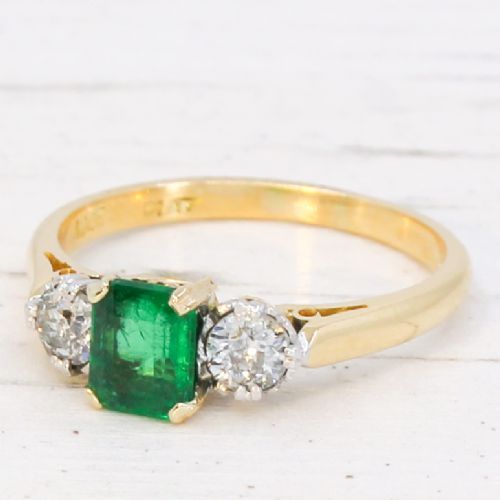
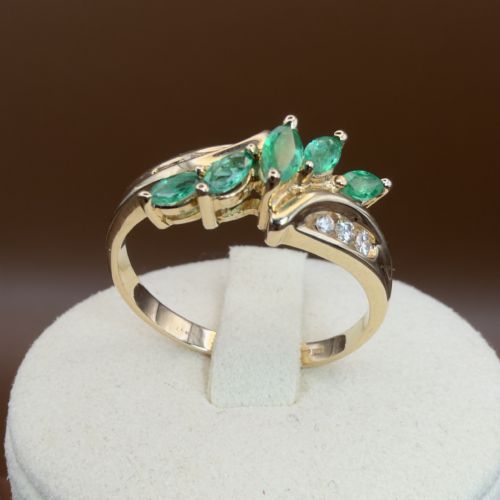
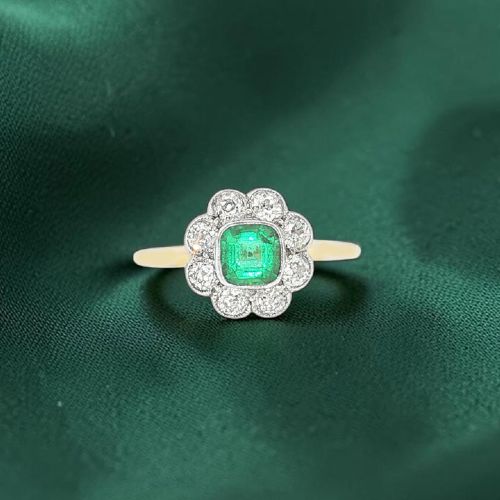
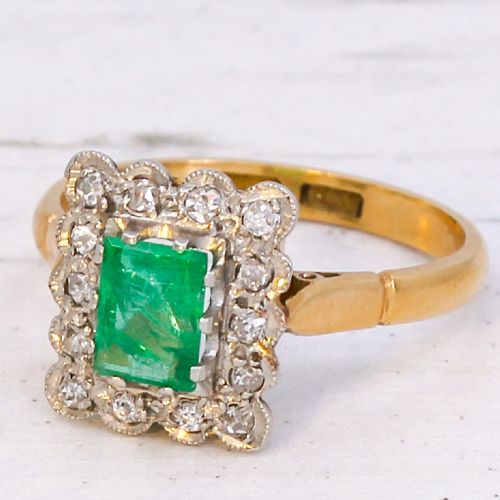
An emerald cut diamond forms the centrepiece of rings, earrings, pendants, and brooches across periods from the late nineteenth century to the mid-twentieth century. The selection ranges from Edwardian cluster rings to Art Deco platinum mounts and retro cocktail rings.
Buyers meet variations involving platinum, yellow gold, white gold, and rose gold alongside coloured stones such as emeralds, aquamarines, and sapphires. Platinum mounts from the Art Deco period appear frequently among these listings alongside later gold settings.
How they were made
Craftsmen utilised platinum predominantly during the Art Deco and Edwardian decades to create strong, delicate settings that held diamonds and emeralds securely. Yellow and white gold appeared in various purities including fourteen carat and eighteen carat formats, particularly in mid-century designs.
Goldsmiths combined step-cut stones with old cut diamonds, brilliant cuts, and cluster arrangements to maximise light play. Techniques involved millegrain edges, intricate gallery work, and robust prong settings suited to daily wear.
Emerald Cut Diamond Retail Price Guide 2026
Typical asking prices for emerald cut diamond among the pieces listed under this phrase on Sellingantiques today, from the lower quarter to the upper quarter. They describe what is for sale here now, not the wider market.
Listings span periods from eighteen eighty through the nineteen sixties, featuring platinum, gold, and palladium alongside diamonds and emeralds.
What varies in quality
The standard of an emerald cut diamond piece depends upon the clarity and origin of any accompanying emeralds, such as Colombian stones with minor oil treatments. Metalwork preservation also dictates value, with crisp platinum channel work and intact millegrain indicating superior craftsmanship.
Proportion and symmetry in the mounting separate standard commercial items from exceptional creations. Original settings that retain their structural integrity without replacement prongs or altered shanks hold greater appeal for collectors.
The Emerald Cut Diamond Glossary
- Emerald cut
- A rectangular gemstone cut featuring truncated corners and stepped facets designed to highlight clarity.
- Millegrain
- A decorative technique featuring a row of small metal beads along the edge of a setting.
- Platinum
- A dense, durable white metal frequently utilised in fine jewellery manufacture during the early twentieth century.
- Cluster ring
- A ring design featuring a central stone surrounded by a border of smaller gems.
Emerald Cut Diamond: Frequently Asked Questions
How do I care for my ring?
Clean your jewellery gently using warm soapy water and a soft brush, avoiding harsh chemical dips that damage softer gemstones like emeralds.
Store pieces individually in soft pouches to prevent metal scratching and gemstone abrasion during storage.
Can I wear these every day?
Platinum and gold mountings withstand regular daily wear when checked periodically by a jeweller for loose stones or worn prongs.
Consider removing cocktail rings and delicate Edwardian pieces before engaging in heavy physical tasks.
How do I identify the period?
Examine the metal choices, mounting styles, and cutting techniques, noting that platinum dominated the Art Deco era while yellow gold returned in mid-century designs.
Maker marks, hallmarks, and structural construction methods further clarify the exact decade of manufacture.
What is a minor oil emerald?
Minor oil describes a natural emerald that has undergone light fracture filling with colourless oil to enhance clarity.
This treatment represents standard industry practice and differs significantly from heavier resin treatments found in commercial stones.