
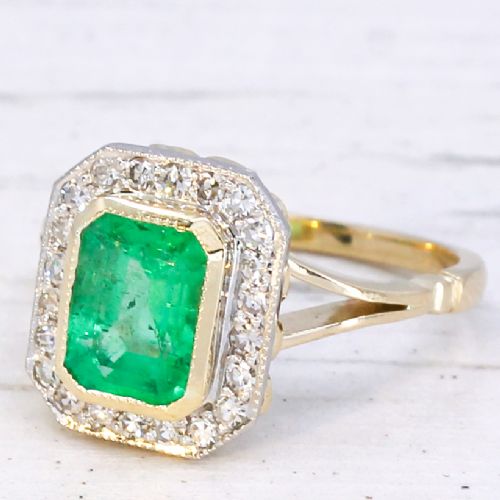



Emerald Cut Cluster Ring
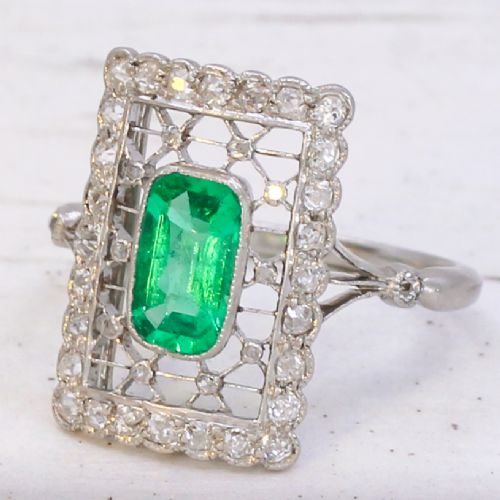
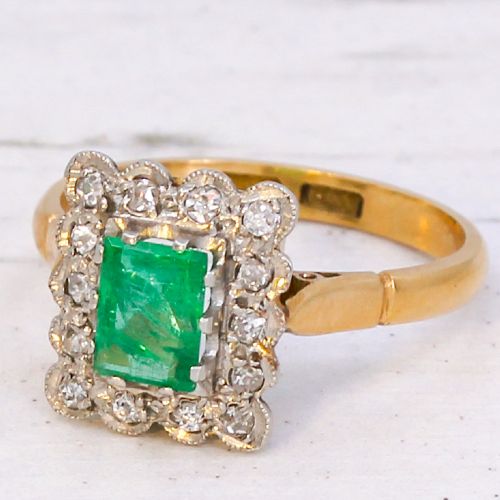
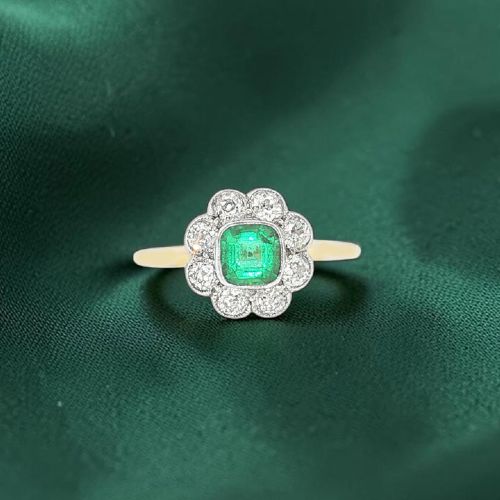
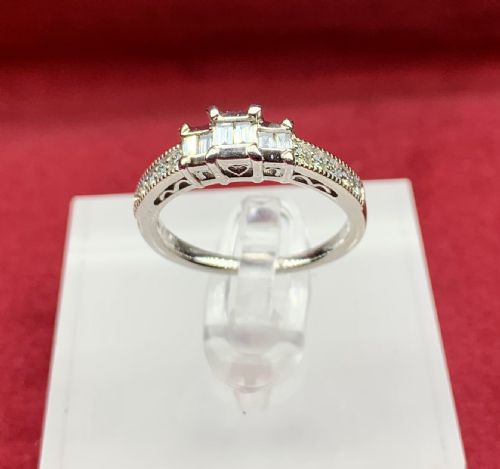
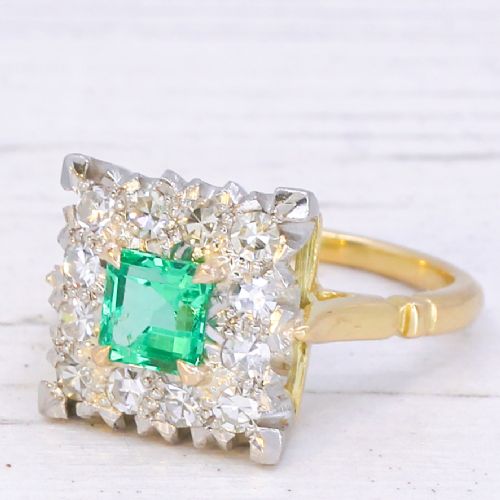
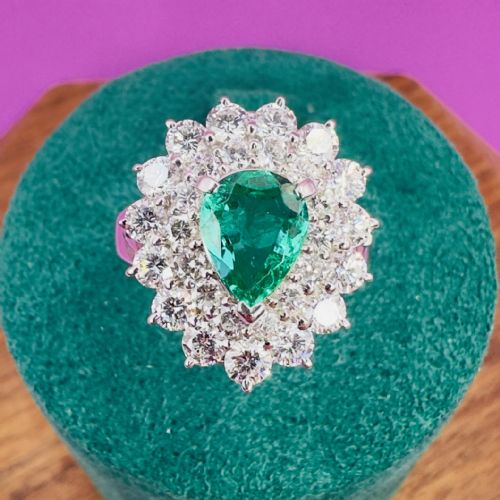
An emerald cut cluster ring brings together a central emerald framed by diamonds, offering a geometric silhouette found in Edwardian and Art Deco designs.
Emerald Cut Cluster Ring
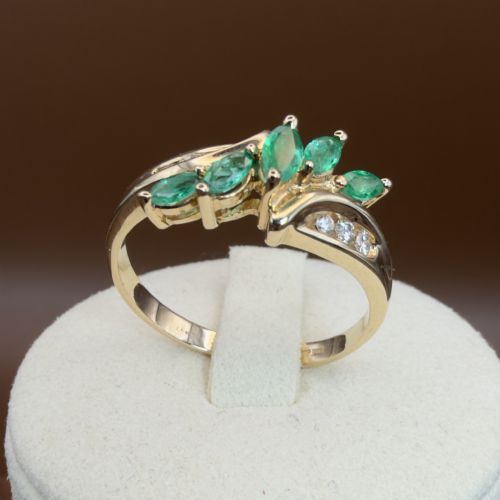
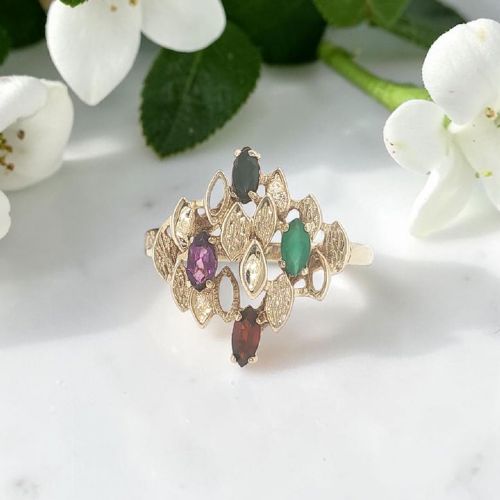
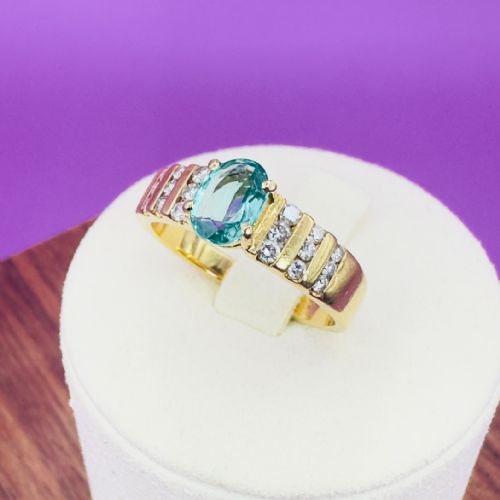
The pieces seen here span periods from the Edwardian era and the Art Deco years through to Mid-Century designs and later vintage examples. While many feature emeralds, variations incorporate aquamarine, tourmaline, sapphire, and ruby within the cluster format.
Settings range from delicate platinum mountings to 18ct white gold, yellow gold, and occasional lower carat or platinum-topped gold combinations. Collectors encounter everything from restrained Edwardian floral clusters to bold cocktail rings from the mid-twentieth century.
How they were made
Goldsmiths utilised platinum and various purities of gold, including 18ct white gold and yellow gold, to mount the stones securely. Platinum gained favour during the Edwardian and Art Deco periods for its strength in holding delicate claw and bezel settings without adding excessive bulk.
Stones were cut by hand in workshops, resulting in distinctive old cut, rose cut, or emerald cuts that reflect light differently than modern machine-cut stones. Metalsmiths worked the precious materials into intricate wirework, pierced galleries, and solid shanks designed to support multi-stone layouts.
Emerald Cut Cluster Ring Retail Price Guide 2026
Typical asking prices for emerald cut cluster ring among the pieces listed under this phrase on Sellingantiques today, from the lower quarter to the upper quarter. They describe what is for sale here now, not the wider market.
Some past rings were designed with removable components, allowing a formal cocktail cluster to convert into simpler day wear.
What varies in quality
The quality of an emerald cut cluster ring rests on the origin and treatment of the central gemstone, with natural Colombian stones commanding particular attention from collectors. Clarity enhancements, oil treatments, and the intensity of the natural green hue dictate the standing of the primary gem.
The precision of the surrounding diamond work and the integrity of the metal setting also determine the standard of the piece. Hand-finished platinum work from the Art Deco period displays an exceptional level of detail in the pierced gallery and grain-set borders.
The Emerald Cut Cluster Ring Glossary
- Emerald cut
- A rectangular gemstone cut with truncated corners and stepped parallel facets that create a hall-of-mirrors optical effect. This style emphasises the clarity and depth of the stone.
- Cluster ring
- A ring design featuring a prominent central stone encircled by a border of smaller gems, usually diamonds. This arrangement maximises overall sparkle and visual impact.
- Old cut
- A hand-faceted diamond shape typical of antique jewellery, featuring a smaller table, higher crown, and larger culet. These stones were cut to catch candlelight.
- Platinum
- A dense, durable, and naturally white precious metal widely utilised in Edwardian and Art Deco mounting. Its strength allowed jewellers to create ultra-fine wirework and secure settings.
- Minor oil
- A gemmological designation indicating a low level of traditional oil clarity enhancement in an emerald. Stones with minor treatments are prized by collectors.
Emerald Cut Cluster Ring: Frequently Asked Questions
How do I care for an antique emerald ring?
Emeralds are softer than diamonds and require gentle cleaning with warm soapy water rather than ultrasonic machines. Avoid exposing the ring to harsh chemicals or sudden temperature changes.
Storing the piece in a dedicated lined box prevents the softer stones from scratching against harder jewellery. Regular checks by a jeweller ensure the claws holding the centre stone remain secure.
What is the difference between Edwardian and Art Deco cluster rings?
Edwardian rings typically employ platinum and feature lighter, garland-inspired motifs with millegrain edges and old cut diamonds. They emphasise delicate craftsmanship and floral or lace-like grace.
Art Deco designs introduce bold geometric lines, symmetrical square or rectangular clusters, and high-contrast combinations of white platinum and yellow gold. These later pieces reflect the architecture and modernism of the 1920s and 1930s.
Are all emeralds in these rings natural?
The listings include natural emeralds originating from sources such as Colombia and Brazil, often accompanied by gemmological reports noting oil treatments. Natural stones display characteristic inclusions known as the jardin.
Buyers should examine the specific descriptions for details on origin and any clarity enhancements present in the emerald. Certification from established laboratories provides definitive confirmation of a stone's natural status.
Can these rings be resized easily?
Resizing depends on the construction of the shank and the presence of intricate shoulders or gemstones running down the band. Plain gold or platinum shanks are straightforward for a skilled jeweller to alter.
Pieces with detailed gallery work or continuous diamond shoulders require careful handling to preserve the original geometry of the mount. Consulting a specialist ensures the structural integrity of the cluster remains intact.