

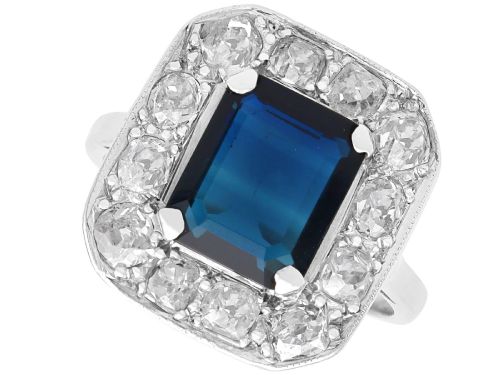
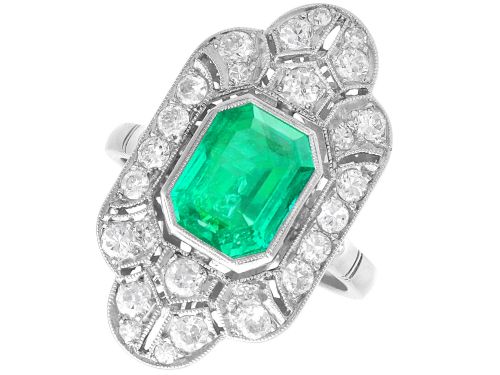
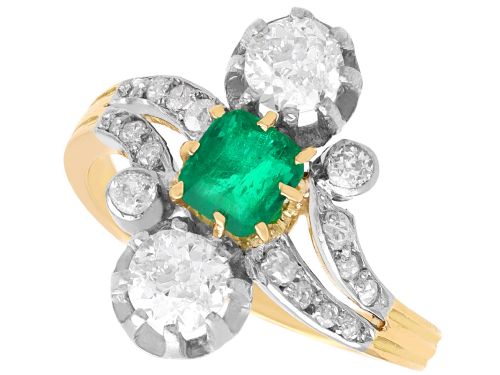
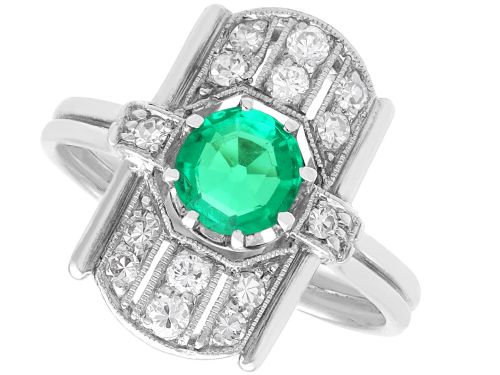
Emerald Cluster Ring
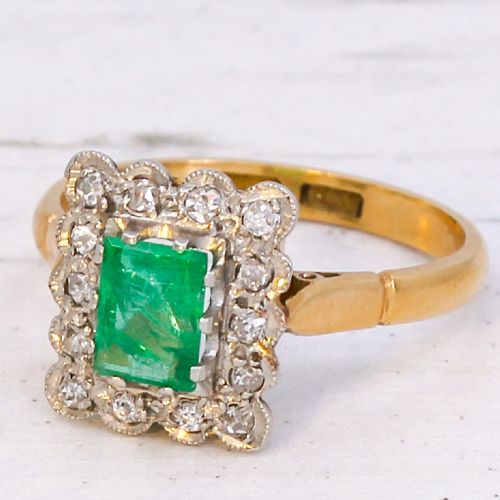
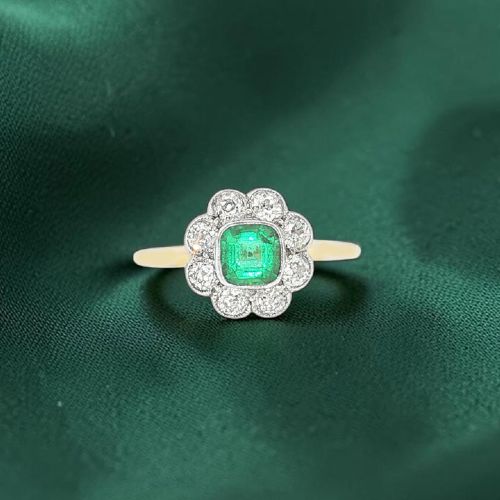
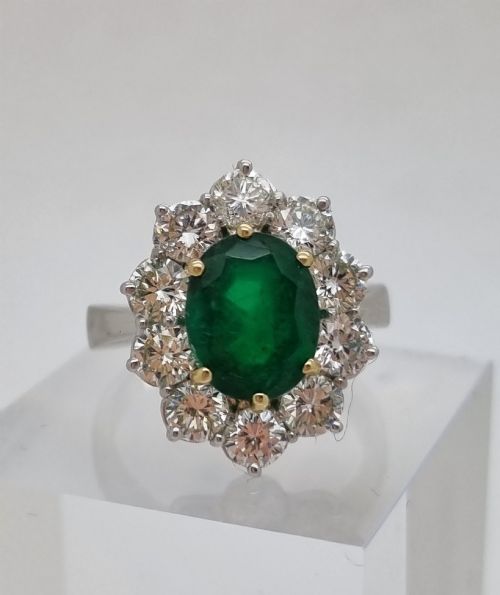
An emerald cluster ring centres a vivid green beryl surrounded by glittering diamonds, bringing together historic craftsmanship and striking colour.
Emerald Cluster Ring
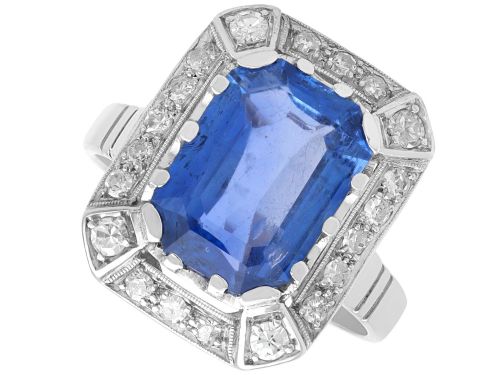
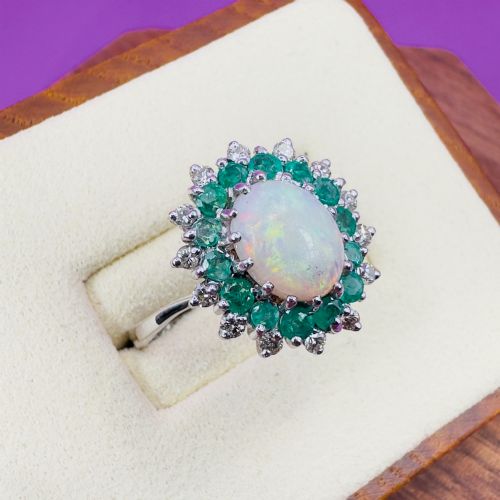
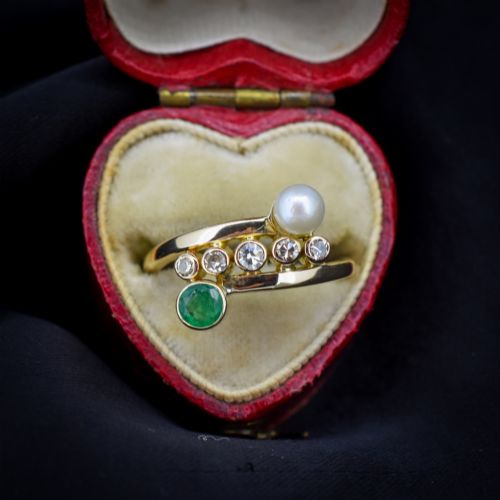
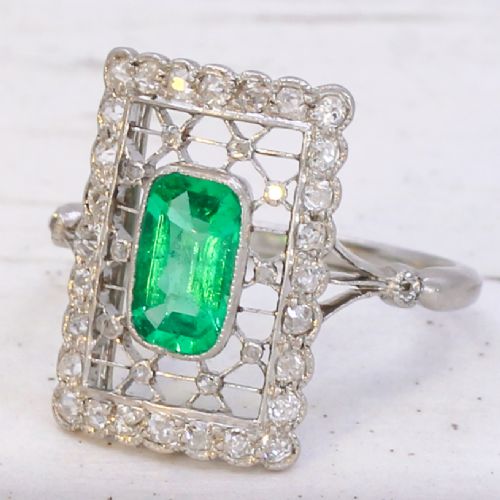
An emerald cluster ring brings together a central green emerald surrounded by a border of diamonds, creating the traditional target or daisy form. The emerald cluster ring appears frequently across Georgian, Victorian, Edwardian, and Art Deco periods, alongside mid-century and later vintage examples.
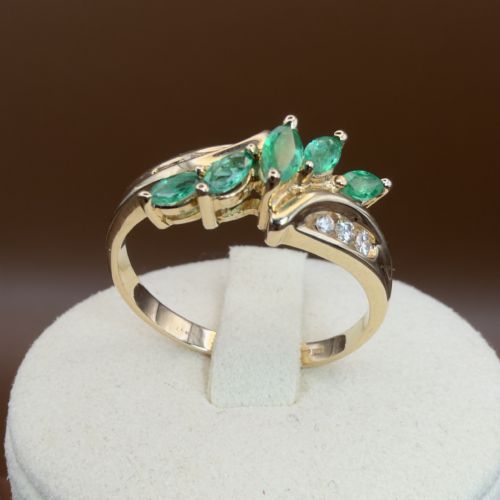
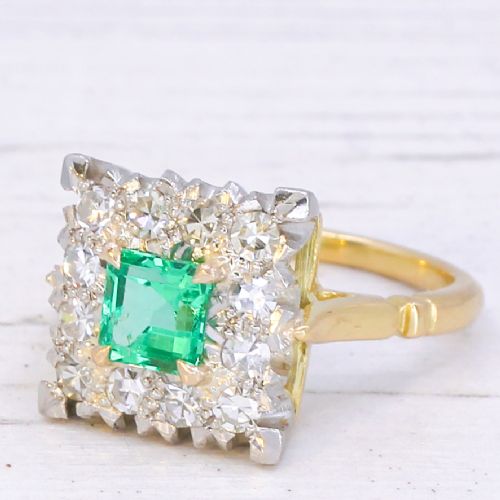
The materials paired with the emerald include yellow gold, white gold, platinum, and silver, often matched with old-cut or brilliant-cut diamonds. Makers shaped these stones into oval, round, pear, marquis, and emerald cuts, mounted as dress rings, cocktail rings, or everyday cluster rings.
Georgian and Victorian pieces utilise lower-carat golds or silver-backed settings, while Edwardian and Art Deco examples favour platinum and 18ct white gold for delicate openwork. Mid-century and later pieces frequently employ 18ct yellow gold or 9ct gold alongside cleaner, modern stone cuts.
How They Were Made
Goldsmiths set emeralds and diamonds into precious metals using claw, bezel, or flush settings, depending on the period. Edwardian and Art Deco jewellers utilised platinum to construct fine millegrain edges and pierced gallery work around the central stones.
Earlier Georgian and Victorian workshops often foil-backed stones or used closed-back settings to enhance colour, whereas 20th-century makers moved towards open-backed mounts that let light pass through the emerald and diamond cluster.
Emerald Cluster Ring Retail Price Guide 2026
Typical asking prices for emerald cluster ring among the pieces listed under this phrase on Sellingantiques today, from the lower quarter to the upper quarter. They describe what is for sale here now, not the wider market.
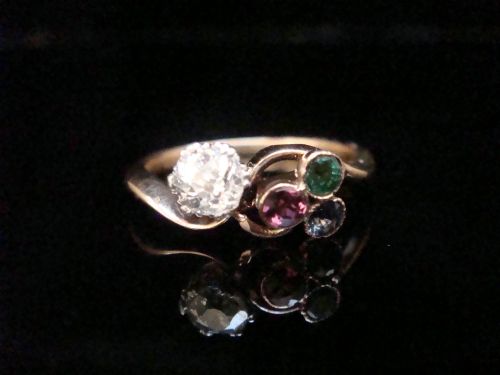
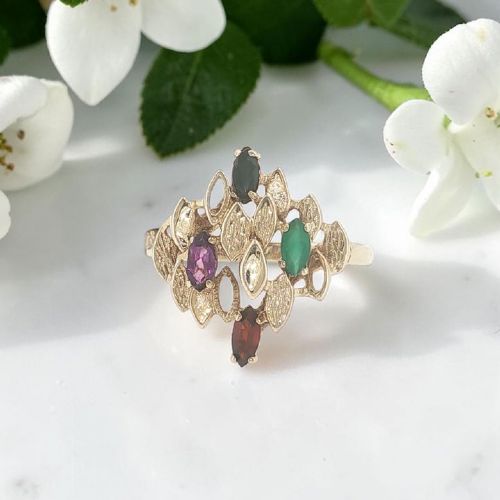
One Victorian daisy cluster spells out the word DEAREST using Diamond, Emerald, Amethyst, Ruby, Emerald, Sapphire, and Topaz.
What Varies in Quality
The origin, clarity, and treatment of the emerald dictate much of the value within an emerald cluster ring, with Colombian stones and those accompanied by certification commanding significant attention. The presence of minor oil or negligible oil treatments indicates a cleaner natural stone compared to heavily treated alternatives.
The surrounding diamond weight, cut consistency, and the integrity of the platinum or gold setting also separate standard production pieces from high-end bespoke or period examples. Hand-carved details, symmetrical cluster arrangements, and untouched original shanks elevate a piece from ordinary manufacture.
The Emerald Cluster Ring Glossary
- Cluster ring
- A ring featuring a central gemstone encircled by a border of smaller stones, typically diamonds.
- Millegrain
- A decorative technique involving a row of tiny raised metal beads along the edges of a setting, common in Edwardian and Art Deco jewellery.
- Old-cut diamond
- A hand-faceted diamond cut before modern brilliant proportions were standardised, exhibiting smaller tables and higher crowns.
- Navette
- A boat-shaped ring setting that is elongated along the finger, popular during the Victorian period.
- Paste
- Hand-cut and polished lead glass used as a gemstone simulant in historic jewellery, found in Georgian pieces.
Emerald Cluster Ring: Frequently Asked Questions
How do I care for my ring?
Emeralds are softer than diamonds and require gentle cleaning with warm soapy water rather than ultrasonic machines. Avoid exposing the ring to harsh chemicals or sudden temperature changes.
Store the ring separately in a lined box to prevent the diamonds from scratching the softer emerald or the surrounding metal mount.
Can these rings be resized?
Most gold and platinum cluster rings can be adjusted by a skilled jeweller, though intricate Edwardian or Art Deco gallery work requires careful handling.
Consult a specialist who can alter the shank without compromising the structural integrity of the surrounding cluster setting.
How are different periods identified?
Georgian and Victorian rings frequently feature closed-back settings or silver-topped gold, while Edwardian pieces showcase fine platinum millegrain and openwork.
Art Deco items lean towards geometric symmetry, and mid-century designs often display bolder yellow gold mountings and calibrated cuts.
What do oil treatments mean?
Natural emeralds commonly contain internal fractures that are treated with oil or resin to improve optical clarity. Certification reports grade these treatments from none to significant.
Stones with negligible or minor oil treatments are considered more desirable by collectors compared to heavily enhanced examples.