



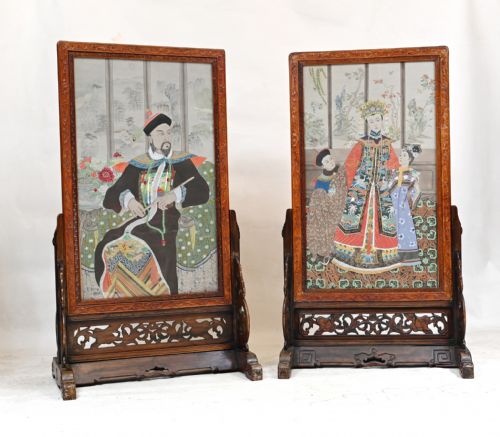


Embroidery Stand
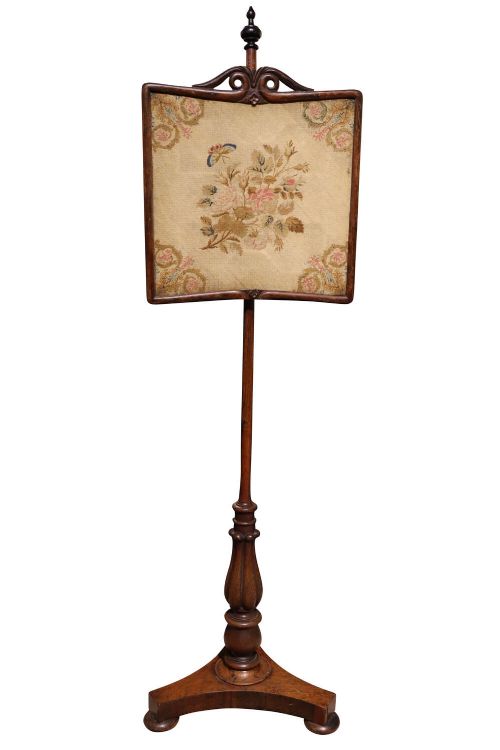
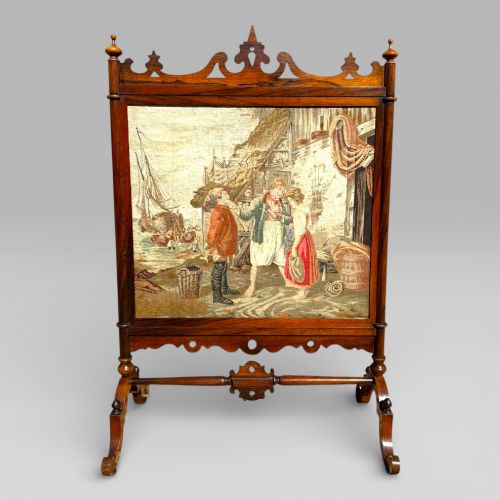
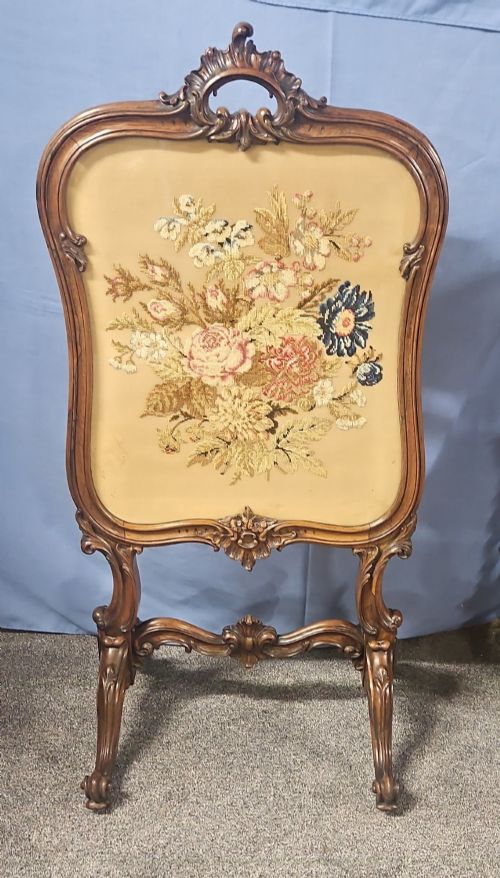
An embroidery stand is a practical frame for holding needlework steady, and these examples range from polished English mahogany to intricate carved hardwood.
Embroidery Stand
An embroidery stand gathers together a variety of functional pieces designed to hold needlework, tapestry, and silk panels securely while in use. When you search for an embroidery stand, you encounter several distinct forms that served domestic crafting and display traditions.
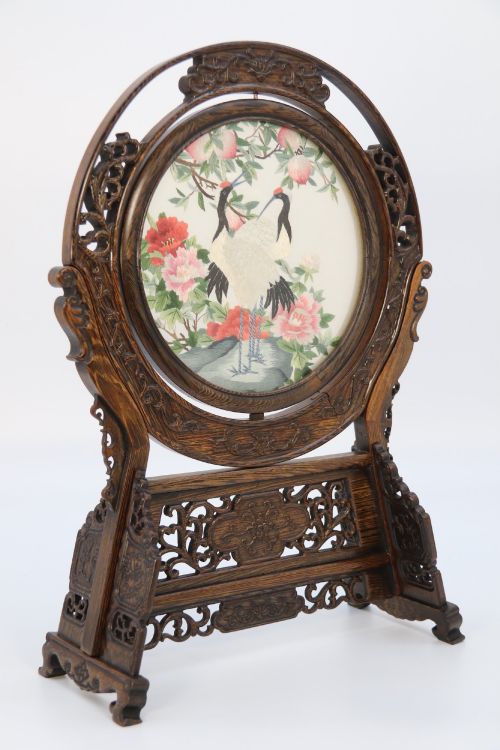
The selections here are dominated by Victorian and Regency sewing tables, needlework tables, and workboxes that incorporate fitted compartments alongside upright tapestry frames and pole screens. Alongside English pieces sit Chinese silk table screens and double-sided silk embroidery mounted on rotating hardwood stands.
Freestanding pole screens and tapestry frames complete the range, offering adjustable heights and pivoting panels. These objects merge utilitarian workshop tools with refined parlour furniture.
Materials and construction
Timbers like mahogany, walnut, rosewood, and satin walnut form the structural carcasses of the English tables and screens. Hardwood is also utilised for carved Chinese display stands.
Needlepoint, tapestry, silk, and glass are integrated into the frames and drop-in panels of the screens and tables. Brass fittings provide adjustable height mechanisms on poles and frames.
Embroidery Stand Retail Price Guide 2026
Typical asking prices for embroidery stand among the pieces listed under this phrase on Sellingantiques today, from the lower quarter to the upper quarter. They describe what is for sale here now, not the wider market.
The listings span the 18th, 19th, and early 20th centuries, covering Regency, Victorian, and Edwardian periods alongside Chinese Qing Dynasty items.
Assessing quality
Quality shows in the crispness of the timber carving and the complexity of the internal workbox fittings. Elaborate turning on poles and solid timber construction elevate certain tables and screens above simpler utility pieces.
The needlework itself dictates the visual standard, with fine silk embroidery and tight needlepoint stretchers demonstrating superior craftsmanship. Double-sided silk work and intricate hardwood carving represent the higher tier of imported decorative pieces.
The Embroidery Stand Glossary
- Pole screen
- A vertical screen mounted on a tall wooden pole with a tripod or heavy base, designed to shield a person's face from fireplace heat. The needlework panel slides up and down the pole to adjust height.
- Tapestry frame
- A wooden stretcher framework designed to hold canvas taut while needlework is applied by hand. Adjustable versions allow the maker to alter tension across the textile.
- Work table
- A small domestic table fitted with drawers, boxes, or fabric bags beneath for storing sewing supplies and thread. These tables often double as writing or crafting surfaces.
- Palisander
- A dense, heavily figured exotic timber belonging to the rosewood family, utilised in Regency cabinet making. It brings a dark, rich grain to high-status furniture.
Embroidery Stand: Frequently Asked Questions
What is a pole screen used for?
A pole screen stood near a fireplace to block intense radiant heat from scorching a person's face. The adjustable panel could be moved up and down the central wooden shaft.
Later, these pieces survived primarily as decorative stands for displaying intricate needlework and tapestry panels within a Victorian or Regency interior.
How do sewing tables differ from standard tables?
Sewing tables include specialised internal compartments, shallow drawers, and suspended fabric workbags designed specifically to hold yarn, needles, and fabric scraps. They kept crafting materials organised and hidden away in the parlour.
Craftsmen often combined these fitted interiors with a needlepoint top or a sliding work surface for dual utility.
Are Chinese silk screens considered embroidery stands?
Chinese silk screens mounted on rotating hardwood frames serve a decorative and display function rather than acting as a working frame for stitching. They showcase intricate double-sided silk needlework.
While they differ in purpose from English tapestry stretchers, they share the category of framed textile display stands.
How do I date a Regency embroidery piece?
Regency pieces often display clean classical lines, dark mahogany or palisander timbers, and restrained brass mounts. Construction details like dovetailing and turning styles help pin down the era.
Comparing the hardware and timber selection against documented examples from the early nineteenth century confirms the period.