






Embossed Frame Mirror
An embossed frame mirror brings textured metal and carved detail to a room, offering both reflection and decorative weight.
Embossed Frame Mirror
When you search for an embossed frame mirror, you encounter pieces that span the Victorian era, the Arts and Crafts movement, and the early twentieth century. These wall mirrors, table mirrors, and overmantel mirrors utilise metalwork and shaped wooden frames to create decorative focal points.
The assortment includes smaller dressing table mirrors with easel backs alongside large wall-hanging pieces, showing materials ranging from sterling silver to gilded gesso.
How they were made
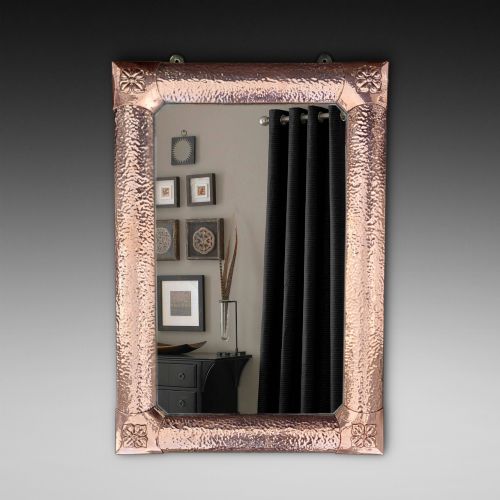
Metal frames in these pieces rely on repoussé and chasing techniques, where artisans hammered sheet brass or copper from the reverse to raise motifs of trees, peacocks, and floral patterns on the surface.
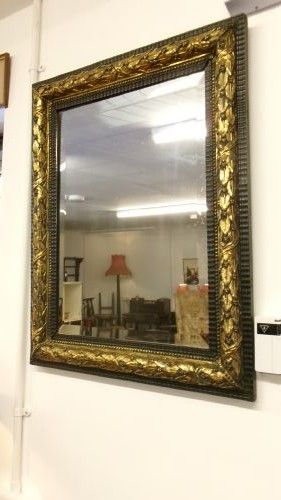
Wooden and gesso structures provide the core for many frames, utilising carved detail or applied ornament before finishing with gilding or leather mounting.
Mirror glass is fitted into these borders, occasionally featuring bevelled edges that catch the light within cushion frames and rectangular wall mounts.
Embossed Frame Mirror Retail Price Guide 2026
Typical asking prices for embossed frame mirror among the pieces listed under this phrase on Sellingantiques today, from the lower quarter to the upper quarter. They describe what is for sale here now, not the wider market.
Periods represented span from the mid-nineteenth century through the Arts and Crafts movement into the mid-twentieth century.
What varies in quality
The distinction between standard production and finer pieces lies in the depth and execution of the hand-embossing, where deliberate toolwork replaces mechanical stamping.
Material choice separates simple brass-mounted frames from substantial sterling silver examples or bespoke copper work produced by prominent Arts and Crafts schools.
The integrity of the frame construction, the clarity of the original mirror glass, and the preservation of the patinated surface determine the standing of each piece.
Liberty & Company·Henry Matthews
The Embossed Frame Mirror Glossary
- Repoussé
- A metalworking technique where the artisan hammers sheet metal from the reverse side to form a raised design on the front. This method defines the surface texture of many brass and copper frames.
- Cushion frame
- A rounded, convex border profile that slopes outward towards the edges, often seen on nineteenth century Dutch and Flemish style mirrors. It gives the frame a padded appearance.
- Gesso
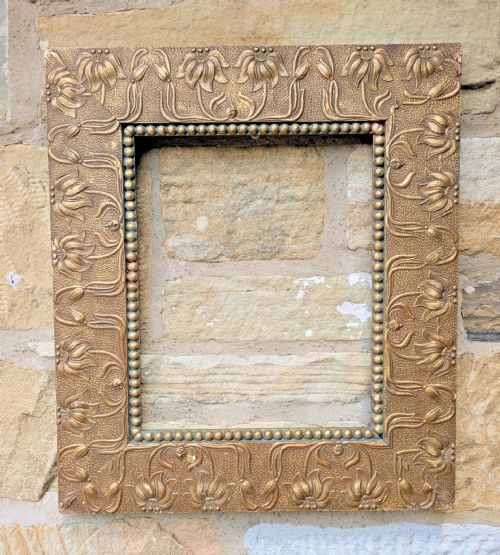
- A plaster-like mixture applied to wood frames as a base for gilding or painting, allowing intricate relief decoration to be moulded onto the surface. It appears on Art Nouveau and nineteenth century decorative frames.
- Overmantel mirror
- A large wall mirror designed specifically to hang above a fireplace mantelpiece. These pieces often feature extended horizontal proportions and detailed floral embossing.
- Easel mirror
- A tabletop or dressing table mirror supported by a hinged leg on the back, allowing it to stand upright. They are frequently found in silver and brass across the Victorian period.
Embossed Frame Mirror: Frequently Asked Questions
How do I clean an embossed metal frame?
Dust the recesses gently with a soft brush to protect the patinated surface of the metal.
Avoid abrasive polishes that can wear away the raised details produced by hand-beating.
Are these mirrors heavy to hang?
Many pieces combine wooden cores with solid brass or copper sheets, adding considerable weight.
Ensure wall fixings are secured properly into studs or masonry to support heavier overmantel and wall examples.
How do I date an Arts and Crafts mirror?
Look for hand-beaten copper surfaces, stylised nature motifs, and workshop signatures typical of the late nineteenth and early twentieth centuries.
Construction details on the reverse often help confirm the period of manufacture.