




Elm Wood Pedestal Table
An elm wood pedestal table offers rich, figured grain and sturdy charm, bringing warmth to any room through centuries of cabinet-making tradition.
Elm Wood Pedestal Table
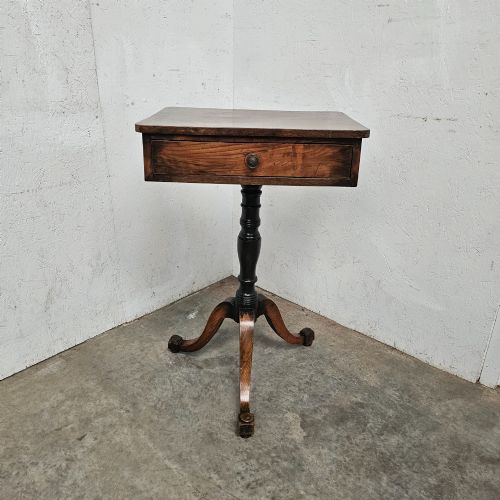
An elm wood pedestal table encompasses a range of domestic forms supported by a central pillar, spanning periods from the eighteenth century to the twentieth. You will frequently encounter nineteenth-century occasional and breakfast tables featuring this configuration.
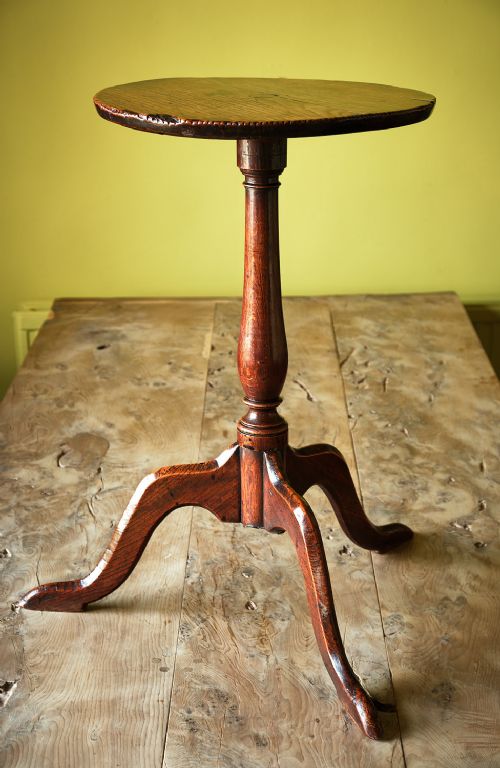
The selection includes circular breakfast models, tripod lamp tables, and occasional pieces that showcase the distinctive figuring of the timber. Origins stretch across English, French, Scandinavian, and Chinese workshops, reflecting diverse regional furniture traditions.
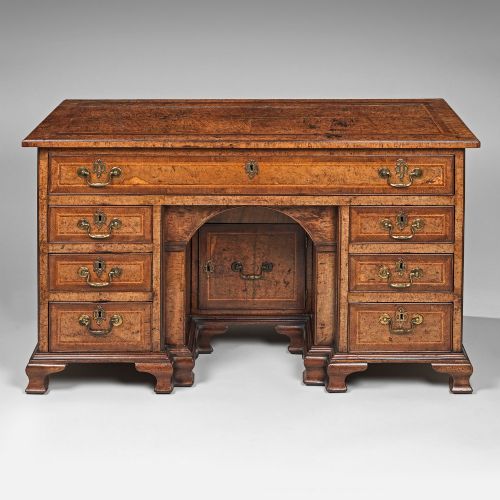
Makers utilised the natural character of the wood to create striking surfaces on side tables, teapoys, and centre tables. These items served practical domestic roles in past centuries while providing a focal point for interiors today.
How they were made
Cabinet-makers selected solid elm and burr elm for its rich, swirling grain patterns, often pairing the primary timber with supporting woods such as oak, yew, and birch. Brass fittings and ebonised details occasionally accent the structural elements.
Makers turned central pedestals on lathes to support tilt-top mechanisms or fixed tops, anchoring them with tripod or platform bases. Joinery techniques relied on traditional framing and turning methods suited to the dense, interlocking grain of elm.
Some nineteenth-century tables come with hidden compartments for your secret stash of biscuits.
What varies in quality
The visual impact of the surface grain separates standard examples from exceptional pieces, particularly where burr elm or figured timber forms the top. Richness of colour and the natural depth of the figuring dictate visual prominence.
Proportion and stability in the central pedestal and base define the structural success of the piece. Well-balanced turnings and careful execution of tripod supports ensure the table sits firmly and maintains its architectural integrity.
The Elm Wood Pedestal Table Glossary
- Burr elm
- The knotty growth of an elm tree sliced to reveal intricate, swirling grain patterns. This wood is highly prized for decorative table tops.
- Pedestal table
- A standalone table supported by a central column or pillar rather than four corner legs. This form allows for flexible placement in a room.
- Tripod table
- A small table standing on three legs radiating from a central pillar. These pieces often feature tilt-top mechanisms for storage.
- Teapoy
- A small box table on a pedestal originally designed for holding and serving tea. Nineteenth-century examples often incorporate fitted interiors.
- Guéridon
- A small French occasional table supported by a central column. They frequently appear in burr elm and other decorative veneers.
Elm Wood Pedestal Table: Frequently Asked Questions
How do I use an elm pedestal table?
These tables function well as lamp tables beside seating, or as central accent pieces in smaller spaces.
Their sturdy pedestals allow for easy placement without corner legs obstructing chairs.
What periods do these tables span?
The selection covers eighteenth-century Georgian designs through to nineteenth-century Victorian and Regency styles.
Early twentieth-century interpretations also appear alongside continental European and Asian examples.
How is burr elm different from plain elm?
Burr elm comes from growth nodes on the tree, creating dense, swirling patterns across the surface.
Plain elm displays a straighter, coarser grain with notable growth rings and a robust texture.
Are these tables suitable for daily use?
Solid elm and burr elm provide durable surfaces that withstand everyday domestic activities.
Routine care involves dusting and avoiding excessive moisture to protect the polished wood.