


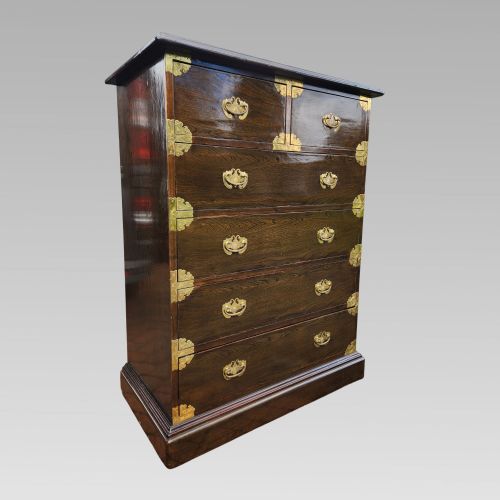


Elm Wood Chest
An elm wood chest brings a distinct, robust grain and quiet warmth to a room, offering both practical storage and deep historical character.
Elm Wood Chest
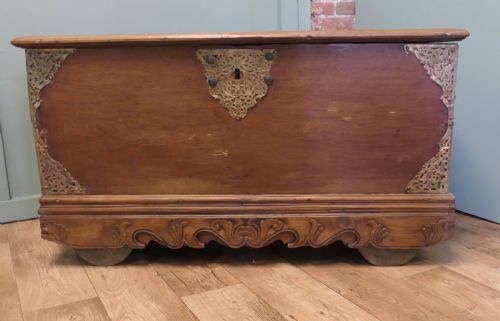
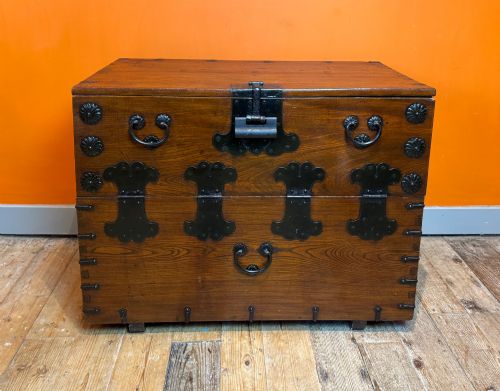
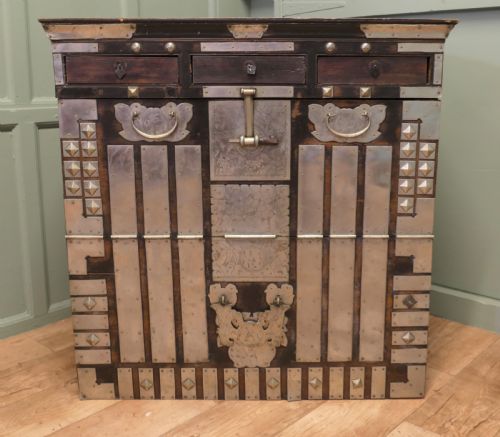
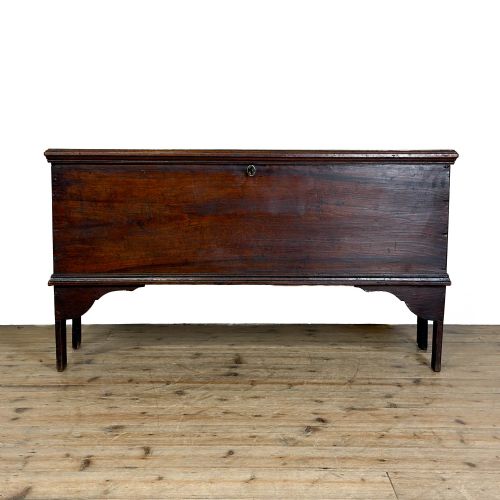
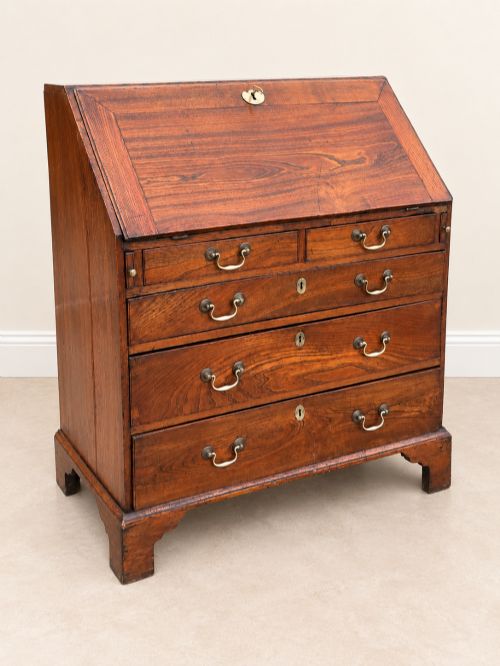
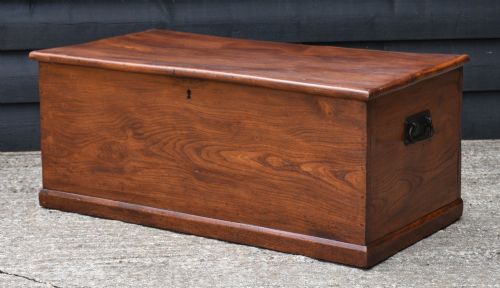
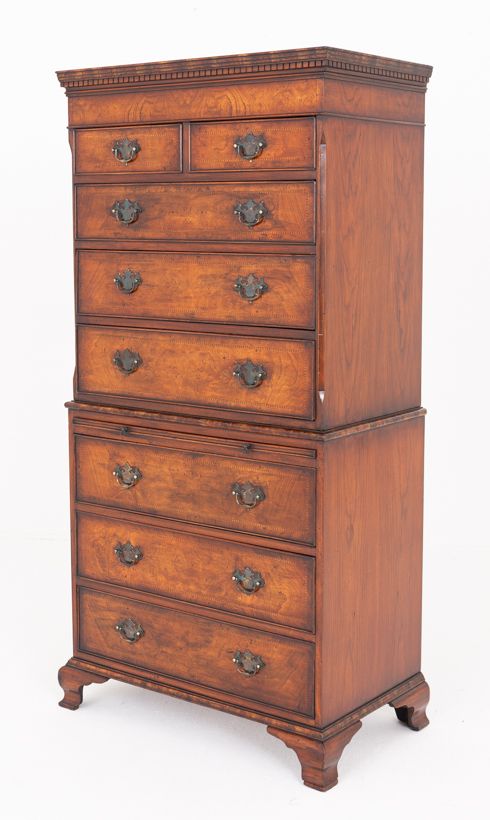
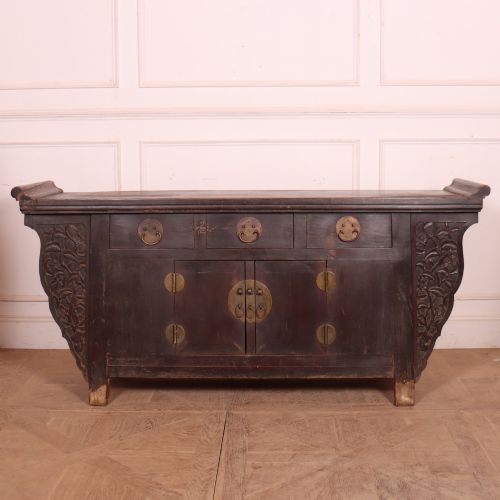
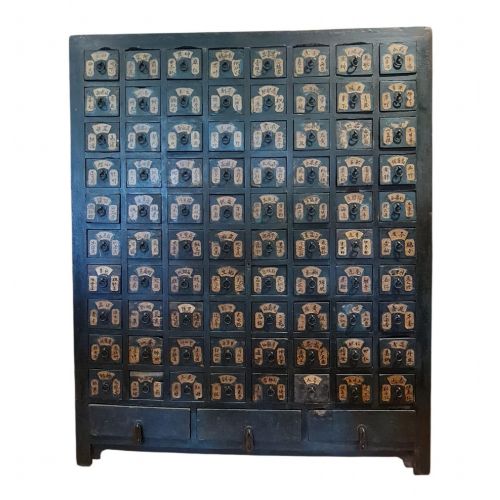
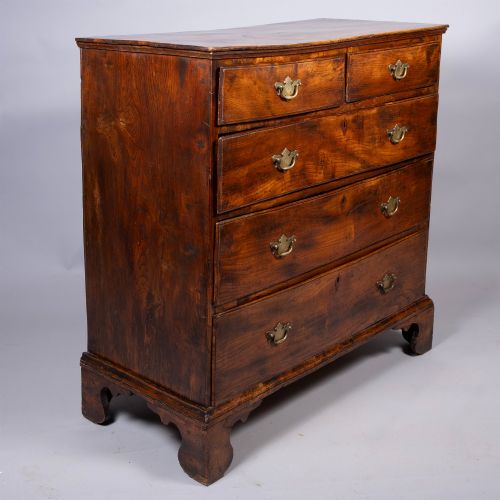
An elm wood chest covers a diverse group of practical containers and storage furniture, ranging from simple provincial blanket boxes to sophisticated eighteenth-century desks and multi-drawer cabinets. Buyers searching for an elm wood chest will encounter vernacular country pieces alongside formal Georgian drawer chests and traditional Chinese apothecary furniture.
Materials and construction methods
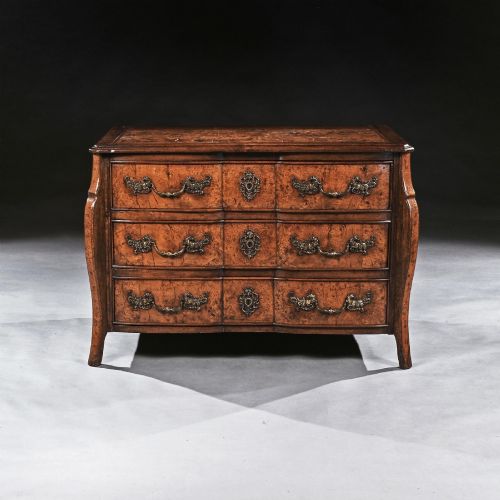
The primary material across these pieces is elm, frequently selected as burr elm or figured timber to showcase intricate, swirling grain patterns. Cabinetmakers combined solid elm planks with secondary hardwoods, mounting the heavy lids and doors with brass or iron hinges, locks, and handles.
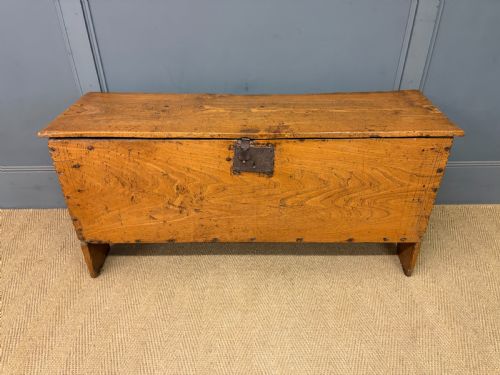
Joinery techniques varied by region and period, moving from the basic pegged joints of early six-plank coffers to sophisticated dovetail construction seen in eighteenth-century drawers and bureaus. Surface finishes relied on natural wax and polish to bring out the varied tones of the wood without masking its natural texture.
Elm Wood Chest Retail Price Guide 2026
Typical asking prices for elm wood chest among the pieces listed under this phrase on Sellingantiques today, from the lower quarter to the upper quarter. They describe what is for sale here now, not the wider market.
Current listings feature pieces spanning the eighteenth, nineteenth, and twentieth centuries, incorporating materials such as elm, burr elm, brass, iron, and bronze.
Assessing quality and craftsmanship
Quality in these items rests upon the choice of timber and the liveliness of the grain, particularly where highly figured burr elm veneers wrap around drawers and facades. Finer examples display meticulous attention to dovetailing, balanced proportions, and the survival of original brass or iron hardware.
The integrity of the construction determines longevity, distinguishing robustly pinned vernacular pieces from heavier, highly polished commodes and cabinets. Pieces retaining their original patination and uncompromised structural surfaces command greater interest from collectors.
The Elm Wood Chest Glossary
- Burr elm
- A growth deformity on the elm tree that produces highly figured, swirling wood grain patterns. It was frequently sliced into veneers for decorative cabinet fronts.
- Six-plank coffer
- A primitive storage box constructed from six individual boards joined with pegs or dovetails. It represents one of the earliest forms of domestic furniture.
- Davenport
- A small compact desk featuring a sloping writing surface above a pedestal of drawers. These often incorporated burr elm surfaces during the nineteenth century.
- Cellarette
- A dedicated cabinet or box designed to hold bottles of wine or spirits. They were frequently lined and fashioned from decorative timbers like burr elm.
- Commode
- A low standing chest of drawers or cabinet originating in France. Eighteenth-century examples often featured marble tops and elaborate veneering.
Elm Wood Chest: Frequently Asked Questions
How do I date an elm chest?
Dating relies on examining the construction methods, such as hand-cut dovetails, tool marks on internal boards, and the style of the hardware. Earlier pieces often display simpler pegged joints, while later nineteenth-century examples show more mechanised preparation.
Changes in fashion also dictate form, moving from rustic blanket boxes and six-plank coffers to refined Georgian drawers and specialised Chinese apothecary cabinetry.
Where were these chests made?
The listings show a broad geographical spread, encompassing British and European workshops alongside substantial regional output from China. European makers utilised local vernacular styles and imported influences like Louis XV provincial designs.
Asian pieces frequently originated in provinces such as Shanxi, employing native elm for traditional apothecary cabinets, sideboards, and large altar-style tables.
How should I care for elm wood?
Elm furniture responds best to stable indoor environments away from direct heat sources and dramatic humidity fluctuations. Sudden changes can cause the dense timber or its decorative veneers to split or warp.
Applying a traditional beeswax polish periodically helps maintain the moisture and natural lustre of the grain without building up heavy synthetic residues.
What is the difference between a coffer and a chest?
A coffer typically refers to a more rustic, heavy-lidded storage box, often constructed using basic plank techniques for domestic security and utility. Chests of drawers incorporate internal sliding compartments for organised storage rather than a single open cavity.
Over time, form evolved from simple blanket boxes and coffers into complex multi-drawer cabinets, bureaus, and commodes tailored for specific household rooms.