

Elm Seat Wooden Chair
An elm seat wooden chair brings the warmth of English country vernacular design directly into a room, offering sturdy utility paired with centuries of craftsmanship.
Elm Seat Wooden Chair
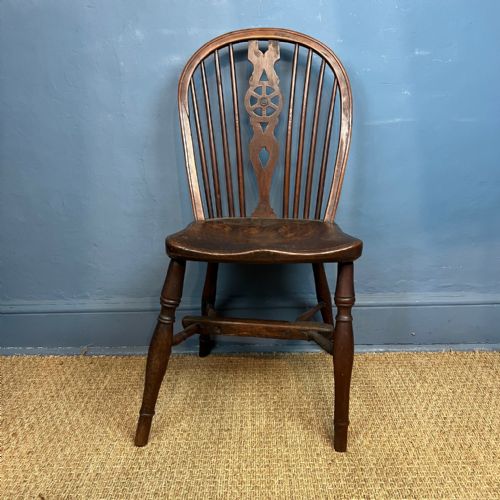
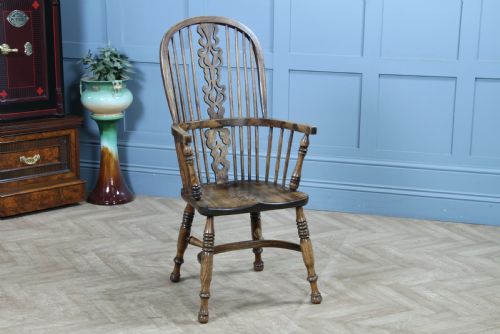
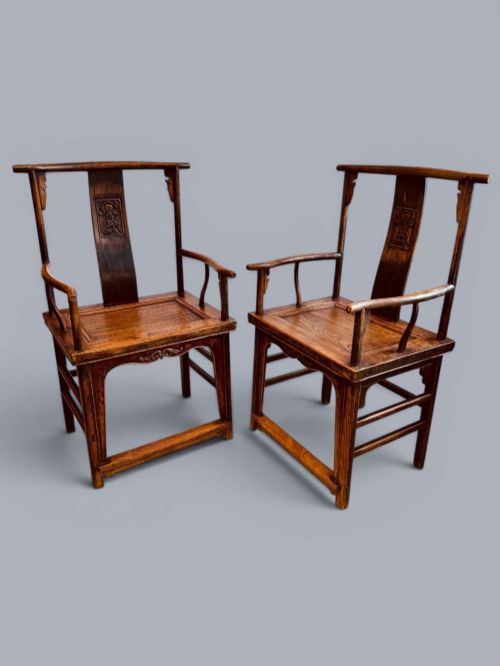
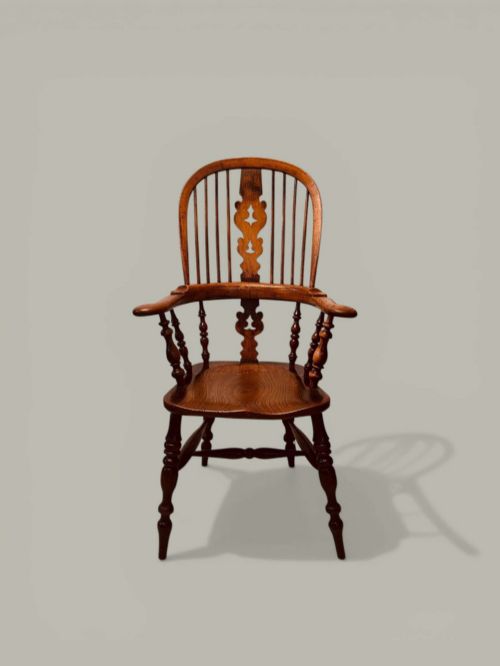
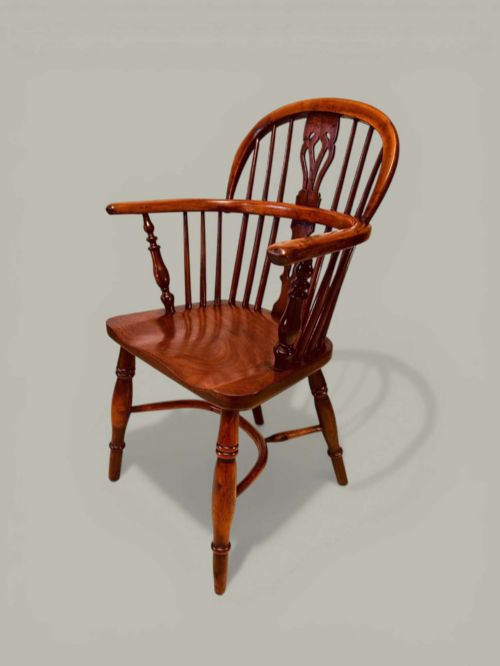
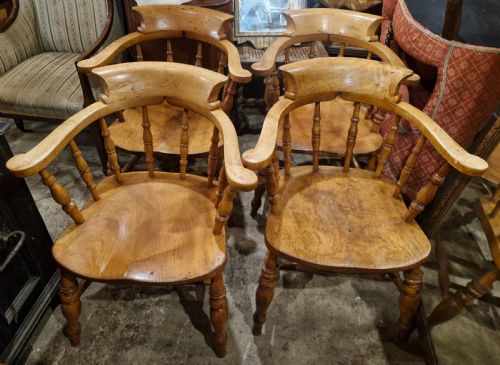
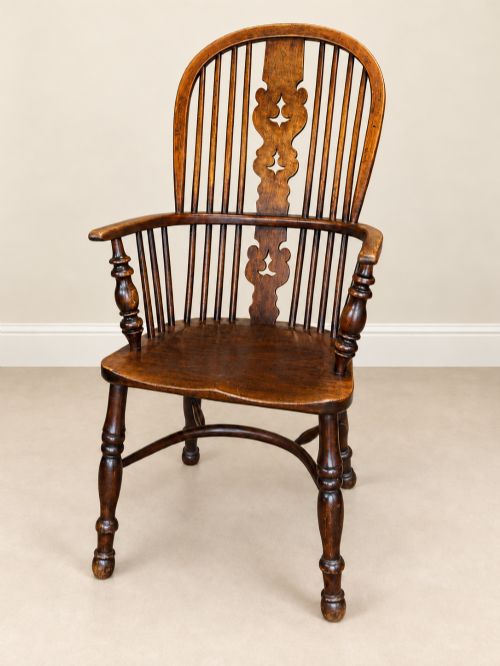
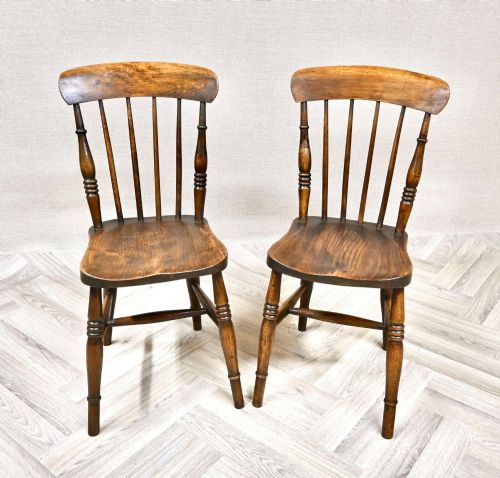
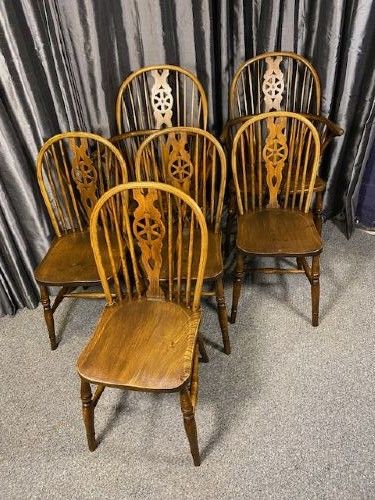
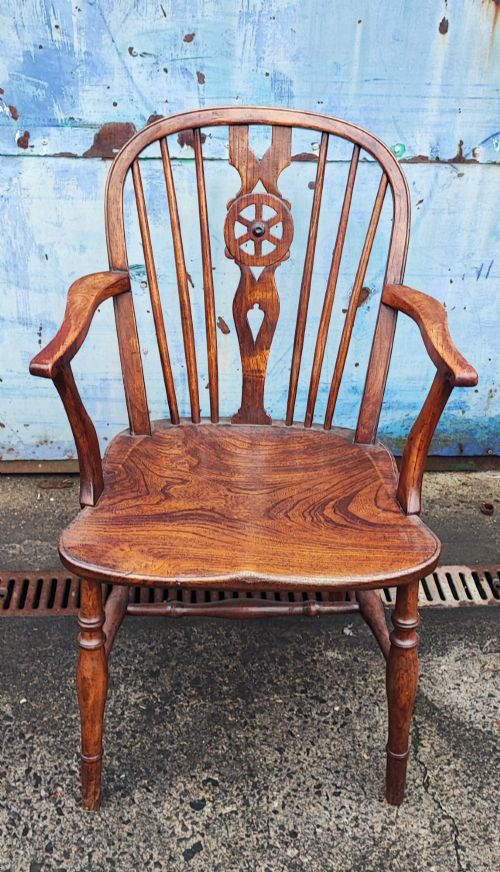
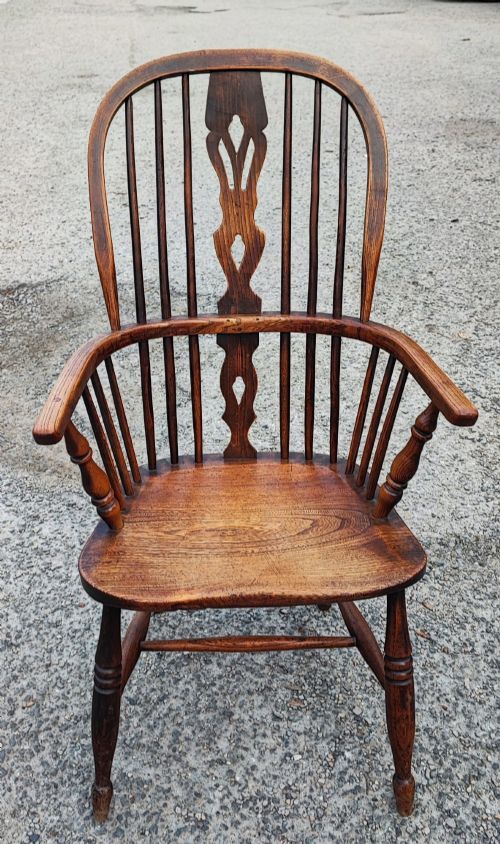
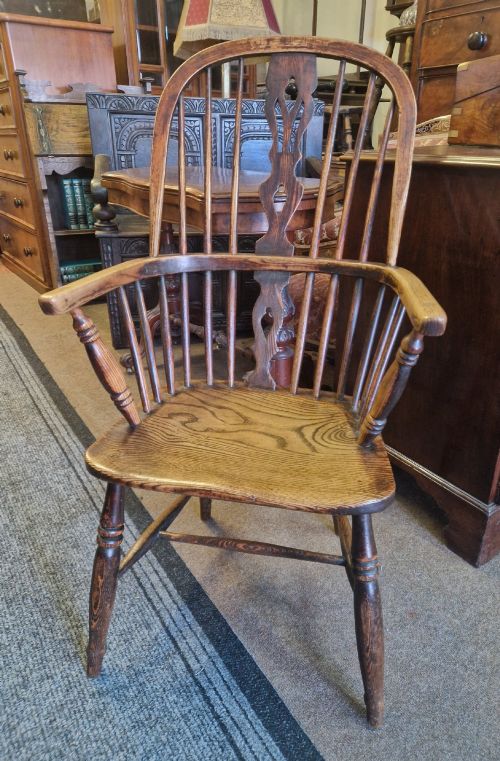
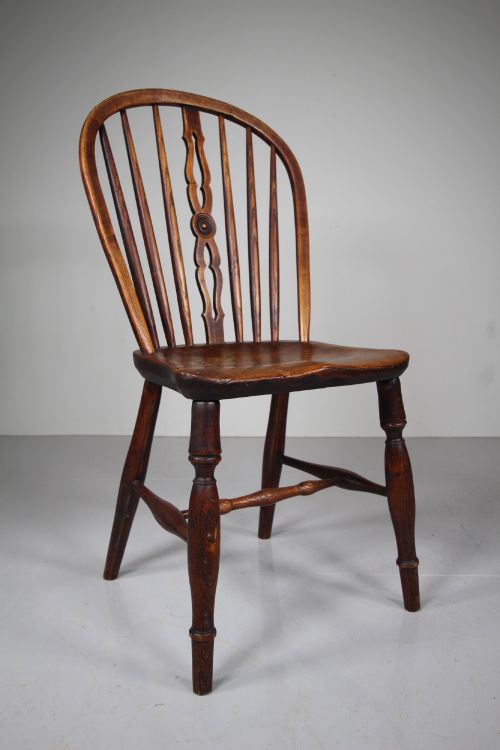
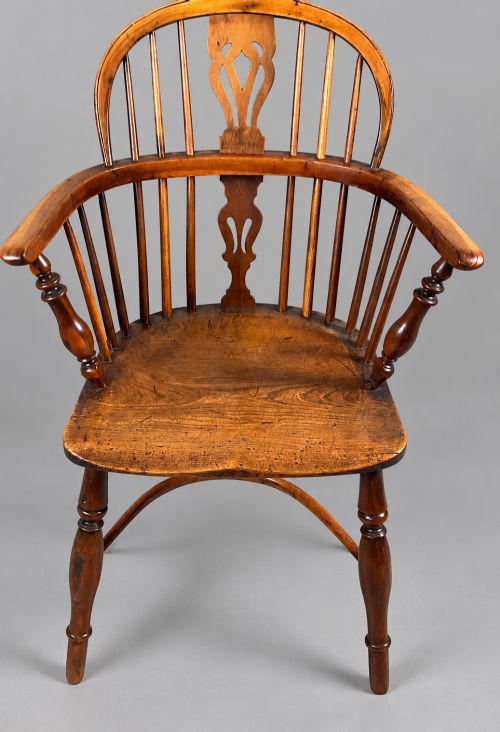
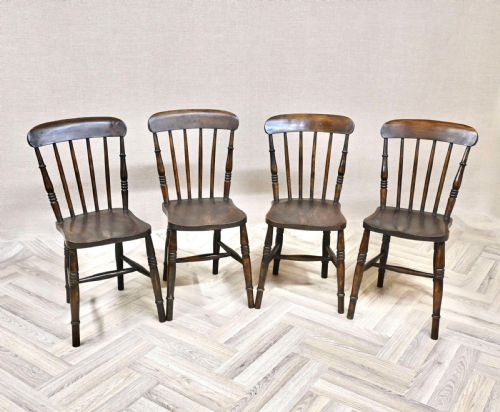
An elm seat wooden chair primarily manifests as a traditional Windsor armchair, kitchen chair, or ladderback originating from the eighteenth and nineteenth centuries. These pieces reflect English country manufacture, utilising solid native timbers designed for daily domestic use in farmhouses, kitchens, and cottages.
Buyers will frequently encounter regional forms such as Thames Valley, High Wycombe, and West Country variants, alongside matched sets and individual armchairs. The primary focus centres on the robust elm saddle seat, which provides both ergonomic comfort and a distinctive figured grain.
Forms extend from low-backed smoker's bows and captain's chairs to towering comb backs and wheelbacks, demonstrating the immense diversity within vernacular seating traditions. Each piece tells a story of local trade and practical utility developed across the Georgian and Victorian eras.
Materials and construction methods
Makers relied on a combination of native hardwoods, pairing a thick elm seat plank with ash or beech spindles, legs, and bentwood elements such as hoops and bows. Elm provided an exceptionally tough, interlocking grain that resisted splitting when excavated into a comfortable saddle shape.
Traditional bodgers and country joiners utilised green woodworking techniques, turning uprights on pole lathes and steam-bending flexible ash or yew to form the characteristic arched backs. Components were joined using wedged tenons and through-dovetails, securing the framework without metal fasteners.
Elm Seat Wooden Chair Retail Price Guide 2026
Typical asking prices for elm seat wooden chair among the pieces listed under this phrase on Sellingantiques today, from the lower quarter to the upper quarter. They describe what is for sale here now, not the wider market.
Some chairs preserve centuries of polish on their saddle seats, shaped softly to the sitter by generations of country life.
Assessing quality and character
Quality rests in the depth and figuring of the elm seat plank, the grace of the spindle turnings, and the survival of an original surface finish or patina. Superior examples display balanced proportions, crisp turning details on the legs and stretchers, and tight structural joints.
Examples incorporating contrasting timbers, such as yew wood bows paired with elm seats, represent higher tiers of regional craftsmanship. The integrity of the timber, minimal replacement parts, and the natural mellowing of the wood over generations separate everyday utility pieces from finer vernacular items.
The Elm Seat Wooden Chair Glossary
- Windsor chair
- A chair built with a solid wooden seat into which the back and legs are direct-tenoned, often featuring a steam-bent bow.
- Smoker's bow
- A low-backed armchair with a continuous curved armrail supported by turned spindles, commonly found in domestic kitchens and inns.
- Comb back
- A Windsor chair style where the vertical spindles of the back extend upward to support a horizontal headrest resembling a hair comb.
- Wheelback
- A vernacular chair design incorporating an openwork splat carved or pierced in the shape of a spoked carriage wheel.
- Bodger
- A traditional woodworker who lived and worked in the woods, turning green timber components on a pole lathe for local chairmakers.
Elm Seat Wooden Chair: Frequently Asked Questions
How do I care for an antique elm seat wooden chair?
Keep the wood nourished by applying traditional beeswax periodically to maintain the natural moisture and rich sheen of the timber.
Position the chair away from direct heat sources and drastic humidity changes to prevent the solid elm seat from splitting or warping.
Were these chairs used only in kitchens?
While many examples are recorded as farmhouse or kitchen chairs, they served utilitarian roles throughout country homes, cottages, and provincial inns.
Their robust construction and comfortable saddle seats made them versatile seating options for dining spaces, parlours, and writing desks alike.
What is a Thames Valley chair?
A Thames Valley chair refers to a regional style of vernacular seating produced along the river valleys of southern England during the eighteenth and nineteenth centuries.
These pieces frequently utilise high-grade timbers such as yew and elm, displaying refined turning and sophisticated construction details distinctive to the locality.
How can I tell an 18th century chair from a Victorian one?
Earlier eighteenth-century pieces often feature simpler, heavier proportions with deep comb backs or robust hoops, whereas Victorian versions frequently introduce steam-bent wheelback splats and slender, machine-turned components.
Examining the tool marks beneath the seat and the wear patterns on the stretchers helps reveal the age and manufacturing techniques employed.