

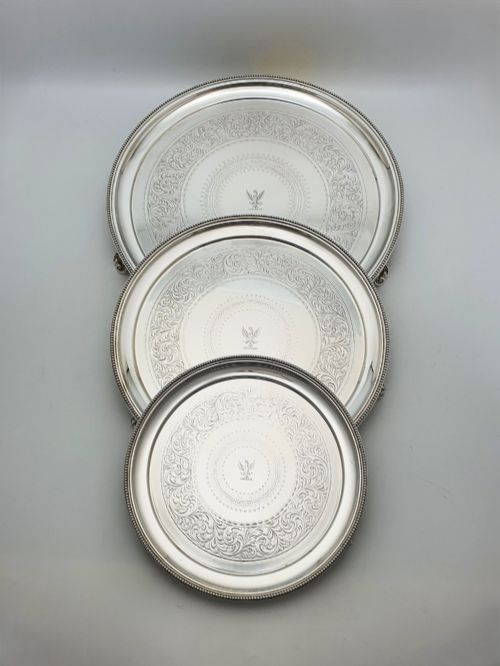


Elkington and Co
When you explore elkington and co, you encounter defining works of British metalwork that bring lasting substance to formal dining rooms and studies.
Elkington and Co
When collectors search for elkington and co, they encounter a distinguished output of domestic metalwork spanning the nineteenth and twentieth centuries. The firm produced substantial table services, lighting, and desk accessories that established new standards for commercial design.
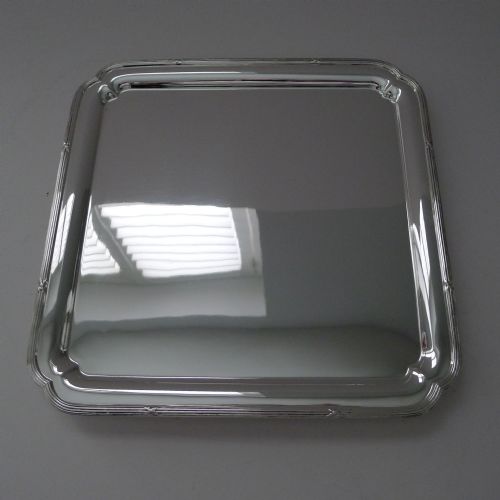
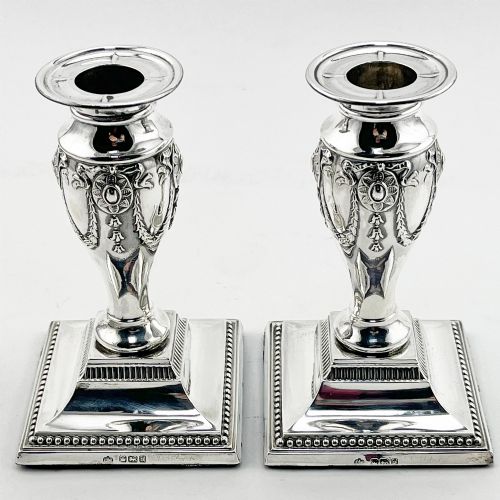
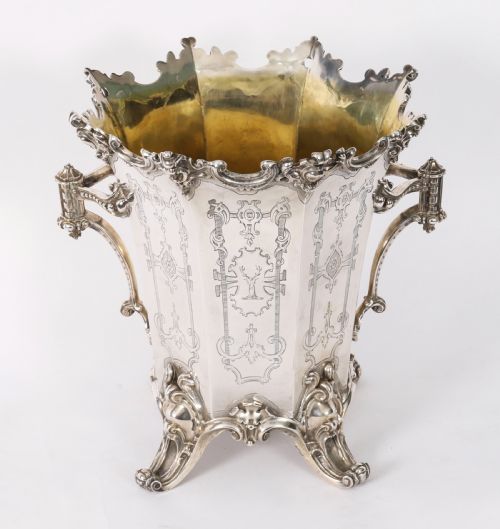
On this page, the most frequent discoveries include silver-plated candlesticks, large salvers, and wine coolers. These pieces reflect periods from Victorian revival styles through to mid-century modern commissions.
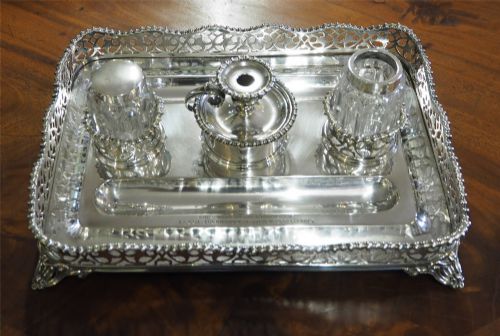
Beyond tableware, the listings reveal diverse functional objects ranging from cruet sets to inkstands and cutlery canteens. Each category demonstrates the commercial scale and artistic ambition of the Birmingham manufacturer.
Materials and Techniques
Production relied heavily on electroplated nickel silver and standard silver plate applied to base metals, alongside sterling silver components. The firm pioneered commercial electroplating processes, allowing intricate forms to receive durable metallic coatings.
Casting and chasing created deep relief ornament on items like candelabra and salvers. Artisans combined these techniques with cut glass, porcelain inserts, and gilt accents to achieve varied textural contrasts.
Specialised departments also worked with copper, brass, and mahogany for utilitarian maritime cookware and heavy storage chests. These diverse materials were assembled using traditional joinery and robust soldering methods.
Elkington and Co Retail Price Guide 2026
Typical asking prices for elkington and co among the pieces listed under this phrase on Sellingantiques today, from the lower quarter to the upper quarter. They describe what is for sale here now, not the wider market.
The firm once manufactured massive copper saucepans for the Red Star Shipping Line, proving that fine plating workshops occasionally cooked for the masses.
Assessing Standard and Execution
Quality in elkington and co pieces rests on the crispness of cast ornament and the preservation of the original plating layer. Items featuring hand-chased details and heavy gauge metal sit at the upper end of the spectrum.
Proportion and structural integrity distinguish ambitious exhibition-grade centerpieces from standard domestic wares. The weight of the base metal and the precision of assembly dictate how well a piece withstands handling.
Elkington and Co·Elkington Mason and Co
The Elkington and Co Glossary
- Electroplate
- The process of depositing a layer of silver onto a base metal using electrical current, which the firm patented and popularised.
- Salver
- A flat metal tray used for serving drinks or presenting cards, typically supported on small feet.
- Electrotype
- A replica of an object created by electrodepositing metal into a mould, utilised for reproducing Renaissance museum pieces.
- Candelabra
- A multi-branched lighting fixture designed to hold several candles simultaneously.
- Cruet set
- A matched collection of glass bottles for holding condiments, fitted into a dedicated metal stand.
Elkington and Co: Frequently Asked Questions
How do I date an elkington piece?
Examination of the maker marks and date letters stamped into the metal provides the primary method for determining the year of manufacture. Different punch configurations and registry numbers correspond to specific decades of production.
Comparing stylistic cues, such as Victorian neoclassical motifs versus art deco geometry, helps narrow down the production era when marks are rubbed.
What is electroplated nickel silver?
Electroplated nickel silver, often abbreviated as EPNS, is a hard-wearing alloy of copper, nickel, and zinc coated with a thin layer of pure silver. This substrate offered a durable and stable foundation that resisted corrosion beneath the plating.
The development of this material allowed the manufacturer to produce affordable domestic wares that mirrored the appearance of solid silver.
How should I clean silver plate?
Maintenance requires gentle washing with warm soapy water and a soft cloth to remove everyday dust and environmental residue. Abrasive polishes should be avoided to prevent wearing through the thin silver layer over raised details.
Specialist non-abrasive silver foams applied sparingly will preserve the dark patination in recessed areas while brightening the high points.
Were these items meant for daily use?
Many objects were commissioned for formal dining rooms, boardroom tables, and maritime liners to serve large gatherings. Their robust construction ensured they could endure regular handling during banquets and domestic service.
Today, these items function well in contemporary interiors as decorative display pieces or practical accessories for hosting.