




Electric Candelabra Light
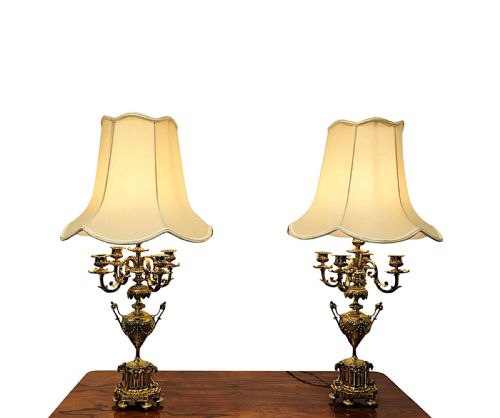
An electric candelabra light brings period illumination to a room, combining traditional branch forms with wired electric fittings.
Electric Candelabra Light
An electric candelabra light merges the branched design of a traditional candelabrum with modern electrical wiring to serve as a functional lamp or wall sconce. These pieces draw from periods such as the nineteenth century and the nineteen-twenties, incorporating historical aesthetics into domestic lighting.
The selections available here span table lamps, wall sconces, and table chandeliers, often originating from French and Italian workshops. Many items begin life as traditional candle-holders before conversion to electricity, retaining their original branch structure.
Buyers frequently encounter pairs featuring multiple light branches, utilising brass, gilt bronze, and crystal components. The designs lean heavily into revival styles, including neoclassical, rococo, and Napoleon III interpretations.
How they were made
Maker workshops utilised cast brass, bronze, and gilt ormolu to form the primary structural branches and bases of each electric candelabra light. Artisans chased and gilded these metal frames to achieve decorative depth and surface lustre.
Crystal pendants and glass drops hang from many arms, catching and refracting the illumination from the bulb. Fabric elements occasionally appear in shades, softening the electric light emitted from the multi-branch fixtures.
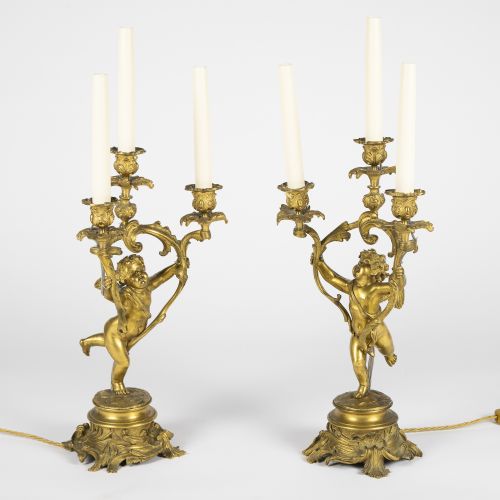
Chubby cast metal putti occasionally cling to the stems of these lights, seemingly frozen in the middle of a mischievous climb.
What varies in quality
The weight and crispness of the metal casting distinguish finer examples from standard production, particularly in the rendering of figural details like putti and foliate scrolls. Heavier cast brass and well-chased gilt bronze retain sharper definition in their ornament.
The integration of the electrical conversion relative to the original metalwork dictates the overall cohesiveness of the piece. High-grade items preserve the structural integrity of the antique candelabrum while concealing wiring effectively within the existing branches.
The Electric Candelabra Light Glossary
- Ormolu
- A technique of applying finely ground high-carat gold to a bronze object using a mercury amalgamation process. This finish provides a warm, durable golden sheen characteristic of French decorative metalwork.
- Candelabrum
- A branched candlestick designed to hold multiple candles or, in later adaptations, electric bulbs. The arms extend outward from a central stem to distribute light evenly.
- Giltwood
- Timber that has been coated with a thin layer of gold leaf or powder. It appears frequently on carved wall lights and frames from the early twentieth century.
- Napoleon III Style
- A nineteenth-century French design movement favouring eclectic revivals of past royal periods, particularly Louis XIV, Louis XV, and Louis XVI. It is noted for opulent materials and decorative excess.
- Putto
- A representation of a plump, naked male child, often winged, derived from classical art. Sculptural putti frequently support or adorn the stems of nineteenth-century lighting.
Electric Candelabra Light: Frequently Asked Questions
What is an electric candelabra light?
An electric candelabra light is a branched lighting fixture designed to mimic the appearance of traditional multi-candle holders while operating on electrical power. These pieces usually take the form of table lamps, wall sconces, or small chandeliers.
Many examples start as antique or vintage non-electric candelabra that undergo conversion to house electrical wiring and bulb sockets. They provide layered accent lighting within a room while retaining historical decorative characteristics.
Were these lights originally electric?
Most older examples began as non-electric candle-holders or oil lamps before later conversion by wiring the existing channels for electricity. Pieces from the nineteenth century typically underwent this adaptation during the twentieth century to suit modern domestic requirements.
Later items from the nineteen-twenties often emerged from workshops designed specifically to house electrical fittings from the outset. Examining the internal wiring paths and branch construction reveals whether a piece was adapted or built for electricity.
How do I style an electric candelabra light?
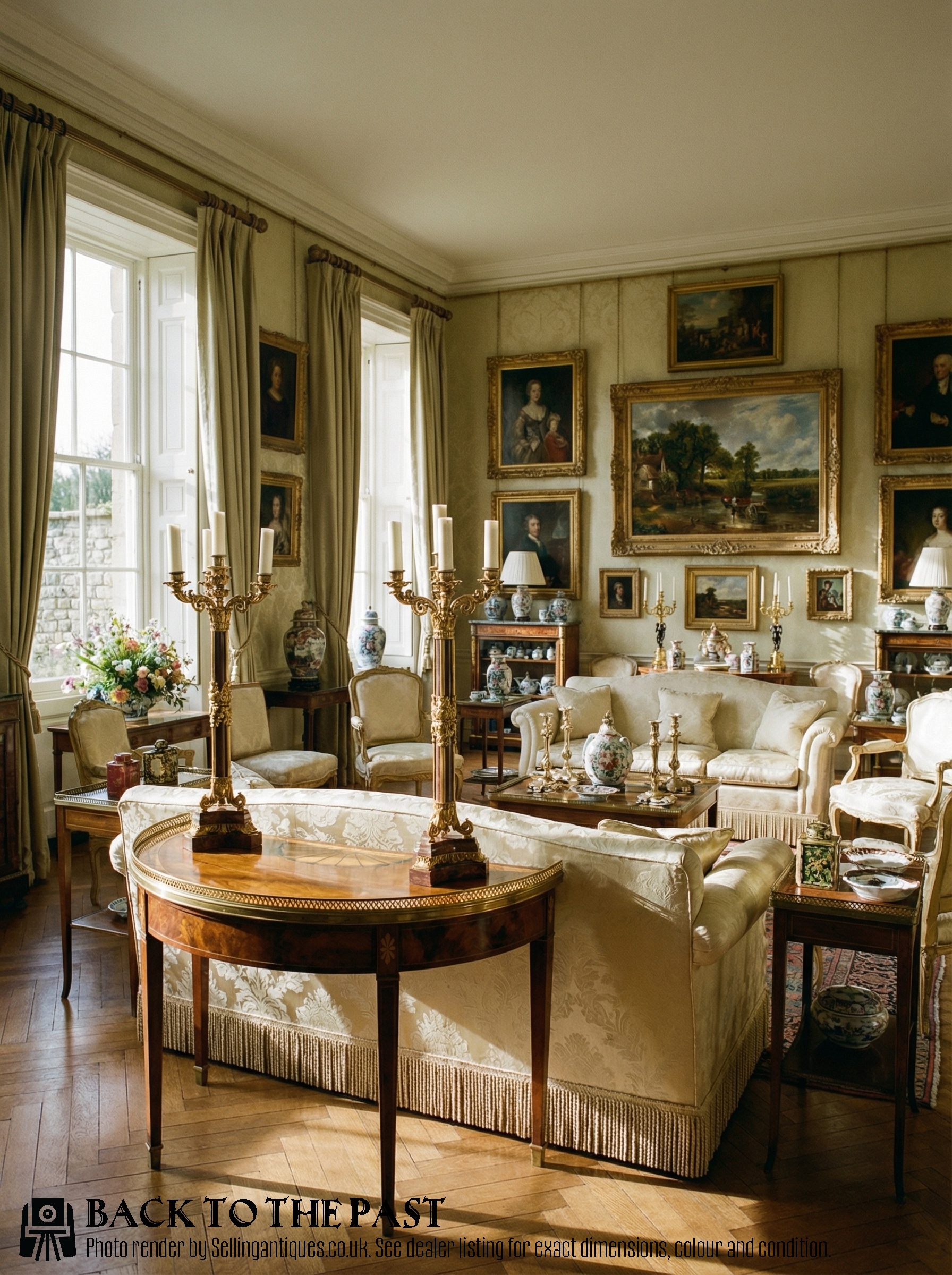
These fixtures function effectively as focal points on sideboards, mantelpieces, or large side tables where their branched structure can be appreciated. Wall-mounted versions suit hallways or living spaces requiring decorative secondary illumination.
Pairing them with traditional or eclectic interior schemes allows the ornate metalwork and crystal drops to complement antique furnishings. Their height and multi-arm spread require adequate surface depth to sit securely.
How do I identify the period?
Dating relies on stylistic markers, casting techniques, and the specific materials utilised in the construction of the frame and base. Nineteenth-century pieces often display heavier bronze casting and classical revival motifs, whereas nineteen-twenties items may show lighter brass fabrication.
Revenues styles such as Rococo Revival or Napoleon III provide clues to the design era that inspired the makers. Comparing the wiring hardware and socket styles also offers a secondary indicator of conversion age.