





Eighteenth Century Secretary Desk
An eighteenth century secretary desk brings together fine cabinetmaking and practical storage, offering a fitted writing space hidden behind a fall front beneath a bookcase or cabinet.
Eighteenth Century Secretary Desk
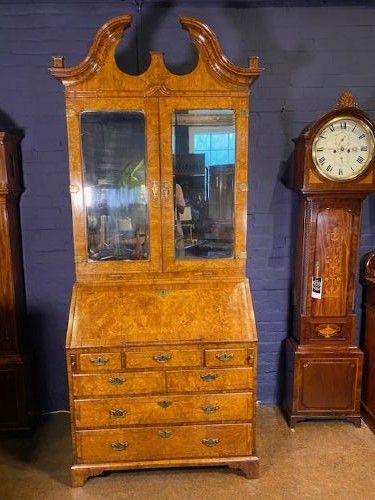
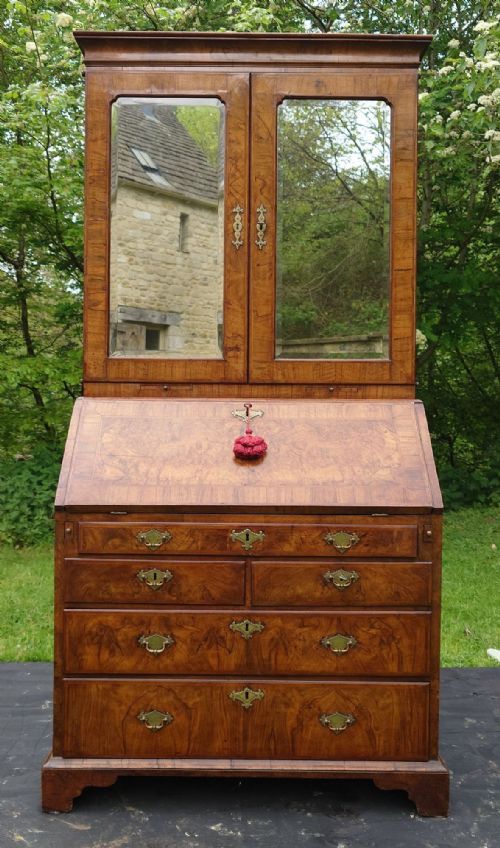
An eighteenth century secretary desk spans several regional variations and stylistic designations, including bureau bookcases, secretaire bookcases, and bureau cabinets. These dual-purpose items combine a lower writing compartment with upper display shelving or enclosed storage, reflecting the domestic needs of the period.
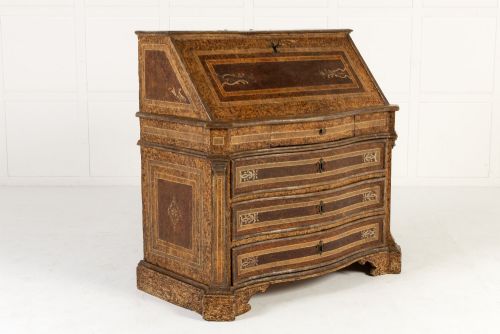
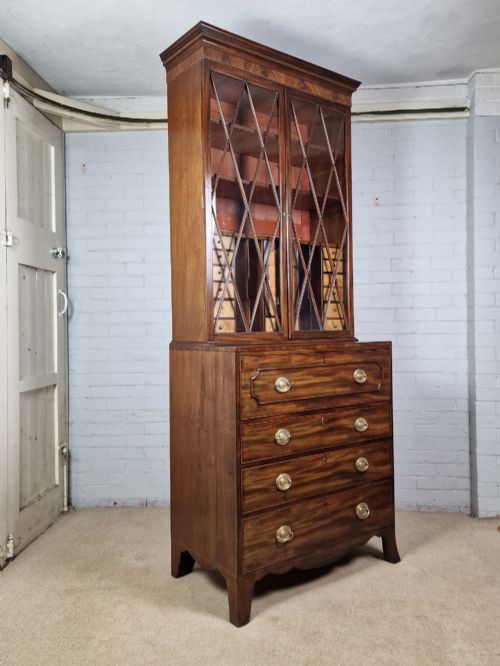
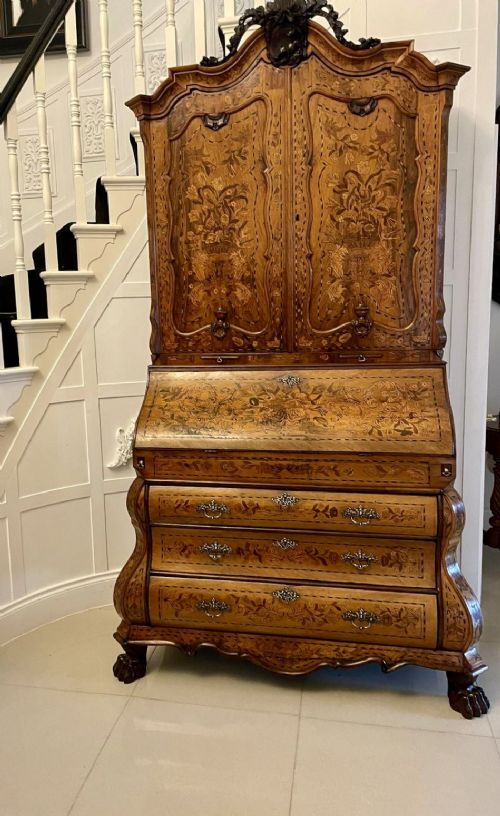
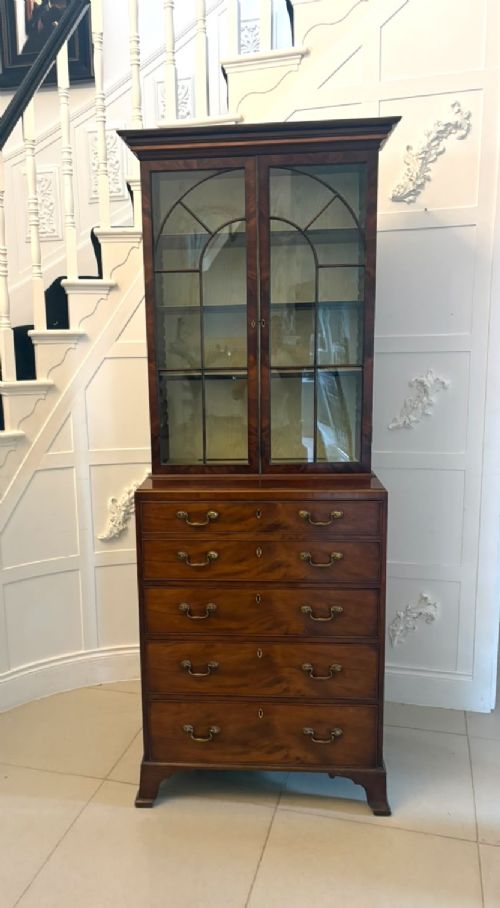
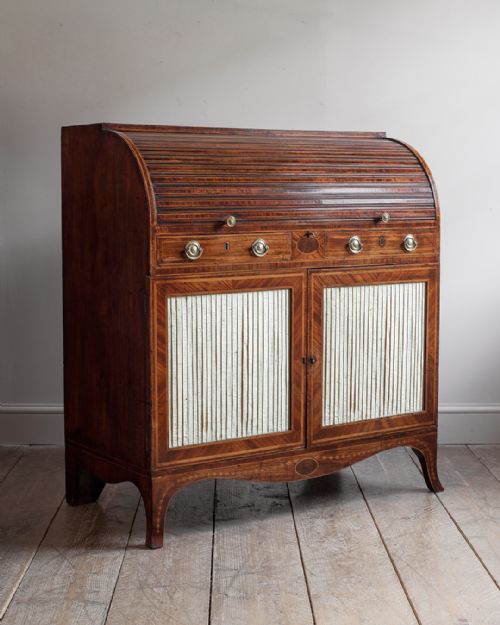
The versions most frequently met on this page range from Georgian mahogany examples to Dutch and Venetian marquetry pieces in burr walnut. Makers of the era utilised distinct local forms, from double dome constructions to cylinder tambour variants, alongside more compact writing desks.
Periods represented across the selection extend from seventeenth century roots through the reigns of George I and George III, into the opening years of the nineteenth century. Stylistic expressions span Queen Anne influences, Baroque details, and elaborate Italian and Dutch Rococo marquetry.
Materials and construction
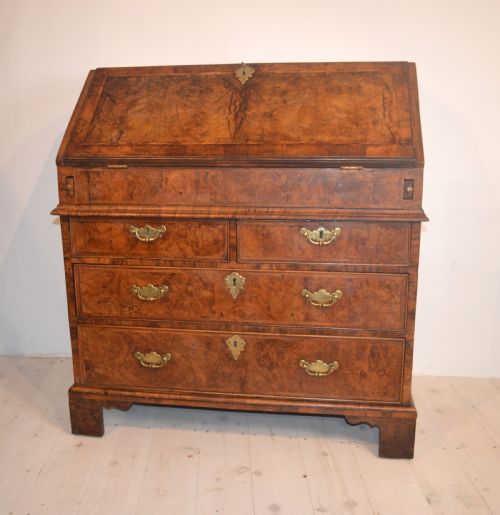
Construction relies heavily on timber selection, with mahogany and walnut forming the structural backbone of these cabinets, often enhanced by burr walnut veneers or satinwood stringing. Artisans applied these veneers to create symmetrical grain patterns across large fall fronts and cabinet doors.
Secondary materials include brass for handles, escutcheons, and hinges, alongside glass panes fitted within astragal glazed doors on the upper bookcase sections. Interior compartments frequently incorporate textile linings or specialised pigeonholes for correspondence.
Eighteenth Century Secretary Desk Retail Price Guide 2026
Typical asking prices for eighteenth century secretary desk among the pieces listed under this phrase on Sellingantiques today, from the lower quarter to the upper quarter. They describe what is for sale here now, not the wider market.
Listings feature walnut, mahogany, and satinwood examples spanning the seventeenth century through to the early nineteenth century.
Quality and execution
The distinction between standard examples and exceptional pieces lies in the depth of figure in the timber and the precision of the marquetry inlay. Skilled execution is evident where veneer patterns align seamlessly across drawers and fall fronts without interruption.
Secondary details such as the internal configuration of secret drawers, the hand-cut dovetailing of internal boxes, and the quality of cast brass hardware set superior examples apart. The integration of the upper bookcase section with the lower bureau requires proportional harmony and careful joinery.
Gillows·Gamichon A Paris
The Eighteenth Century Secretary Desk Glossary
- Bureau bookcase
- A dual-purpose piece combining a sloping writing flap over drawers with an upper enclosed shelving unit. These items served as both a writing workspace and a library cabinet in period homes.
- Secretaire
- A desk or cabinet featuring a pull-out or drop-front writing drawer that conceals smaller drawers and pigeonholes. The mechanism allows the exterior to maintain the appearance of a standard chest of drawers or cabinet.
- Astragal glazed
- Doors constructed with wooden frameworks dividing individual panes of glass. This technique provided a secure display method for books while keeping dust away.
- Marquetry
- The art of applying pieces of veneer to a structural surface to form decorative patterns and pictorial designs. Cabinetmakers used contrasting woods such as walnut and satinwood to achieve tonal depth.
- Bonheur du jour
- A light, feminine writing desk featuring a small set of drawers and shelves upon the upper surface. These compact writing tables emerged during the later eighteenth century.
Eighteenth Century Secretary Desk: Frequently Asked Questions
What is an eighteenth century secretary desk?
These items are combined writing desks and storage cabinets, typically featuring a fall-front desk section positioned beneath glazed or panelled bookshelves. They provided a private space for correspondence while keeping domestic libraries organised.
Craftsmen built them using native and exotic hardwoods, integrating complex internal drawers and pigeonholes designed to secure valuable papers and account books.
How were secretary desks used originally?
Owners used the fold-down writing surface for letter writing, keeping records, and managing household finances. The upper glass doors displayed bound volumes and valued possessions to visitors.
Secret compartments inside the writing well held currency and private letters, reflecting the need for security in eighteenth-century households.
How do I fit one into a modern room?
Their vertical proportions make them effective in studies, living rooms, or large hallways where floor space is limited. The enclosed storage keeps modern paperwork and electronics out of sight behind period cabinetry.
Allow sufficient clearance in front of the piece for the fall-front flap to drop completely horizontal during writing use.
How do I distinguish between regional styles?
English pieces from the Georgian era favor architectural lines and rich mahogany or walnut grains, often featuring astragal glazing bars. Dutch and Italian variants frequently employ dense floral marquetry and curved double dome top structures.
Examining the secondary woods inside drawer linings often reveals the regional origin of the workshop where the piece was constructed.