



Eighteenth Century Seating
Eighteenth century seating brings solid timber frames and period forms into a room, offering functional history that anchors any interior.
Eighteenth Century Seating
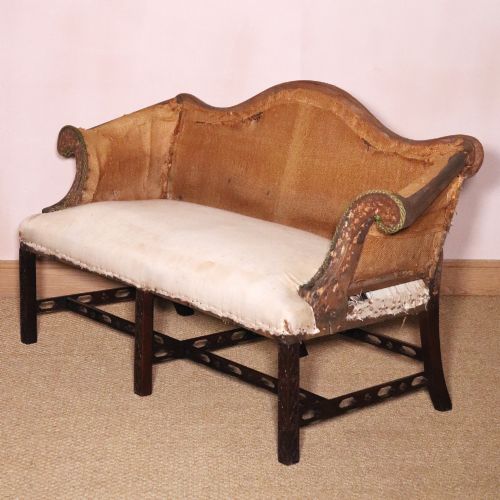
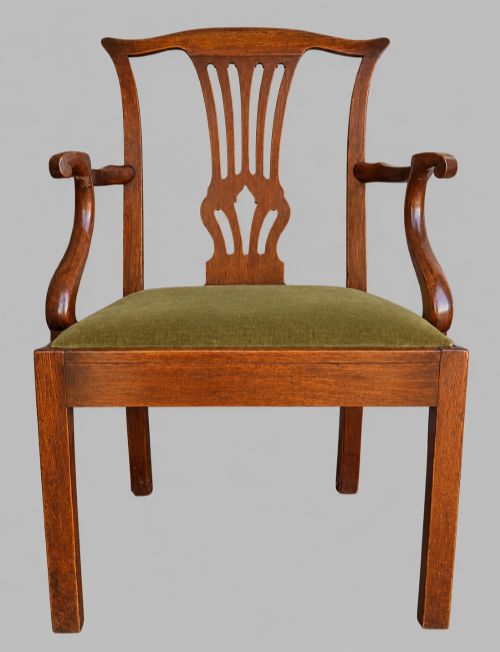
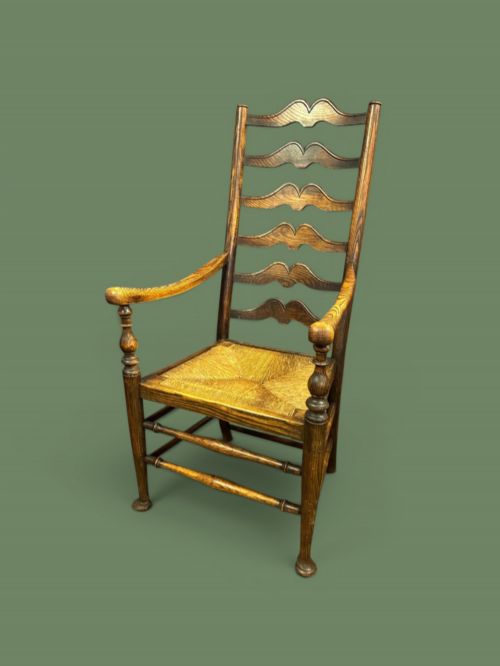
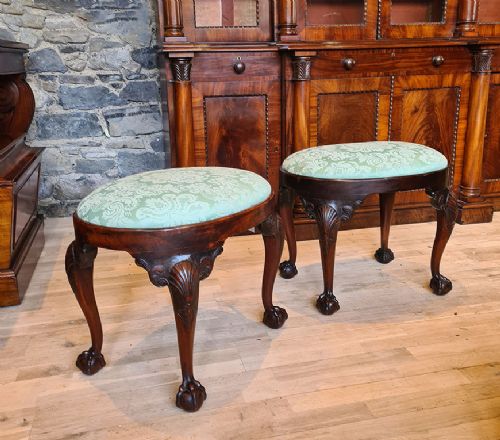
Eighteenth century seating encompasses dining chairs, armchairs, settees, and stools produced across Georgian and related periods, constructed from woods like mahogany and elm. These pieces range from formal carved mahogany dining sets to country ladder-back chairs with rushed or upholstered seats.
Buyers browsing this selection will most frequently encounter mahogany dining chairs and occasional armchairs, often displaying Georgian design influences or later revival styles. Forms span from single side chairs to sets of eight, alongside specific regional variations such as Thames Valley Windsor chairs.
The material palette relies heavily on native and imported timbers, paired with traditional textiles including velvet, leather, and plain fabric. Frames range from simple country elm structures to intricately carved mahogany frameworks with brass details.
How they were made
Makers utilised solid timbers like mahogany, elm, walnut, and beech, shaping structural members through traditional joinery and hand-carving techniques. Timber selection dictated the strength of the frame, with dense mahogany supporting elaborate pierced splats and carved details.
Upholstery methods involved stuffing seated areas with traditional materials before securing them with leather, velvet, or woven rush. Frames frequently incorporated brass elements for stability or decoration, particularly on library armchairs and stools.
Eighteenth Century Seating Retail Price Guide 2026
Typical asking prices for eighteenth century seating among the pieces listed under this phrase on Sellingantiques today, from the lower quarter to the upper quarter. They describe what is for sale here now, not the wider market.
Periods represented across the available seating span from the Georgian era through the late nineteenth-century revival styles.
What varies in quality
Quality in these pieces depends upon the crispness of the hand-carved ornamentation and the selection of figured timber for prominent surfaces. Chairs with deep relief carving on the crest rails and robust cabriole or straight legs represent a higher standard of craftsmanship.
The structural integrity of the timber frame and the preservation of original joinery significantly influence the standing of a piece. Sets that remain together as unified groups demonstrate greater consistency than assembled collections of individual chairs.
The Eighteenth Century Seating Glossary
- Mahogany
- A durable hardwood imported during the period, prized for its deep reddish-brown tone and suitability for intricate carving. It forms the primary material for formal Georgian seating.
- Elm
- A tough, interlocking native timber utilised primarily in country furniture and Windsor chairs for its resistance to splitting. It provides sturdy framing for rustic seating.
- Rush
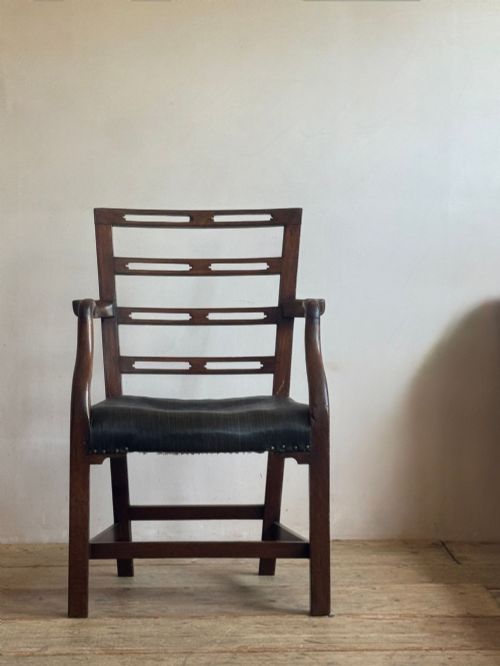
- Dried marsh grass twisted into cords and hand-woven to create resilient, flexible seat bases. This material appears frequently on ladder-back and country armchairs.
- Chippendale Style
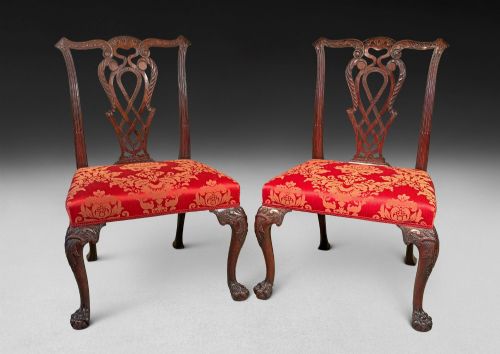
- A design vocabulary drawing on the pattern books of Thomas Chippendale, characterised by elaborate interlaced splats and carved cabriole legs. It defines many formal dining and side chairs.
- Windsor Chair
- A traditional seating form featuring a solid wooden saddle-shaped seat into which spindles and a bentwood bow are wedged. Thames Valley examples are particularly noted by makers.
Eighteenth Century Seating: Frequently Asked Questions
How do I care for antique wooden chairs?
Maintain stable humidity levels in the room to prevent the solid timber from drying out or splitting over time. Apply appropriate natural waxes sparingly to nourish the wood surface without building up excessive residue.
Keep upholstered areas away from direct sunlight to protect fabrics and leather from fading. Check structural joints periodically to ensure the historical joinery remains secure under normal daily use.
Can I use antique dining chairs daily?
These chairs were built for functional domestic use and remain entirely practical for regular seating around a dining table today. Solid mahogany and elm frames offer robust support when handled with reasonable care.
Heavier everyday wear requires mindfulness regarding the condition of old joints and antique upholstery. Ensure guests sit down gently rather than dropping heavily into the seats to preserve the original frames.
How do I distinguish regional chair styles?
Regional differences appear in the choice of native woods, such as Thames Valley makers utilising local yew and elm for Windsor chairs. Country workshops relied on accessible materials and simpler construction methods compared to urban cabinetmakers.
Formal city pieces often incorporate imported mahogany and detailed carving influenced by contemporary pattern books. Examining the secondary woods on the underside of a seat frequently reveals the likely region of manufacture.