





Edwardian Writing Accessory
These edwardian writing accessory pieces include silver inkwells, brass desk sets and leather pen boxes designed for the desk.
Edwardian Writing Accessory
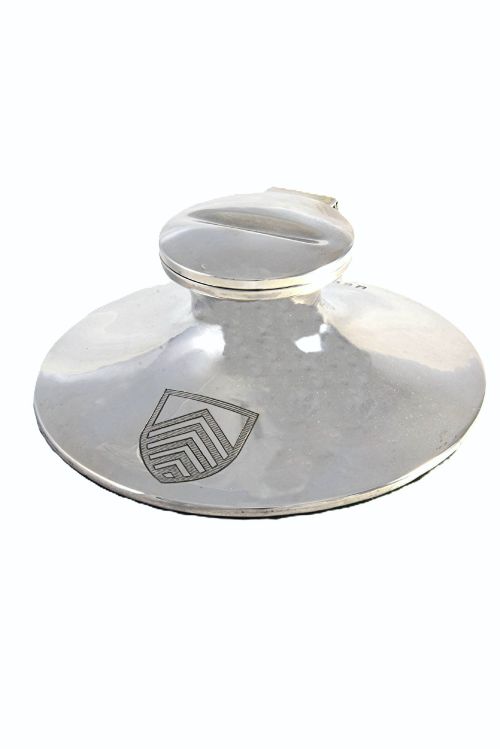
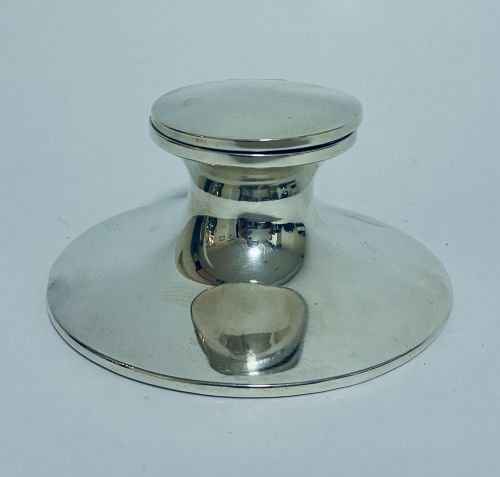
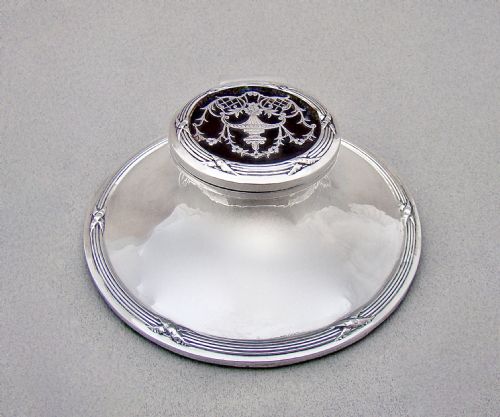
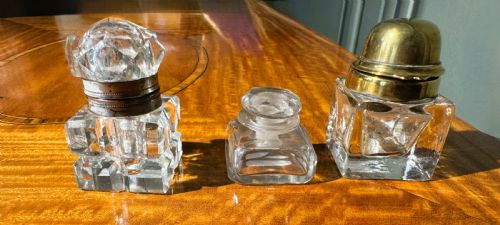
An edwardian writing accessory covers desk equipment made around the turn of the twentieth century alongside Victorian and early twentieth-century examples. The selection includes capstan inkwells, silver-mounted cut glass ink pots, blotters and desk stands.
Buyers encounter items ranging from simple brass rocker ink blottings to elaborate silver double inkstands fitted with chambers and drawers. Materials stretch across sterling silver, silver plate, brass, cut glass, leather, bronze and occasional porcelain.
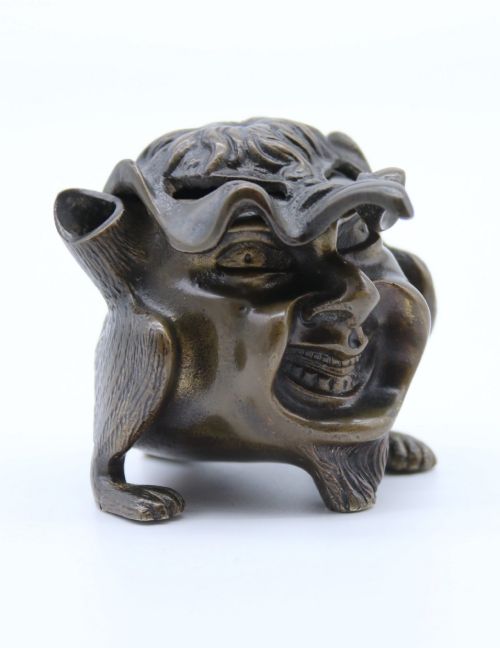
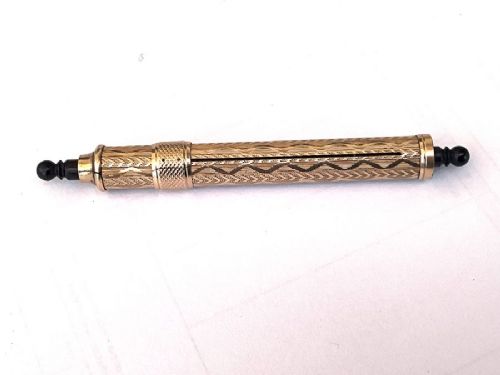
Forms span practical stationery boxes, stamp boxes and letter openers alongside novelties like pheasant pen wipes and pony hoof inkwells. Pieces derive from English, Continental and American workshops.
How they were made
Silver components utilise standard smithing and casting techniques, often bearing Birmingham or London hallmarks alongside maker marks. Glass ink inserts feature heavy cut patterns designed to fit securely into metal collars.
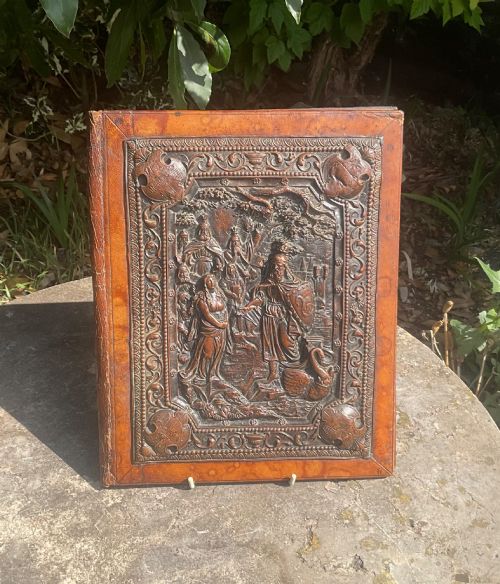
Leather goods employ rigid wooden foundations encased in tooled hides, while bronze and brass items use foundry casting finished with patination. Wood pieces such as oak stationery cabinets rely on traditional joinery to house internal compartments.
Edwardian Writing Accessory Retail Price Guide 2026
Typical asking prices for edwardian writing accessory among the pieces listed under this phrase on Sellingantiques today, from the lower quarter to the upper quarter. They describe what is for sale here now, not the wider market.
Listings feature sterling silver, silver plate, brass, bronze, cut glass, leather, and oak across desk accessories.
What varies in quality
Weight and gauge distinguish heavier cast silver capstan inkwells from lighter plated alternatives, while the clarity and depth of cut glass bottles indicate higher manufacturing standards. The presence of original fitted components, such as unused sealing wax or intact glass liners, elevates a piece.
Detailing in decorative elements like guilloche enamel medallions, Art Nouveau foliate stampings or bronze animal casting marks the difference between standard production items and ambitious workshop output.
Henry Matthews·Walker And Hall·Sampson Mordan·Edward Todd And Co·William Graeme
The Edwardian Writing Accessory Glossary
- Capstan inkwell
- A desk inkpot shaped like a ship capstan, tapering inward from a wide base to a smaller top collar.
- Vesta case
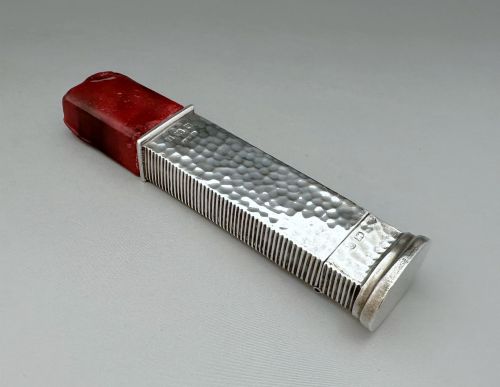
- A small pocket container originally used for holding matches, often combined here with sealing wax compartments.
- Rocker ink blotter
- A curved wooden or metal device fitted with blotting paper used to dry wet ink across manuscript pages.
- Guilloche enamel
- Decorative mechanical engraving beneath a translucent enamel layer, commonly seen in floral medallions on silver items.
- Inkstand
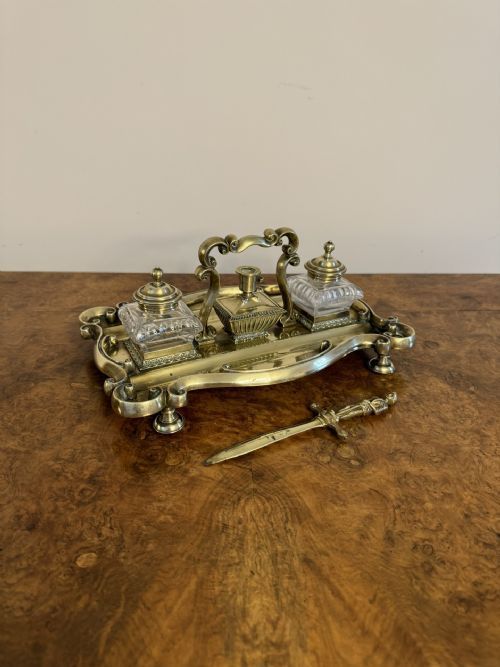
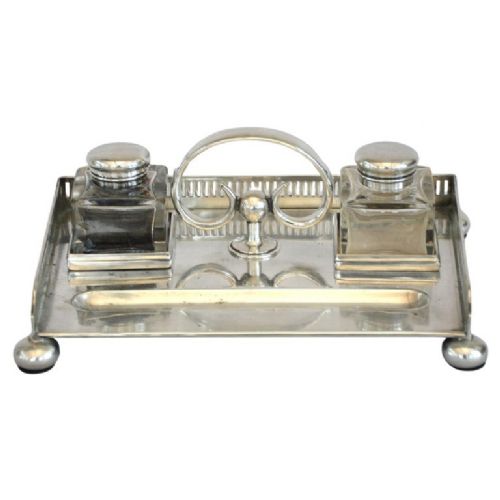
- A fitted tray or stand holding one or more ink bottles alongside pen rests and sometimes a bell or chamberstick.
Edwardian Writing Accessory: Frequently Asked Questions
What is a capstan inkwell?
A capstan inkwell takes its wide-based, tapered silhouette from nautical machinery used to haul anchors. The broad foot prevents the heavy silver or brass vessel from tipping over during use.
Most examples feature a hinged lid at the top opening to a glass insert that holds the ink. The weighted base houses the ink reservoir safely in the centre of the desk.
How were desk stands used?
Desk stands gathered all necessary writing implements onto a single silver, brass, or wooden tray for easy access in the study. They typically held one or two glass inkwells alongside pen rests and sometimes stamps or sealing wax.
Larger versions incorporated stationery boxes, drawers, or matching chambersticks for lighting candles to melt sealing wax. They sat permanently on writing tables in country houses and offices.
What is a vesta and sealing wax combo?
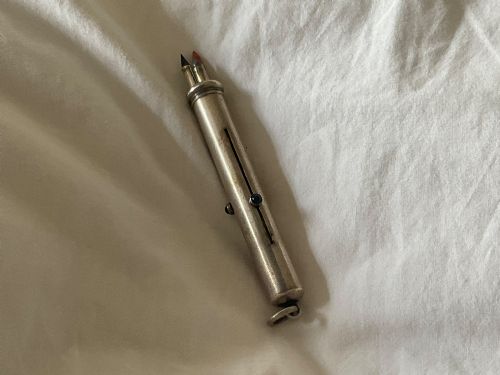
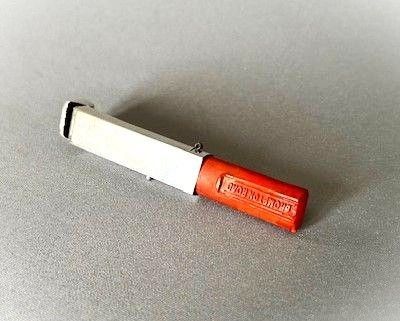
This combination piece housed matches in one compartment and coloured sealing wax in an adjoining tube for posting letters. It provided portable writing provisions before the widespread use of self-adhesive envelopes.
Carried in the pocket or kept on a desk, the silver case often included a small panel for striking matches.
How do I date an inkstand?
Silver components carry hallmarks indicating the assay office, city, and exact year of manufacture, allowing precise dating. Stylistic clues such as Art Nouveau curves or heavy Victorian oak carving also point to specific decades.
Maker marks stamped into the metal link the piece to recorded silversmiths and manufacturing firms operating during the period.