

Edwardian Wooden Tea Tray
An edwardian wooden tea tray brings structural elegance to afternoon hosting, combining practical serving surfaces with delicate period inlay.
Edwardian Wooden Tea Tray
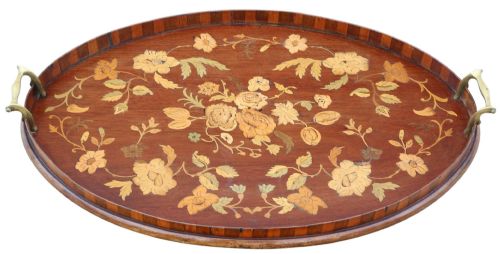
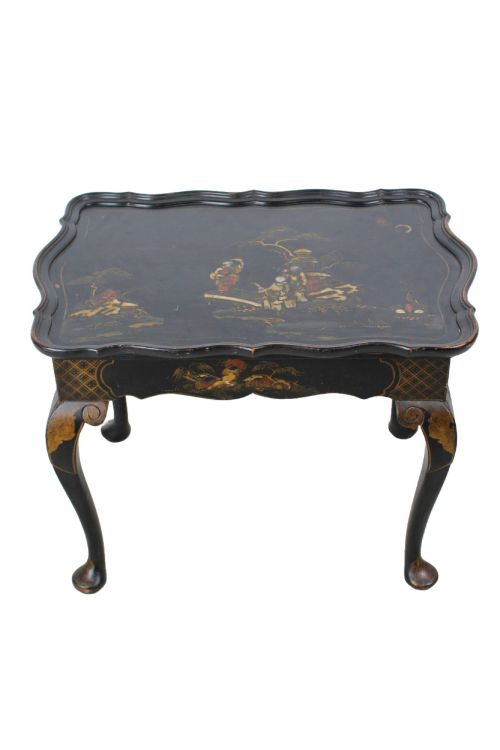
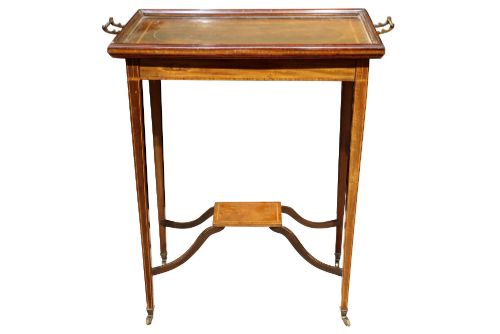
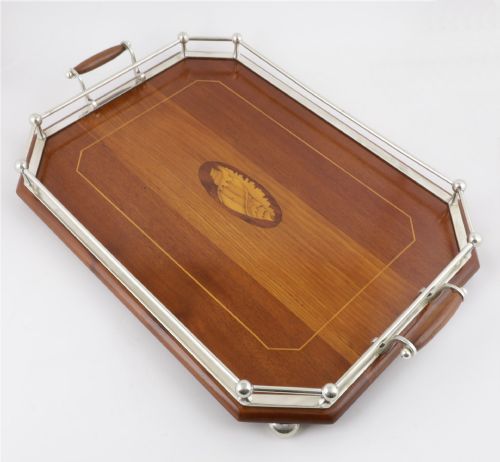
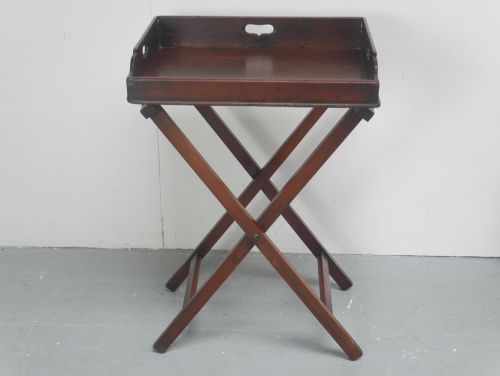
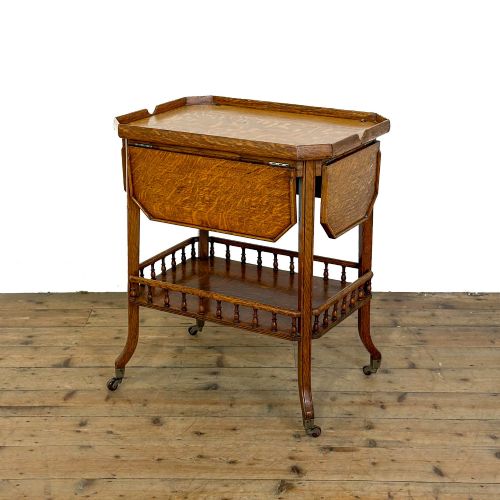
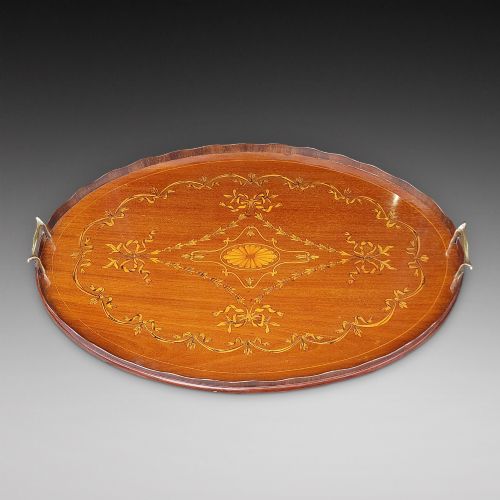
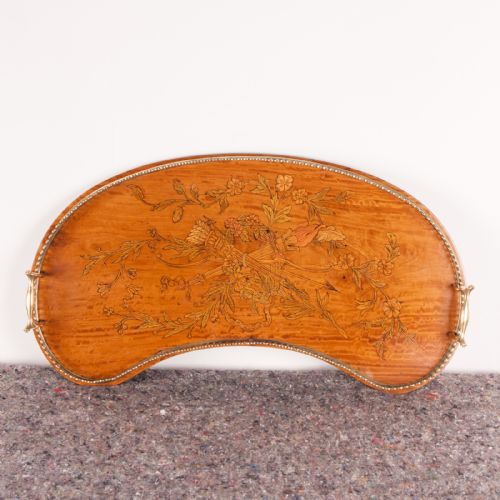
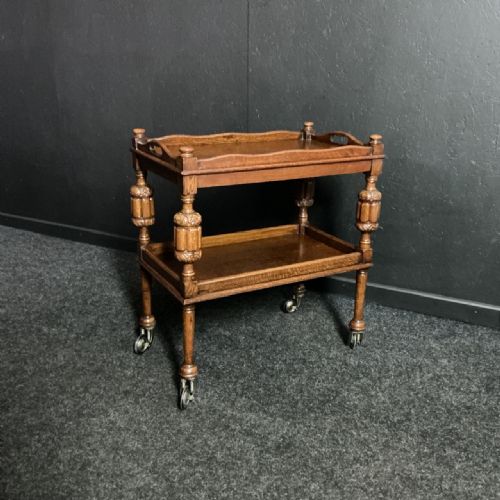
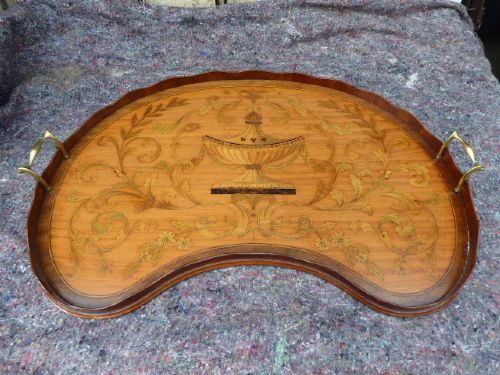
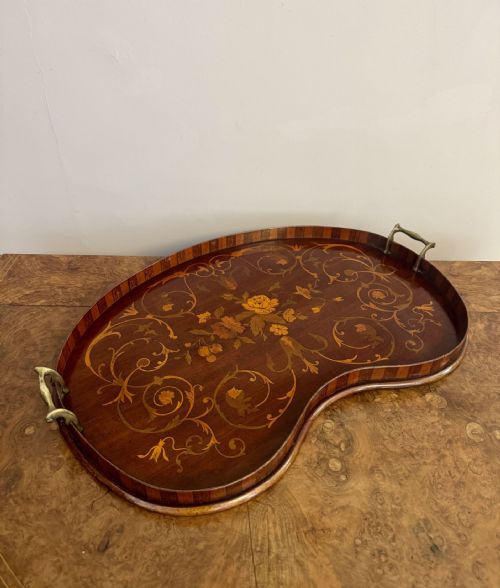
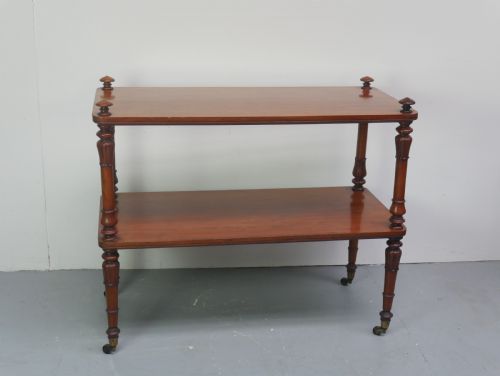
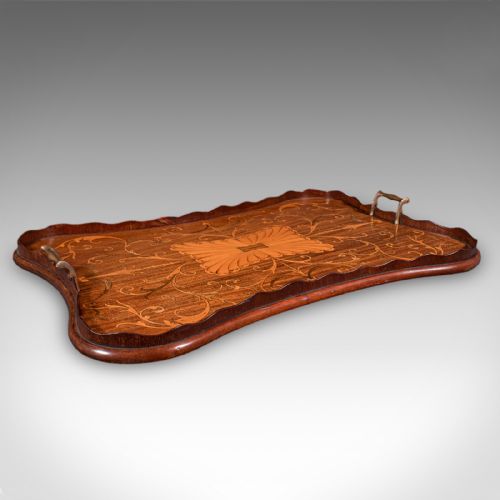
The selections found here include standard serving platters alongside adaptations mounted on occasional tables and tea trolleys. Mahogany, satinwood, oak, and walnut form the primary foundations of these items, often enriched with intricate marquetry and contrasting timber veneers.
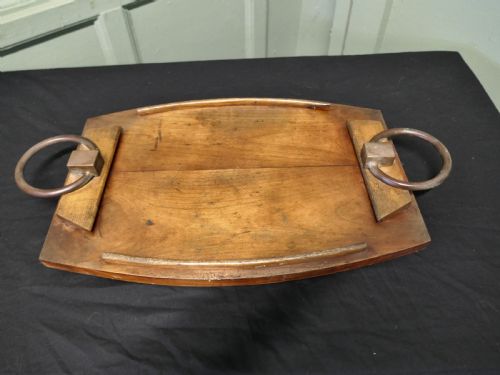
Makers drew upon Sheraton Revival, Georgian Revival, and Arts and Crafts design vocabularies to shape these objects. Buyers encounter everything from simple timber surfaces with scalloped edges to elaborate gallery trays fitted with brass or silver-plated handles.
Materials and construction methods
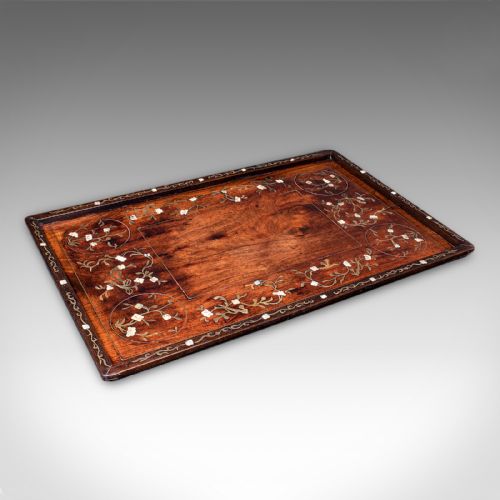
Cabinetmakers utilised dense hardwoods such as mahogany and oak as the structural base for an edwardian wooden tea tray, ensuring stability during transport. Surface decoration relied heavily on marquetry and wood veneer, employing satinwood, burr yew, and rosewood to create geometric or floral motifs.
Metal mounts in brass and silver plate frequently reinforced the rims, handles, and galleries of finer examples. Hand-cut dovetails, subtle shell inlay, and raised wooden borders demonstrate the precise woodworking techniques applied across the period.
Listings feature serving trays, tea trolleys, and tray-top tables spanning the Victorian, Edwardian, and Arts and Crafts periods.
Assessing craftsmanship and finish
Hardware integration also marks the grading of these objects. Trays featuring solid brass gallery rails, integrated handles cut directly from the timber, and well-preserved French polish reflect higher levels of original workshop execution.
Edwards and Roberts
The Edwardian Wooden Tea Tray Glossary
- Marquetry
- The art of forming decorative patterns by fitting together small pieces of wood veneer. This technique defines the ornate surface designs seen on many period tea trays.
- Gallery tray
- A tray featuring a raised railing or border around its perimeter, designed to prevent items from sliding off during service. These borders often incorporate pierced brass or shaped timber.
- Sheraton Revival
- A late nineteenth and early twentieth-century design style inspired by the neoclassical furniture of Thomas Sheraton. Pieces in this style typically display light satinwood, graceful curves, and classical inlay motifs.
- Kidney-shaped
- A curved, asymmetrical form resembling a human kidney, popular for serving trays and occasional furniture during the Edwardian era. This shape allowed the piece to sit comfortably against the body of a server.
Edwardian Wooden Tea Tray: Frequently Asked Questions
What is an edwardian wooden tea tray used for?
These items served primarily to transport tea sets, cups, and cakes from the kitchen to the parlour or drawing room.
Today, owners utilise them both as functional serving platters and as decorative display surfaces on coffee tables or sideboards.
How do I care for wooden serving trays?
Keep timber surfaces clean by dusting with a dry, soft cloth and avoid exposing the wood to excessive moisture or direct heat sources.
Apply a microcrystalline wax periodically to nourish the polish and protect delicate veneer work from drying out.
Are these trays suitable for daily use?
Most antique trays remain structurally sound for gentle daily service, provided they are lifted by their handles and kept clear of standing liquids.
Heavily inlaid or veneered pieces with delicate marquetry benefit from occasional rather than heavy practical use to preserve the surface.
How do I distinguish Edwardian trays from Victorian ones?
Edwardian examples often favour lighter satinwood veneers, Sheraton Revival influences, and refined, delicate proportions.
Victorian pieces tend to employ heavier dark mahogany or oak timbers, sometimes combined with robust silver-plated galleries and simpler structural lines.