





Edwardian Wooden Luggage Rack
These edwardian wooden luggage rack pieces offer sturdy bedroom utility, combining practical folding frames with period charm for modern guest rooms.
Edwardian Wooden Luggage Rack
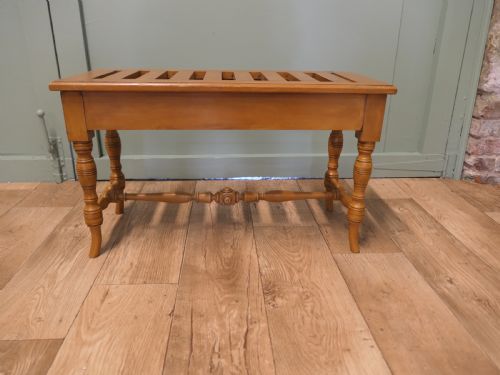
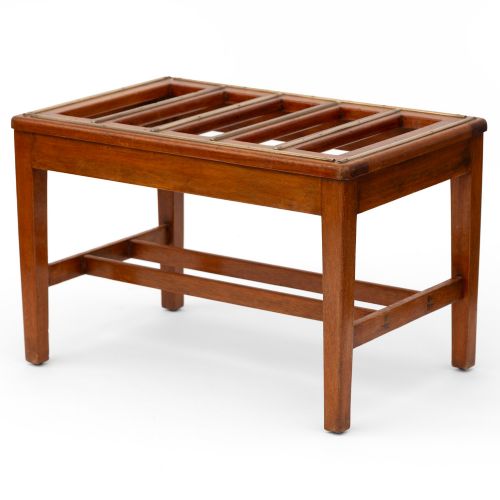
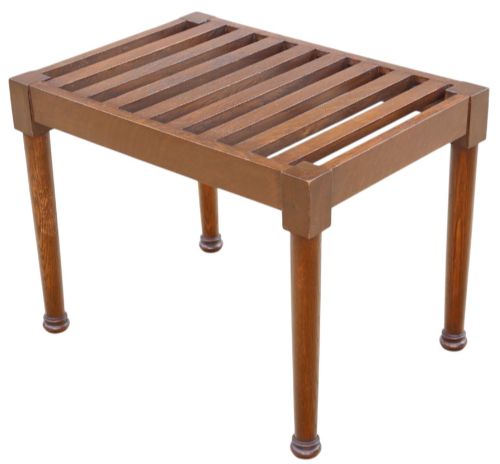
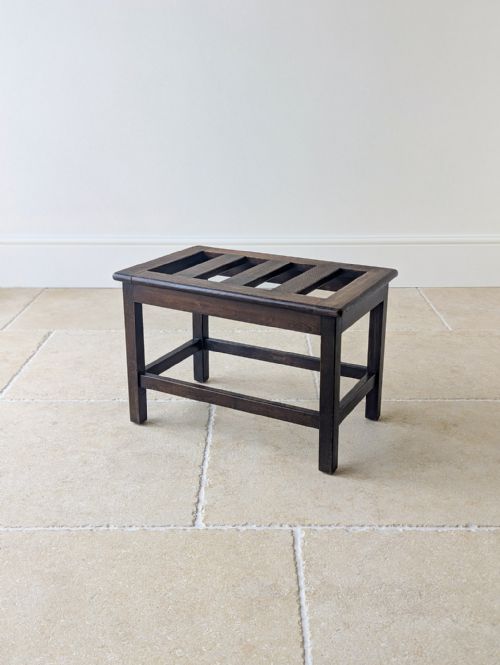
An edwardian wooden luggage rack provides a dedicated surface for guest cases and travel bags at a convenient height. These practical stands appear primarily from the Edwardian era and the nineteenth century.
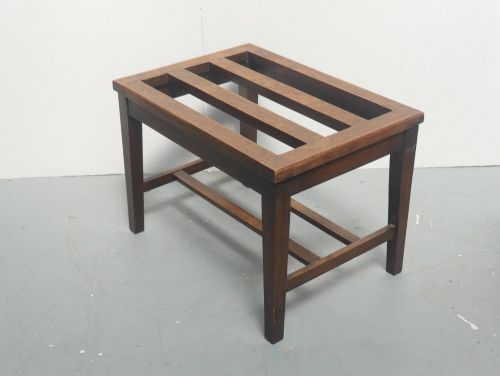
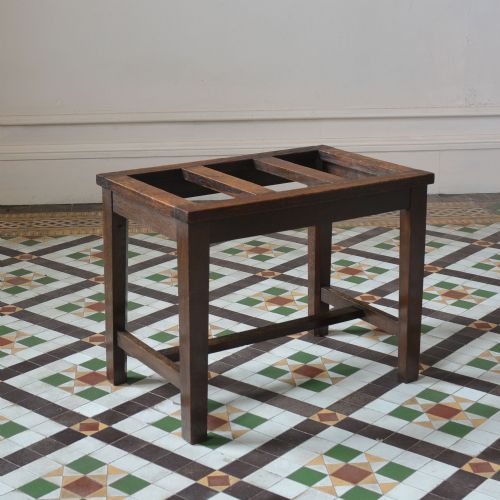
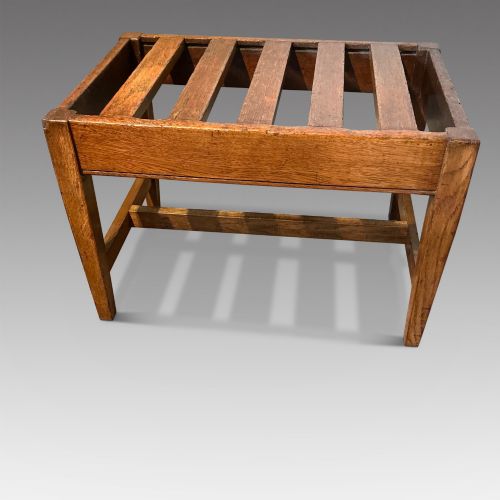
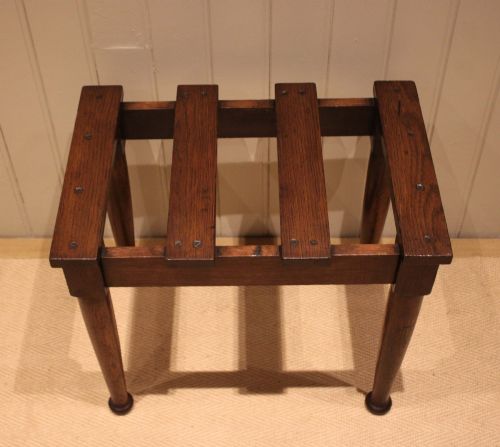
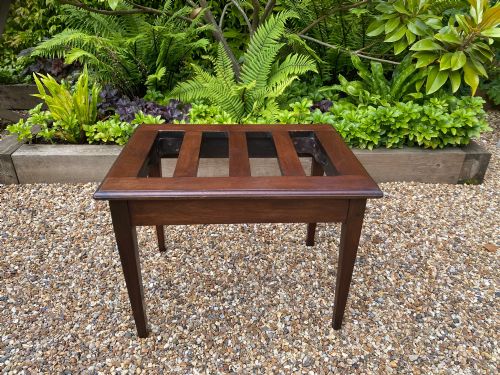
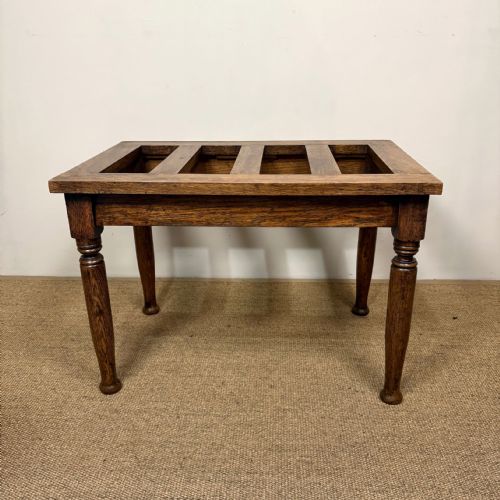
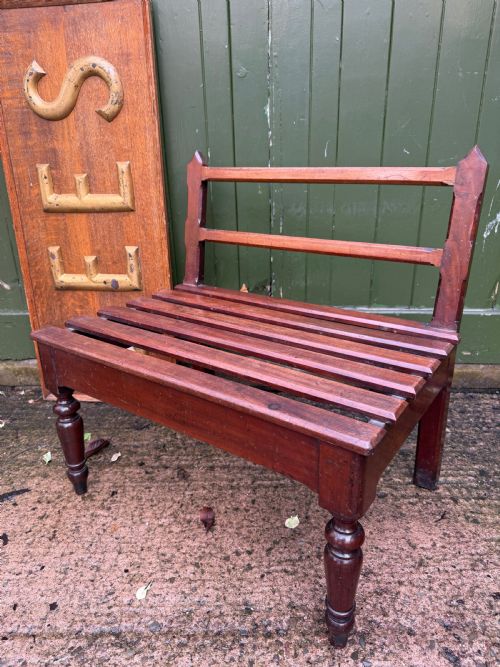
Most examples take the form of folding or rigid stands featuring slatted tops supported on four legs. Some feature a raised and raked rear upstand support to keep cases from scuffing walls.
Originating in country houses and hotels, these items bring traditional utility into contemporary bedrooms. The selection on this page demonstrates various interpretations of the form across different decades.
How they were made
Carpenters constructed these stands using hardwoods such as oak and mahogany, alongside ash, pine, and occasional painted finishes. Timber selection dictated the weight and visual presence of each piece.
Makers integrated brass hardware and iron fittings to reinforce joints and folding mechanisms. Polished surfaces highlighted the natural grain of the wood while providing protection against daily wear.
Edwardian Wooden Luggage Rack Retail Price Guide 2026
Typical asking prices for edwardian wooden luggage rack among the pieces listed under this phrase on Sellingantiques today, from the lower quarter to the upper quarter. They describe what is for sale here now, not the wider market.
Some stands retain the ghosts of West End hotel labels, having spent their youth supporting grand leather trunks before retiring to domestic life.
What varies in quality
The standard of timber selection and joinery separates basic utility stands from superior examples. Dense hardwoods and substantial framing indicate higher craftsmanship than simpler pine constructions.
Details such as carved wooden elements, raised rear upstands, and maker attributions elevate the distinction of a piece. Original polished finishes and robust structural integrity define the better specimens.
Waring & Gillow
The Edwardian Wooden Luggage Rack Glossary
- Upstand
- A raised barrier at the rear of the rack designed to protect walls from luggage scuffs. This feature appears on deeper nineteenth-century country house models.
- Slats
- The horizontal wooden bars forming the top surface that support the luggage. Spacing and thickness vary according to the period and intended load.
- Luggage stand
- A low furniture form designed specifically for holding travel bags at a comfortable height. These pieces often feature folding legs for convenient storage.
- Edwardian
- The period spanning the reign of King Edward VII, characterised by lighter furniture designs and refined proportions. Pieces from this era often utilise oak.
- Country house
- A term denoting sturdy, functional furniture intended for large domestic estates. Such pieces prioritise robust utility over delicate ornamentation.
Edwardian Wooden Luggage Rack: Frequently Asked Questions
What is an edwardian wooden luggage rack used for today?
These stands serve effectively in guest bedrooms for holding suitcases, extra blankets, or laundry baskets. Their folding design allows for easy storage when not in use.
They bring practical surface space and period character into domestic interiors without taking up excessive floor area.
How do I distinguish an Edwardian rack from a Victorian one?
Edwardian examples generally exhibit lighter proportions and brighter oak finishes compared to earlier nineteenth-century iterations. Victorian pieces often use denser mahogany or ash timbers.
Examining the construction details and framing thickness helps determine the approximate period of manufacture.
Are these luggage racks strong enough for modern suitcases?
Solid hardwood construction from the nineteenth and early twentieth centuries provides substantial weight-bearing capacity. These stands were originally built to support heavy canvas and leather trunks.
Routine checks of joints and any folding mechanisms ensure safe everyday use with contemporary luggage.
What materials were commonly used in these stands?
Makers relied predominantly on durable timbers such as oak and mahogany, supplemented by ash, pine, and painted softwood. Metal components typically include brass screws and iron brackets.
The choice of material often reflects the intended setting, from grand country houses to hotel bedrooms.