









Edwardian Wooden Bench Table
An edwardian wooden bench table offers dual-purpose seating and surface utility, combining period practicality with robust craftsmanship for daily domestic use.
Edwardian Wooden Bench Table
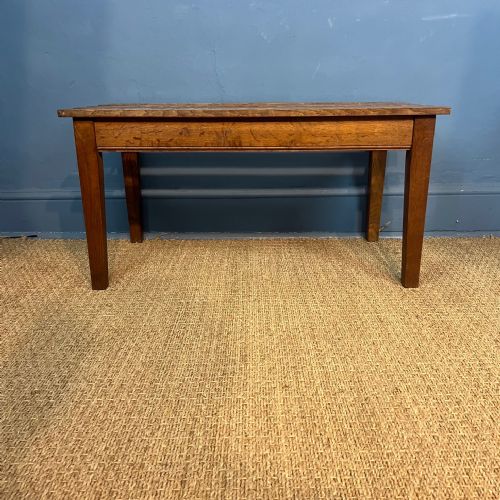
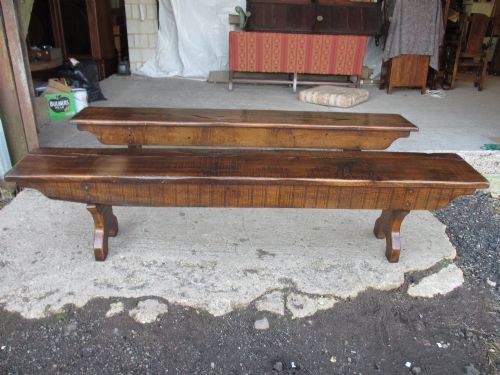
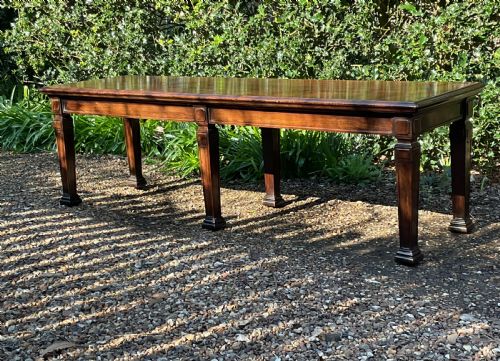
When you search for an edwardian wooden bench table, you encounter practical oak seating forms alongside related utilitarian pieces from the turn of the twentieth century and adjacent eras. The selection spans sturdy refectory tables with matching bench forms, oak monks benches, and heavy oak benches featuring shaped trestle ends.
The objects frequently bridge multiple styles, moving from Jacobean Revival and Arts and Crafts to rustic farmhouse interpretations. Many examples utilise solid timber construction to provide enduring utility as hall seats, window seats, or kitchen work tables.
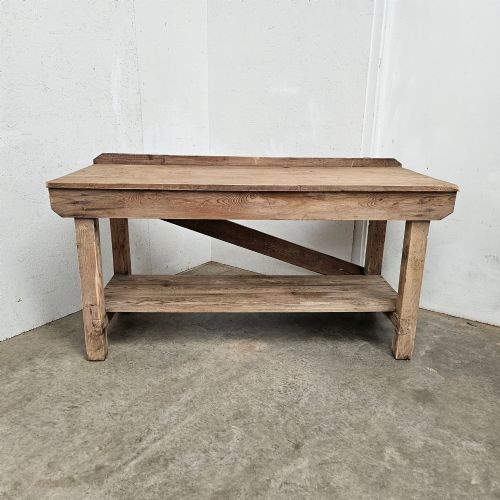
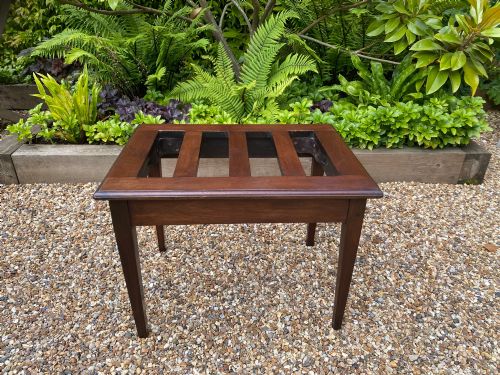
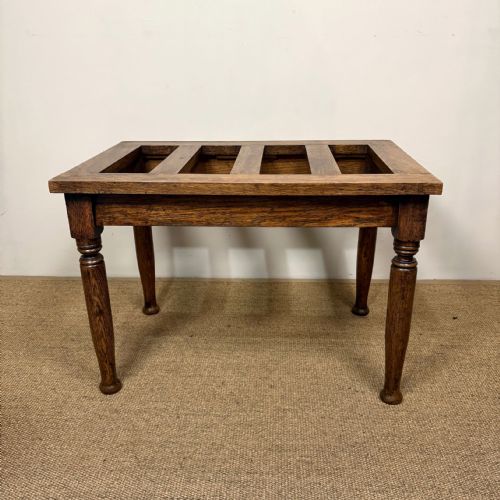
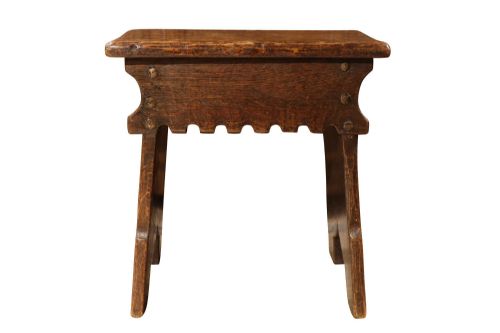
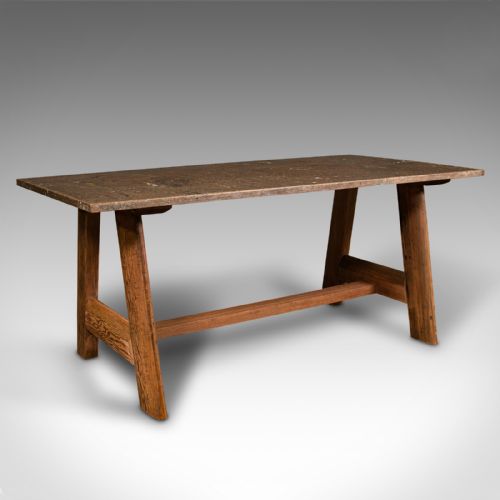
Beyond standard benches, the category encompasses related functional forms including pine bakers prep tables, mahogany luggage stands, and pegged oak stools. Buyers seeking this phrase typically meet substantial oak items designed for heavy use in hallways, kitchens, and living spaces.
Materials and Construction Methods
Makers relied principally upon English oak and pine, shaping heavy timbers into robust frames for daily domestic service. Construction frequently involved pegged joints and panelled woodwork, ensuring structural rigidity without relying on modern fasteners.
Selected pieces incorporate decorative elements such as carved detailing, inlaid woodwork, and shaped trestle ends. Surface finishes range from natural golden oak patinas to painted pine and polished mahogany.
Edwardian Wooden Bench Table Retail Price Guide 2026
Typical asking prices for edwardian wooden bench table among the pieces listed under this phrase on Sellingantiques today, from the lower quarter to the upper quarter. They describe what is for sale here now, not the wider market.
Ellen E. Houghton designed tile panels depicting the days of the week, proving that even Victorian hall stands required a calendar reminder.
Judging Quality and Execution
Superior examples distinguish themselves through the selection of dense, well-figured timber and the precision of traditional joinery techniques such as pegged construction. The integrity of the original wood grain and the depth of the natural patina determine the visual standing of each piece.
Proportion and structural balance separate utilitarian output from more considered cabinet work. Pieces that retain their original hardware, uncompromised panel work, and solid structural framing represent the higher end of the range.
The Edwardian Wooden Bench Table Glossary
- Monks Bench
- A convertible furniture form that functions as a table when the back tilts forward and as a bench or settle when upright. This dual-purpose design was popular in hallways and smaller rooms.
- Trestle Ends
- Support structures consisting of horizontal feet connected to vertical uprights, carrying the weight of a bench or table top. They distribute load evenly across the floor.
- Pegged Construction
- A method of joining wooden members using wooden dowels or pins driven through mortise and tenon joints. This traditional technique avoids metal nails.
- Apprentice Piece
- A small-scale item created by a trainee artisan to demonstrate mastery of joinery and carving skills before qualifying as a master craftsman. These objects scale down full-sized furniture designs.
- Refectory Table
- A long, narrow dining table traditionally designed for communal dining halls. The form prioritises stability through sturdy underframes and stretcher rails.
Edwardian Wooden Bench Table: Frequently Asked Questions
What is a monks bench?
A monks bench is a convertible furniture piece featuring a pivoting back that folds down flat to form a table surface. When upright, it functions as an enclosed hall seat with storage beneath the seat.
This clever dual-purpose design made the form popular in period homes where space efficiency was valued.
How do I care for antique oak furniture?
Protect antique oak surfaces by keeping them away from direct heat sources and sudden temperature fluctuations that can cause timber to split. Apply natural beeswax periodically to nourish the wood and maintain its protective finish.
Avoid using silicone-based polishes, which build up over time and dull the natural patina.
What distinguishes Edwardian furniture?
Edwardian furniture often borrows heavily from earlier periods like Jacobean Revival and Arts and Crafts while incorporating lighter proportions. Craftsmen utilised solid oak and mahogany alongside inlaid details to create domestic pieces.
The era balanced traditional sturdy construction with a turn towards functional home utility.
Where should I place a bench table?
A bench table or monks bench suits hallways, large kitchens, and living rooms where its dual seating and surface functions can be utilised daily. Placed against a wall, it serves as a seat while offering a surface when converted.
Ensure adequate clearance around the piece if you plan to pivot the top into a table configuration.