




Edwardian Wood Timepiece
An edwardian wood timepiece brings tactile warmth to a room through rich timber cases and dependable mechanical movements.
Edwardian Wood Timepiece
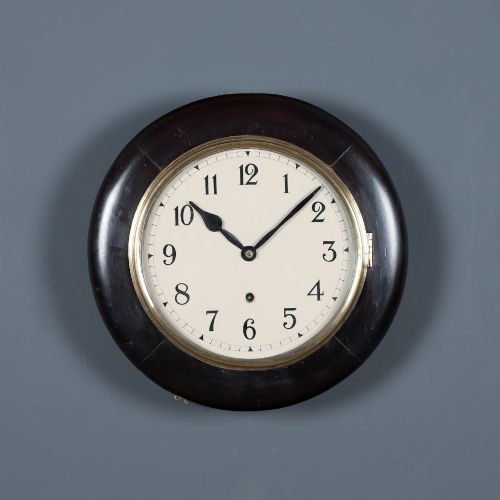
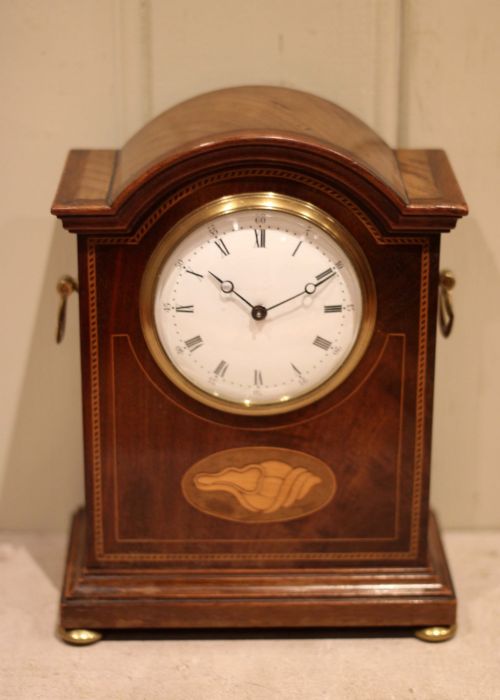
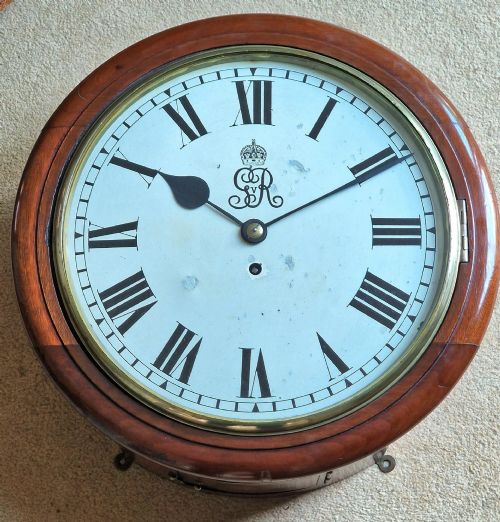
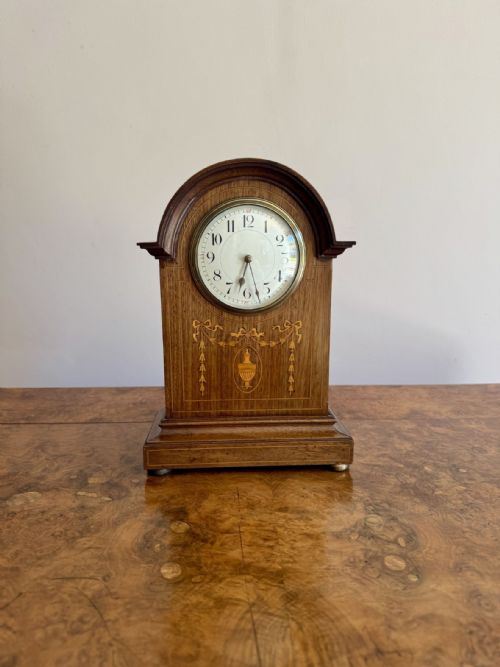
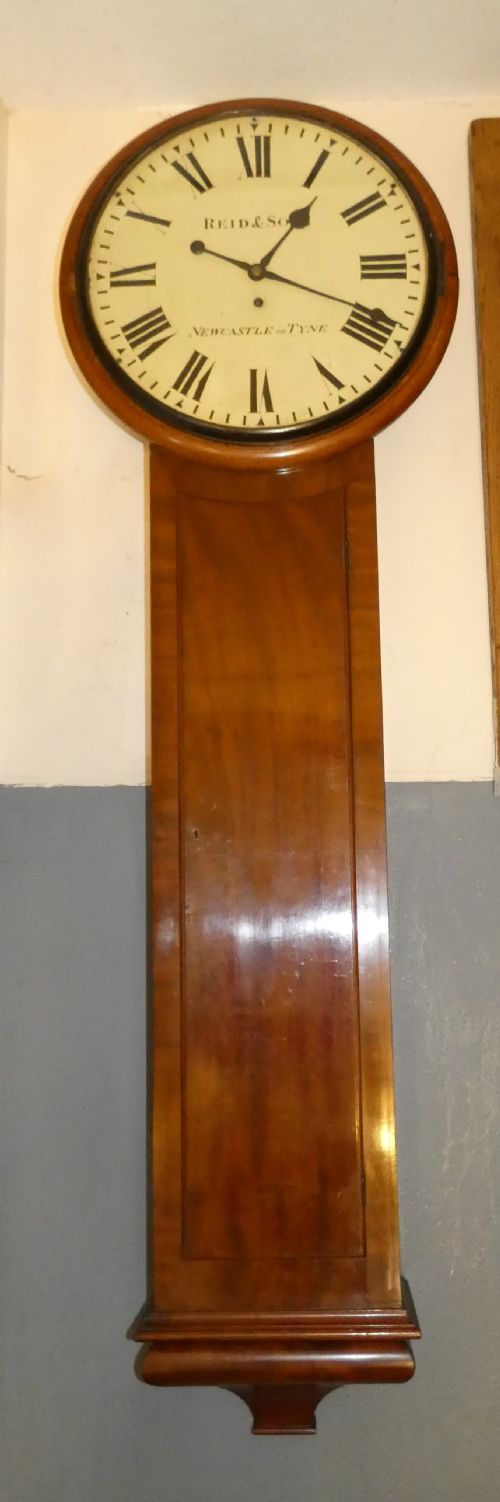
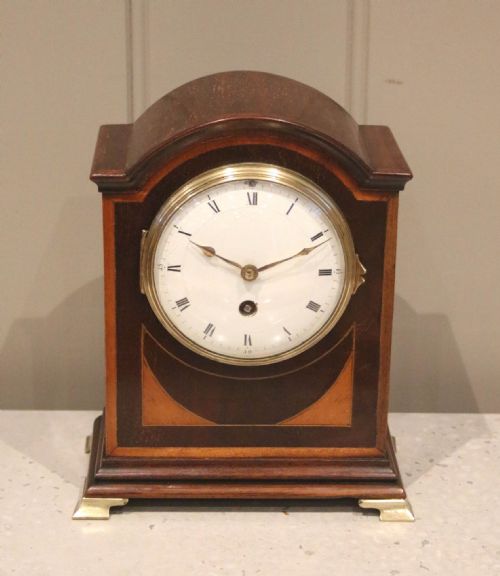
An edwardian wood timepiece covers a diverse selection of clocks housed in wooden cases, stretching from the late Victorian era through the Edwardian period and into the nineteen thirties. Buyers will encounter various forms, including mantel clocks designed for tabletops, larger wall clocks suited for school or station settings, and bracket clocks with architectural presence.
The materials and aesthetic influences span multiple decades, incorporating Edwardian inlay, Victorian heft, Art Nouveau curves, and Art Deco geometry. Mahogany, oak, and walnut dominate the selection, often accented with satinwood or brass details.
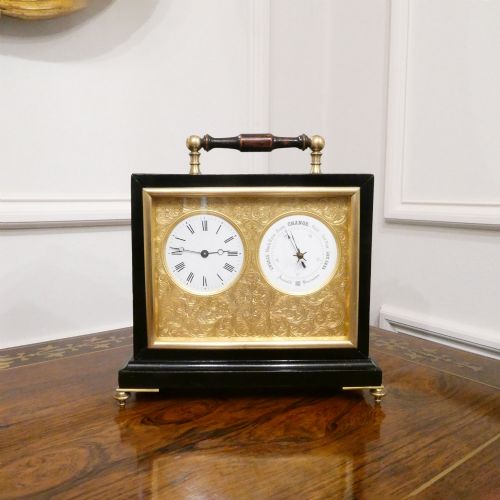
Mantel clocks and wall clocks are the most frequent finds on this page, reflecting domestic and public timekeeping needs of the past. Pieces range from simple desk timepieces to elaborate combined clock and barometer units.
How they were made
Cabinetmakers utilised timber such as mahogany, oak, walnut, and satinwood to construct the outer housings, frequently employing intricate inlay techniques to decorate the surfaces. Some models feature carved wooden elements, such as those seen in Black Forest examples, while others rely on smooth, figured grain patterns.
Metal components like brass bezels, silvered dials, and enamel faces complement the wooden structures, paired with glass covers to protect the hands and numerals. Movements within these timber cases include fusee mechanisms and eight-day striking systems.
Edwardian Wood Timepiece Retail Price Guide 2026
Typical asking prices for edwardian wood timepiece among the pieces listed under this phrase on Sellingantiques today, from the lower quarter to the upper quarter. They describe what is for sale here now, not the wider market.
The listings span from 1850 through the Edwardian era to 1930, utilising mahogany, oak, walnut, and satinwood.
What varies in quality
The refinement of the cabinetwork and the intricacy of the timber selection define the upper tier of these timepieces. Finely figured walnut, crisp satinwood inlay, and balanced proportions elevate certain wooden cases far above standard utility models.
The reputation of the maker and the complexity of the internal movement also influence the standing of a piece. Makers utilising specialised German or English movements or incorporating barometer attachments represent higher standards of period craftsmanship.
Winterhalder And Hofmeier·Jas Whitelaw Of Edinburgh·Anglo Swiss Watch Co·Edward Hannam·Perivale Of England
The Edwardian Wood Timepiece Glossary
- Timepiece
- A clock that tells the time without a striking mechanism to chime the hours. These units focus purely on continuous motion and dial display.
- Bracket clock
- A portable table or mantel clock originating from the period when clocks stood upon wall brackets. They typically feature architectural wooden cases and robust mechanical movements.
- Drop-dial wall clock
- A wall-mounted clock featuring an extended wooden case below the circular dial. This form was common in railway stations, schools, and offices during the nineteenth and early twentieth centuries.
- Fusee movement
- A mechanical clock drive utilising a conical pulley and chain or cord. This mechanism maintains even tension on the gear train as the mainspring unwinds.
- Inlay
- A decorative technique where pieces of contrasting wood, such as satinwood on a mahogany base, are inserted into depressions in the primary surface.
Edwardian Wood Timepiece: Frequently Asked Questions
Where did people keep these clocks?
Mantel clocks found their places on living room mantelpieces, desks, and sideboards in domestic homes. Wall clocks hung in functional spaces like hallways, schoolrooms, and railway stations.
Larger bracket clocks sat on sturdy furniture or dedicated wall brackets, serving as both timekeepers and focal points in a room.
How do I wind a mechanical clock?
Mechanical clocks require a key inserted into the winding holes on the dial face to tension the mainspring or weights. Care must be taken not to overwind the movement.
Consulting specific operational guidelines for fusee or eight-day movements ensures the internal gear train remains undamaged during routine maintenance.
What is the difference between a timepiece and a striking clock?
A timepiece measures and displays the hours and minutes without producing any sound. It contains a going train but lacks the separate striking train found in chiming clocks.
A striking clock includes mechanisms to sound the hours or quarters, often utilising gongs or bells housed within the wooden case.
How do I identify an Edwardian wooden clock?
Edwardian clocks often feature lighter mahogany timbers decorated with delicate herringbone or satinwood inlay work. Their designs frequently balance traditional proportions with transitional Edwardian aesthetics.
Comparing the case style, dial materials, and movement signatures helps distinguish them from earlier Victorian or later interwar pieces.