





Edwardian Wood Settee
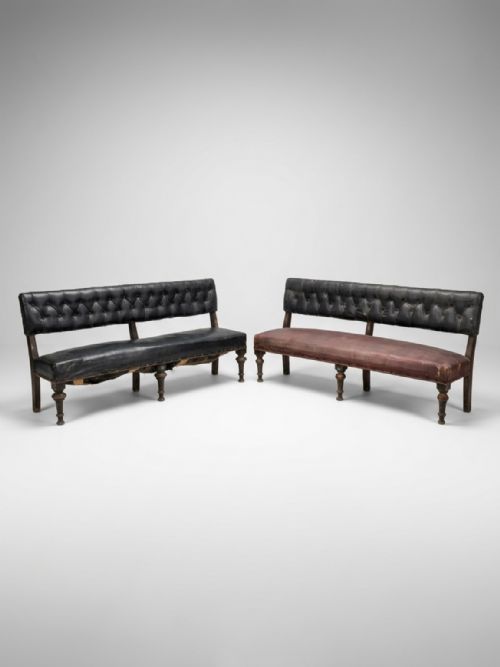
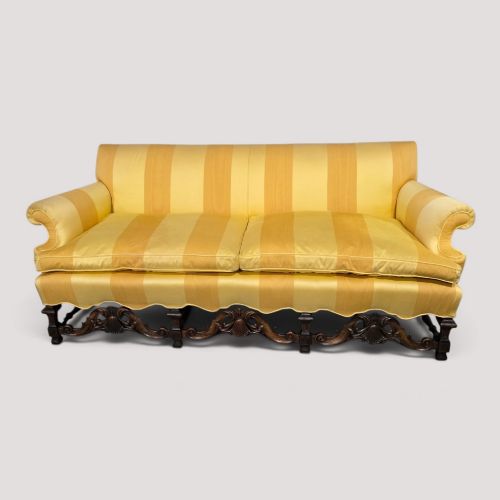
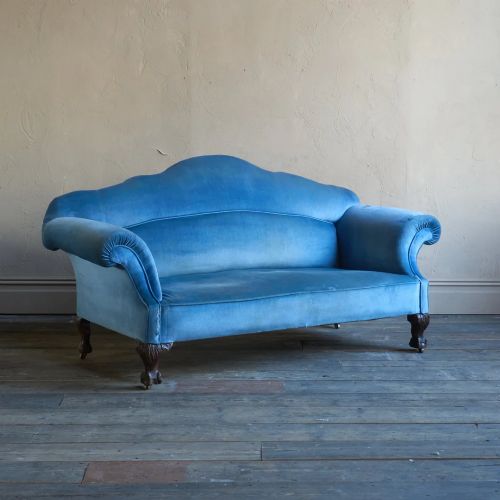
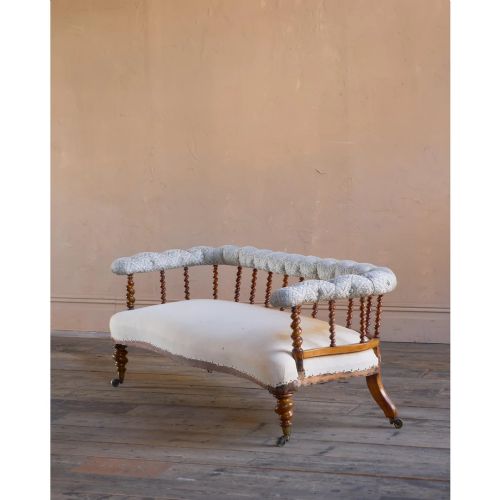
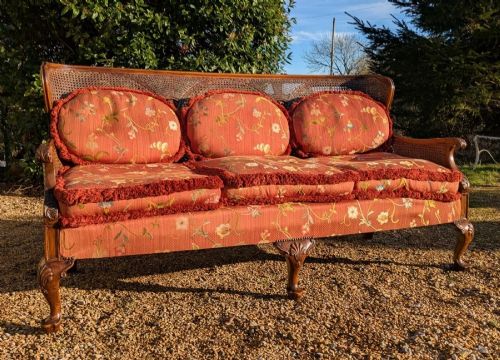
An Edwardian wood settee brings warmth and upright grace to a room, combining solid timber frames with comfortable upholstered seating.
Edwardian Wood Settee
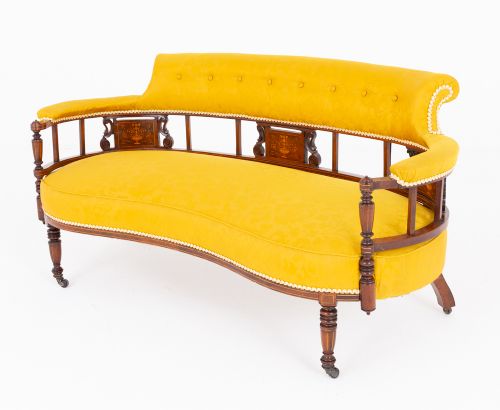
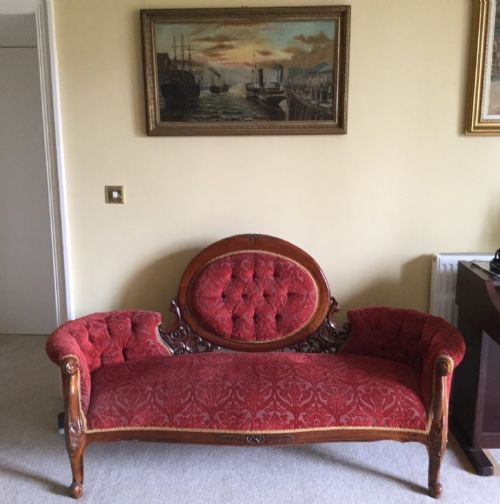
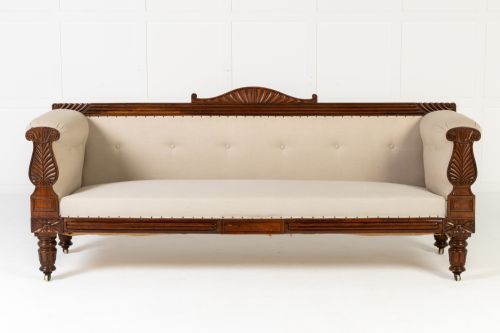
The evidence shows forms ranging from inlaid satinwood and mahogany sofas to bentwood and spindle back salon seating. Makers and manufacturers of the period utilised various revivals, including Chippendale and Georgian styles, alongside transitional Art Nouveau influences.
Materials and construction
Makers constructed these frames using dense timbers such as mahogany, walnut, rosewood, and satinwood, often embellishing the surfaces with inlaid details or bone work. Structural integrity relied on traditional joinery methods suited to supporting sprung bases and padded cushions.
Upholstery materials recorded in the evidence include leather, velvet, and brocade fabrics, occasionally complemented by brass fittings and feather fillings. Frames span steam-bent beech in the manner of Thonet as well as carved hardwood structures.
Edwardian Wood Settee Retail Price Guide 2026
Typical asking prices for edwardian wood settee among the pieces listed under this phrase on Sellingantiques today, from the lower quarter to the upper quarter. They describe what is for sale here now, not the wider market.
One literary-linked settee carries the name of Daphne Du Maurier Rebecca Art Nouveau Settee.
Distinctions in quality
Quality in these settees rests upon the selection of timber and the precision of the cabinetwork in the frame. Pieces featuring intricate inlay work or distinctive carved details sit at the higher end of the range compared to plain structural frames.
The grade of the upholstery materials and the preservation of the original wood finish further differentiate standard examples from finer parlor and salon suites.
C. Hindley & Sons·Thonet
The Edwardian Wood Settee Glossary
- Bergere
- An upholstered wooden armchair or settee with enclosed cane or upholstered sides. This French-inspired form often includes loose feather cushions.
- Bentwood
- Wood softened through steam and bent into curved shapes. This technique defines the practical designs produced by Thonet.
- Inlay
- Decorative pieces of contrasting wood, bone, or satinwood fitted into depressions flush with the surface of the primary timber. It provides visual pattern without altering the profile of the settee.
- Settee
- A medium-length wooden or upholstered seat with a back and arms. It accommodates multiple people and serves as a principal piece of drawing room furniture.
Edwardian Wood Settee: Frequently Asked Questions
What is an edwardian wood settee?
An edwardian wood settee is a wooden-framed seat designed for domestic reception rooms during the early twentieth century. These pieces combine exposed timber structures with upholstered cushions and backs.
The listings demonstrate that these settees often incorporate inlaid satinwood or mahogany, reflecting the revival design preferences of the period.
How do I identify an Edwardian piece?
Edwardian furniture typically displays lighter proportions and brighter timber tones compared to heavier Victorian designs. Look for mahogany frames complemented by subtle inlay work.
Cabinetmakers of this era frequently drew inspiration from earlier Georgian and Chippendale styles while maintaining a refined domestic scale.
Where were these settees used?
These settees were principally placed in drawing rooms, parlors, and grand reception spaces to provide comfortable seating for guests. Smaller versions occasionally served in bedrooms or hallways.
Their decorative frames allowed them to sit away from walls as freestanding centerpieces in the room.
How do I care for the wooden frame?
Maintain the polished timber surface by dusting regularly with a soft dry cloth and avoiding excessive moisture. Direct sunlight can fade delicate satinwood and rosewood veneers over time.
Applying occasional appropriate wax preserves the sheen of the wood without building up residue on the polished grain.