



Edwardian Wood Clock
An Edwardian wood clock brings domestic warmth through polished mahogany, walnut and oak cases housing traditional mechanical movements.
Edwardian Wood Clock
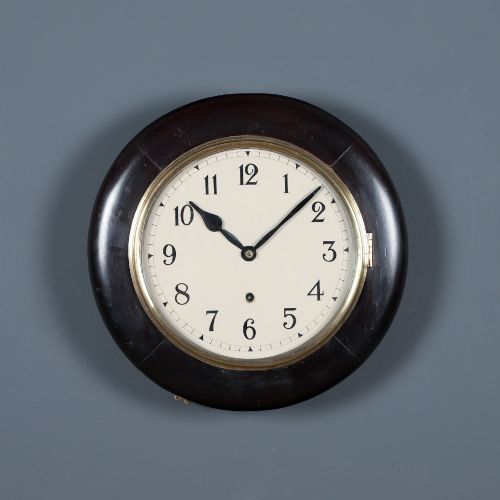
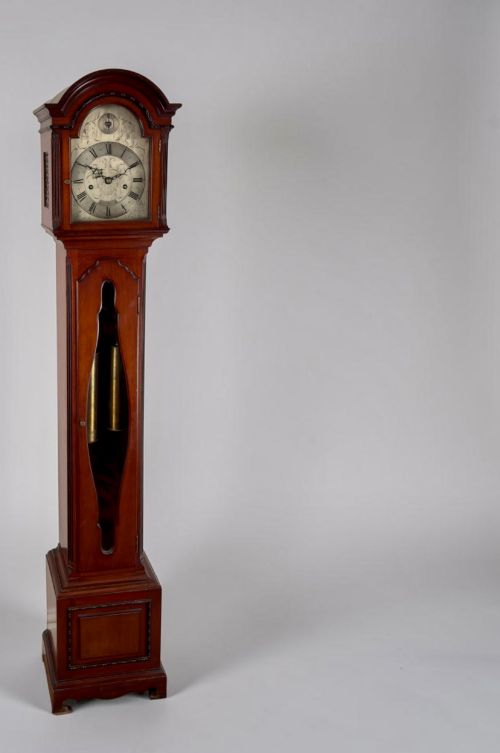
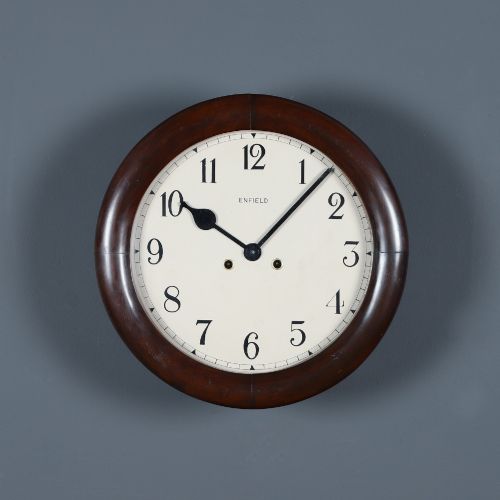
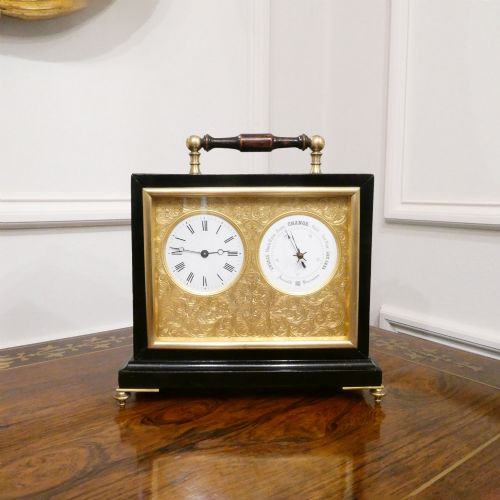
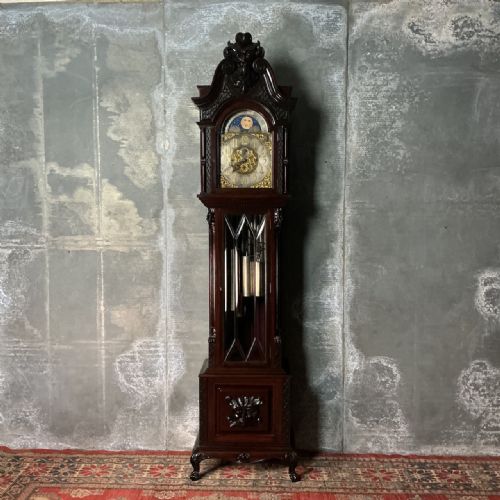
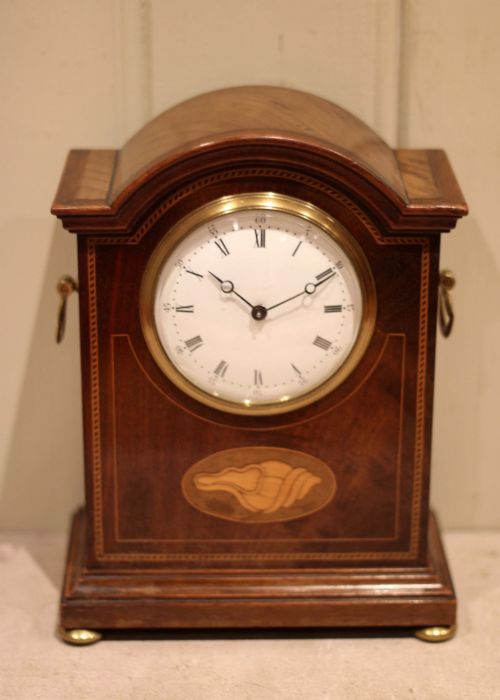
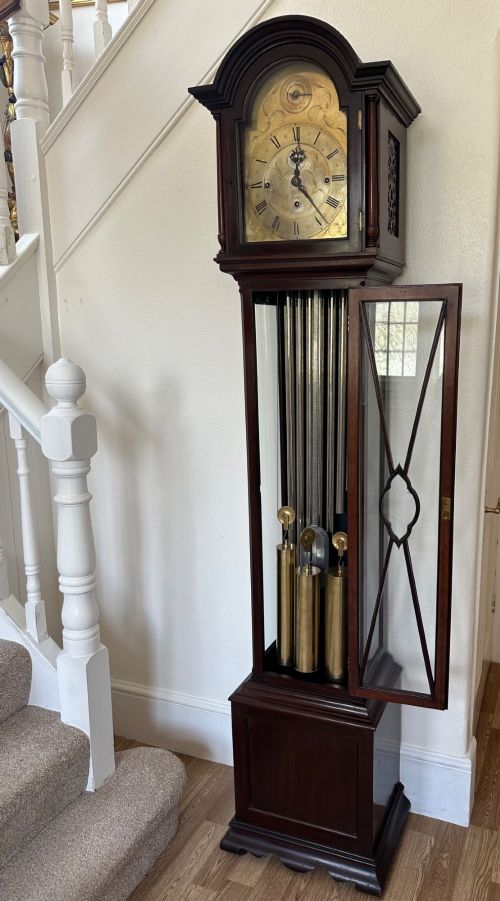
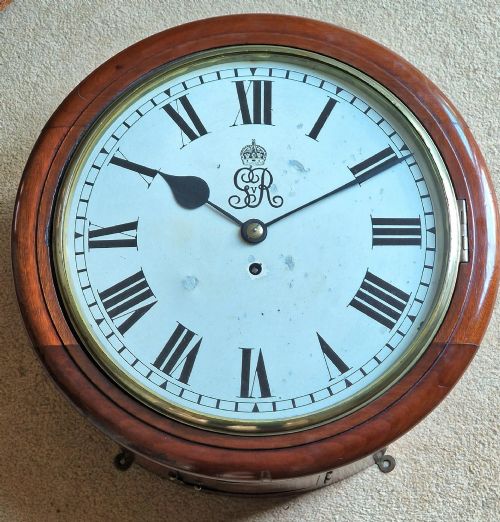
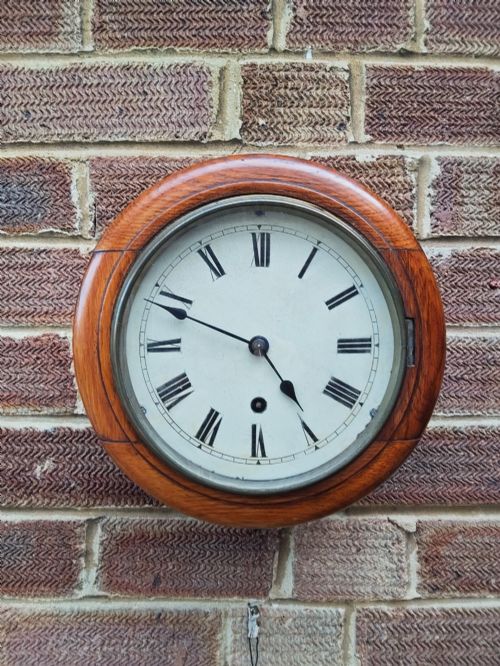
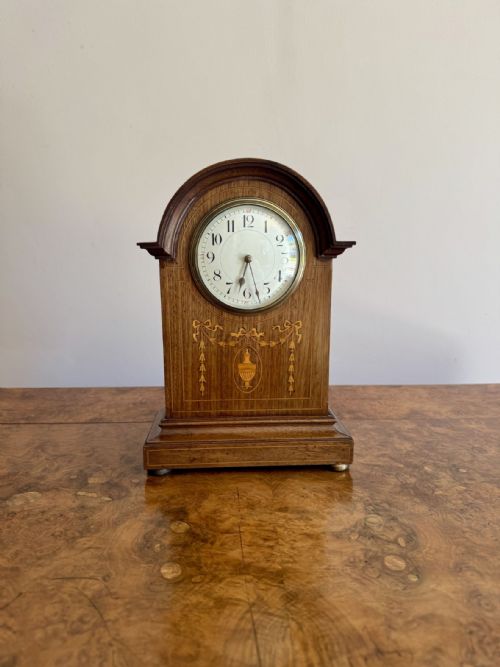
When searching for an edwardian wood clock, buyers encounter timepieces ranging from compact mantel designs to tall longcase and wall-mounted station dials. The listings here primarily comprise mantel clocks and wall clocks alongside larger grandmother and longcase examples.
Materials span mahogany, oak, walnut, rosewood and ebonised wood, frequently decorated with stringing or marquetry inlay. Cabinets reflect stylistic currents from Edwardian classicism to Art Nouveau and Victorian revival forms.
Origins include British workshops alongside notable continental makers from Germany and France. These pieces served both domestic sitting rooms and institutional spaces such as railway stations and schools.
How they were made
Cabinetmakers constructed cases using solid timbers and decorative veneers such as mahogany, walnut and satinwood over pine or oak carcases. Inlaid examples utilised contrasting light and dark woods to create geometric or floral banding.
Interior movements relied on brass gear trains, escapements and pendulum regulation, powered by weights or tensioned springs. Dials featured painted Arabic or Roman numerals behind protective glass bezels, sometimes accompanied by enamel cartouche chapters.
Listings feature woods including mahogany, oak, walnut, rosewood and satinwood across multiple decades from the nineteenth and twentieth centuries.
What varies in quality
The refinement of the cabinetwork separates standard production from superior pieces, visible in the crispness of carved details and the balance of wood grain across the facade. Finely executed brass dials, engraved backplates and complex chiming mechanisms elevate the status of a clock.
Originality of components heavily influences worth, particularly matching pendulum numbers and untouched movement plates. Cabinets retaining patinated French polish surfaces and authentic brass fittings represent higher manufacturing standards.
Gillett and Johnston of Croydon·Edward Shepley of Manchester·Mappin and Webb London·Jas Whitelaw of Edinburgh
The Edwardian Wood Clock Glossary
- Timepiece
- A clock that simply indicates the hours and minutes without striking on bells or gongs.
- Mantel clock
- A portable clock designed to sit on the shelf above a fireplace.
- Longcase clock
- A tall pendulum clock housed in a wooden tower case standing directly on the floor.
- Dial
- The visible face of the clock where numbers and hands indicate the time.
- Fusee
- A conical pulley mechanism that equalises the declining power of a driving spring as it unwinds.
Edwardian Wood Clock: Frequently Asked Questions
How do I wind my clock?
Most mechanical clocks require a key inserted into winding holes on the dial to tension the internal springs or lift the driving weights. Care must be taken not to overwind the mechanism.
Consult the specific train layout before turning the key, as striking trains and time trains often operate independently and require separate winding.
Where should I place a wooden clock?
Position the clock on a stable, level surface away from direct sunlight, dampness and extreme temperature fluctuations. Wall clocks require secure mounting to solid masonry or studwork.
Keeping the case away from heat sources prevents the timber from drying out and preserves the integrity of the wood and glue joints.
How do I keep the clock accurate?
Adjustment is achieved by moving the pendulum bob up or down using the regulation nut on the suspension spring. Raising the bob makes the clock run faster while lowering it makes it run slower.
Allow the movement to settle for twenty-four hours after any adjustment before making further changes to the pendulum height.
What maintenance does the movement need?
Clocks benefit from professional cleaning and lubrication every few years to prevent wear on the brass pivots and gear teeth. Dust accumulation inside the case should be gently removed with a soft brush.
Avoid applying household oils to the movement, as incorrect lubricants will thicken and halt the gear train.