





Edwardian Wood Brackets
Edwardian wood brackets are architectural supports and decorative shelf mountings that bring period proportion and solid timber construction to walls.
Edwardian Wood Brackets
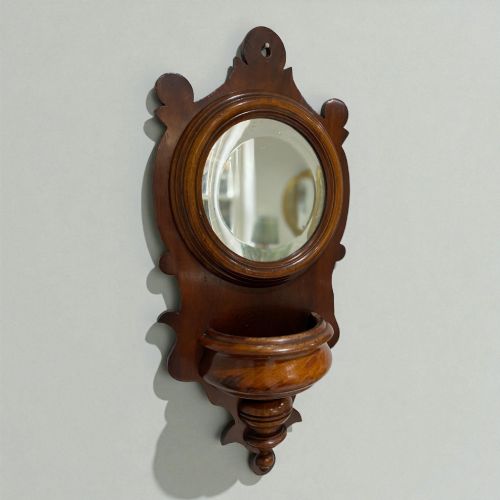
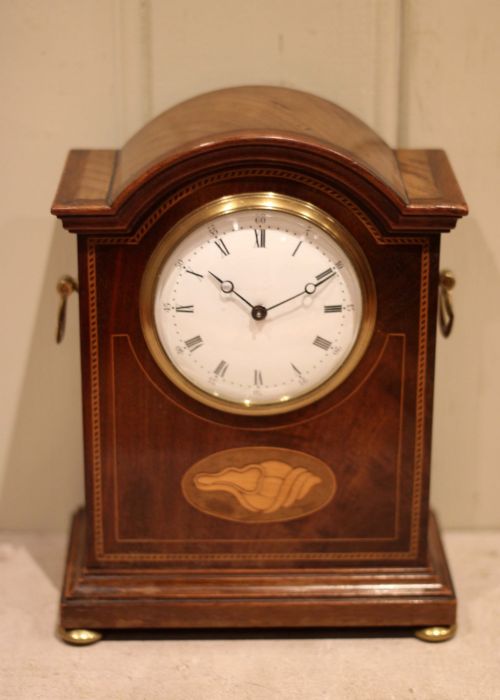
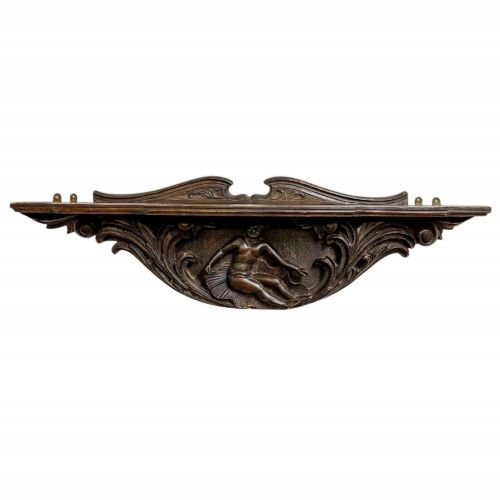
Edwardian wood brackets encompass functional supports, architectural shelf mountings, and the projecting timber elements found beneath wall shelves and overdoors. When searching for edwardian wood brackets, buyers encounter sturdy architectural woodwork alongside shelf supports and fitted architectural timber.
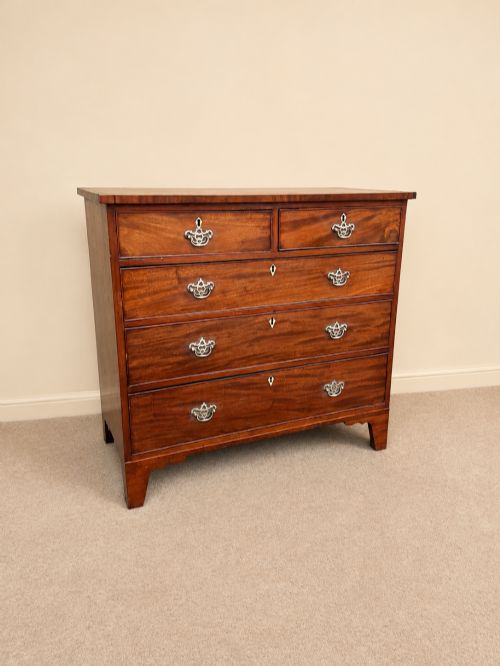
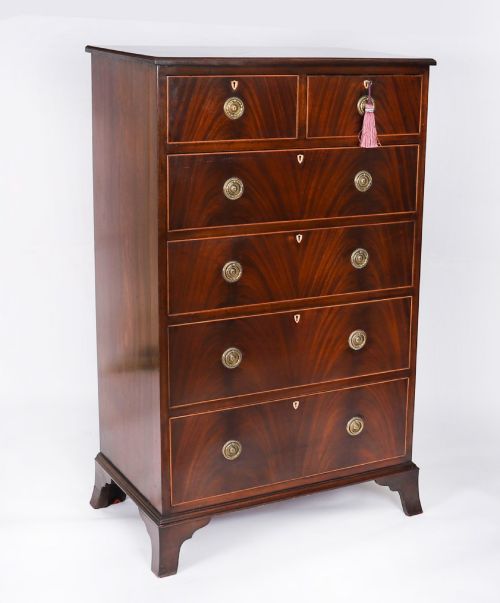
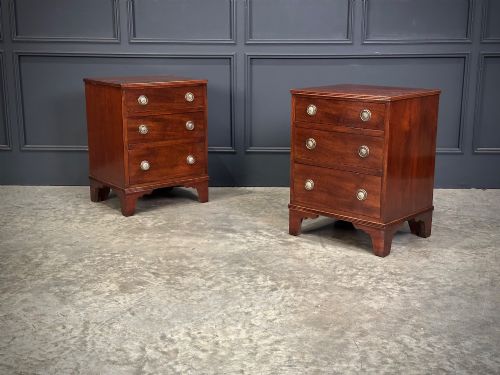
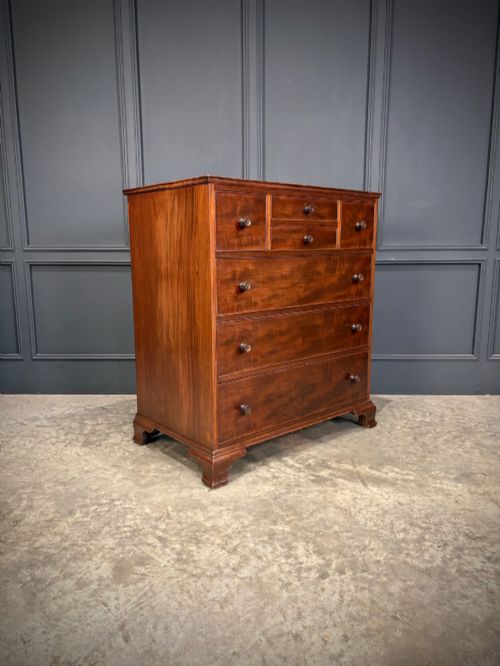
The pieces appearing on this page span the Edwardian period alongside Victorian and early twentieth-century examples in oak, mahogany, and walnut. Many incorporate traditional shelf designs and architectural elements derived from earlier Regency and Georgian styles.
How they were made
Craftsmen built these architectural supports using dense hardwoods such as mahogany, oak, and walnut, often selecting figured timber for visible surfaces. Joinery relied on traditional framing and structural mounting methods suited to weight-bearing architectural fixtures.
Surface finishing involved hand-polishing timber to highlight the natural grain, occasionally complemented by carved mouldings or inlaid details reflecting Edwardian and late Victorian tastes.
Edwardian Wood Brackets Retail Price Guide 2026
Typical asking prices for edwardian wood brackets among the pieces listed under this phrase on Sellingantiques today, from the lower quarter to the upper quarter. They describe what is for sale here now, not the wider market.
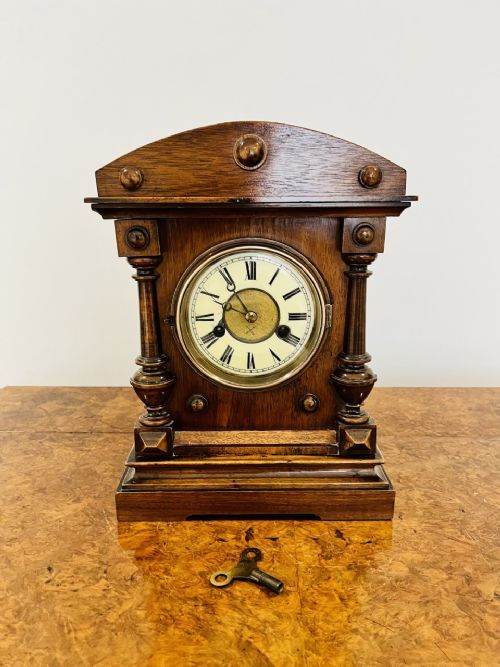
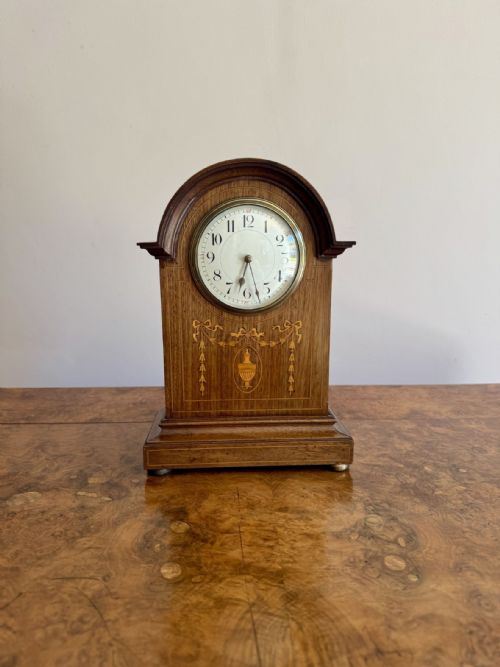
Some Edwardian timepieces ticked so loudly they earned permanent banishment to the hallway.
What varies in quality
Quality rests in the selection of timber, where tightly figured mahogany or substantial carved oak separates standard utility work from finer architectural joinery. Crispness in mouldings and the preservation of original timber surfaces dictate the standing of individual pieces.
Structural integrity matters significantly in load-bearing items, distinguishing solid period manufacture from later replacements or heavily restored architectural fragments.
Waring & Gillow·Winterhalder & Hofmeier·Junghans·Jas Whitelaw of Edinburgh
The Edwardian Wood Brackets Glossary
- Bracket
- An architectural support projecting from a wall to carry a weight, shelf, or overdoor pediment. They appear in carved timber and plain wood.
- Edwardian
- The period spanning the reign of King Edward VII, noted for refined domestic woodwork and lighter proportions than Victorian furniture.
- Inlay
- A decorative technique embedding contrasting woods or materials into the surface of the primary timber. Common examples feature fine stringing on mahogany.
- Moulding
- A strip of material with a profiled cross-section used to throw light and shadow on architectural woodwork. These define the edges of shelves and brackets.
- Pediment
- An architectural crowning feature above a door, opening, or shelf unit. Oak examples frequently incorporate integrated shelving.
Edwardian Wood Brackets: Frequently Asked Questions
What are edwardian wood brackets used for?
These wooden supports hold up wall shelves, heavy overdoors, and structural projections within domestic interiors. They provide both weight-bearing utility and decorative period detail.
Buyers typically mount them beneath timber shelving or integrate them into period room schemes to replicate authentic Edwardian proportions.
How do I identify edwardian timber?
Edwardian timber work frequently utilises mahogany, oak, and walnut with polished finishes that highlight natural grain patterns. Makers of this era favoured clean lines alongside subtle inlaid details.
Comparing the timber density and construction methods against Victorian heavy pieces helps confirm the specific era of manufacture.
How do I care for antique wood brackets?
Maintain the timber by applying traditional beeswax periodically and keeping the pieces away from direct heat sources and excessive moisture. Gentle dusting preserves the original polished surface without stripping the patina.
Avoid modern liquid polishes containing silicone, which can penetrate porous antique wood and damage the finish.