

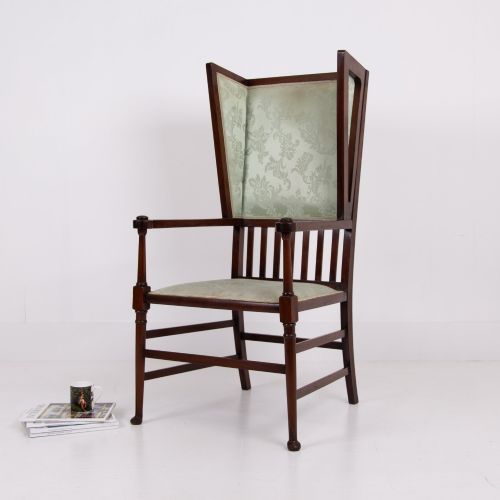
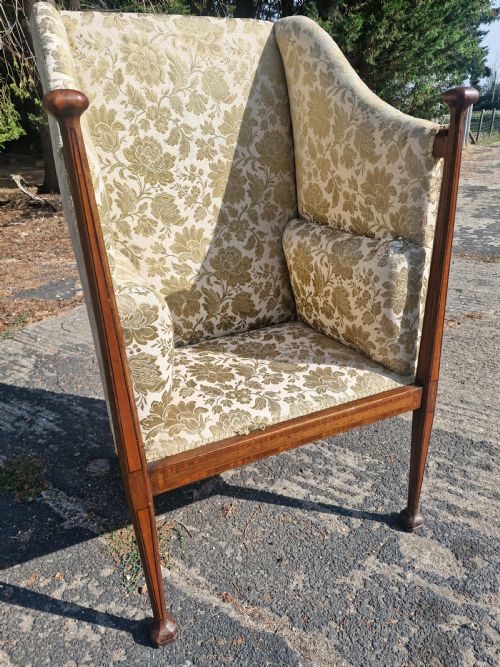
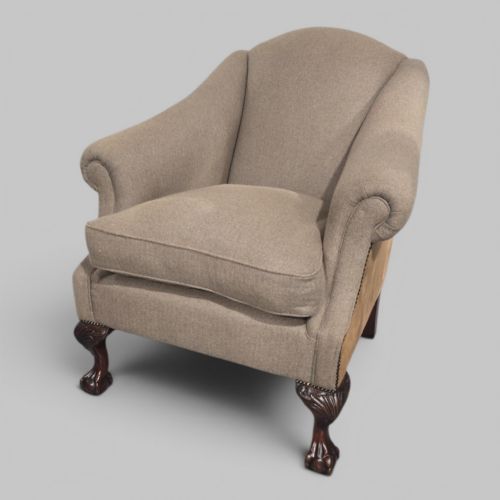
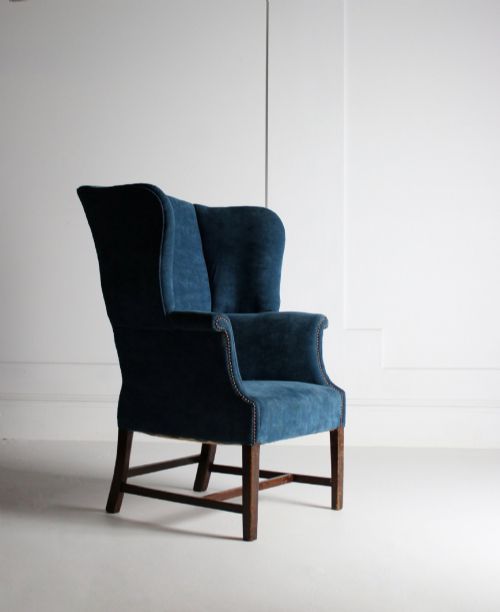





Edwardian Wing Back Chair
An edwardian wing back chair offers deep comfort and draught-excluding wings, originating primarily from the Edwardian period alongside earlier Victorian and 18th century examples.
Edwardian Wing Back Chair
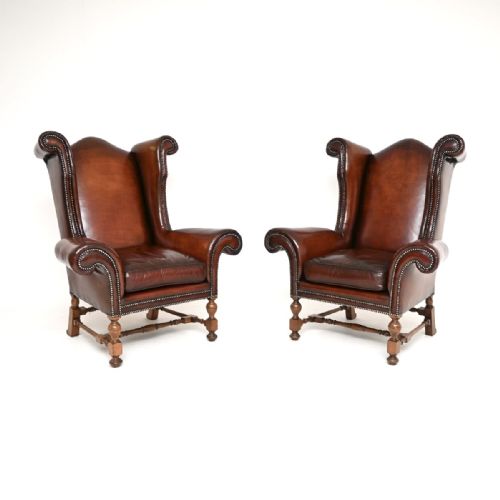
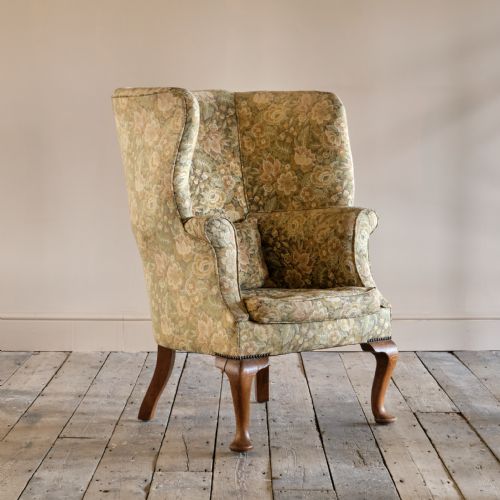
An edwardian wing back chair is an upholstered fireside armchair featuring prominent side panels, known as wings, designed to retain heat and deflect drafts. The selection spans standard wing armchairs, barrel back variants, and bergère style seats, reflecting diverse domestic requirements.
While Edwardian examples dominate the selection, the inventory also encompasses 19th Century, Victorian, and 18th Century pieces, as well as early 20th century interpretations. These span distinct stylistic revivals such as Queen Anne, Chippendale, and Arts and Crafts.
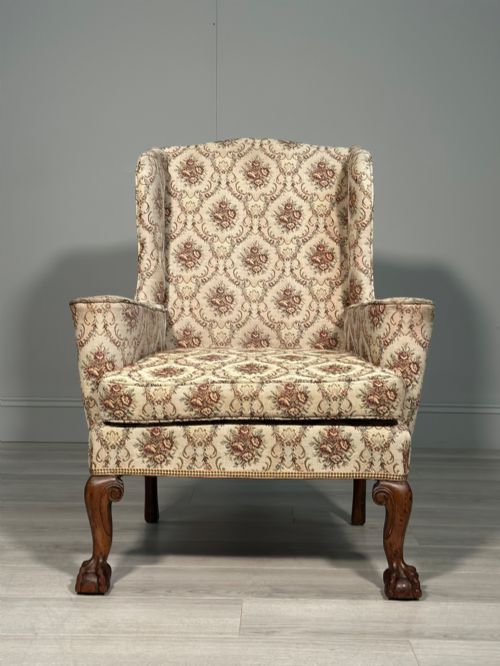
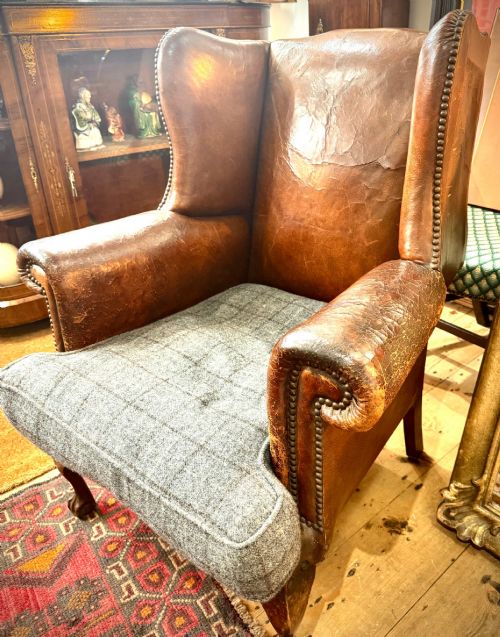
Common regional and stylistic variations include inlaid mahogany frames, oak structures, and walnut constructions, upholstered in fabrics, leather, velvet, and green leather. Such seating served predominantly in libraries, country houses, and drawing rooms for comfortable fireside reading.
Materials and Construction
Frames utilise hardwood timbers including mahogany, oak, and walnut, frequently joined with traditional cabinetmaking techniques to ensure structural stability. Inlaid decorative elements and brass accents often enhance the mahogany and timber surfaces.
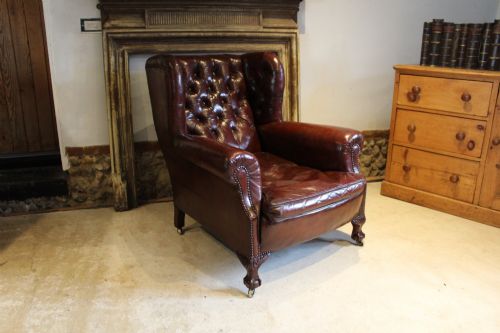
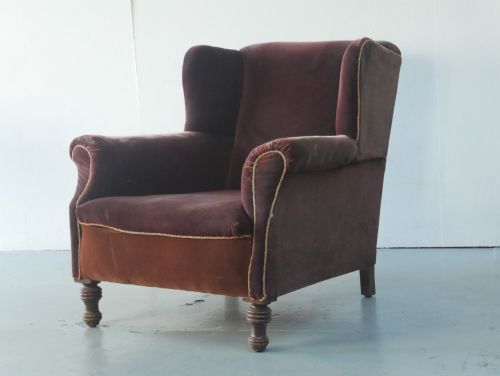
Upholstery relies on traditional textiles such as velvet, leather, and fabric, with specific variants featuring deep buttoned backs and bergère panels. Frame construction incorporates sturdy timber supports designed to bear the weight of heavy cushioning and daily use.
Edwardian Wing Back Chair Retail Price Guide 2026
Typical asking prices for edwardian wing back chair among the pieces listed under this phrase on Sellingantiques today, from the lower quarter to the upper quarter. They describe what is for sale here now, not the wider market.
The wings were originally designed to trap fireplace heat, proving that early designers understood the supreme luxury of staying warm.
Assessing Quality
Quality rests upon the integrity of the timber frame, the crispness of any mahogany inlay, and the retention of original structural components like hardwood legs and brass fittings. Finer pieces demonstrate superior joinery in the arms and wings.
The choice of covering materials distinguishes standard utilitarian seating from finer library and drawing room pieces, particularly where supple leather, velvet, or intricate bergère cane work is employed.
Whytock and Reid·Howard and Sons·Sopwith
The Edwardian Wing Back Chair Glossary
- Wing back
- An armchair featuring projecting side panels attached to the arms and framing the back to block drafts. This form evolved to protect sitters from cold air currents near fireplaces.
- Bergère
- An enclosed upholstered armchair with wooden frames and tightly woven cane panels on the sides or back. Originating in France, this style gained popularity in British seating.
- Barrel back
- A semicircular chair design where the curved back rail flows continuously into the arms. This form wraps around the sitter for enhanced enclosure.
- Inlay
- A decorative technique where contrasting woods or materials are set into the surface of a mahogany or timber frame. This ornamentation defines refined Edwardian cabinetwork.
Edwardian Wing Back Chair: Frequently Asked Questions
What defines an edwardian wing back chair?
An edwardian wing back chair is characterised by its high upholstered back, projecting side wings, and timber frame constructed from materials like mahogany or oak. These armchairs often display stylistic influences from earlier periods alongside Edwardian refinements.
They serve primarily as fireside or library seating, combining structural woodwork with upholstered comfort to retain heat and support the sitter.
How do I date a wing back chair?
Dating relies on examining the timber frame, upholstery style, and decorative details such as mahogany inlay or brass fittings. Edwardian examples often feature lighter proportions compared to heavy Victorian or 19th Century iterations.
Cabinetmaking methods and secondary woods within the frame provide further clues to whether a piece originates from the 18th century or the early 20th century.
Where were these chairs used?
These armchairs were traditionally placed in libraries, country house drawing rooms, and studies where draught protection near open fires was necessary. The wings trapped heat around the sitter's head and shoulders.
Over time, their comfortable proportions and enclosed design made them versatile fireside seating for reading and relaxation across various domestic interiors.
What materials are used in these chairs?
Frames are built from hardwoods such as mahogany, oak, walnut, and general timber, occasionally accented with brass components. Upholstery materials include leather, velvet, fabric, and bergère cane work.
Combinations vary from inlaid mahogany frames with green leather to oak structures finished in textured fabrics and deep buttoned upholstery.