

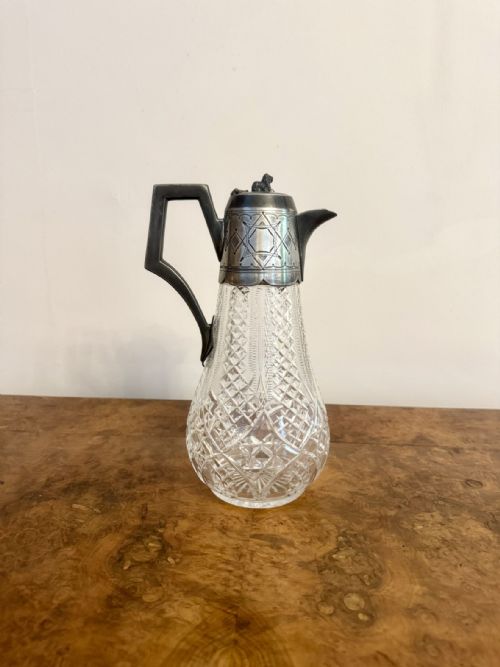


Edwardian Wine Pitcher
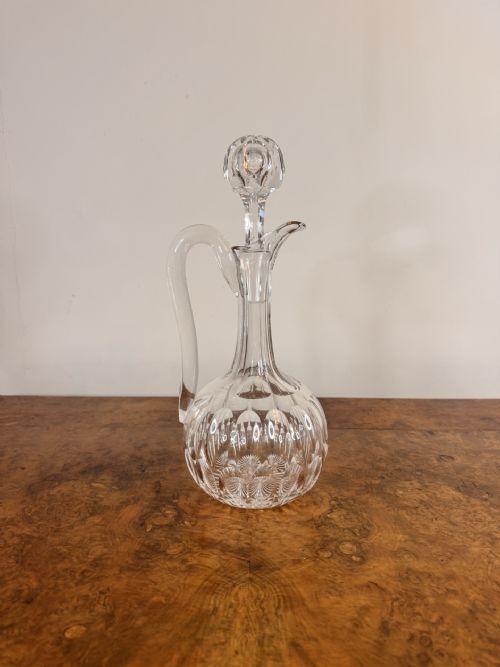
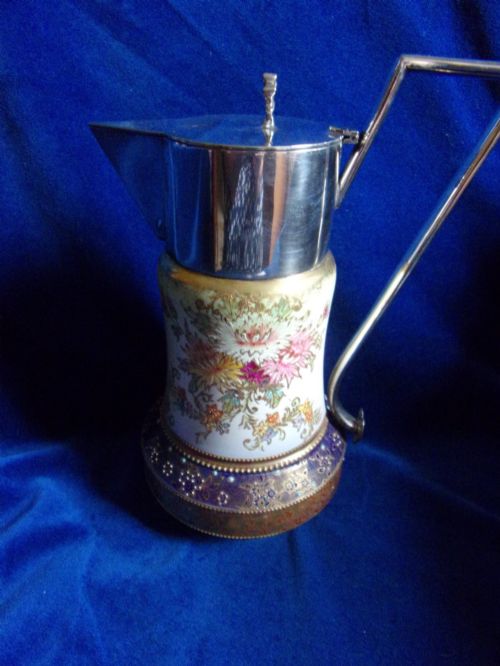
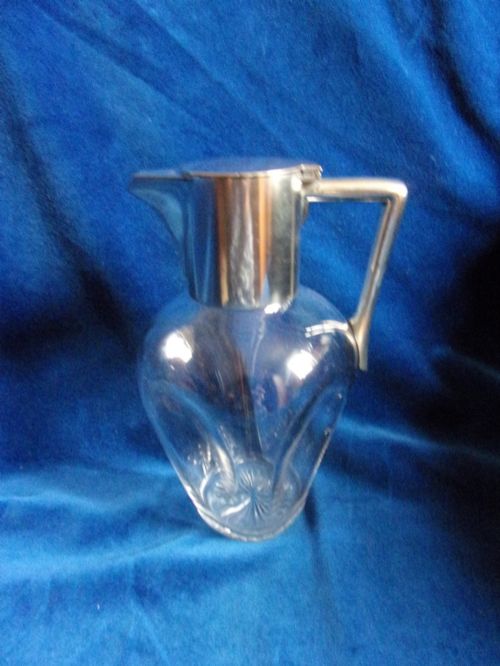
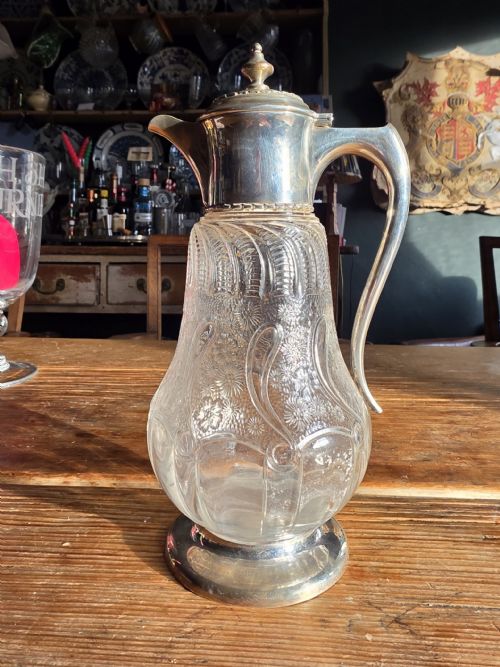
These edwardian wine pitcher examples combine cut glass or crystal bodies with silver plated or sterling silver mounts for formal dining.
Edwardian Wine Pitcher
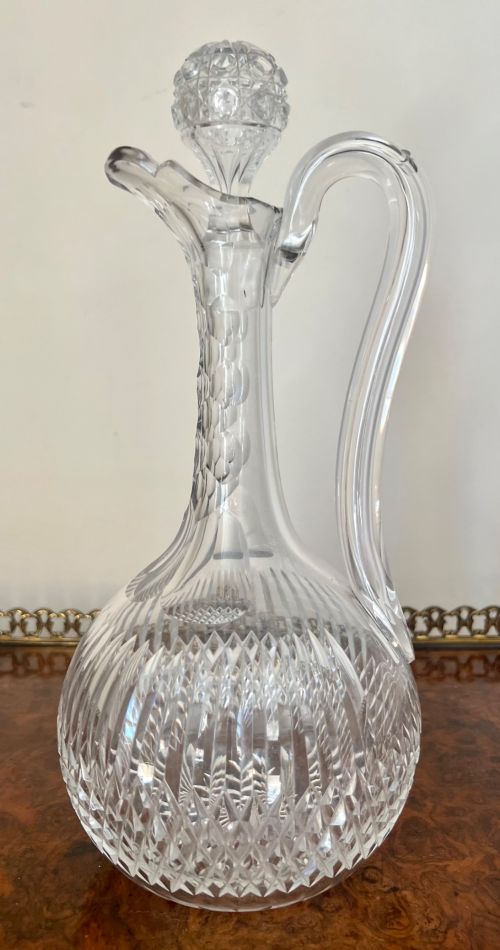
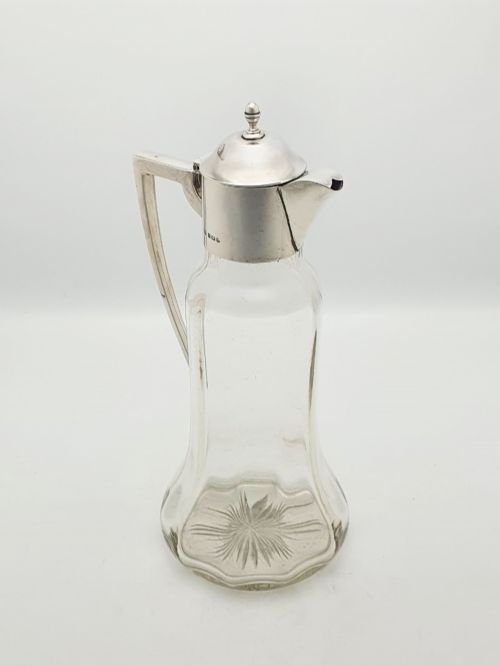
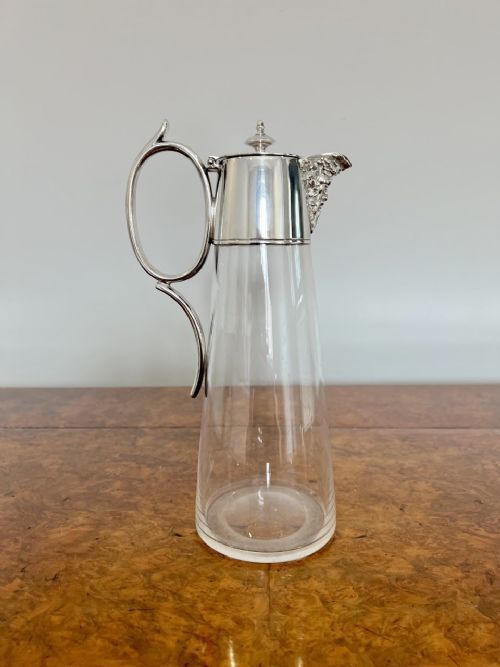
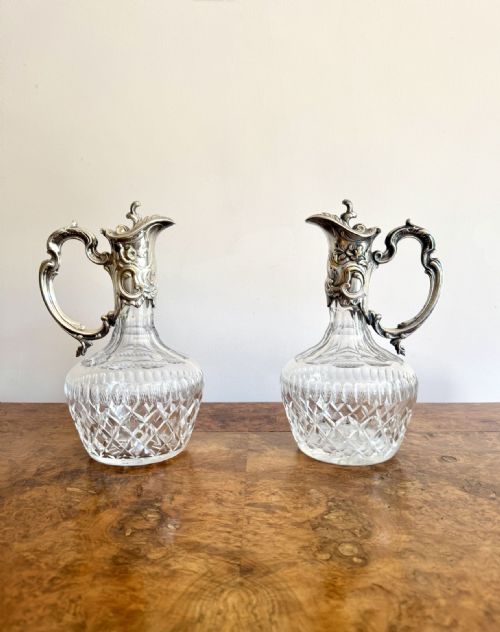
An edwardian wine pitcher typically takes the form of a claret jug, decanter, or ewer designed for serving wine at the table. The pieces found on this page span the Edwardian era alongside earlier Victorian examples, showcasing forms intended for practical hospitality.
Makers utilised heavy cut glass, lead crystal, and coloured glass bodies such as cranberry and amber, fitted with hinged metal covers. Handles sweep upward from the body to meet the collar, balancing the weight of the glass when tilted.
The dominant style is Edwardian, though items reflect Arts and Crafts and Art Nouveau influences through hammered pewter mounts or stylised floral engraving. Collectors encounter matching drinking services as well as single vessels designed for claret and whisky.
How They Were Made
Glass bodies were blown and often heavily cut, wheel-engraved, or intaglio-carved to catch the light, utilising lead crystal and coloured glass. Silversmiths and metalworkers then formed mounts, collars, and hinged lids from sterling silver, silver plate, or Tudric pewter.
Mounts required precise engineering to secure the glass neck without placing undue stress on the fragile material during pouring. Artisans soldered handles to collars and attached thumbpieces to lids, ensuring a watertight seal and smooth operation.
Edwardian Wine Pitcher Retail Price Guide 2026
Typical asking prices for edwardian wine pitcher among the pieces listed under this phrase on Sellingantiques today, from the lower quarter to the upper quarter. They describe what is for sale here now, not the wider market.
One drinking service includes nineteen pieces, ensuring nobody at the table ever drinks from the wrong glass.
What Varies in Quality
The distinction between standard production and superior examples lies in the depth and crispness of the glass cutting and the weight of the silver mount. Heavy gauge sterling silver or thick silver plate maintains its integrity better over decades of use and cleaning.
William Comyns·Archibald Knox for Liberty Co·Hukin & Heath·William Davenport
The Edwardian Wine Pitcher Glossary
- Claret Jug
- A specialised vessel designed specifically for serving red wine, usually featuring a pourer and a hinged lid. These pieces often combine glass bodies with metal mounts.
- Ewer
- A large jug with a wide spout and a looped handle, traditionally used for holding water or wine. In this context, it functions as a decorative serving pitcher.
- Lead Crystal
- Glass containing lead oxide to increase brilliance, weight, and clarity, allowing for deep and sharp facet cutting. This material rings when struck gently.
- Silver Plate
- A base metal such as copper or Britannia metal coated with a thin layer of silver. This technique offered the appearance of solid silver at a lower cost.
- Thumbpiece
- A small projection attached to the hinged lid of a jug, allowing the server to lift the cover with the thumb while holding the handle.
Edwardian Wine Pitcher: Frequently Asked Questions
How do I clean an edwardian wine pitcher safely?
Wash glass bodies by hand using warm water and mild detergent, avoiding harsh abrasives that scratch the surface. Polish silver or silver-plated mounts gently with a soft cloth and appropriate metal cleaner.
Keep moisture away from any internal cork or cement collar liners often found beneath metal mounts. Allow the interior to dry completely before storing the vessel with the lid open.
Were these pitchers used only for claret?
While primarily associated with claret and red wine, these vessels served various beverages including whisky, cordials, and water. Smaller versions often functioned as whisky noggins for individual use.
Coloured glass variants like cranberry or amber were selected to protect certain wines from light or simply to match dining table decor.
How can I tell an Edwardian piece from a Victorian one?
Edwardian examples tend to feature lighter, more restrained decorative motifs compared to heavier, more ornate Victorian designs. Art Nouveau and Arts and Crafts influences often appear in Edwardian metalwork mounts.
Hallmarks on silver mounts provide the most reliable dating evidence, indicating the exact year of assay and the silversmith's mark.
What is the difference between sterling silver and silver plate mounts?
Sterling silver contains a high purity of silver throughout the metal and bears official assay office hallmarks indicating its standard. Silver plate consists of a thin coating of silver over a base metal foundation.
Solid silver mounts are heavier and retain value through the metal content, whereas silver plate relies entirely on decorative and historical merit.