



Edwardian Wine Jug
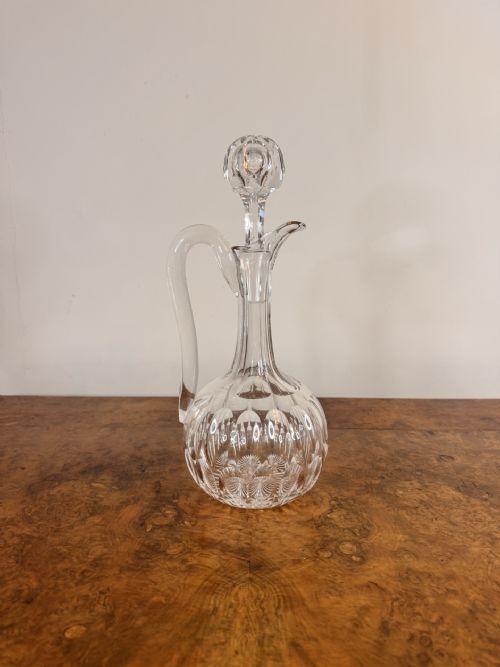
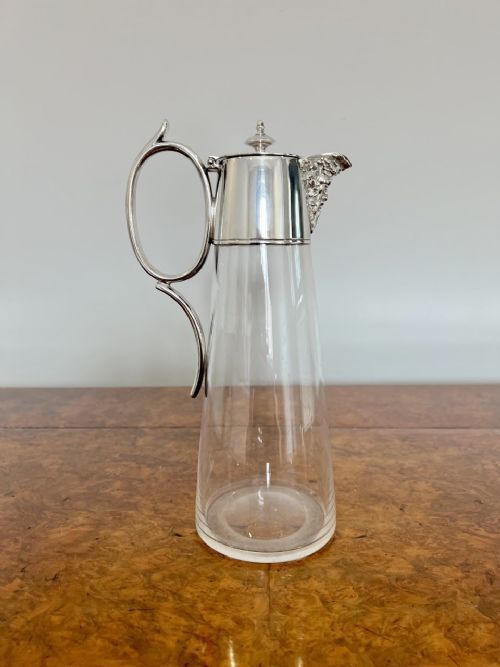
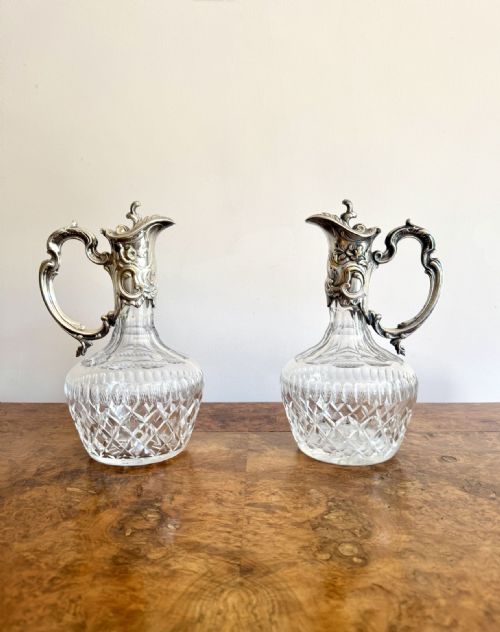
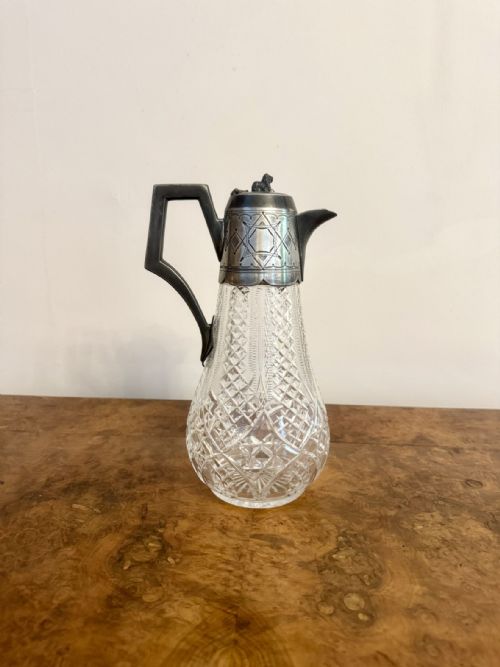
An edwardian wine jug brings poured elegance to the table, combining cut glass bodies with silver mounts for formal dining.
Edwardian Wine Jug
When you search for an edwardian wine jug, you encounter serving vessels primarily designed for claret, wine, or whisky at the dining table. The pieces appearing here span the Edwardian period alongside Victorian and Art Nouveau examples, reflecting varied stylistic influences.
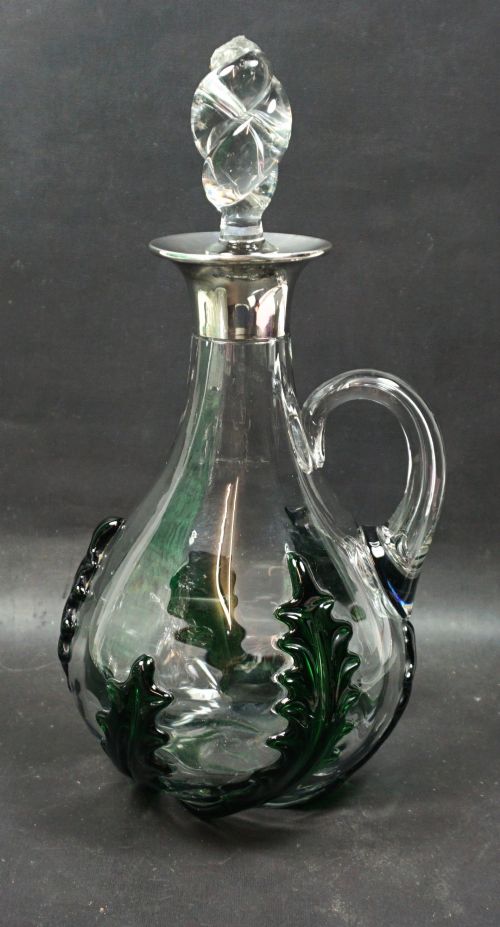
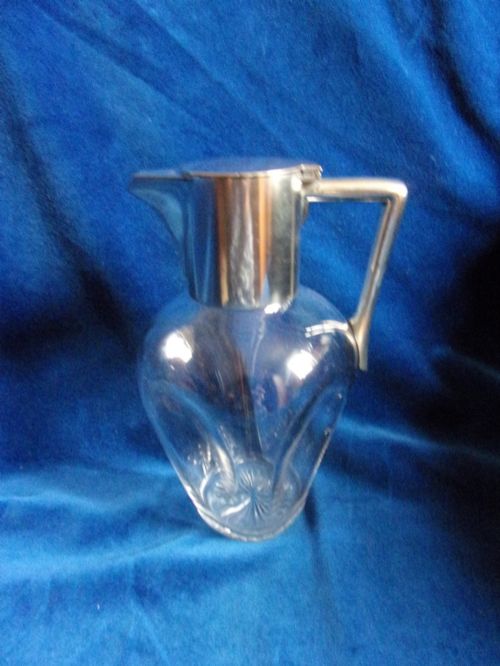
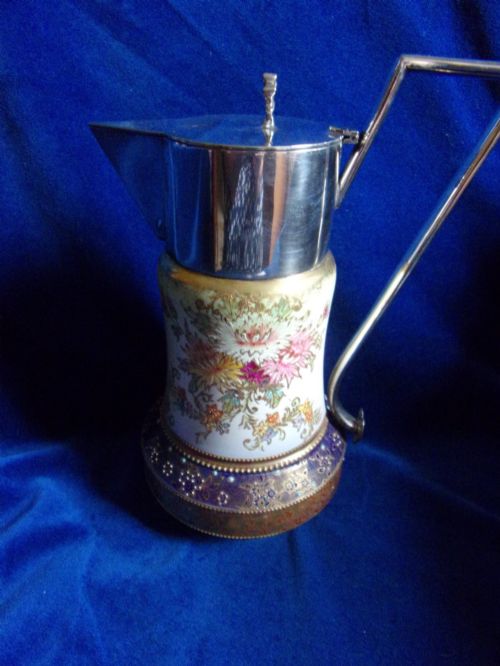
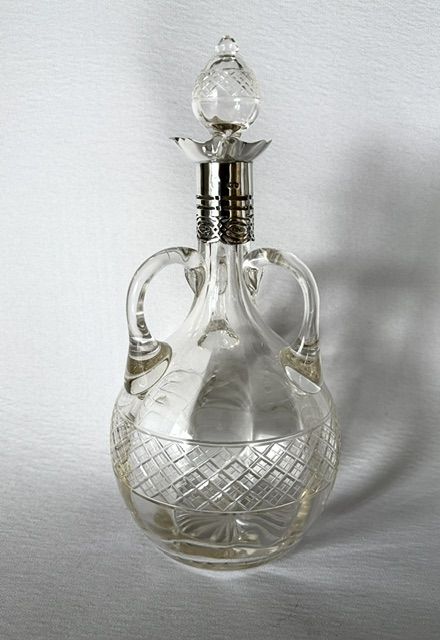
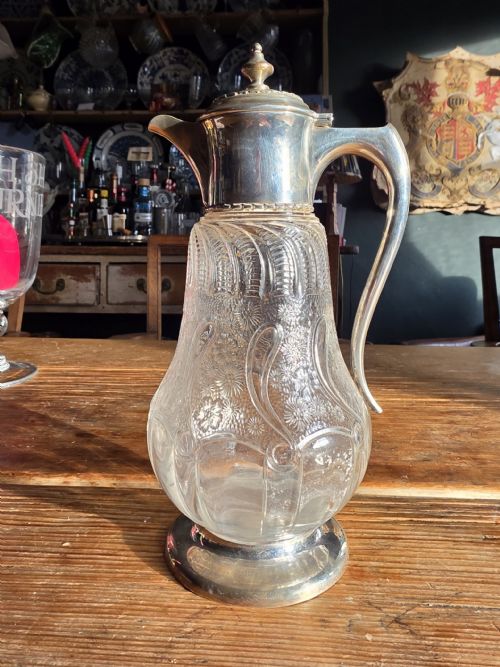
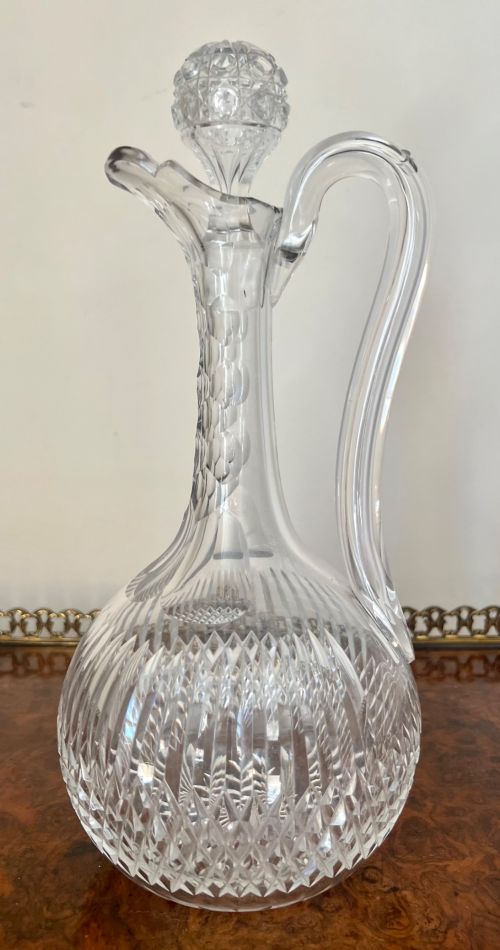
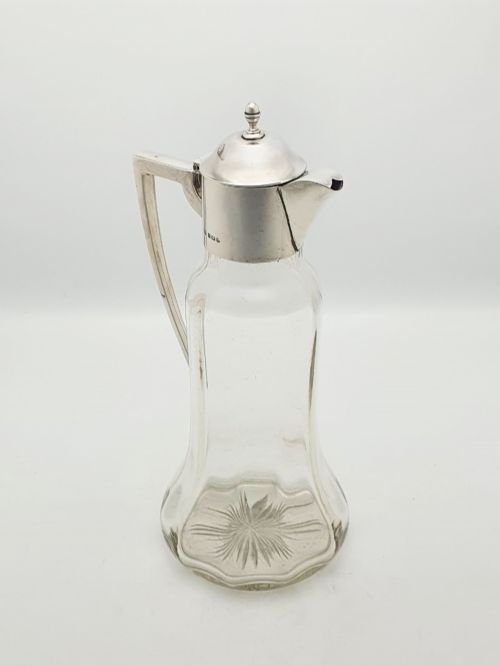
The most common forms on this page pair blown or moulded glass bodies with fitted metal mounts, often described as claret jugs, ewers, or decanters.
Origins include English makers and workshops, with occasional continental pieces executed in pewter and green glass matching the broader domestic repertoire of the era.
How they were made
Makers combined heavy lead crystal and cut glass with either sterling silver or silver plated mounts to form the finished vessel. Glass bodies utilised deep intaglio cutting, etching, or coloured glass techniques such as cranberry and amber hues.
Metalwork involved casting, hammering, and soldering pewter or silver components to create hinged covers, collars, and handles that secured tightly around the glass necks.
Edwardian Wine Jug Retail Price Guide 2026
Typical asking prices for edwardian wine jug among the pieces listed under this phrase on Sellingantiques today, from the lower quarter to the upper quarter. They describe what is for sale here now, not the wider market.
The inventory bridges 19th-century Victorian design with 20th-century Arts and Crafts and Edwardian production.
What varies in quality
The weight and clarity of the glass dictate the baseline quality, with heavy lead crystal and crisp hand-cut facets sitting above simpler moulded vessels. Engraved glass details and specialised glass colours require greater skill.
Mount quality depends on the gauge of sterling silver or silver plate employed, alongside the precision of the fit between metal collar and glass rim. Signed maker mounts and complex hinged mechanisms indicate higher workshop standards.
Archibald Knox for Liberty Co·Hukin & Heath·William Davenport·Webb Corbett
The Edwardian Wine Jug Glossary
- Ewer
- A large jug with a wide spout and curved handle, historically used for pouring liquids at table. These pieces often feature decorative silver mounts.
- Claret jug
- A specific serving vessel intended for red wine, combining a glass body with a hinged metal lid and handle. Many examples date from the Victorian and Edwardian eras.
- Silver plate
- A manufacturing technique where a thin layer of silver is fused to a base metal such as copper or Britannia metal. This provided the appearance of solid silver at a lower cost.
- Intaglio
- A design carved into the surface of glass so that the pattern sits below the outer plane. This technique created tactile, light-catching decoration across decanters and jugs.
- Lead crystal
- Glass containing metal oxide that increases weight, brilliance, and refractive index. It allows deeper, sharper cutting patterns than standard soda-lime glass.
Edwardian Wine Jug: Frequently Asked Questions
Were these jugs only used for wine?
While primarily termed claret jugs or wine ewers, these vessels served multiple pouring roles at Edwardian tables. Some smaller forms functioned as whisky noggins or cordial ewers.
Water and mixed spirits were also dispensed from similar glass and silver-mounted shapes during formal dining.
How can I tell Edwardian from Victorian glass?
Edwardian pieces often display lighter, airier Art Nouveau or neoclassical influences compared to heavier late Victorian designs. Silver hallmarks provide exact assay dates for the metal mounts.
Stylistic shifts in cutting patterns and pewter usage also help separate the two periods.
Can I still use these jugs for serving guests?
These pieces remain fully functional for serving wine or water provided the glass and internal mounts are clean. Inspect the hinged lid mechanism to ensure smooth pouring.
Hand washing remains essential to preserve the historic silver plate and crystal surfaces.