




Edwardian Wine Holder
Edwardian wine holder pieces bring tactile craft and gleaming silver plate or warm timber to the table, offering both utility and period style.
Edwardian Wine Holder
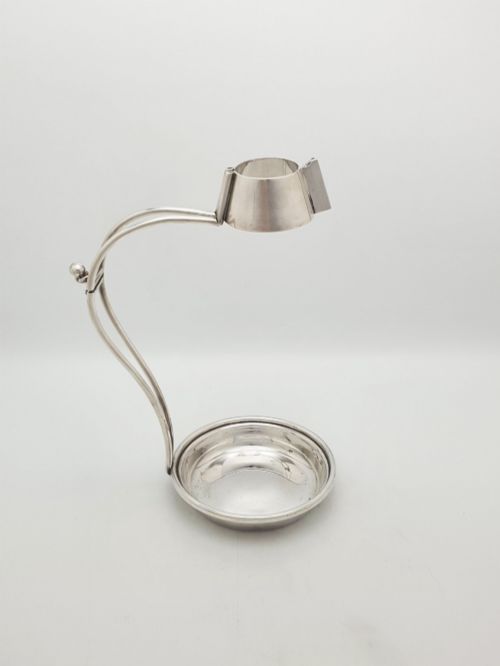
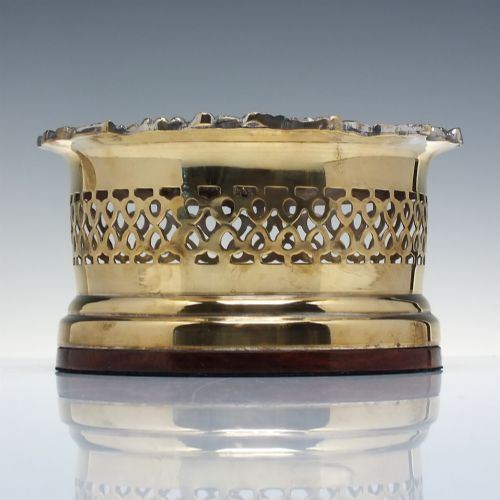
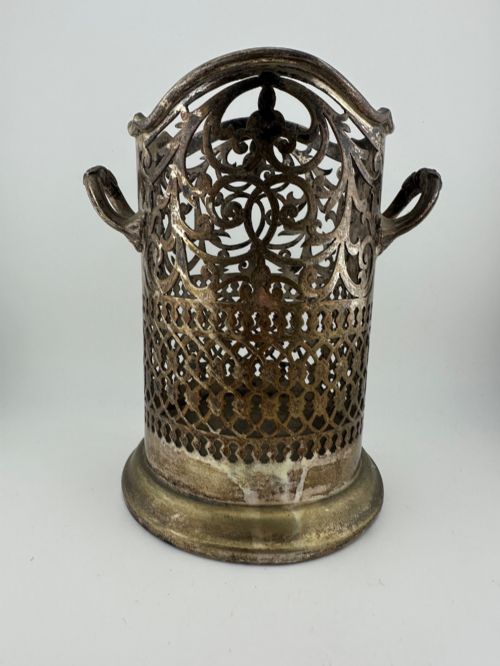
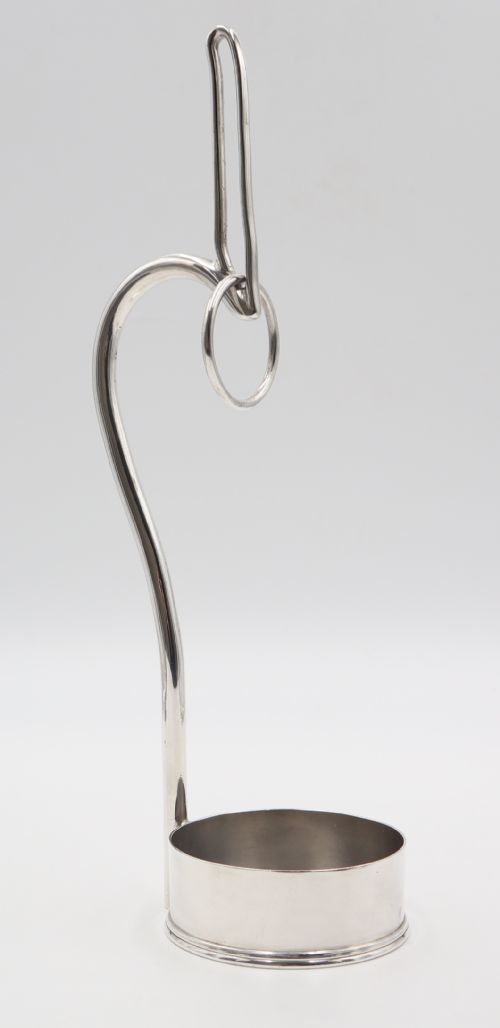
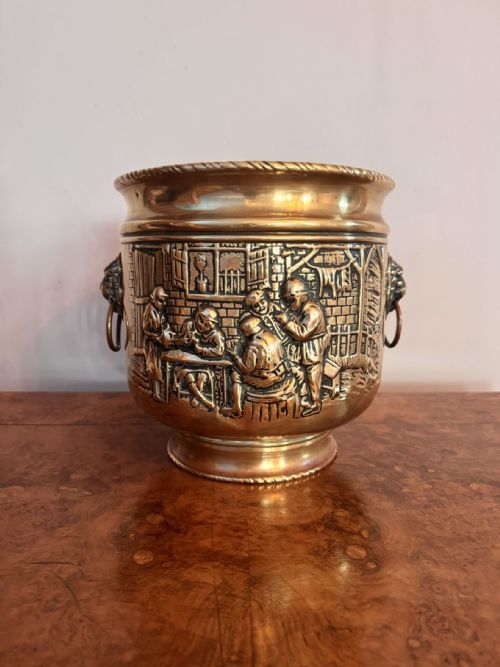
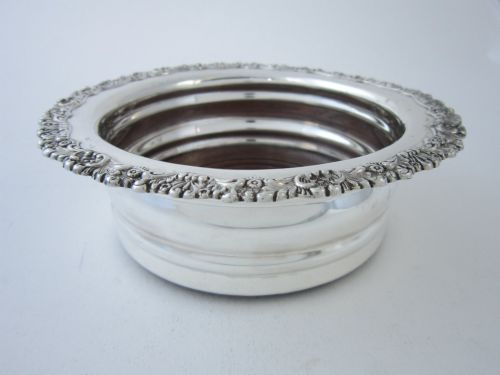
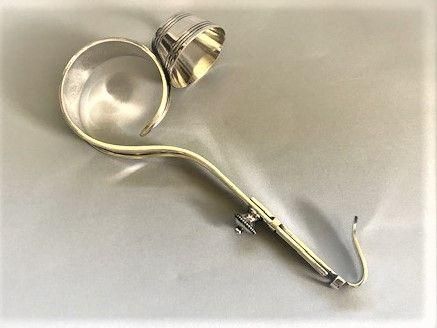
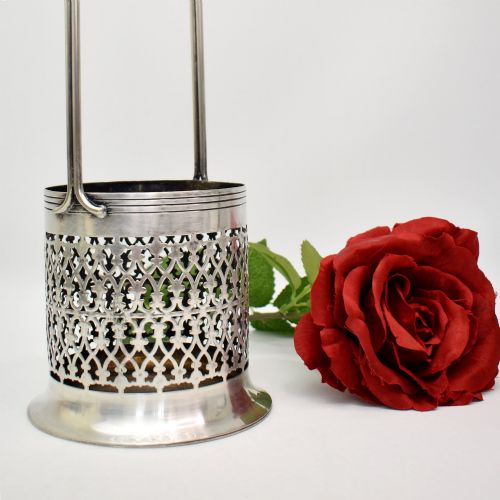
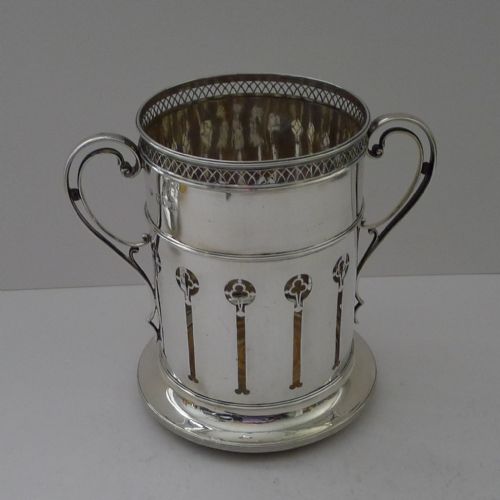
An edwardian wine holder serves to steady bottles and carafes at the table, taking forms such as silver plated coasters, mahogany buckets, and pierced bottle stands. The pieces span periods from the nineteenth century into the nineteen-twenties, incorporating george v and belle epoque influences alongside edwardian designs.
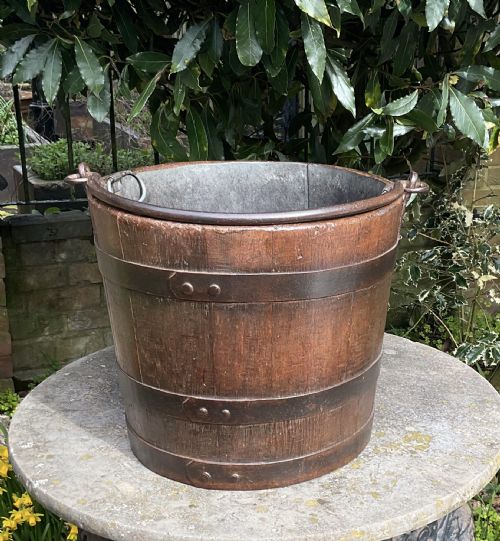
Buyers will most frequently encounter silver plated single and multiple bottle holders from around nineteen hundred, alongside coopered oak and mahogany vessels banded in brass. These items often double in form as planters and jardiniere stands, reflecting the versatile metalwork and woodwork of the era.
Materials and construction
Makers shaped these pieces from sterling silver, silver plate, and electroplated nickel silver, combining them with solid woods like mahogany and oak. Many cylindrical wooden vessels utilise coopered construction with metal bands, echoing traditional barrel-making techniques.
Metalwork involved piercing, engraving, and wrought iron shaping, particularly evident in art nouveau copper buckets and pierced silver plated bottle holders. Liners of metal or glass frequently accompanied the timber frames to protect the wood from moisture.
Edwardian Wine Holder Retail Price Guide 2026
Typical asking prices for edwardian wine holder among the pieces listed under this phrase on Sellingantiques today, from the lower quarter to the upper quarter. They describe what is for sale here now, not the wider market.
Object types span wine coasters, champagne buckets, jardiniere stands, and bottle storage barrels.
Distinctions in quality
Quality rests upon the weight of the metal and the precision of the joinery in wooden vessels. Substantial sterling silver or heavy silver plating on copper demonstrates superior output compared to lighter electroplated alternatives.
Maker attribution elevates a piece, with firms like mappin and webb, christofle, and james dixon and sons marking higher tiers of craftsmanship. Pierced detailing and crisp engraving further distinguish finer examples from plain utility pieces.
Mappin and Webb·Brook and Son·Christofle·James Dixon and Sons
The Edwardian Wine Holder Glossary
- Coopered
- Built from vertical staves of wood bound together with metal hoops, much like a traditional barrel. This method ensures sturdy construction for vessels holding bottles or plants.
- Silver plate
- A layer of silver fused to a base metal such as copper or nickel silver. It provides the appearance of solid silver at a different weight and cost.
- Jardiniere
- An ornamental pot or stand designed to hold plants or flowers. In this context, planters and jardiniere stands share similar forms with large wine and champagne buckets.
- Electroplated nickel silver
- A base alloy of copper, nickel, and zinc coated with a thin layer of silver using an electrical process. This material formed the basis for many durable hospitality items of the period.
- Art nouveau
- A decorative style characterised by flowing, organic lines and floral motifs. It appears frequently in the copper buckets and glass wine dispensers of this era.
Edwardian Wine Holder: Frequently Asked Questions
What is an edwardian wine holder used for?
These pieces were designed to hold wine bottles, carafes, or champagne magnums securely on the dining table. They protected table linens from condensation and drips while adding a decorative focal point to the room.
Over time, many similar vessels were adapted for alternative uses such as holding plants or coal, reflecting the robust materials used in their construction.
How do I clean silver plated bottle holders?
Silver plate requires gentle cleaning with a soft cloth and a specialised polish formulated for plated items. Avoid harsh abrasive cleaners that can wear away the thin silver layer over the base metal.
Wooden elements such as mahogany or coopered oak should be dusted and occasionally treated with appropriate wood wax to maintain the finish without harming any metal mounts.
How do I tell edwardian pieces from later ones?
Edwardian items often display specific hallmarks, maker stamps, or stylistic cues such as art nouveau curves and pierced floral motifs. Comparing the weight and construction methods provides further clues to the date of manufacture.
Pieces from the subsequent george v period or later decades maintain similar silver plating techniques but may feature slightly different decorative vocabularies.